Welding Neck vs Slip-On Flanges: Which Fits High-Pressure Systems
When evaluating flange options for high-pressure applications, welding neck flanges consistently outperform slip-on flanges due to their superior structural integrity and stress distribution capabilities. A weld neck flange transfers stress to the pipes, lessening the high-stress concentration at the bottom of the flange. This attribute makes welding neck flanges particularly suitable for the oil and gas industry, where system reliability directly impacts operational safety and project success.
Introduction
Choosing the right type of flange is an important part of designing a piping system, especially for high-pressure uses that require consistent safety and reliability. Welding neck and slip-on flanges are both important parts of industrial piping systems for connecting pipes, but they perform very differently when put through tough conditions. The difference between these flange types goes beyond just cost, and includes system integrity, safety compliance, and long-term operational reliability. In industries like oil and gas, chemical processing, and power generation, high-pressure systems need connection points that can withstand high pressures and keep their leak-tight seals for long periods of time. This in-depth study looks at the technical details, performance, and real-world uses of both types of flanges. We will talk about important things to think about, following manufacturing standards, and buying strategies that work with the needs of businesses in the engineering and production fields. Our main goal is to meet the needs of EPC contractors, industrial project developers, and procurement experts who want to reduce risk, make sure safety rules are followed, and build trusting relationships with suppliers.
Understanding Welding Neck and Slip-On Flanges
Structural Design and Manufacturing Standards
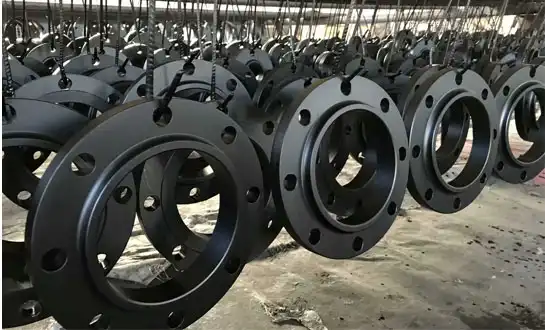
Welding neck flanges have a unique curved hub that goes from being thin on the flange face to being thick on the pipe wall. The curved shape creates a smooth bore transition that gets rid of flow restrictions and reduces turbulence within the system. The neck part sticks out from the flange face, which lets you butt-weld the two parts together, making a continuous metal path between the pipe and flange assembly. Slip-on flanges are easier to design; they have a flat or slightly raised face with a center bore that fits the connecting pipe's outside diameter. The pipe slides through the bore of the flange, making a slip-fit connection. To keep the assembly together, both internal and external fillet welds are needed. This requirement for two welds makes installation take longer, but gives you more options when placing it at first.
Material Compositions and Compliance Standards
Both types of flanges strictly adhere to ASME B16.5 and ANSI standards regarding material specifications, pressure-temperature ratings, and dimensional tolerances. The most common material utilized in the industry is carbon steel (such as ASTM A105), which offers an excellent strength-to-cost ratio and proven reliability in mild to high-pressure environments. Conversely, stainless steel grades like 304L and 316L provide superior corrosion resistance, making them essential for aggressive chemical processing and marine applications. Regardless of the chosen material, high-pressure welding neck flanges are typically manufactured through closed-die forging. This process refines the metallurgical grain structure and eliminates the internal voids or porosity often associated with casting, significantly enhancing the flange's fatigue resistance and pressure-retaining capabilities under severe cyclic loading.
Dimensional Characteristics and Installation Requirements
A defining dimensional characteristic of welding neck flanges is that their internal bore is machined to exactly match the internal diameter of the connecting pipe. This precise alignment creates an unobstructed, continuous flow path that minimizes turbulence, pressure drop, and the risk of internal erosion—making it highly beneficial for high-velocity or abrasive fluid systems. In contrast, slip-on flanges are bored slightly larger than the pipe's outer diameter, allowing the pipe to slide inside before welding. While this clearance makes fit-up and installation significantly easier and faster, it introduces a slight disruption in the flow path at the connection point. Although acceptable in standard utility lines, this minor turbulence must be carefully evaluated when designing systems handling highly erosive media or requiring ultra-precise flow metering.
Performance Comparison: Welding Neck vs Slip-On Flanges in High-Pressure Systems
Pressure Rating Capabilities and Stress Distribution
The main reason why welding neck flanges are better in high-pressure situations is that they are better at spreading stress. The tapered hub design makes a gradual transition zone that spreads mechanical stresses over a bigger area. This lowers the risk of stress concentration factors that could cause the part to fail early. Welding neck flanges can handle higher pressure ratings within the same ANSI pressure classes because they can spread stress more evenly. ANSI Class 600 welding neck flanges can normally handle working pressures up to 1,480 PSI at room temperature, but similar slip-on flanges may not be able to because of stress buildup at the fillet weld connections. The butt-weld connection in welding neck joints makes a smooth stress path that gets rid of the weak spots that come with fillet-welded connections.
Fatigue Resistance and Cyclic Loading Performance
Pressure changes, temperature cycling, and vibration loads that happen a lot in high-pressure systems cause fatigue stresses in the links between flanges. Welding neck flanges have better fatigue resistance because they are made of a single piece of metal and don't have any sharp stress concentration spots. The smooth change from pipe to flange gets rid of the notch effects that could cause fatigue cracks under cyclic loads. Slip-on flanges are limited in fatigue applications because fillet weld profiles create geometric discontinuities. The point where the pipe outer diameter meets the flange bore forms a stress concentration zone that gets stronger when the load is applied over and over again. Slip-on flanges work fine for uses with steady pressure, but they need to be carefully looked at for systems that have big changes in pressure.
Installation Complexity and Quality Control Requirements
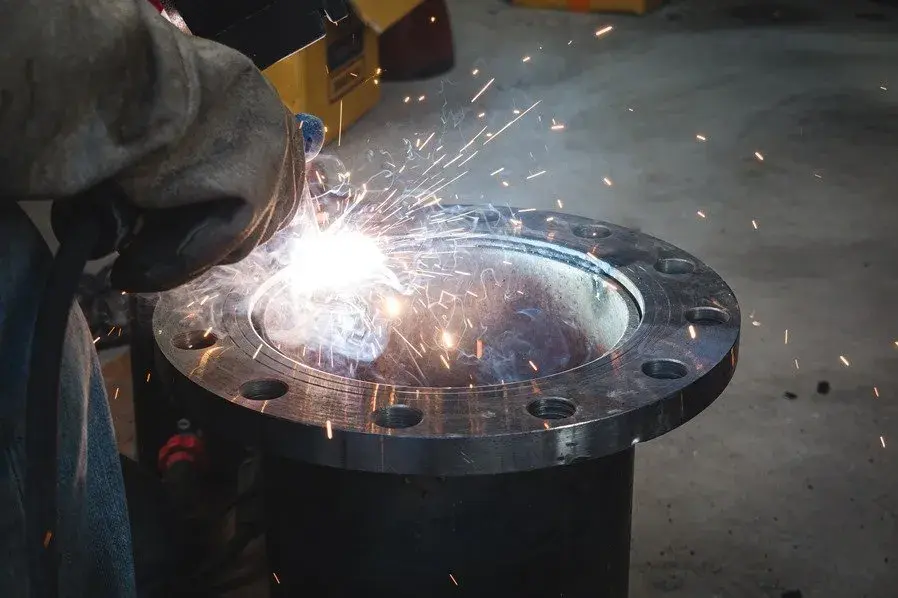
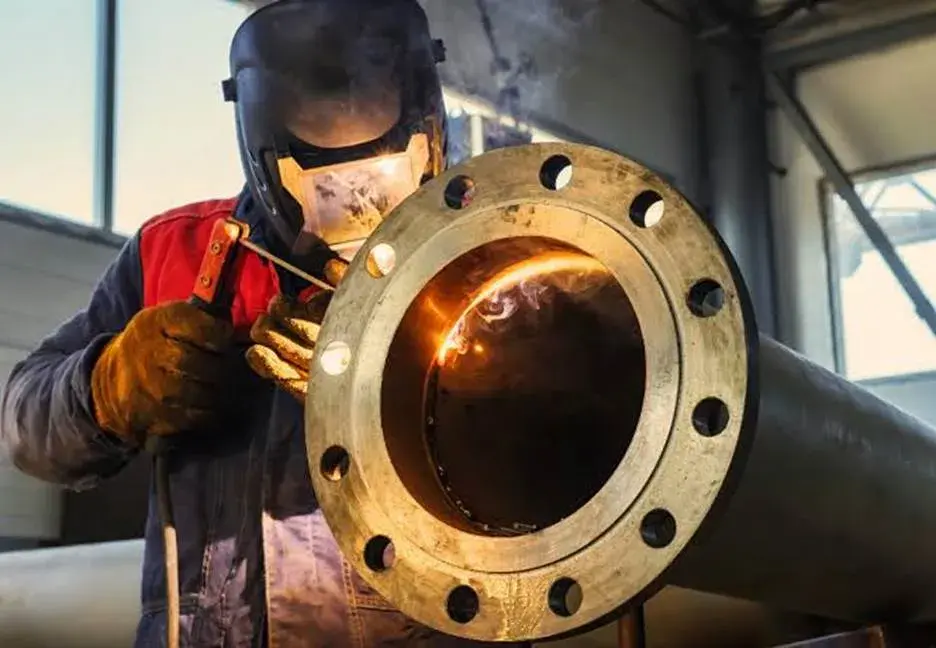
For the best performance, welding neck flange installation needs to be perfectly aligned and done by trained welders. To achieve a good weld on the butt-weld joint, full penetration welding is required with the right backing rings or consumable plugs. When it comes to precision and cleanliness, TIG welding processes are better than basic fillet welding, but they require more skill and take longer to install. The installation process starts with carefully prepping both the pipe end and flange neck surfaces to make sure they fit up and line up correctly. Any gaps or misalignments can cause stress concentrations that lower the pressure grade of the assembly. Non-destructive testing methods, like radiographic inspection, are often used to check the quality of the weld in serious situations. These methods add time and cost to the installation process, but they ensure long-term reliability. Slip-on flanges make installation easier because they don't need to be aligned perfectly and can handle smaller fit-up tolerances. The slip-fit design can work with small differences in size without having to cut or machine the parts precisely. However, the need for two types of welding (internal and external fillet welds) makes the whole process take longer and requires access to both sides of the link in order to be done correctly.
Material Choices & Standards Impacting Flange Selection
Carbon Steel versus Stainless Steel Performance Characteristics
In most industrial settings, carbon steel flanges are both cost-effective and have great mechanical qualities. For reliable performance, ASTM A105 carbon steel can be used in temperatures ranging from -20°F to 650°F and still keep its strength. The ability to weld and machine the material supports efficient production methods that keep costs low for large-volume purchases. Stainless steel options become necessary when rust resistance needs are higher than what carbon steel can handle. Type 316L stainless steel flanges offer excellent corrosion resistance when exposed to chlorides, so they can be used in marine settings and chemical processes. The higher strength-to-weight ratio of the material allows for smaller flange sizes while keeping the same pressure ratings. However, the material is much more expensive than carbon steel options.
Manufacturing Standards and Quality Assurance
For both welding neck and slip-on flanges, ASME B16.5 guidelines set the size tolerances, pressure ratings, and material needs. These standards make sure that parts from different makers can be used together, and they also include buying guidelines that keep installation problems to a minimum. The standard sets out the bore diameters, bolt hole patterns, and face dimensions that make it possible for systems from different suppliers to work together reliably. API specifications work with ASME standards in oil and gas applications by addressing specific service conditions and material needs that are common in those fields. API 6A flanges have to go through extra tests, such as hydrostatic pressure tests and material traceability paperwork, which helps them work in important service applications where failure would have serious consequences.
Forged versus Welded Construction Methods
Forged flanges are the best choice for high-pressure uses because they have a better grain structure and no flaws from the welding process. Forging removes weak spots and increases wear resistance by making continuous metal flow lines that follow the shape of the flange. Even though forged flanges cost more at first, their longer service life and lower maintenance needs often make them worth the extra money in serious situations. Welded flange construction is cheaper for large-diameter uses where forging isn't possible. Modern methods of welding and non-destructive testing make sure that the work is reliable, but for pressure vessel uses, it's important to pay close attention to the welding process and the heat treatment that comes after the welding.
Procurement Guide: How to Choose the Best Flange for Your Project
System-Specific Evaluation Criteria
For flange selection to go well, operating factors like maximum working pressure, temperature extremes, and fluid properties must all be carefully considered. Welding neck flanges are usually better for high-pressure systems that work above 600 PSI because they keep the pressure inside better and are less likely to leak. When thermal cycling happens often, it's especially important to think about temperature. Investing in premium flange types pays off by extending repair intervals and making the system more reliable. Welding neck flanges help handle temperature expansion stresses that might be too much for slip-on connections because they spread the stress out. No matter what type of flange is chosen, chemical compatibility standards may mean that the material needs to be upgraded to stainless steel or a specialty alloy.
Cost Optimization and Procurement Strategies
To fully understand the total cost of ownership, you need to look at more than just the initial purchase price. You also need to think about the costs of installation, maintenance, and possible downtime. Welding neck flanges usually cost more at first, but they pay for themselves in lower upkeep costs and longer service intervals. Instead of just looking at unit prices, procurement professionals should compare choices based on lifecycle costs. Bulk ordering strategies can have a big effect on project economics, especially for big industrial installations that need a lot of flanges with the same specs. Setting up relationships with certified suppliers who can provide regular quality and delivery schedules helps project managers keep track of time and make sure that specifications are met.
Supplier Certification and Quality Verification
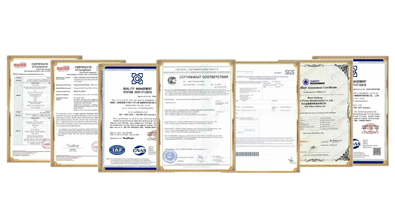
Working with suppliers who have the right certifications, like ISO 9001:2015, GOST-R, and SGS export compliance paperwork, makes sure that the quality of the products you buy is always the same and that you follow all the rules. These certifications show that you are committed to quality management systems and give you peace of mind that the way your products are made meets foreign standards. Verifying material test certificates and dimensional inspection reports helps meet the quality standards that are common in business-to-business (B2B) procurement settings. When evaluating a supplier's capabilities, it's important to look at their ability to make things, handle their inventory, and offer technical support. Beyond just supplying products, being able to offer customised solutions, fast delivery when needed, and expert support during the installation process adds value.
Case Studies and Real-World Applications
Offshore Oil and Gas Pipeline Systems
Offshore uses with high pressure show how important it is to choose the right flange for extreme working conditions. Subsea manifold systems that work at pressures higher than 5,000 PSI only use welding neck flanges because they are better at keeping pressure in and resisting wear. Deepwater environments often have cyclic wave loading and external hydrostatic pressures that make conditions too tough for slip-on flanges to work. For example, a major Gulf of Mexico project specification said that all flanges used in subsea applications had to have welding neck designs with full penetration butt welds and 100% radiographic inspection. For the project to be successful, the links had to be leak-proof and able to withstand both internal pressures and external environmental loads for 20 years.
Power Generation Steam Distribution Systems
Welding neck flanges are used in thermal power plants with superheated steam lines that are over 1000°F to handle thermal expansion loads while keeping pressure in check. The tapered hub design better distributes thermal stresses than slip-on options, which stops the flange face from warping and the gasket from failing in extreme temperature differences. In a recent upgrade, a coal-fired power plant replaced failing gaskets in main steam lines that were made of slip-on flanges with welding neck assemblies. The retrofit project got rid of unplanned shutdowns, made the plant more reliable overall, and cut down on the costs of upkeep that came with replacing gaskets so often.
Chemical Processing and Refinery Applications
Welding neck flanges are required for systems that handle hazardous fluids in refineries that deal with explosive chemicals. In these applications, welded joints provide a stronger seal, which lowers the risk of fugitive emissions and helps meet stricter environmental rules. The smooth bore transition reduces erosion and corrosion in hydrofluoric acid alkylation units and other corrosive service applications. Best practices for installation, developed over decades of refinery experience, stress how important it is to follow the right welding procedures and inspection protocols after installation. These practices make sure long-term dependability and help chemical processing businesses meet regulatory requirements.
Conclusion
The selection between welding neck and slip-on flanges for high-pressure applications ultimately depends on balancing performance requirements against cost considerations and installation constraints. Welding neck flanges provide superior pressure containment, stress distribution, and fatigue resistance that make them the preferred choice for critical high-pressure applications. Their ability to transfer stress effectively to connected piping while maintaining leak-tight seals justifies the additional investment in most industrial scenarios. Slip-on flanges retain value in moderate-pressure applications where cost sensitivity and installation simplicity take precedence over maximum performance capabilities.
FAQ
1. Can slip-on flanges be safely used in high-pressure systems?
Slip-on flanges can function in high-pressure applications within their rated pressure limits, but they face inherent limitations compared to welding neck designs. The fillet weld connections create stress concentration points that reduce fatigue life and pressure containment capabilities. Most engineering standards recommend welding neck flanges for pressures exceeding 600 PSI or applications involving significant pressure cycling.
2. How do service lifespans compare between welding neck and slip-on flanges?
Welding neck flanges typically provide 2-3 times longer service life in high-pressure applications due to superior stress distribution and fatigue resistance. The continuous metal structure eliminates weak points that could initiate premature failures. Slip-on flanges require more frequent inspection and potential replacement, particularly in cyclic loading conditions or corrosive environments.
3. What criteria should guide supplier quality verification?
Supplier verification should focus on manufacturing certifications (ISO 9001:2015, ASME certification), material traceability documentation, and compliance with applicable standards (ASME B16.5, API specifications). Request material test certificates, dimensional inspection reports, and evidence of quality management systems. Evaluate the supplier's technical support capabilities and ability to provide consistent delivery schedules.
Contact RAYOUNG for Premium Welding Neck Flanges
RAYOUNG delivers comprehensive flange solutions backed by ISO 9001:2015 certification, GOST-R compliance and SGS export validation. Our extensive inventory includes carbon steel and stainless steel welding neck flanges manufactured to ASME B16.5 standards, ensuring reliable performance in your most demanding applications. Contact our technical team at info@hb-steel.com for personalized product recommendations and competitive quotes tailored to your project specifications. As a premier manufacturer and trusted supplier of industrial flanges, we deeply understand the critical importance of uncompromising quality, delivery reliability, and expert technical support in ensuring your project's success.
References
1. American Society of Mechanical Engineers. "ASME B16.5 Pipe Flanges and Flanged Fittings: NPS 1/2 through NPS 24 Metric/Inch Standard." New York: ASME Press, 2020.
2. Bickford, John H. and Nassar, Sayed. "Handbook of Bolts and Bolted Joints." Marcel Dekker Industrial Press, 2021.
3. Ellison, T.K. "Pipe Flanges and Flange Joints: Design, Selection and Application Guidelines for the Process Industries." Professional Engineering Publishers, 2019.
4. Harvey, John F. "Pressure Component Construction: A Guide to Design Methods and Material Selection." Van Nostrand Reinhold Engineering Series, 2020.
5. Mohitpour, M. and Murray, A. "Pipeline Integrity Management Systems: A Practical Approach to Flange Selection and Installation." Gulf Professional Publishing, 2021.
6. Winkel, Peter. "Welded Joint Design and Production: Flanges in High-Pressure Piping Systems." Woodhead Publishing Engineering Materials Series, 2020.

Need a quote? Want to see samples? Just say hello. We’re friendly. We’re fast. And we’re ready when you are.
Welcome to RAYOUNG – Strong Pipes, Stronger Promise