Top Flange Gasket Choices for Iraqi Pipelines
If you are working on pipelines in Iraq, picking the right flange gaskets can mean the difference between smooth operations and costly downtime. Extreme temperatures, corrosive surroundings, and high pressures make it necessary for oil, gas, and industrial plants in Iraq to use specific sealing solutions. The best flange gaskets for these uses usually have spiral-wound designs with stainless steel windings, RTJ (Ring Type Joint) gaskets for high-pressure systems, and special polymer-based options that resist chemical degradation and maintain stable performance across a wide range of operating conditions
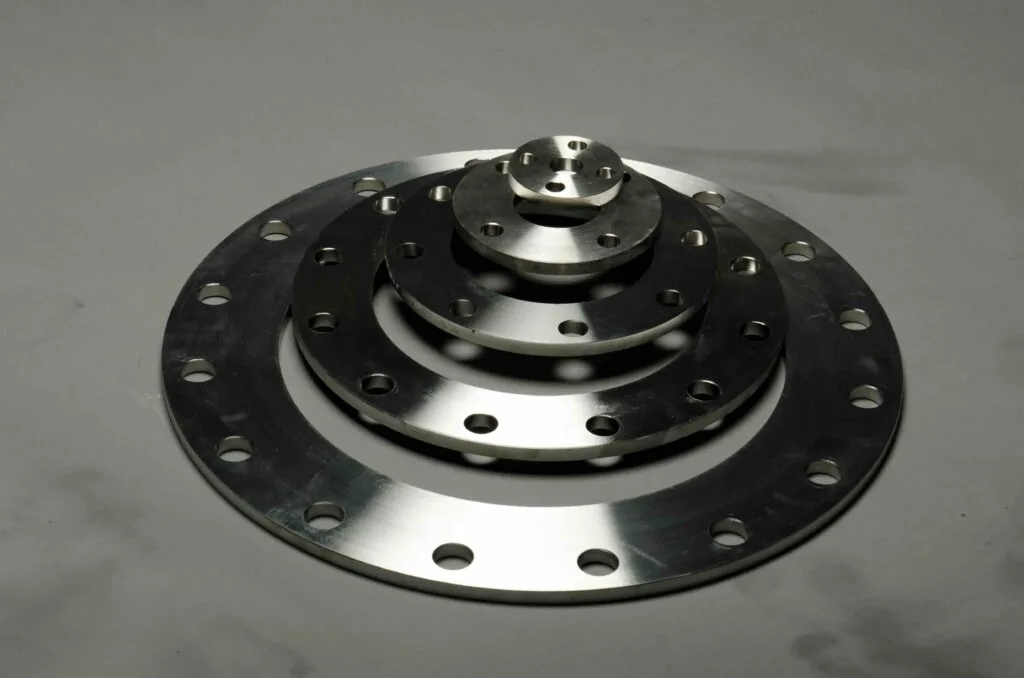
Understanding Flange Gaskets and Their Role in Pipelines
Pipeline sealing technology is an important part of industrial infrastructure because the mechanical soundness of the infrastructure has a direct effect on safety, environmental compliance, and working efficiency. As the main barrier between flanged connections, gasket sealing systems prevent hazardous fluid leakage while also being able to handle the dynamic stresses that come with running a pipeline.
Fundamental Gasket Functions in Pipeline Systems
Modern sealing technology is very important for many reasons in Iraqi pipeline networks. In desert regions, where temperatures can change by more than 50°C between day and night, these sealing parts can handle the thermal expansion and contraction cycles that are common in these environments. The gaskets also smooth out small flaws on the flange surface and keep the seal intact when the pressure changes.
The mechanical qualities of good seals include controlled deformation features that let them fit properly without putting too much stress on one area. Good gasket materials have great recovery qualities that maintain stable contact pressure even when bolt loads are affected by thermal cycling that are common in Iraqi operating settings.
Common Gasket Types and Their Applications
Spiral wound gaskets are flexible options that can be used in oil and gas applications because they combine the strength of metal with the flexibility of soft filler materials. The stainless steel windings in these designs are filled with PTFE or graphite, providing strong chemical resistance and reliable sealing performance in ASME Class 150 to Class 2500 flange systems, depending on temperature and material selection.
Ring-type joint gaskets perform effectively in high-pressure environments, such as wellheads and pressure handling equipment. The metal-to-metal sealing mechanism and precision groove compression ensure highly reliable sealing in extreme pressure and temperature environments. RTJ designs are commonly used in ASME Class 600 to Class 2500 high-pressure systems, making them ideal for critical upstream applications such as wellheads and high-pressure pipelines.
For modest pressure uses, non-metallic choices like PTFE and elastomeric types are cost-effective possibilities. In addition to being easier to install than metal options, these materials are provide excellent chemical compatibility with refined petroleum products.
International Standards and Compliance Requirements
API 6A standards set the requirements for gaskets used in wellhead and Christmas tree applications. These standards make sure that the gaskets work with important upstream equipment. For reliable performance in the conditions of the Iraqi oil field, these standards spell out the required tests, material qualities, and size tolerances.
ASME B16.20 gives detailed instructions on how to measure gaskets and how they should work with different kinds of flanges. Following these rules makes sure that the fittings work with common gasket patterns and meet the requirements for pressure and temperature ratings up to Class 2500.
ISO 15848 focuses on fugitive emission testing and qualification procedures for industrial valves rather than flange gaskets. For gasket leakage and sealing performance, standards such as API 622, API 624, and EN 13555 are more commonly referenced to evaluate sealing performance and emission control in pipeline systems.
Iraq's demanding pipeline networks require high-performance flange gaskets engineered to withstand extreme environmental and operational conditions over extended lifecycles.The tough climate, with its high temperatures, corrosive fluids, and high-pressure needs, means that materials must be carefully chosen and designs must be carefully thought out.
Spiral-Wound Gaskets for Oil and Gas Applications
Spiral wound gaskets are one of the most widely used sealing technologies in Iraq’s oil and gas industry, which works very well in many different types of situations. These gaskets are made of carefully wound stainless steel strips and soft filler materials that can mould to the shape of any wrinkles on the flange surface while still keeping the structure strong.
Layers of metal and non-metal materials are wound in a continuous spiral design as part of the building method. This design has great recovery properties, so the gasket can maintain sealing pressure even after many thermal cycles, which are typical in Iraqi pipeline operations. The metal part doesn't react chemically with crude oil or processed products, and the filler material makes sure that ensures full surface contact and sealing integrity.
Performance depends on filler material, with graphite-filled spiral wound gaskets operating up to around 538°C, while PTFE-filled versions typically operate up to about 260°C. Standard designs are compatible with ASME Class 150 to Class 2500 flange systems, and for important uses, they can handle even higher pressures in special versions.
Ring Type Joint (RTJ) Gaskets for High-Pressure Systems
RTJ gasket technology provides superior performance compared to conventional gasket types in ultra-high-pressure situations where the demands of the job are higher than what a regular gasket can handle. The solid metal construction makes it very durable, and the precisely polished shape ensures that it seals perfectly even in harsh conditions.
When choosing materials, soft iron is usually best for moderate conditions, while stainless steel types are better for corrosive situations like those found in Iraqi sour gas uses. The octagonal or oval cross-section shape focuses the sealing forces at specific contact places, making seals that work well even when the pressure changes a lot.
Installation standards call for exact preparation of the flange and careful handling, but the performance of the seal makes it worth the extra care. RTJ seals last a very long time in high-pressure situations in Iraq; they often work well for years without needing to be replaced.
PTFE and Polymer-Based Solutions
Advanced polymer gasket technology has clear benefits for certain pipeline uses in Iraq, especially when choosing materials based on chemical compatibility and cost is important. PTFE-based designs provide excellent chemical resistance and are typically used in low to medium-pressure systems such as ASME Class 150 to Class 300 applications, where chemical compatibility is more critical than high-pressure resistance.
Elastomeric compounds, such as nitrile and fluorocarbon materials, are used in moderate-pressure situations where saving money is still important. When it comes to sealing around water, fuel, and lubricants, these materials provide easier installation and cost advantages compared to metallic options in moderate-pressure applications.
Speciality High-Performance Gaskets
Cutting-edge sealing technology keeps getting better so that it can meet the needs of Iraqi pipeline users that are getting more complicated. Multiple material technologies are used in advanced hybrid designs to improve performance and solve specific practical problems.
Metallic shells wrap soft core materials in Metal-clad gaskets, protecting against chemicals while still being flexible. These designs work really well in situations where regular spiral-wound gaskets might be attacked by chemicals or where better fire protection is very important.
Custom-engineered solutions meet the specific needs of each application by using carefully chosen materials and altered designs. Most of the time, these gaskets are made with advanced polymer technologies or rare metal alloys that are specially designed for certain chemical reactions and operating conditions.
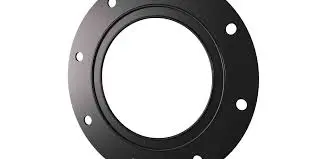
How to Choose the Best Flange Gasket for Your Pipeline Project?
To choose flange gaskets, you need to carefully consider a number of factors that affect how well it seals and how reliable it is in use. To make sure long-term success, material and design choices must be based on the specifics of the project, such as pressure, temperature, chemical exposure, and ease of upkeep.
Critical Performance Parameters
The main thing that determines the choice is the pressure number, and safety factors usually fall between 2:1 and 4:1, based on how important the application is. For transmission lines, Iraqi pipeline systems usually work at pressures between 150 PSI and 1500 PSI. Processing equipment can reach much higher pressures that need special seal solutions.
When thinking about temperature, you need to think about both normal working conditions and possible upset situations. In the desert, where temperatures can hit 50°C, things can get tricky, and during normal activities, the contents of a pipeline could reach more than 200°C. The materials used for gaskets must keep their qualities over these temperature ranges and be able to handle the effects of thermal cycles.
To figure out if two chemicals are compatible, you have to look closely at the fluid's makeup, including any possible contaminants or additives. The properties of Iraqi crude oil change a lot from one field to the next. For example, some fields have high sulphur levels that require special materials to keep them from breaking down too quickly.
Material Property Evaluation
The performance of a gasket under practical pressures is affected by its mechanical qualities, such as its hardness, tensile strength, and elongation. The right choice of material strikes a balance between the need for conformability for good closing and the need for sturdiness for long service life.
In situations where fugitive pollution rules apply or where product contamination is a worry, permeability becomes very important. Modern seal materials have very low leakage rates and keep their mechanical integrity when they are used.
To keep the seal from breaking when temperatures change, the thermal expansion factors must match the needs of the product. When growth rates don't match, stress concentrations can form that cause the material to fail early or lose its closing pressure.
Installation and Maintenance Considerations
Different types of gaskets have very different installation needs, which affects both the original cost and the best way to maintain the gasket over time. When compared to non-metallic options, metallic gaskets usually need higher bolt loads and more accurate installation methods. However, they last longer in tough situations.
Accessibility for maintenance affects the choice of gaskets in remote Iraqi sites, where service gaps are very important for operations. If you have to change gaskets often, it could cause too much downtime, even if the starting costs seem low.
Through proper specification, specification compliance and installation verification, quality assurance procedures make sure that the performance of the gasket meets the design goals. Well-known testing methods give you peace of mind about long-term dependability while lowering practical risks.
Installation and Maintenance Guidelines for Flange Gaskets in Iraqi Pipelines
The performance of the gasket and the stability of the pipeline are directly affected by the right way to install and maintain it. This is why systematic methods are so important for Iraqi pipeline operations. Conditions like dust, high temperatures, and limited access can make normal processes harder to follow, so different methods are needed to get reliable results.
Surface Preparation and Installation Procedures
Preparing the flange surface is the first step in making sure the gasket works well. This means getting rid of old gasket materials, rust products, and surface contaminants. The climate in Iraq often adds to the problems that need to be solved during planning, such as sand buildup and temperature-related thermal distortion.
Different types of gaskets have different surface finish requirements. For example, RTJ uses precise groove dimensions and surface roughness requirements. Standard raised face flanges need clean, smooth surfaces that aren't scratched or gouged because that could affect how well they close. Before installing the seal, the surface should be checked using inspection methods.
To get the best sealing performance, installation pressure specs need to take into account the type of gasket, the material of the flange, and the way the bolts are arranged. Progressive torqueing methods make sure that the seal is compressed evenly and that there are no areas of high stress that could cause it to fail early. Temperature adjustment might be needed for work that is done in places in Iraq that have very hot or very cold weather.
Common Problems and Preventive Measures
Failures during installation are often caused by not properly preparing the surface, using the wrong amount of force, or contamination during the assembly process. Iraqi field conditions often include sand and dust that can make it impossible for gaskets to sit properly, so extra safety is needed during installation.
Another common way things fail in Iraq is when materials break down due to UV light, changing temperatures, and chemical attacks. As a preventative step, you should choose the right materials for the circumstances you expect them to be exposed to and set up regular inspection schedules to find early signs of degradation.
Over time, temperature cycling can cause bolts to loosen, which can make gaskets less compressible. This can cause the seal to slowly break down. To keep the right compression levels, regular retorqueing processes are helpful. However, the right material choices for the seal should make this less necessary.
Inspection and Maintenance Protocols
Scheduled regular inspections help find possible problems early, before they become too big to fix. During regular maintenance, look for visual signs of leaks, gasket extrusion, or material degradation. More in-depth checks should be planned based on how the system has been used in the past and what the maker recommends.
Leak discovery methods can be as easy as looking for them or as complex as using high-tech electronic monitoring systems, based on the needs of the application. Portable leak detection tools are often useful for pipeline use in Iraq because they can find small leaks before they become big problems.
To find the best replacement times for flange gaskets, replacement planning looks at how well the gasket has worked in the past, how it is being used, and when it needs to be serviced. By coordinating schedules well, proactive replacement strategies help keep plants from shutting down without warning and keep maintenance costs low.
Where and How to Procure Flange Gaskets in Iraq?
To buy pipeline seals strategically in Iraq, you need to know how the local market works and keep up with foreign quality standards and technical know-how. When you combine global supply lines with local distribution networks, you can save money while still making sure that products are always available.
Local and International Supplier Networks
Iraqi buyers of gaskets can take advantage of well-established distribution networks that keep local stock levels up and give them access to production skills around the world. When compared to direct foreign buying, regional distributors often have more common types of gaskets in stock and can meet pressing needs more quickly.
International providers can offer specialised gasket technologies and technical help that might not be available in your own country. When custom uses are needed or when new material technologies are needed to solve certain business problems, these relationships become very useful.
Diversifying the supply chain lowers the risks that come with problems in one area or with a specific provider. Having relationships with different providers lets you keep running even when your main sources have problems, but this needs careful management to make sure the quality stays the same.
Quality Assurance and Certification Requirements
Material approvals make sure that the performance of the seal meets the design requirements and allow for quality control by tracking the materials used. Iraqi users often need to follow foreign standards like API, ASME, and ISO guidelines, which must be confirmed with the right paperwork.
Before installing a seal, it is tested and inspected to make sure it is of good quality. This lowers the risk of problems in the field that could cause expensive downtime. Measurement accuracy, material properties, and surface state should all be part of incoming inspection processes to make sure they meet purchase requirements.
As part of the supplier qualification process, manufacturing skills, quality systems, and access to technical help are all looked at to make sure that the supply will be reliable in the long run. Audits and performance tracking that happen on a regular basis help hold suppliers accountable and find ways to keep getting better.
Cost Optimisation Strategies
Buying in bulk can lower the cost per unit while still making sure there is enough inventory for planned repair tasks. But storing needs and material shelf life must be thought about to keep things from breaking down, which could affect how well the seal works.
Standardisation projects make inventory less complicated while taking advantage of the benefits of buying in bulk. Using the same type of seal for multiple uses makes purchasing easier and cuts down on the number of extra parts that need to be managed.
In a total cost of ownership study, not only is the initial purchase price taken into account, but also the costs of installation, upkeep, and what might happen if something goes wrong. Higher-quality flange gaskets may be worth the extra cost because they last longer and need less upkeep.
Conclusion
It is important to carefully think about working needs, environmental conditions, and performance standards when choosing the right flange gaskets for Iraqi pipeline use. When it comes to oil and gas uses, spiral wound gaskets are very flexible, while RTJ designs work better in high-pressure systems. While PTFE and polymer-based gaskets provide cost-effective sealing for specific applications, your final material selection must strictly account for chemical compatibility, temperature extremes, and mechanical stress. To be successful, you need to carefully consider the needs of the job, follow the right steps for installation, and buy things in a way that balances cost, quality, and dependability.
FAQ
1. What gasket types work best for high-pressure Iraqi pipeline conditions?
Ultra-high-pressure systems (ASME Class 600 to Class 2500) perform best with RTJ metal gaskets, whereas standard pipeline systems operating at low-to-moderate pressures (up to Class 300 / approx. 740 PSI) typically rely on spiral wound gaskets for reliable sealing. When choosing materials, you should think about how they will react with chemicals and what temperature they need to work in your application.
2. How do environmental conditions in Iraq affect gasket selection?
Extreme temperatures, UV light, and sand pollution mean that the materials and assembly methods need to be improved. When temperatures change from day to night, gaskets need to be able to recover quickly so they can keep their closing performance.
3. What installation considerations are critical for reliable gasket performance?
Long-term dependability is directly affected by how well the surface is prepared, how much torque is applied, and how well contamination is avoided during installation. To make sure the gasket compresses properly, progressive torqueing methods and temperature adjustments are used.
4. Are customised gasket solutions available for specific pipeline requirements?
Specialised materials and changed designs are used in advanced hybrid designs and custom-engineered solutions to deal with specific operating problems. For certain chemical risks, these choices often use advanced polymer technologies or rare metals.
5. How can procurement teams optimise gasket sourcing in Iraq?
The best mix of price, quality, and availability can be found by combining local delivery networks with ties to foreign suppliers. Strategies for buying in bulk and efforts to standardise can help keep costs down while still keeping enough supplies on hand.
Contact RAYOUNG for Premium Flange Gasket Solutions
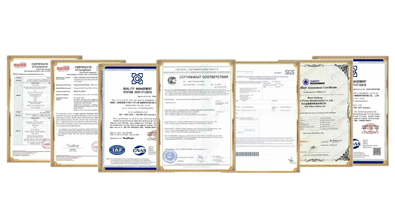
RAYOUNG is ready to help you with your pipeline projects in Iraq by providing complete gasket solutions backed by ISO 9001:2015 certification and a wealth of industry knowledge. Our wide range of products includes specialised flange gaskets made for tough oil, gas, and petrochemical uses. These are backed by international quality inspection and certification, such as ISO quality management systems and third-party inspection services from organisations like SGS, to ensure export compliance and product reliability. As a trusted manufacturer and supplier of industrial flange gaskets, we deeply understand the critical importance of reliable sealing solutions in Iraq's harsh pipeline environments. Contact our engineering team at info@hb-steel.com to discuss your specific requirements and discover how our field-proven gaskets can maximize your pipeline integrity while significantly reducing operational risks.
References
1. American Petroleum Institute. "API Standard 6A - Specification for Wellhead and Christmas Tree Equipment." 21st Edition, 2019.
2. American Society of Mechanical Engineers. "ASME B16.20 - Metallic Gaskets for Pipe Flanges: Ring-Joint, Spiral-Wound, and Jacketed." 2017 Edition.
3. International Organisation for Standardisation. "ISO 15848-1: Industrial valves - Measurement, test and qualification procedures for fugitive emissions." 2015.
4. European Sealing Association. “Gasket Handbook.” ESA Publication, 2019.
5. Flexitallic. “Spiral Wound Gasket Technical Manual.” Engineering Guide, 2020.
6. Garlock Sealing Technologies. “Industrial Gasket and Sealing Handbook.” 2021.

Need a quote? Want to see samples? Just say hello. We’re friendly. We’re fast. And we’re ready when you are.
Welcome to RAYOUNG – Strong Pipes, Stronger Promise