Guide to Selecting Butt-Weld Fittings for Refineries
Choosing the right butt-weld fittings for refining operations is a very important choice that has a direct effect on the safety of operations, the stability of the system, and its long-term performance. These specialised parts are what hold industrial pipe systems together. In these places, where pressure is high, temperatures are extreme, and the environment is corrosive, solutions must be carefully designed. As part of the selection process, the qualities of the material, its pressure ratings, compliance standards, and the dependability of the provider are all looked at to make sure the best performance is achieved while keeping project risks and operating costs as low as possible.
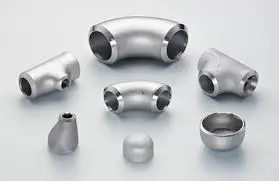
Understanding Butt-Weld Fittings in Refinery Applications
Butt-weld fittings are very important parts of refinery pipe systems because they make links that are strong and don't leak, even in the harsh conditions that are common in oil processing plants. When these fittings are welded straight to the ends of pipes, they make continuous joints that have the same wall thickness and structural integrity as the pipes they link.
Fundamental Characteristics and Design Features
The best thing about butt-welded fittings is that they can make links that don't leak without having any parts stick out that could block fluid flow or create stress concentration points. These fittings are different from threaded or socket-weld ones because they have bevelled ends that fit standard pipe configurations. This allows full-penetration welds that are as strong as the base pipe material. This feature of the design is especially important in refineries, where temperatures can hit 1,200°F (≈650°C), and pressures can go over 2,500 psi (≈17.2 MPa).
Depending on the size and intended purpose, butt-weld fittings are manufactured either by forging from solid bar stock or by forming from seamless or welded pipe sections. Forged fittings generally exhibit a superior grain structure and enhanced mechanical properties, making them the premier choice for precise, high-pressure applications. Conversely, formed fittings offer a highly cost-effective solution for large-diameter applications while still delivering robust performance for most industrial piping systems.
Material Selection for Refinery Environments
Materials used in refineries need to be able to handle fuels, hydrogen sulphide, organic acids, and other chemical substances while still keeping their shape when heated and cooled many times. Carbon steel grades like ASTM A234 WPB are still the most common choice for general refinery pipes because they are easy to weld and don't cost too much for mild service conditions.
When working with corrosive process lines or high-temperature hydrogen settings, you need stainless steel fittings, especially those made from the 316L and 321 grades. These materials are better at resisting stress corrosion cracking and retain their mechanical properties at high temperatures. Duplex stainless steels offer higher strength and improved corrosion resistance, so they can be used in the toughest refinery situations where sour gas handling or high-chloride conditions are present.
Fitting Types and Configurations
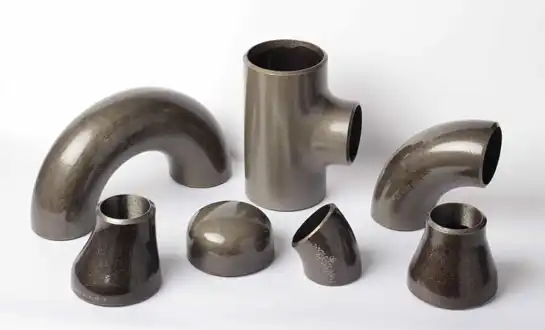
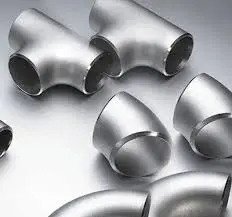
Different butt-weld fitting designs are used in refinery piping systems to meet different operating needs. The most common type of fitting is the long-radius elbow, which allows for smooth flow changes with little pressure drop and reduced energy loss in high-velocity conditions. Long radius designs, with a central radius that is 1.5 times the standard pipe diameter, help keep pressure losses and turbulence to a minimum compared to short radius designs.
Tees allow branch links for connecting tools, controlling the process, or taking samples. Equal tees ensure that all outlets have the same diameter, while reducing tees let the diameter change at the branch points. Reducers make it easier to change the size of a pipe. Concentric reducers keep the axis straight, and eccentric reducers stop air pockets from forming in horizontal runs.
Key Criteria for Selecting Butt-Weld Fittings
To choose the right butt-weld fittings, you need to carefully consider a number of technical and operational factors that have a direct effect on the performance and stability of the system. When procurement professionals understand these factors, they can make choices that balance short-term costs with long-term operational benefits.
Pressure and Temperature Ratings
When designing refinery butt-weld fittings, pressure ratings are the most important thing to think about because these parts have to safely hold process fluids in all working and upset situations. The dimensions for butt-weld fittings are set by the ASME B16.9 standard. The pressure ratings are determined based on the applicable piping code, which for process piping is usually ASME B31.3.
When choosing a material, it's important to think about how temperature changes its qualities. When temperatures rise, carbon steel materials lose strength, so for high-temperature applications, they may require increased thickness or be made of better materials. Creep resistance is very important for uses above 800°F, since long-term contact can change the size and strength of the material.
Corrosion Resistance Requirements
Different types of corrosion can happen to pipe parts in refineries, such as uniform corrosion, pitting, stress corrosion cracking, and hydrogen attack. When choosing a material, it's important to think about the process chemistry, working temperature, and projected service life to make sure there is sufficient corrosion allowance and that the materials will work well together.
When built correctly with the right corrosion limits, carbon steel is strong enough to prevent corrosion for most hydrocarbon services. But places with a lot of hydrogen sulphide, high temperatures, and acidic conditions might need better materials, like chrome-molybdenum metals or stainless steels. Based on the material chosen and the estimated rate of corrosion, inspection and monitoring plans should be established.
Manufacturing Quality and Inspection Requirements
Quality control is very important in refineries because a broken part can cause serious safety problems and cost a lot of money. Compared to welded options, seamless parts made through forging methods usually have better mechanical features and a lower chance of defects. However, welded fittings are more cost-effective for larger sizes and can work well enough as long as they are made with the right quality controls in mind.
Third-party inspections and material certifications make sure that specific standards are met and that fittings can be traced back to their source. Mill test records, chemical analysis reports, and records of mechanical properties make it possible to check the properties of materials and make sure they meet production standards. Ultrasonic examination and liquid penetrant testing (PT) are two types of non-destructive testing that can help detect defects before installation.
Comparing Butt-Weld Fitting Options: Making the Smart Choice
Understanding the pros and cons of different designs, materials, and production methods is important when looking at different butt-weld fitting options for refinery uses. This helps make the best choices that fit the needs of the project and the budget.
Butt-Weld vs. Alternative Connection Methods
Butt-weld fittings are better than threaded and socket-weld options in industrial settings, especially when it comes to strength, resistance to leaks, and flow features. Butt-weld fittings make joints that are as strong as the base pipe because they use full-penetration welds. This means that there are no weak spots, as there can be with other connection methods.
Threading makes stress concentrations and lowers the effective wall thickness, which limits the pressure that can be applied and creates possible leak paths. Even though socket-weld connections are easy to set up, they leave crevices that can trap corrosive substances and can fail from fatigue under the repeated loading that happens in refineries.
Seamless vs. Welded Construction
Seamless butt-weld fittings, manufactured via forging or hot forming, deliver superior mechanical properties by completely eliminating the risk of longitudinal weld flaws. The forming process creates a continuous, uninterrupted grain structure that significantly enhances strength and corrosion resistance, making seamless fittings the preferred choice for critical, high-pressure refinery applications.
However, for large-diameter piping where seamless manufacturing is either technically unfeasible or prohibitively expensive, welded fittings (such as those made from LSAW pipes) become the practical choice. While modern welding techniques and strict QA/QC measures ensure these fittings perform reliably, procurement teams must factor in the additional non-destructive testing (NDT) requirements and potentially shorter lifecycles when specifying welded options for severe service conditions.
Material Performance Comparison
Carbon steel fittings are widely used because they are strong, easy to weld, and affordable, making them a great choice for general industrial piping uses. The ASTM A234 WPB material works well at temperatures up to 800°F and forces that don't go over the allowable stress limits defined in ASME B31.3. For high-temperature hydrogen service and other tough jobs, chrome-molybdenum metals like A234 WP11 and WP22 can handle higher temperatures.
Stainless steel butt-weld fittings are more expensive, but they last longer and are less likely to rust in harsh settings. The higher original cost is often worth it because it requires less upkeep and lasts longer between replacements. Duplex stainless steels are even stronger and less likely to rust, so they can be used to make walls thinner, which can help balance out higher material costs.
Procurement Best Practices for Refinery Butt-Weld Fittings
For refinery butt-weld fittings procurement strategies to be effective, they need to balance quality needs with cost concerns while also making sure the supply chain works reliably. Building ties with qualified providers and following the right quality assurance steps can help lower the risks of a project and make sure that the parts will work well.
Supplier Selection and Qualification
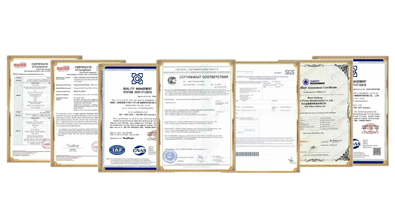
Finding good suppliers means checking their manufacturing skills, quality control systems, and knowledge in the business to make sure the products will be delivered on time and work well. ISO 9001 certification sets the basic standards for a quality system, and ASME certification for pressure piping components shows that they meet industry standards for materials, production, and testing.
Audits of suppliers and inspections of facilities help make sure that manufacturing skills and quality control methods are being followed. Looking at past work, customer references, and the supplier's name in the industry can help you figure out how reliable and quick they are. When you work with qualified suppliers on a long-term basis, you can get better prices, shorter lead times, and expert help for tough tasks.
Documentation and Certification Requirements
Having the right paperwork makes sure that materials can be traced and that they meet industry standards. It also helps quality control and testing programmes work better. The chemical makeup and mechanical qualities of each heat of material are confirmed by mill test papers. Manufacturers' data records show that regulations and standards have been followed and include important details for installation and upkeep tasks.
Third-party inspection certificates from approved agencies are an independent way to make sure that the quality of the product is met and that it meets the standards. Positive material recognition testing proves the grades of materials and helps keep them from getting mixed up, which could damage the integrity of the system. Material certificates, dimensional inspection records, non-destructive testing results, and compliance statements should all be in the right paperwork packages.
Cost Optimisation Strategies
Cost management that works includes looking at the total cost of ownership instead of just the buying price. Higher-quality parts may cost more up front, but they usually last longer and need less upkeep, which makes the extra money spent worth it. Standardising on fewer fitting types and sizes can save you money by letting you buy in bulk and making managing your supplies and servicing easier.
Buying in bulk can save you a lot of money on big jobs while still making sure that the quality and service are always good. But the benefits of the purchase price must be weighed against the costs of goods and storage. Just-in-time delivery plans can help keep project schedules while lowering the cost of supplies.
Installation and Inspection of Butt-Weld Fittings in Refineries
When used in refineries, butt-weld fittings work as intended and last as long as possible as long as they are installed correctly and are inspected regularly. Following standard welding and testing procedures helps keep systems from breaking down too soon and keeps them functioning properly.
Welding Preparation and Procedures
For welding to be successful, the fitting and pipe ends must be properly prepared. This includes cutting, beveling, and cleaning them correctly. Pipe ends need to be cut straight and bevelled according to the welding process. Bevel angles are typically between 30° and 37.5°, depending on welding specifications, and the root face needs to be the right size. Preparing the surface gets rid of mill scale, rust, oil, and other things that could hurt the quality of the weld.
Before welding starts, fit-up steps make sure that the gaps and spacing are correct. Tack welds keep parts in place while they are being welded and maintain a consistent root gap. When welding methods meet the standards of ASME Section IX, they provide written guidelines for good weld quality and mechanical properties.
Quality Control and Inspection Methods
The first step in quality control is visual inspection, which finds clear flaws like cracks, insufficient penetration, and too much reinforcing. Inspectors who are qualified compare the weld appearance to the acceptance criteria set by the relevant codes and standards. Dimensional checks make sure that the system is aligned and that the fittings are installed correctly.
Non-destructive testing methods give you more confidence in the quality of the weld and help find problems inside the metal that you can't see with the naked eye. On X-rays, internal defects like lack of fusion, slag inclusions, and fissures can be seen. Ultrasonic testing is an alternative way to check for similar flaws without radiation safety concerns. Liquid penetrant testing helps find flaws in finished welds that break the surface.
Maintenance and Troubleshooting
Preventive repair plans help stretch the life of fittings and find problems before they become system failures. Areas that are likely to rust, wear away, or get mechanical damage should be the focus of regular checks. Measurements of thickness keep track of the rate of rusting and help figure out how long something will last so that it can be replaced when it's time.
Weld cracking, localized corrosion, and internal erosion are the most common issues encountered in butt-weld joints. These failures are typically rooted in improper material selection, failure to adhere to qualified welding procedure specifications (WPS), or subjecting the system to operational conditions that exceed its original design parameters. Failure analysis helps find the root causes of problems so they don't happen again in future installations.
Conclusion
To make sure that the butt-weld fittings you choose will work safely and reliably in a factory, you need to carefully think about the working conditions, the features of the material, and the quality standards. To make a choice, you have to look at things like pressure ratings, temperature limits, corrosion resistance, and the quality of the manufacturing while weighing the costs of the original purchase against the benefits of long-term operation. For projects to be successful, they need to have qualified suppliers, proper installation practices, and thorough testing programmes that make sure all the parts are working properly and following industry standards.
FAQ
1. What materials work best for refinery butt-weld fittings?
Carbon steel grades like ASTM A234 WPB work very well for basic pipe needs in refineries up to 800°F. Chrome-molybdenum alloys, like A234 WP11, are better at resisting creep when they are used with hydrogen at high temperatures. Grades of stainless steel, like 316L and 321, are needed in places where acids or other toxic substances are present. When choosing a material, you should always think about the process conditions, the temperature needs, and how long the material is supposed to last.
2. How can I verify supplier certifications and quality?
If they are available, ask for ISO 9001 and ASME approvals. Check each material's mill test certificate (MTC) to make sure that its chemical makeup and mechanical qualities meet the requirements. Get inspection records from third parties from reputable organisations. Do supplier checks to make sure they can make things and follow quality control processes. Check the supplier's track record of reliability and performance by calling past customers and evaluating the company’s reputation.
3. What distinguishes butt-weld from socket-weld fittings in refineries?
Butt-weld fittings create full-penetration joints that are as strong as the base pipe. Socket-weld connections, on the other hand, have stress points and cracks that can trap toxic materials. Butt-weld joints are better at resisting fatigue in situations like cyclic loading that are typical in refineries. Butt-weld joints are better than socket-weld joints because they have a smooth interior shape that doesn't stop flow and lowers the chance of erosion.
4. What inspection requirements apply to refinery installations?
Visual inspection by trained people is the bare minimum that all welded parts must meet. Usually, radiographic or ultrasound testing is used for high-pressure or important services. Using liquid penetrant testing on finished welds can help find flaws on the surface. Inspection rules should be in line with pipe codes and project specs. For important services that use flammable or toxic materials, the rules should be stricter.
Partner with RAYOUNG for Premium Butt-Weld Fitting Solutions
RAYOUNG manufactures high-quality butt-weld fittings for demanding industrial applications, and they are specially made for tough industrial jobs. Our wide range of products includes elbows, tees, reducers, and special designs made with ISO 9001:2015 quality systems from carbon steel and stainless steel. Our team's GOST-R and SGS approvals make sure that export rules are followed, and our technical knowledge and reliable supply chain performance help projects all over the world. You can talk about your needs at info@hb-steel.com and find out why top companies choose RAYOUNG as their preferred butt-weld fittings provider.
References
1. American Society of Mechanical Engineers. "ASME B16.9: Factory-Made Wrought Buttwelding Fittings." New York: ASME Press, 2018.
2. American Society of Mechanical Engineers. "ASME B31.3: Process Piping Code." New York: ASME Press, 2020.
3. Harvey, John F. "Theory and Design of Pressure Vessels." New York: Van Nostrand Reinhold, 2019.
4. Mohitpour, Mohammad and Alan Murray. "Pipeline Integrity Management Systems." Calgary: Clarion Technical Publishers, 2017.
5. Nayyar, Mohinder L. "Piping Handbook." New York: McGraw-Hill Professional, 2016.
6. Singh, Kailash N. "Welding Technology and Design of Steel Structures." Delhi: Standard Publishers, 2018.

Need a quote? Want to see samples? Just say hello. We’re friendly. We’re fast. And we’re ready when you are.
Welcome to RAYOUNG – Strong Pipes, Stronger Promise