Manufacturing Process of Class 600 RTJ Flanges
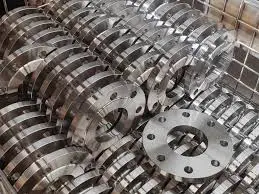
Specialised high-pressure pipe connectors called Class 600 RTJ flanges were made for harsh industrial environments where regular flanges don't work well enough. Precision-machined holes and metallic ring gaskets are used in these ring-type joint flanges to make leak-proof seals that can withstand pressures defined by ASME B16.5 pressure-temperature ratings, typically around 1480 psi at 100°F for carbon steel Class 600 flanges. To make sure they meet ASME B16.5 standards, they are made by carefully choosing the materials, forging, precise machining, and quality testing. This makes them essential for the oil, gas, petrochemical, and power generation industries.
Understanding Class 600 RTJ Flanges: Specifications and Materials
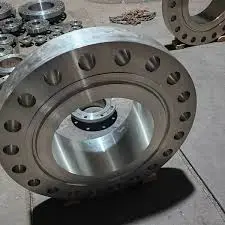
Ring-type joint flanges distinguish themselves through their unique sealing mechanism and robust pressure capabilities. Unlike raised face or flat face flanges, RTJ flanges feature precisely machined annular grooves that accommodate metallic ring gaskets, creating superior sealing performance under extreme conditions.
Design Characteristics and Pressure Ratings
The main principle behind RTJ flanges is the "coining" effect, which happens when bolt stress makes softer metal gaskets compress into harder flange grooves. This method of sealing metal to metal gets rid of the problems that come with elastomeric seals, especially in high-pressure and high-temperature applications where elastomeric seals may fail. Class 600 does not represent 600 psi; it is a pressure rating class defined by ASME B16.5, with allowable pressure depending on material and temperature.
Material Selection and Performance Impact
Choosing the right material for a flange has a significant impact on how well it works and how long it lasts in harsh industrial settings. Most RTJ flanges are made from carbon steel grades, and ASTM A105 is the standard specification for high-temperature service uses. This normalised carbon steel has great mechanical qualities, like a tensile strength of over 70,000 psi and a yield strength of at least 36,000 psi. Other material specifications are available for situations where standard carbon steel isn't enough. For cryogenic applications, ASTM A350 LF2 and LF3 grades work better at low temperatures. For transmission pipeline applications, ASTM A694 grades (F42 through F70) offer higher yield strengths. 316L and 304L types of stainless steel work well in corrosive settings where carbon steel breaks down more quickly.
Certification and Quality Markers
Authentic RTJ flanges bear specific markings indicating material grade, pressure rating, and manufacturing standards compliance. Heat numbers provide traceability to material certifications, while dimensional markings confirm ASME B16.5 compliance. Surface finish requirements demand a surface finish that typically ranges between 125–250 AARH (Ra) on Class 600 RTJ flange groove surfaces to ensure proper gasket seating and sealing effectiveness.
Step-by-Step Manufacturing Process of Class 600 RTJ Flanges
The manufacturing journey transforms raw steel into precision-engineered flanges through carefully controlled processes that ensure structural integrity and dimensional accuracy.
Raw Material Selection and Preparation
The process of making something starts with certified steel billets or bars that meet certain chemical composition standards. Mill test certificates make sure that the amounts of carbon, manganese, and trace elements meet ASTM standards. Ultrasonic testing is part of the material checking process and is used to find internal flaws that could affect how well the flange works under pressure. In the preparation phase, raw materials are cut to the right lengths, taking into account forging allowances and machining stock. Handling materials correctly keeps them from getting dirty or damaged, which could affect later steps in the process.
Forging and Heat Treatment Operations
For the best mechanical qualities, hot forging shapes the basic shape of the flange while also fine-tuning the grain structure of the steel. Forging temperatures are usually between 1950°F and 2150°F, which makes sure that the metal is flexible enough to shape without allowing grains to form. During the forging process, internal holes are filled, and the grain structure is aligned parallel to the flange face. This makes the material more resistant to pressure. The heat treatment technique is different for each material grade and service requirement. Normalisation includes heating to 1650°F and then cooling in air, which improves the structure of the grains and lowers the stress from forging. At 1150°F, stress relief methods get rid of any remaining stresses that might make the dimensions unstable during service.
Precision Machining and Groove Formation
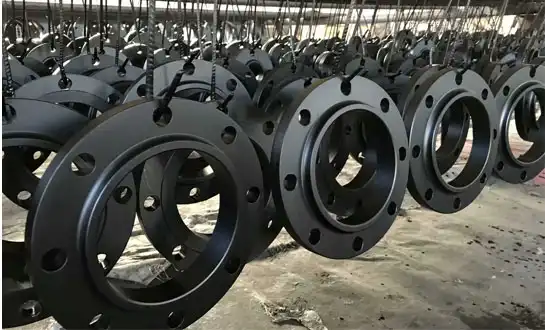
Critical groove formation is done by computer-controlled machining machines that have accuracy levels in the thousandths of an inch. The RTJ groove shape is based on ASME B16.5 standards, and it can be oval or octagonal, depending on the needs of the application. The groove's depth and width must be able to fit the necessary ring gasket while keeping the right compression ratios. To achieve the required surface roughness, special cutting tools and controlled feed rates are needed. Any tool lines or rough spots on the surface can make leak paths, which weaken the metal-to-metal seal.
Final Inspection and Testing Procedures
Comprehensive inspection protocols are strictly implemented to verify the dimensional accuracy, surface finish, and material properties of every Class 600 RTJ flange. Coordinate measuring tools make sure that the general dimensions, bolt hole locations, and bore diameters are all within the ASME tolerances. Hardness testing makes sure that the flange material is harder than the gasket material to ensure proper sealing and coining effect. Hydrostatic testing checks for pressure stability, using test pressures that are usually 1.5 times the rated working pressure. Magnetic particle inspection and other non-destructive testing methods can find cracks or other problems on the surface that can't be seen with the naked eye.
Comparing 600 RTJ Flanges with Other Flange Types for Better Procurement Decisions
Understanding the performance differences between flange types enables procurement professionals to select optimal solutions for specific applications while balancing cost and performance requirements.
Sealing Performance Analysis
RTJ flanges excel in applications demanding zero-leakage performance under extreme conditions. The metallic ring gasket system provides superior resistance to thermal cycling, vibration, and pressure fluctuations compared to elastomeric gasket systems used in raised face flanges. This advantage becomes critical in hydrocarbon service, where even minor leakage presents safety hazards and environmental concerns. Slip-on flanges offer installation convenience and lower initial costs but lack the structural integrity required for high-pressure applications. Their lower hub thickness and reduced weld penetration limit pressure capabilities significantly below RTJ flange ratings.
Cost-Benefit Considerations
While RTJ flanges command premium pricing compared to standard raised face alternatives, their lifecycle value proposition often justifies the initial investment. Reduced maintenance requirements, elimination of gasket replacement intervals, and enhanced safety margins contribute to lower total cost of ownership in demanding applications. The metallic ring gaskets, though more expensive than elastomeric alternatives, provide service life measured in decades rather than years. This longevity reduces operational disruptions and maintenance costs associated with gasket replacement in critical systems.
Application-Specific Performance Advantages
High-temperature applications above 400°F favor RTJ flanges, which perform better in high-temperature and fire-risk environments due to their metal-to-metal sealing design. Unlike elastomeric gaskets that degrade or burn during fire events, metallic ring gaskets maintain sealing integrity, preventing catastrophic leakage during emergencies. Vibration-prone installations benefit from the rigid gasket system that resists displacement under dynamic loading conditions. Pipeline applications subject to thermal expansion and contraction cycles rely on RTJ flanges' ability to maintain seal integrity through repeated stress cycles.
Procurement Insights: How to Buy Class 600 RTJ Flanges with Confidence
Successful procurement strategies balance technical requirements with commercial considerations while ensuring supplier reliability and product authenticity.
Supplier Evaluation Criteria
Quality certifications are the basis for evaluating suppliers. For example, ISO 9001:2015 recognition shows that quality management is done in a planned way. Additional qualifications like API 6A, NACE compliance, and pressure equipment directive (PED) approvals show that the company has the right skills for tough jobs. To evaluate its manufacturing capabilities, it should do things like audits of its facilities, checks of its equipment, and an analysis of its process controls. Suppliers utilizing modern forging equipment, multi-axis CNC machining centers, and automated inspection systems clearly demonstrate their commitment to uncompromising quality and product consistency.
Pricing Structure Understanding
The price of an RTJ flange is based on the cost of materials, the difficulty of production, and the cost of quality control. Most of the time, carbon steel A105 flanges are the least expensive choice. On the other hand, exotic alloys and specialised grades cost a lot more. Understanding these cost drivers helps you make realistic budget plans and choose suppliers based on their value. Volume buying agreements can save you a lot of money and make sure that you have enough supplies for ongoing projects. A lot of suppliers have tiered pricing systems that give better unit costs and faster scheduling to customers who make bigger purchases.
Lead Time and Custom Manufacturing Considerations
Standard RTJ flanges in common sizes typically require several weeks of delivery depending on inventory, material availability, and manufacturing capacity. Custom specifications, non-standard materials, or special testing requirements may cause lead times to rise to 8–12 weeks, depending on how complicated the manufacturing process is. For urgent needs, there are emergency procurement choices, but they come with higher prices and faster processing fees. Having ties with more than one supplier gives you options when you need them quickly and lets you keep your prices low by distributing your products regularly.
Best Practices and Future Trends in 600 RTJ Flange Manufacturing and Procurement
New technologies and efforts to be more environmentally friendly are constantly changing how flanges are made and bought, which can lead to better performance and less damage to the environment.
Advanced Manufacturing Technologies
Computer-controlled forging tools make it possible to precisely control the flow of material and maintain consistent dimensions that were not possible with older methods. These systems cut down on waste while improving mechanical properties by adjusting grain flow patterns. Additive manufacturing technologies show promise for prototype development and small-batch specialty flanges, but traditional forging methods are still the most common way to make things because they are cheaper and better in terms of properties.
Sustainability and Environmental Considerations
As environmental rules get stricter across all industries, steel recycling programs for Class 600 RTJ flanges have a bigger impact on buying choices. Suppliers with measurable recycling rates and carbon footprint reduction programs are in line with companies' sustainability goals while still meeting product quality standards. Making flanges using energy-efficient methods and renewable energy sources lowers the damage they do to the environment. As energy prices rise around the world, these improvements often lead to long-term cost savings.
Digital Supply Chain Integration
Modern inventory management systems let you see in real time how much stock each provider has, when products are being made, and how deliveries are progressing. Better demand forecasting on these platforms makes it possible to plan purchases ahead of time and cuts down on the need for last-minute sourcing. Digital certification management makes sure that mill test certificates, quality paperwork, and traceability records are real all along the supply chain. Adding blockchain technology to important documents will make them safer and more open.
Conclusion
For Class 600 RTJ flanges to work reliably in high-pressure industrial settings, the process of making them requires precise engineering and strict quality control. Picking the right material and trying it one last time are all steps that go into making RTJ flanges better at sealing and keeping their shape than other options. When procurement professionals understand how complicated manufacturing is, they can make choices that balance performance needs with cost concerns. These flanges are essential for important applications where failure is not an option because they have a metallic ring gasket sealing mechanism, precision-machined grooves, and high-pressure ratings.
FAQ
1. What certifications should I look for when purchasing RTJ flanges?
Essential certifications include ASME B16.5 dimensional compliance, material certifications (ASTM A105 for carbon steel), and ISO 9001:2015 quality management. Additional certifications like API 6A, NACE compliance, and PED approvals may be required for specific applications.
2. How do I determine the correct ring gasket type for my application?
Ring gasket selection depends on pressure rating, temperature conditions, and media compatibility. Oval gaskets suit most standard applications, while octagonal gaskets provide higher pressure capabilities. Consult with suppliers regarding material compatibility for specific process fluids.
3. What is the typical delivery time for custom RTJ flanges?
Standard RTJ flanges typically require several weeks for delivery, while custom specifications may extend to 8-12 weeks. Factors affecting delivery include material availability, special testing requirements, and current manufacturing capacity at the supplier facility.
Partner with RAYOUNG for Premium Class 600 RTJ Flanges
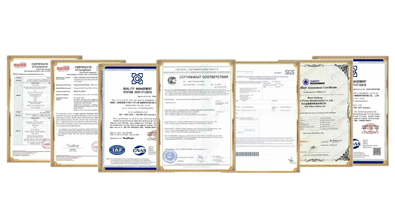
As a trusted manufacturer of premium industrial pipe fittings, RAYOUNG delivers certified Class 600 RTJ flanges engineered to meet the most demanding project requirements. Our comprehensive manufacturing capabilities encompass the complete range of buttweld steel elbows, reducers, and flanges, ensuring secure connection points for your critical infrastructure projects. With GOST-R and SGS certifications validating our export compliance and quality standards, we serve as a dependable carbon steel pipe supplier for both domestic and international markets. Our ISO 9001:2015 certified facilities produce RTJ flanges that exceed ASME B16.5 specifications while maintaining competitive pricing for volume orders. Contact info@hb-steel.com today to discuss your specific requirements and receive detailed quotations for your next project.
References
-
American Society of Mechanical Engineers. (2020). ASME B16.5: Pipe Flanges and Flanged Fittings: NPS 1/2 through NPS 24 Metric/Inch Standard. New York: ASME Press.
-
ASTM International. (2021). ASTM A105/A105M: Standard Specification for Carbon Steel Forgings for Piping Applications. West Conshohocken, PA: ASTM.
-
American Society of Mechanical Engineers. (2019). ASME PCC-1: Guidelines for Pressure Boundary Bolted Flange Joint Assembly. New York: ASME Press.
-
American Petroleum Institute. (2018). API Specification 6A: Specification for Wellhead and Christmas Tree Equipment (21st ed.). Washington, D.C.: API Publishing Services.
-
Czernik, D. E. (2020). Gasket: Design, Selection, and Testing. New York: McGraw-Hill Education.

Need a quote? Want to see samples? Just say hello. We’re friendly. We’re fast. And we’re ready when you are.
Welcome to RAYOUNG – Strong Pipes, Stronger Promise