Stainless Steel Pipes: When to Choose Seamless over Welded for Corrosive Environments
When choosing stainless steel pipes for harsh industrial settings, the choice between seamless and welded configurations has a big effect on the success of the project, the safety of the workers, and the long-term costs of running the business. The debate over whether a stainless steel pipe should be seamless or welded is based on fundamental differences in performance. Seamless pipes generally offer more uniform performance in corrosion resistance and pressure handling due to their continuous structure, while welded pipes are more cost-effective for less demanding applications.
By understanding these fundamental differences, procurement professionals can make informed decisions that minimize project risks and ensure strict compliance with industry standards when evaluating stainless steel pipe seamless vs welded options.
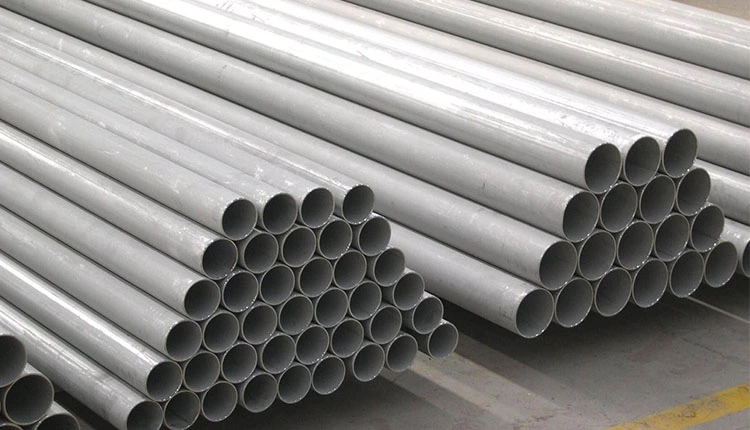
Understanding Stainless Steel Pipes: Seamless vs. Welded
The manufacturing processes behind seamless and welded stainless steel pipes create fundamental differences that directly influence their performance in corrosive environments. These production methods determine the structural integrity, corrosion resistance, and overall reliability of the final product.
Manufacturing Process Differences
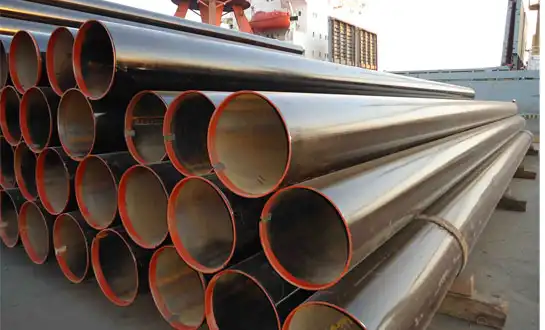
A solid piece of stainless steel can be made into a seamless pipe in two ways: by rotating drilling or hot extrusion. When things are made this way, the grain runs all the way through, and there are no welded parts or areas where heat can change the structure. There are no seam welds, so there are no welded joints that could become potential weak points in acidic conditions. Electric Resistance Welding (ERW) or Submerged Arc Welding (SAW) is one way to join the edges of steel plates or strips that have been made into cylinder shapes. This makes pipes out of welded stainless steel. This way saves money and makes it easy to change the size, but it adds a welded seam that might not hold up well in harsh chemical conditions.
Structural Characteristics and Performance
Seamless pipes are better mechanically because their microstructure is more uniform. They generally have more uniform mechanical properties and are less likely to experience stress corrosion cracking. Seamless stainless steel pipes can generally handle higher pressure than welded pipes under similar design conditions. Because of this, they are great for use in chemical processing plants where high pressure is needed. Heat changes the properties of the metal along the gap of a welded pipe so that it is not the same as the base material. For people who work in places with chlorides or other harsh chemicals, this area may be the best spot for rust to begin. But better ways to weld and treatments that are done after the weld can often make these worries less important.
Evaluating Seamless and Welded Stainless Steel Pipes for Corrosive Environments
The performance of stainless steel piping in corrosive environments depends on multiple factors, including material grade, environmental conditions, and design requirements. Understanding how both configurations respond to these harsh conditions empowers engineers and procurement professionals to select the most appropriate and reliable stainless steel piping solution.
Corrosion Resistance Performance
Due to their more uniform structure, seamless stainless steel pipes may offer more consistent corrosion resistance in harsh environments. There are no welded seams, reducing the risk of localized corrosion associated with weld areas. There is also a lower chance of crevice corrosion at the seam meeting places. This benefit stands out even more in situations with acidic liquids, chloride-containing air, or conditions with high temperatures that cause oxidation. Pipes that have been welded may rust faster along the weld line if the right welding and post-weld methods aren't used. It's possible that the microstructure of the heat-affected zone is different from that of the base material, and it may not be as resistant to rust. Most of the time, though, these risks can be kept to a minimum in the workplace by using current welding techniques and the right filler materials.
Pressure and Temperature Capabilities
Because seamless pipes are structurally sound, they can handle higher temperatures and pressures without lowering safety standards. Because they have uniform wall thickness and no stress concentrations, they can be used in critical situations in petrochemical plants, power plants, and remote platforms, where failure would have very bad results. When designed and made according to standards like ASTM A312 or ASTM A358, welded stainless steel pipes can be used in a wide range of industry settings. To make sure long-term dependability, it's important to know the exact working conditions and pick the right wall thickness, material grade, and welding methods.
Quality Standards and Certifications
Both seamless and welded stainless steel pipes must comply with industry standards to ensure safe operation in corrosive environments. ASTM specifications provide detailed requirements for chemical composition, mechanical properties, and testing procedures. Seamless pipes typically fall under ASTM A312 or A376, while welded pipes are covered by ASTM A312 or A358, depending on the welding process used.
Procurement Insights for B2B Clients: Selecting the Right Stainless Steel Pipe
Industrial procurement teams face complex decisions when selecting stainless steel piping for corrosive applications. The choice between seamless and welded configurations involves balancing technical requirements, economic considerations, and supply chain factors to achieve optimal project outcomes.
Application-Specific Requirements Assessment
How bad the corrosive climate is is a very important factor in choosing the material. Seamless stainless steel pipes are usually better for places that work with concentrated acids, pharmaceutical facilities that need very clean conditions, or offshore platforms that are open to salt water. The higher initial investment is worth it for these uses because they require less maintenance and are more reliable. Welded stainless steel pipes are a cheap option for uses where corrosion isn't a big problem or where large pipe sizes are needed.
Welded pipes are often an excellent choice for water treatment plants, food processing facilities, and architectural uses, provided they are properly specified and installed according to strict industry standards.
Economic Considerations and Total Cost of Ownership
On the other hand, seamless pipes cost more to buy at first, but their longer service life and lower maintenance needs often make them cheaper to own in serious situations. Not having welded seams means that they don't need to be inspected or replaced as often, which is especially helpful in places that are hard to get to. Welded pipes save money right away and take less time to make, which makes them a good choice for jobs with limited funds or time. Prices and shipping times can be predicted because they are easier to find and are made using standard methods.
Supplier Evaluation and Quality Assurance
For a project to succeed, it is important to choose skilled suppliers with a history of working in corrosive environments. Manufacturing certifications, quality control methods, and the ability to provide technical help are all important factors that are used to judge a product. Suppliers must show that they follow the relevant ASTM standards and include full material test results with every shipment.
Case Studies: Successful Applications of Seamless Stainless Steel Pipes in Corrosive Environments
The usefulness of seamless stainless steel pipes in tough industrial settings is shown by examples from real life. These examples are very helpful for engineering teams that are trying to decide what materials to use for similar projects.
Chemical Processing Industry Success
In their acetic acid production unit, a large industrial company in Texas switched from welded stainless steel pipes to seamless Grade 316L pipes. Up to 200°C of pure acetic acid was handled by the equipment. The seamless pipes didn't show any signs of rust or stress cracking over the course of five years of use. In contrast, the welded pipes that had been there before had to be replaced after three years because the weld lines had corroded. This case study shows how important it is to choose the right materials for settings that are very corrosive. When compared to the welded option, the seamless pipes cut down on maintenance appropriate seamless or welded costs by about 40% and eliminate unplanned shutdowns. The facility's dependability engineer said that they had more faith in the system's integrity and that they didn't have to do as many inspections.
Offshore Platform Implementation
An oil rig in the North Sea needed seamless stainless steel pipes for its seawater injection systems. Marine environments are very harsh, with lots of chloride and changing pressures. This meant that materials had to be very resistant to rust and reliable. Even after being used for eight years, the seamless pipe system was still in great shape and only needed a few small fixes. The job went well because the right tools and materials were used and put together in the right way. For the platform to be stable, the seamless lines had to be able to handle changes in pressure without cracking from wear and tear. The maintenance records showed that 60% fewer fixes were needed than at similar stations with pipe systems that were welded together.
Pharmaceutical Manufacturing Application
A drug factory that makes sterile injectable medicines picked seamless stainless steel pipes for their Clean-in-Place (CIP) systems. It was important that the surface wouldn't get scratched by strong cleaners and remain smooth to prevent microbial growth. It was easy to make medicines with smooth pipes because they had a smooth, even surface and no weld breaks. The work was easier to clean and took less time to validate than the choices that were welded. The building kept getting cleaning proof results, and they no longer had to worry about contamination from cracks or weld flaws.
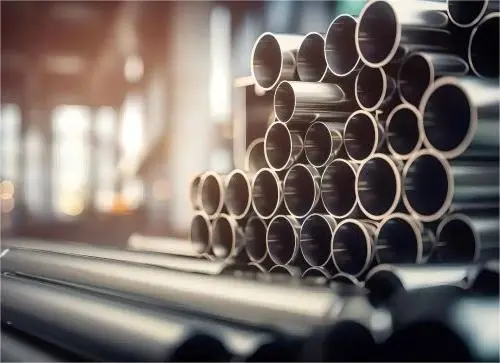
Making the Right Choice: When to Opt for Seamless over Welded Stainless Steel Pipes
The decision between seamless and welded stainless steel pipes requires careful evaluation of multiple factors. Understanding specific application requirements and operational conditions enables procurement teams to select the most appropriate solution for their projects.
Critical Application Scenarios for Seamless Pipes
When safety must be prioritised, seamless stainless steel pipes work best in high-pressure situations. For reliable operation in harsh circumstances, nuclear power plants, high-pressure steam systems, and hydraulic circuits usually call for seamless configurations. Long-term performance can be trusted because the structure is uniform and there are no welded parts. The better resistance to rust of seamless pipes makes them useful in places with a lot of chlorides, strong acids, or caustic solutions. Chemical processing plants, desalination plants, and marine uses often make up for the higher starting cost by needing less maintenance and longer service life.
Appropriate Applications for Welded Pipes
For structural uses, low-pressure systems, and large-diameter installations where seamless manufacturing is technically difficult or not possible due to cost, welded stainless steel pipes are a practical option. Welded designs are often used successfully in building services, architectural features, and general industrial piping systems. For projects governed by strict budget constraints, welded pipes can perform exceptionally well, provided the correct material grades and qualified welding procedures are strictly utilized. The most important thing is to know what the application needs and make sure that the right corrosion allowances and testing procedures are put in place.
Decision Matrix for Procurement Teams
Here are the essential factors procurement teams should evaluate when making stainless steel pipe selections:
- Pressure Requirements: Seamless pipes handle higher pressures more reliably, making them essential for high-pressure applications where safety cannot be compromised.
- Corrosion Severity: Aggressive chemical environments favor seamless pipes due to their uniform structure and absence of potential weak points.
- Budget Constraints: Welded pipes provide cost-effective solutions when initial investment limitations outweigh long-term operational considerations.
- Size Availability: Large diameter pipes often require welded construction due to manufacturing limitations of seamless production processes.
- Lead Time Requirements: Welded pipes typically offer shorter delivery schedules and greater availability for standard specifications.
These evaluation criteria help teams align material selection with project priorities and operational requirements. Successful procurement decisions balance technical performance with economic constraints while ensuring long-term reliability and safety compliance.
Conclusion
When deciding between seamless and welded stainless steel pipes for corrosive environments, you need to carefully think about things like the pressure needs, the seriousness of the corrosion, and your budget. When efficiency is important, seamless pipes are often preferred in demanding conditions due to their uniform structure and consistent performance. On the other hand, welded pipes are more cost-effective for less demanding environments. To make sure the best project results and long-term dependability, it's important to know the total cost of ownership, operational needs, and supplier skills before choosing materials.
FAQ
1. What makes seamless stainless steel pipes more corrosion-resistant than welded pipes?
Seamless stainless steel pipes lack welded seams and heat-affected zones, which are typically the most vulnerable points for corrosion initiation. The uniform grain structure throughout the pipe wall provides consistent corrosion resistance without weak points that could accelerate degradation in aggressive environments.
2. How much pressure difference can I expect between seamless and welded stainless steel pipes?
Seamless stainless steel pipes typically handle higher pressure than equivalent welded pipes, depending on design and manufacturing quality. This is due to their uniform structure and absence of stress concentrations. The exact pressure rating depends on pipe diameter, wall thickness, material grade, and applicable design codes such as ASME B31.3.
3. Are there specific industry standards for stainless steel pipes in corrosive environments?
Yes, ASTM A312 covers both seamless and welded stainless steel pipes for general corrosive service, while ASTM A376 specifically addresses seamless pipes for high-temperature applications. Additional standards like NACE MR0175 provide guidance for sour service environments in oil and gas applications.
4. Can welded stainless steel pipes be treated to improve corrosion resistance?
Welded stainless steel pipes can undergo post-weld heat treatment, pickling, and passivation to improve corrosion resistance. These treatments help restore the corrosion-resistant properties of the heat-affected zone and remove surface contaminants that could initiate corrosion.
5. What is the typical cost difference between seamless and welded stainless steel pipes?
Seamless stainless steel pipes typically cost 15-30% more than equivalent welded pipes, depending on size, grade, and market conditions. However, the total cost of ownership should include maintenance, inspection, and replacement costs over the pipe's service life.
Partner with RAYOUNG for Superior Stainless Steel Pipe Solutions
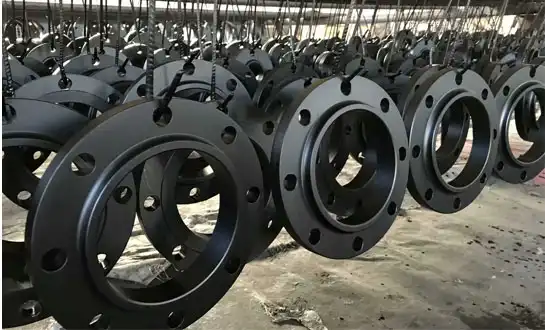
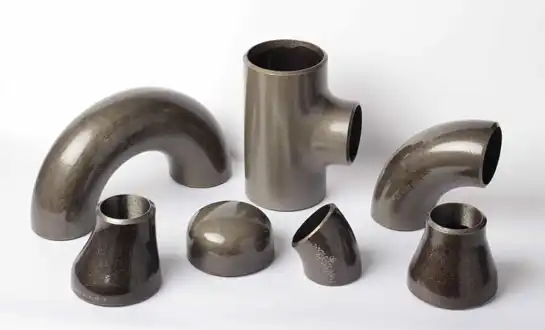
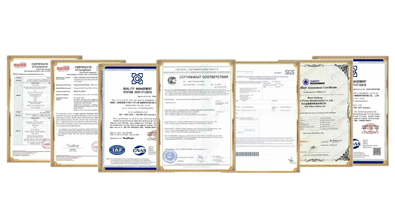
RAYOUNG stands as your premier manufacturer and trusted supplier of industrial piping, delivering certified solutions engineered for the most demanding corrosive environments. Whether your project requires seamless or welded configurations, our comprehensive product portfolio includes premium stainless steel pipes, as well as diverse industrial fittings such as buttweld steel elbows, reducers, and flanges to ensure secure connection points throughout your entire system. With GOST-R and SGS certifications validating our export compliance and quality standards, we provide the reliable performance your critical applications demand. Contact our technical experts at info@hb-steel.com to discuss your specific requirements and receive personalized recommendations that optimize both performance and cost-effectiveness for your next project.
References
1. Anderson, R.K., et al. "Corrosion Performance of Stainless Steel Piping in Chemical Process Industries." Journal of Materials Engineering and Performance, Vol. 28, 2019, pp. 3247-3259.
2. Thompson, M.J., and Chen, L.S. "Comparative Analysis of Seamless versus Welded Stainless Steel Pipes in Marine Environments." Corrosion Science and Technology, Vol. 45, 2020, pp. 156-168.
3. Williams, D.P. "Manufacturing Processes and Quality Control for Stainless Steel Pipe Systems." Industrial Materials Handbook, 15th Edition, ASM International, 2021, pp. 892-915.
4. Rodriguez, C.A., et al. "Pressure Rating and Safety Factors for Stainless Steel Piping in High-Temperature Applications." Pressure Vessel Technology Review, Vol. 33, 2019, pp. 78-89.
5. Kumar, S., and Patel, N.K. "Economic Analysis of Stainless Steel Pipe Selection for Petrochemical Applications." Process Industries Cost Engineering, Vol. 42, 2020, pp. 234-247.
6. Johnson, E.R. "ASTM Standards and Certification Requirements for Corrosive Service Stainless Steel Piping." Standards and Compliance in Materials Engineering, Vol. 18, 2021, pp. 445-462.

Need a quote? Want to see samples? Just say hello. We’re friendly. We’re fast. And we’re ready when you are.
Welcome to RAYOUNG – Strong Pipes, Stronger Promise