API 5L Grade B Pipe Specification: Why It Is the Standard for Oil & Gas Lines
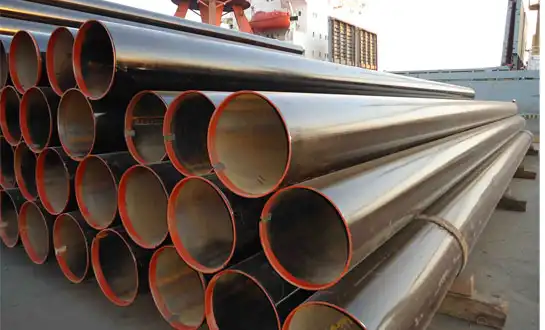
API 5L Grade B pipe is a widely used standard for oil and gas pipeline infrastructure. It offers a balanced combination of strength and cost-effectiveness, which is why it is commonly used across the world's energy sectors. This specification for carbon steel pipes has a minimum yield strength of 245 MPa and a tensile strength of 415 MPa. It meets the needs of procurement managers and engineers for important transportation applications that require high reliability. Understanding why this grade has become the industry standard helps professionals make decisions that lower project risks and ensure long-term operating success.
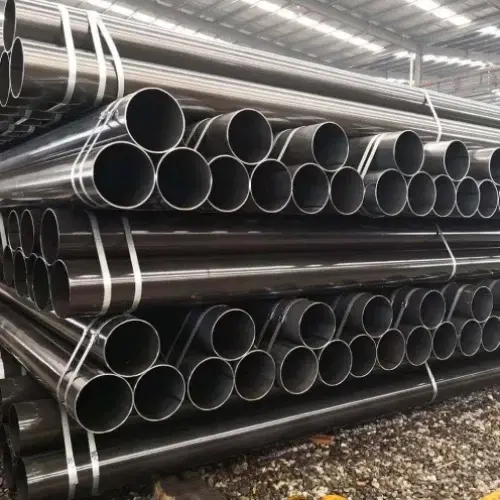
Understanding API 5L Grade B Pipe Specifications
The American Petroleum Institute (API) 5L specification establishes comprehensive standards for line pipes used in oil and gas transmission systems. This specification framework encompasses various grades, with Grade B (also designated as L245) serving as the foundational standard that balances performance requirements with economic considerations.
Chemical Composition and Mechanical Properties
Grade B pipes are mostly made of carbon steel with some carefully controlled alloying elements. The carbon content is usually between 0.16% and 0.24%, and the manganese content can go up to 1.20%, which gives the metal the strength and weldability it needs. The maximum allowable phosphorus and sulphur content in Grade B pipes is typically 0.025%. This keeps the material strong and stops it from breaking easily. These chemical requirements have a direct effect on the pipes' mechanical properties, making them ideal for tough jobs. The minimum yield strength of 245 MPa (35,500 psi) keeps the pipe from deforming under working pressures. The minimum tensile strength of 415 MPa (60,200 psi) ensures the pipe can handle installation stresses and pressure surges without breaking.
Manufacturing Processes and Quality Control
There are both seamless and welded production methods for Grade B pipes that are used today. Seamless pipes go through hot working processes that pierce and grow solid billets to make pipe walls that are continuous and don't have any joints. This way of making things gives better pressure ratings and a more uniform structure, which makes seamless versions perfect for high-pressure uses. Electric Resistance Welding (ERW), Longitudinal Submerged Arc Welding (LSAW), and Spiral Submerged Arc Welding (SSAW) are some of the technologies used to make welded pipes. Each welding method has its own benefits when it comes to the width ranges it can handle, the wall thicknesses it can create, and how quickly it can be done. When it comes to consistency and efficiency in smaller diameters, ERW pipes are often preferred. On the other hand, LSAW and SSAW techniques make it possible to make big-diameter pipes that are needed for trunk lines.
Service Level Classifications
Two Product Specification Levels (PSL) are set by the API 5L standard. These levels determine the API 5L Grade B pipe testing needs and quality assurance procedures. PPSL1 quality requirements are suitable for most pipeline applications, while PSL2 includes stricter chemical composition limits, better mechanical testing, and more non-destructive examination requirements. The PSL2 classification is especially important for projects with sour service conditions, extreme temperatures, or critical infrastructure where failure would have very bad results. Charpy V-notch impact testing, extra tensile testing, and stricter dimensional tolerances are some of the new testing procedures that make sure the same level of performance in all kinds of operating conditions.
Why API 5L Grade B Pipe is the Industry Standard for Oil & Gas Lines
The widespread adoption of Grade B pipes across oil and gas infrastructure reflects their optimal balance of performance characteristics and economic viability. This section examines the fundamental advantages that have established Grade B as the preferred specification for pipeline projects worldwide.
Corrosion Resistance and Durability
When properly coated and kept, carbon steel Grade B pipes are very resistant to corrosion inside. There is a natural resistance to general corrosion in the material, and it can be used with different protective coating systems, such as Fusion Bonded Epoxy (FBE), Three Layer Polyethylene (3LPE), and liquid epoxy coatings. Usually, cathodic protection systems are combined with protective coatings to provide complete corrosion management strategies that make pipelines last longer than 50 years. The steel's makeup makes it possible for current to flow smoothly through cathodic protection systems, protecting large networks of pipelines in the same way.
International Standards Compliance
Standards around the world, like ASTM A53, ASTM A106, and different EN standards, are met by Grade B pipes. Meeting a lot of different standards makes it easy to buy things around the world and ensures the product works with many different building codes and government rules. In project specs, different standards are often listed at the same time. Grade B pipes always meet all of these needs. Certification groups like DNV GL, Lloyd's Registry, and Bureau Veritas vouch for Grade B pipes that meet these standards. This makes choices about what to buy more reliable. With the help of third-party tests, these certificates show that the manufacturing process, the materials, and the measurements are all of high quality.
Operational Performance in Real-World Applications
Grade B pipe standards are used in many large pipeline projects in North America, such as the Colonial Pipeline system and many networks that move natural gas between states. These installations have been used for many years and have proven to be reliable in a wide range of working conditions, pressure cycles, and environmental conditions. The history of use shows that Grade B pipes keep their structural integrity through standard pipeline operations, such as changes in ground movement, temperature changes, and changes in pressure. Grade B systems have demonstrated high reliability in long-term operations when properly designed, installed, and maintained, according to industry experience. This specification is widely trusted in the industry.
Comparison and Decision-Making: API 5L Grade B vs Other Pipe Grades and Types
Selecting appropriate pipe specifications requires careful evaluation of technical requirements, economic considerations, and operational parameters. This comparative analysis equips procurement professionals with the vital technical information necessary to make informed material selection decisions when sourcing API 5L Grade B pipes.
Grade B versus Higher Strength Alternatives
The yield strengths of API 5L X42 and X52 grades are higher, at 290 MPa and 358 MPa, respectively. This means that they can handle higher working pressures or thinner wall sections for the same pressure ratings. Higher strength grades, on the other hand, usually cost 15–25% more than Grade B specifications and need stricter welding and heat treatment controls. Choosing between Grade B and higher-strength options often comes down to economic optimization considerations. When projects need mild pressure, Grade B pipes with thicker walls often end up being cheaper to install than higher-grade pipes with thinner walls.
Seamless versus Welded Construction
Seamless Grade B pipes can handle more pressure and have a more consistent structure, but they usually cost 20 to 40 percent more than welded pipes that meet the same standards. Because of the limitations of the manufacturing process, seamless pipe is only available in smaller diameters, usually less than 16 inches. For larger pipeline systems, welded construction is necessary. The choice of ERW, LSAW, or SSAW welded pipe depends on the diameter requirements and quality specifications. ERW pipes work best with diameters up to 24 inches and have great dimensional consistency. LSAW pipes, on the other hand, can handle bigger diameters and have better weld quality. When made with SSAW, the diameters can be very big, but they may need more testing for important uses.
Application-Specific Considerations
Most oil transportation systems work at moderate pressures, which is where Grade B standards give enough strength margins while keeping costs low. For natural gas transmission, pressure optimisation calculations are often needed to see whether Grade B pipes with thicker walls or higher strength grades with thinner walls are more cost-effective. Grade B pipes are often used for water transportation because they don't rust and last a long time when properly protected. Because water systems do not require high pressure, Grade B is a cost-effective option that meets performance needs without going overboard.
Procurement Guide: Buying API 5L Grade B Pipe for Global B2B Clients
Successful procurement of Grade B pipes requires understanding market dynamics, supplier capabilities, and quality assurance protocols. This section provides practical guidance for procurement professionals managing complex sourcing requirements.
Supplier Qualification and Documentation
Suppliers who are qualified keep their certifications up to date from well-known groups like API, ISO 9001, and state standards organisations. As part of the paperwork needed, each pipe lot must have a Mill Test Certificate (MTC) that shows the results of chemical tests, mechanical tests, and measurement checks. Third-party inspection certificates from separate organisations give extra quality assurance. The manufacturing skills of the supplier should match the needs of the project in terms of size ranges, wall thicknesses, and production volumes. Depending on the size, lead times can be very different. Standard sizes are usually ready in 4 to 6 weeks, while non-standard sizes may take 10 to 12 weeks to make.
Order Quantities and Logistics Planning
Minimum order quantities typically range from 20 to 50 tons, depending on pipe sizes and supplier policies. Economic shipping considerations often favor full container loads or truck loads, influencing order sizing decisions. International shipments require careful coordination of export documentation, shipping schedules, API 5L Grade B pipe, and receiving logistics. Container loading optimization becomes particularly important for cost management in international procurement. Standard 40-foot containers accommodate specific pipe lengths and quantities that influence both shipping costs and material waste considerations. Coordination with logistics providers early in the procurement process ensures optimal shipping arrangements.
Price Negotiation Strategies
Market prices for Grade B pipes fluctuate based on steel commodity costs, production capacity utilization, and regional demand patterns. Long-term supply agreements often provide price stability advantages while maintaining flexibility for volume adjustments. Volume commitments typically enable price reductions of 5-15% compared to spot market procurement. Payment terms significantly influence total procurement costs, with suppliers often providing discounts for accelerated payment schedules. Letter of credit arrangements provide security for both parties while enabling competitive pricing for international transactions. Early supplier engagement allows negotiation of favorable terms before project schedules become critical.
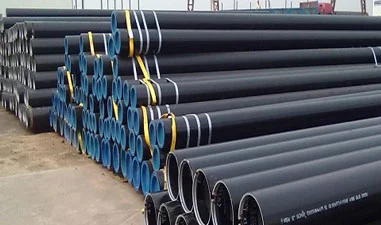
Trusted Suppliers and Brand Certifications of API 5L Grade B Pipes
Establishing relationships with qualified suppliers ensures consistent quality, reliable delivery, and competitive pricing throughout project lifecycles. This section examines supplier selection criteria and certification requirements that support successful procurement outcomes.
Global Supplier Landscape
Some of the best companies that make Grade B pipes are well-known in North America, Europe, and Asia, and they have a history of success with big pipeline projects. These companies usually have more than one production facility, which lets them serve different areas and make logistics more efficient. Established suppliers often offer technical support throughout the development of a project, sharing their knowledge on how to improve specifications and how to engineer applications. Regional suppliers can save time and money on shipping costs while still meeting quality standards through international certification programs. The important thing is to make sure that regional suppliers have the same quality control methods and testing tools as bigger international manufacturers.
Quality Certification Requirements
ISO 9001:2015 certification checks the basic quality management system, and API Q1 certification checks the quality standards for the oil and gas business. Extra approvals and certifications, like the Pressure Equipment Directive (PED) for European markets and different national approvals, show that the product meets the rules in that region. Audits of the manufacturing facility by customers or outside groups make sure that the quality systems really do work. These comprehensive audits examine manufacturing procedures, equipment calibration, and QA/QC protocols to ensure that the quality of the final pipe products remains consistently high across all production batches. Keeping records of these checks builds trust in the supplier's skills and makes it easier to build long-term relationships.
RAYOUNG's Commitment to Quality Excellence
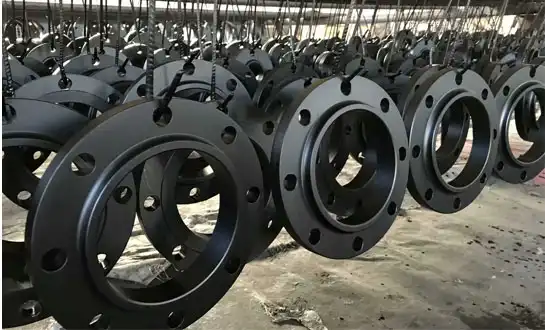
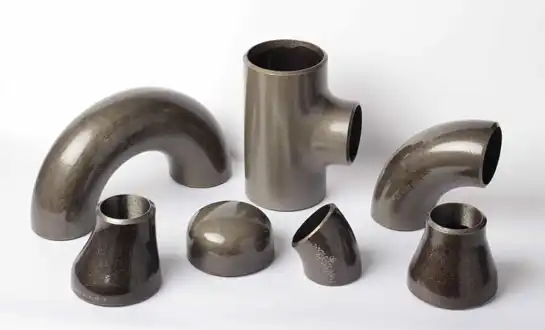
As a reliable provider of carbon steel pipes, RAYOUNG keeps a number of licenses, such as GOST-R and SGS validation for export compliance. We can make a wide range of industrial pipe fittings, such as buttweld steel bends, steel reducers, and flanges, that make sure that pipeline systems have safe places to connect. We are dedicated to quality that goes beyond basic requirements and includes coming up with new ways to meet the needs of complex applications. Our quality management system is based on ISO 9001:2015 standards, which ensures consistent processes that deliver performance, safety, and long-term durability in residential, commercial, and industrial settings. The wide range of products serves important flow systems with precise engineering that meets the strict needs of modern pipeline infrastructure.
Conclusion
Specifications for API 5L Grade B pipes have been the norm for many years because they work well in oil and gas applications around the world. Grade B is the best choice for projects that want long-term dependability and low costs because it has the right amount of strength, resistance to rust, and cost-effectiveness. If procurement professionals know about the technical needs, manufacturing options, and criteria for qualifying suppliers, they can make sure that projects are finished smoothly. The items are certified and meet foreign standards, so you can be sure they will work well. The prices are also very low, which helps the project's costs in a lot of ways.
FAQ
1. What distinguishes API 5L Grade B from Grade A specifications?
Grade B offers higher strength properties with a minimum yield strength of 245 MPa compared to Grade A's 210 MPa requirement. Grade B also provides enhanced weldability characteristics and broader size availability, making it more suitable for demanding pipeline applications where structural performance and installation flexibility are priorities.
2. Can Grade B pipes handle high-pressure pipeline applications?
Grade B pipes accommodate moderate to high-pressure applications, depending on wall thickness selection and operating conditions. Pressure ratings vary based on pipe diameter, wall thickness, and safety factors, with typical applications ranging from 600 to 1500 psi operating pressures. Higher pressure requirements may necessitate increased wall thickness or consideration of higher strength grade alternatives.
3. What are typical delivery timelines for bulk Grade B pipe orders?
Standard-size Grade B pipes typically ship within 4-6 weeks from order confirmation, while non-standard specifications require 8-12 weeks for manufacturing. Large volume orders or unique dimensional requirements may extend lead times to 12-16 weeks. International shipping adds 2-4 weeks, depending on destination and logistics arrangements.
4. How do PSL1 and PSL2 service levels affect procurement decisions?
PSL1 provides standard quality requirements suitable for general applications with basic testing protocols and chemical composition limits. PSL2 incorporates stricter requirements, including enhanced testing, tighter chemical composition control, and additional quality assurance measures. PSL2 typically costs 10-20% more but provides superior reliability for critical applications or challenging operating conditions.
Partner with RAYOUNG for Premium API 5L Grade B Pipe Solutions
RAYOUNG stands ready to support your pipeline projects with certified API 5L Grade B pipe solutions that meet demanding quality and delivery requirements. Our comprehensive manufacturing capabilities, API 5L Grade B pipe, and proven track record as a reliable api 5l Grade B pipe supplier ensure your project success through competitive pricing, technical expertise, and responsive customer service. Contact our engineering team at info@hb-steel.com to discuss your specific requirements and receive detailed quotations tailored to your project parameters.
References
1. American Petroleum Institute. "API Specification 5L: Specification for Line Pipe," 46th Edition, 2018.
2. ASTM International. "Standard Specification for Pipeline Transportation Systems for Liquid Hydrocarbons and Other Liquids," ASTM D4175-19, 2019.
3. Pipeline and Hazardous Materials Safety Administration. "Gas Transmission and Gathering Pipeline Safety Standards," Federal Register, 2020.
4. International Association of Oil & Gas Producers. "Pipeline Transportation of Carbon Dioxide: Safety and Environmental Guidelines," Report 571, 2019.
5. National Association of Corrosion Engineers. "Standard Practice for External Corrosion Direct Assessment of Underground Pipeline Systems," NACE SP0502-2018, 2018.
6. Det Norske Veritas. "Submarine Pipeline Systems: Offshore Standard," DNV-OS-F101, October 2017.

Need a quote? Want to see samples? Just say hello. We’re friendly. We’re fast. And we’re ready when you are.
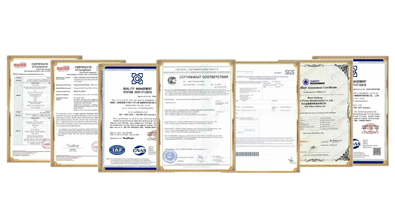
Welcome to RAYOUNG – Strong Pipes, Stronger Promise