Schedule 40 Steel Pipe: Dimensions, Wall Thickness, and Pressure Ratings
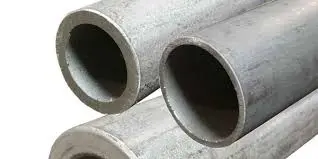
Schedule 40 steel pipe is the standard for carbon steel piping systems. Schedule 40 steel pipe can handle high pressure in water, oil, and gas use. Professionals in procurement need to know about the pressure ratings for schedule 40 steel pipes because these pipes can handle a wide range of working pressures depending on pipe diameter, material grade, and operating conditions. The pressure capacity goes down as the pipe diameter goes up. This means that smaller sizes can handle much higher pressures than larger ones. This means that proper specification is very important for the success of the project.
Understanding Schedule 40 Steel Pipe Dimensions and Wall Thickness
Schedule 40 steel pipe follows standardized nominal pipe sizes (NPS) that facilitate global procurement and ensure compatibility across diverse industrial applications. The relationship between outside diameter, wall thickness, and internal flow capacity determines both structural integrity and hydraulic performance.
Standard Dimensional Parameters and NPS Classification
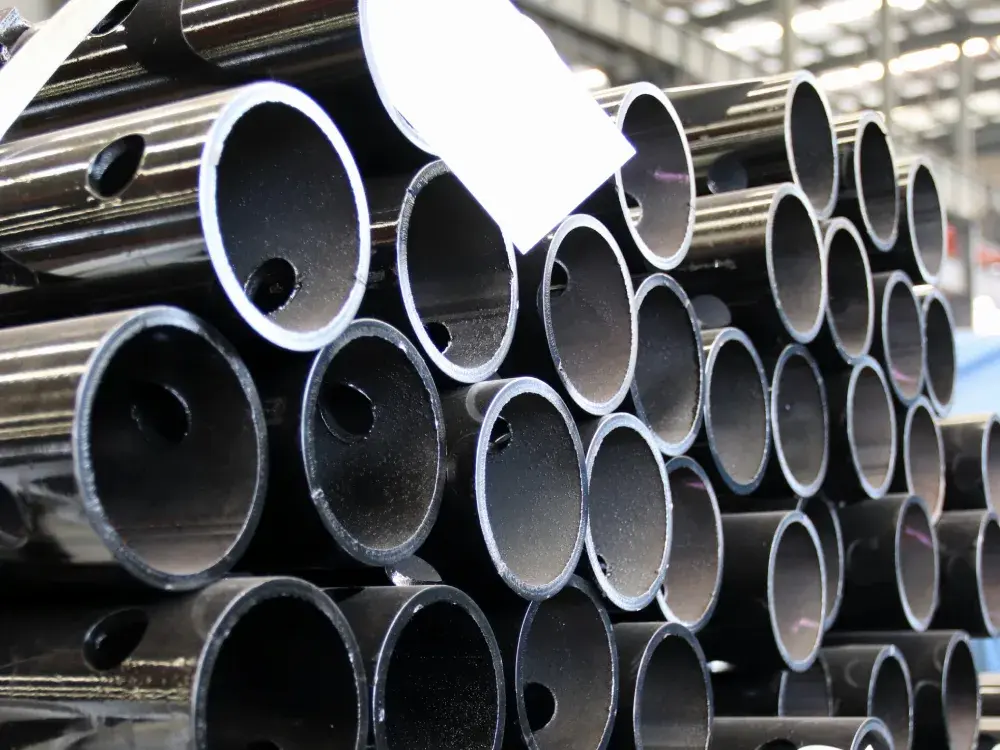
Schedule 40 pipe dimensions provide sufficient strength for structural support and allow fluids to flow through it. The wall thickness is defined by standardized values for each nominal pipe size rather than increasing proportionally with diameter, which keeps the pressure ratings stable and within safe limits. A Schedule 40 pipe with a standard size of 1/8 inch has an outside diameter of 0.405 inches and a wall thickness of 0.068 inches. It weighs 0.245 pounds per foot. A 4-inch Schedule 40 steel pipe has an outside diameter of 4.5 inches, a wall thickness of 0.237 inches, and a weight of 10.79 pounds per foot. These are more usual industrial sizes. With these standard sizes, engineers can confidently figure out flow rates, pressure changes, and structural loads. The consistent wall thickness ratios across different pipe sizes make sure that performance traits can be predicted. This makes it easier to make decisions about procurement and lowers project risk.
Comparison with Alternative Schedule Classifications
Knowing the difference between Schedule 40 and other grades helps procurement teams choose the right pipes. Schedule 10 pipe has thinner walls and lower pressure values, so it can be used in low-pressure situations where saving money is the most important thing. On the other hand, Schedule 80 pipe has thicker walls and can handle higher pressures, making it ideal for high-pressure systems that need more safety gaps. Different schedules' wall thickness has a direct effect on both the load capacity and the cost of the materials. For most industrial uses, Schedule 40 is the best mix between strength and cost.
It provides sufficient pressure-handling strength for most applications without incurring the extra material costs associated with heavier pipe schedules.
Decoding Schedule 40 Steel Pipe Pressure Ratings and Performance
Pressure rating calculations for Schedule 40 pipe depend on multiple variables, including diameter, material grade, operating temperature, and safety factors. These ratings ensure safe operation while providing adequate performance margins for industrial applications.
Working Pressure Ratings by Pipe Diameter
As you can see, the gauge of pressure that Schedule 40 steel pipe can handle drops as it gets wider. Bigger diameter pipes generally handle lower pressures due to increased hoop stress relative to wall thickness. Pipes that are around one inch in diameter can typically handle pressures in the range of approximately 1,000 to 1,500 PSI, depending on design standards, which makes them suitable for high-pressure applications. For example, a one-inch pipe typically operates around 1,000 PSI under standard conditions. Working forces of up to 650 PSI can be handled by a two-inch pipe, which has the right amount of flow for the pressure. Larger pipes work with pressures of up to 220 PSI and are used for applications requiring high flow but lower pressure. Larger diameter pipes, such as 8-inch sizes, typically handle significantly lower pressures compared to smaller pipes, depending on the material they are made of and how they are used. These pressure ratings are typically derived from design calculations based on ASME codes and show safe design margins that make sure the equipment can work safely in most industry settings. Most of the time, working pressure ratings are much lower than actual burst pressures. This makes things safer in case of quick pressure changes.
Temperature Effects on Pressure Capacity
The operating temperature has a big effect on how much pressure carbon steel pipe systems can handle. When temperatures rise, the tensile and yield strengths of materials decrease, which means that safe working pressures need to be lowered. ASTM A53 Grade B material maintains its rated mechanical properties at room temperature, but temperatures above 100°C start to change its properties. Temperature-dependent pressure rating charts are very helpful for situations where fluids are hot or the temperature of the environment is high. To keep safe operating limits, temperature effects on pressure capacity must be carefully thought through in steam systems, heated oil transfer, and hot water applications.
Schedule 40 Steel Pipe vs Alternatives: Pressure & Thickness Comparison
Selecting appropriate piping materials requires a comprehensive comparison of Schedule 40 against alternative options, including different schedule classifications, material grades, and specialized coatings. Each option presents distinct advantages regarding pressure capacity, corrosion resistance, and cost considerations.
Schedule 40 vs Schedule 80 Performance Analysis
Schedule 80 pipe has better pressure ratings, with higher pressure capacity across standard sizes compared to Schedule 40. This means that it is safer to use it in high-pressure situations. The thicker walls of Schedule 80 pipe make the structure stronger, but they also decrease the flow area inside the pipe and raise the cost of the materials. Even though they cost more at first, Schedule 80 standards are better for applications that need pressure ratings higher than what Schedule 40 can handle. The cost-benefit analysis of different schedules depends on the needs of the product and safety concerns. Schedule 40 is the best value for systems with moderate pressure, while Schedule 80 is needed for high-pressure situations where extra material costs are important for safety reasons.
Material Grade Considerations and Supplier Comparisons
For making carbon steel pipes, ASTM A53 and ASTM A106 are the main material standards. The minimum yield strength for A53 Grade B is 35,000 PSI, and the minimum tensile strength is 60,000 PSI. This makes it good for most general uses. A106 Grade B has better control over its chemical composition and mechanical properties, making it useful for uses that need to withstand high temperatures and high pressures. Leading manufacturers, such as US Steel, Nucor, and many foreign suppliers, have strict quality control standards that make sure pressure ratings and dimensions are always correct. Checking the certifications of materials and making sure they meet ASTM standards is important for keeping the job safe and following the rules.
Application-Specific Pressure Ratings and Procurement Considerations
Different industrial sectors impose unique pressure requirements and operational conditions on steel piping systems. Understanding these application-specific demands enables more precise procurement decisions and enhanced system reliability.
Industry-Specific Pressure Requirements
In oil and gas uses, pressure ratings need to be able to handle both working pressures and possible surge conditions. Pressures in natural gas delivery systems are usually between 60 and 200 PSI, which is well within the limits of Schedule 40 for pipes of the right size. Propane systems may need higher pressure values, especially when they are used for storage or transfer, where pressures can go above 250 PSI. Most water distribution systems work with moderate pressures of 40 to 80 PSI. This means that Schedule 40 pipe is perfect for both municipal and commercial water needs. Different industrial processes need different amounts of pressure for compressed air systems. Most systems work between 90 and 150 PSI.
Procurement Strategy and Supplier Verification
Effective procurement strategies focus on partnering with verified steel pipe suppliers, ensuring strict adherence to certification standards, and guaranteeing reliable delivery schedules. The ability to track materials is becoming more and more important for making sure quality and following rules in many fields. Procurement teams should check the skills of suppliers, such as their manufacturing standards, testing methods, and delivery performance. Keeping an eye on price trends helps you get the best deals and stick to your budget. Steel prices change based on the cost of raw materials, market demand, and trade conditions. To keep costs down, it's important to make smart buying choices. When you have a long-term relationship with a seller, prices and delivery times are often stable.
How to Choose and Purchase Schedule 40 Steel Pipes for Pressure Applications
Effective procurement requires systematic evaluation of technical requirements, supplier capabilities, and project constraints. Decision frameworks help streamline the selection process while ensuring optimal outcomes for specific applications.
Technical Specification Development
Clearly stating the exact technical needs is the first step to good procurement outcomes. To make sure there are enough safety margins, pressure rating specifications should list both regular operating pressures and possible surge conditions. The choice of material grade is based on the temperature at which it will be used, its tendency to rust, and its need for mechanical stress. When specifying dimensions, you need to think about how much flow you need, how much room you have, and how well the connections will work with other systems. Selecting the right wall thickness combines the ability to handle pressure with cost, so the specifications aren't too strict and there are enough safety margins.
Supplier Evaluation and Selection Criteria
When evaluating a supplier, there are more things to think about than just the price. Assessing a supplier starts with looking at their ability to make things, their quality control methods, and their certification compliance. Long-term partnership success depends on how well delivery works, how well technical help is provided, and how well the partnership covers all areas. A supplier's reliability for both current projects and future needs can be accurately judged by evaluating their financial stability, their technical expertise in pipe pressure ratings, and their established reputation in the market. References from similar industries and uses back up the supplier's claims about their technical and performance skills.
Conclusion
Schedule 40 steel pipe has standard sizes and stable pressure ratings that make it work well in a wide range of industrial settings. Knowing the connection between pipe diameter and pressure capacity helps you make smart purchasing choices that balance the need for efficiency with the need to save money. Along with choosing the right material grade and temperature, the fact that diameter and pressure rating are inversely related sets the technical basis for a successful project. Choosing the right provider and writing clear specifications are important for making sure that the system works well and at the lowest cost possible.
FAQ
1. What is the maximum pressure rating for Schedule 40 steel pipe?
Maximum pressure ratings vary significantly by pipe diameter, with quarter-inch pipe achieving significantly higher pressures than larger diameters, depending on design standards, and larger diameters handling proportionally lower pressures. Eight-inch Schedule 40 pipe typically operates at significantly lower pressures than smaller sizes, depending on specific design conditions and safety factors.
2. How does temperature affect Schedule 40 pipe pressure ratings?
Elevated temperatures reduce the tensile strength of carbon steel, requiring downward adjustments to safe working pressures. Operating temperatures above 100°C begin impacting material properties and pressure capacity, necessitating temperature-dependent pressure rating calculations.
3. When should I choose Schedule 80 over Schedule 40 pipe?
Schedule 80 pipe becomes necessary when pressure requirements exceed Schedule 40 capabilities or when enhanced safety margins are required. Applications involving pressures above 810 PSI or critical safety considerations typically warrant Schedule 80 specifications despite higher material costs.
Partner with RAYOUNG for Reliable Schedule 40 Steel Pipe Solutions
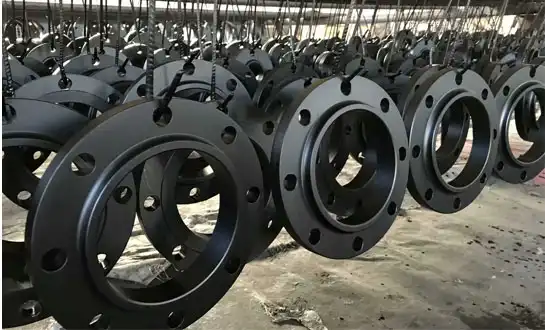
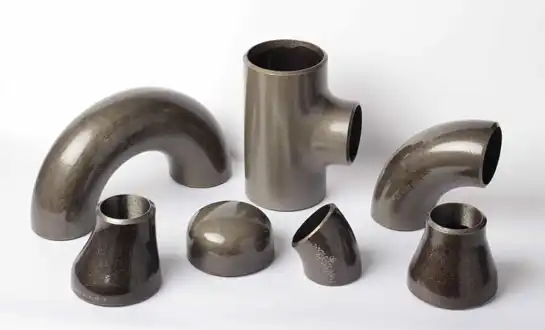
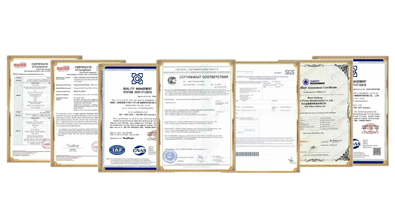
RAYOUNG stands as your trusted manufacturer and supplier of premium steel piping, delivering certified Schedule 40 solutions engineered to meet the most demanding industrial pressure requirements. Our comprehensive product lineup includes ASTM A53 and A106 grade materials with verified pressure ratings and complete dimensional compliance. ISO 9001:2015 certification and SGS export validation ensure consistent quality across every delivery, while our diverse fitting solutions, including buttweld elbows and flanges, provide complete system integration capabilities. Contact our technical team at info@hb-steel.com to discuss your specific pressure requirements and receive customized quotations from a leading schedule 40 steel pipe pressure manufacturer.
References
1. American Society of Mechanical Engineers. ASME B36.10M - Welded and Seamless Wrought Steel Pipe. New York: ASME Press, 2018.
2. ASTM International. ASTM A53/A53M - Standard Specification for Pipe, Steel, Black and Hot-Dipped, Zinc-Coated, Welded and Seamless. West Conshohocken: ASTM International, 2020.
3. Barlow, Peter. "Treatise on the Strength of Timber, Cast Iron, Malleable Iron, and Other Materials." London: John Weale Architectural Library, 1867.
4. Crane Company Technical Paper. "Flow of Fluids Through Valves, Fittings, and Pipe." Stamford: Crane Company Engineering Division, 2013.
5. Mohitpour, Mohammad, Howard Golshan, and Alan Murray. "Pipeline Design and Construction: A Practical Approach." New York: ASME Press, 2007.
6. Nayyar, Mohinder L. "Piping Handbook." New York: McGraw-Hill Professional, 2019.

Need a quote? Want to see samples? Just say hello. We’re friendly. We’re fast. And we’re ready when you are.
Welcome to RAYOUNG – Strong Pipes, Stronger Promise