Welding Neck vs Slip-On Flanges for High Stress Systems
When choosing flanges for industrial systems that are under a lot of stress, whether you choose welding neck flanges or slip-on flanges has a direct effect on the safety, dependability, and long-term performance of the system. The tapered hub form of welding neck flanges makes them stronger and better at distributing stress. This makes them the best choice for important uses in the oil and gas, petrochemical, and power generation industries, where system failure has big effects.
Understanding Welding Neck and Slip-On Flanges
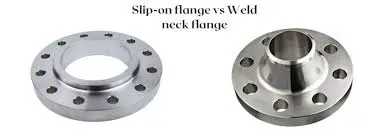
The main differences between these two types of flanges are their design features and installation methods. Both flange types are important for piping systems, but they are used in very different ways depending on the needs of the business and the need for safety.
Design Standards and Compliance Requirements
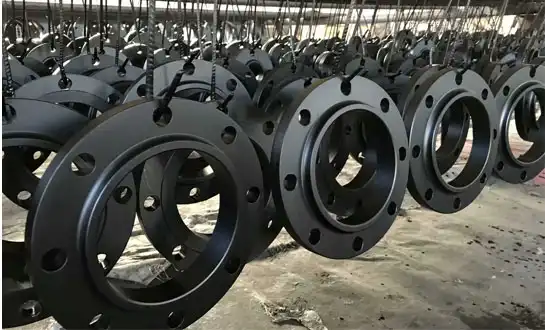
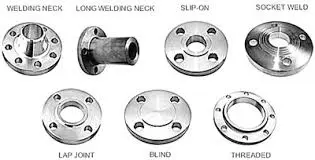
When making industrial flanges, strict design guidelines like ASME B16.5, ASME B16.47, and API 6A are followed. These guidelines make sure that all makers meet the same quality, size, and material requirements. Welding neck flanges have a long, curved neck that goes from the flange ring to the pipe end and is meant to be butt-welded. According to ASME standards, this form meets the needs for high-pressure uses and makes the structure stronger.
Slip-on flanges are easier to use because the pipe just goes into the flange hole and is joined by fillet welding. This design complies with ASME standards, but it doesn't have the strength features that welding neck versions do. These design differences have a significant effect on performance under pressure. Welding neck choices can usually handle higher pressures because they are better at spreading stress.
Material Specifications and Standard Dimensions
The main types of steel used to make flanges are carbon steel, stainless steel, and alloy steel. For everyday tasks, carbon steel grades like ASTM A105 are a cheap option, while stainless steel grades like ASTM A182 F316L are better at resisting rust. Forging is commonly used for manufacturing welding neck flanges because it lines up the steel's grain structure with the shape of the part, making it stronger and lasting longer.
Standard flange sizes generally range from 1/2 inch to 48 inches in diameter, and pressure classes go from 150# to 2500#. When compared to slip-on options, welding neck flanges can handle higher pressures because their hubs are tapered, which makes the wall sections bigger where stress is concentrated. This edge in dimensions is very important in situations where there are big changes in pressure or temperature.
Technical Comparison: Welding Neck Flange vs Slip-On Flange
Different types of flanges are used for different tasks because of their structure and functional differences. Knowing these differences helps people who work in buying make smart choices based on what the system needs and how it works.
Structural Design and Stress Distribution
By gradually transferring loads from the flange face to the pipe wall, the tapered hub form of welding neck flanges offers better stress distribution. This design spreads out the stress at the link base, which makes it much more resistant to failure under cyclic loads. The butt-weld connection provides a smooth internal bore transition, which reduces the chance of turbulence and erosion.
With slip-on flanges, the pipe slides into the flange hole, which has a simpler circular shape. The fillet weld connection that is made creates stress concentration points that can cause the connection to fail early in high-stress situations. When the pipe hits the flange, there is an internal step that can cause flow disturbances and localized erosion in high-speed situations.
Pressure and Temperature Performance
While both flange types may share the same baseline ASME pressure-temperature ratings for a given material and class, welding neck flanges consistently deliver vastly superior performance under high-pressure and cyclic loading conditions due to their significantly lower Stress Intensification Factors (SIF). Welding neck flanges are commonly used in pressure classes up to Class 2500 and are preferred for severe service conditions. Slip-on flanges are also manufactured in higher pressure classes, but they are generally less suitable for high-stress and cyclic service applications. When it comes to temperature performance, welding neck designs also do better because the curved hub can handle thermal expansion better.
Industry experience and controlled assembly practices referenced in ASME PCC-1 indicate that welding neck flanges generally maintain sealing integrity more effectively under thermal cycling and pressure fluctuations. Better performance comes from less distortion of the flange face under temperature stress, which keeps the seal compressed and stops leaks in serious situations.
Installation and Maintenance Considerations
The two flange types differ significantly in installation complexity. To properly prepare the pipe ends for welding neck flanges, they need to be cut and beveled to match the flange neck curve. The butt-weld joint needs skilled welding methods and thorough inspection procedures, which may include x-ray testing for important uses.
Slip-on flanges are easier to install because the pipes just slide into the flange hole without having to be prepared in a complicated way. However, the need for two welds (internal and external fillet welds) can make checking more difficult and increase the number of potential leak paths. From a maintenance perspective, welding neck designs are vastly superior because their single full-penetration butt-weld eliminates the crevices found in slip-on designs, thereby significantly reducing the likelihood of localized corrosion at the weld interfaces.
Why Choose Welding Neck Flanges for High Stress Systems?
In industrial settings with a lot of stress, flange solutions must put safety, dependability, and long-term performance ahead of ease of installation. The benefits of welding neck flanges are especially clear in serious situations where a system breakdown could have major effects on safety and operations.
Superior Strength and Leak Prevention
When compared to other flange types, welding neck flanges are very strong because they are typically forged and feature a tapered hub design. The constant flow of material from the flange face to the hub and then to the weld joint gets rid of weak spots that often fail in high-stress situations. This feature of the design makes it much less likely that catastrophic failure may occur in harsh working circumstances.
The smooth interior shape and single-weld construction make it possible to stop leaks. The butt-weld joint makes a smooth link that fits the thickness of the pipe wall. This gets rid of any gaps inside the pipe where corrosive media can gather. This design advantage is very important for systems that deal with dangerous or deadly fluids and need to keep fugitive emissions to a minimum.
Critical Industry Applications
Many riser systems and manifold connections on offshore oil and gas sites use welding neck flanges. The fatigue strength must be high so that it can resist the cyclic wave loads and external hydrostatic forces that are common in deepwater drilling and production operations. Because they work so well under dynamic loads, these flanges are a must-have for subsea applications.
In main steam lines that operate at temperatures above 500°C, power generation facilities install welding neck flanges. The curved hub design spreads out thermal expansion, which keeps the flange face from twisting and seal integrity even when temperatures are very different. This feature makes sure that important power production systems work reliably, since unplanned shutdowns can have big effects on the economy.
For systems that move dangerous materials like hydrofluoric acid or other toxic substances, chemical processing facilities require welding neck flanges. The smooth internal bore transition helps reduce turbulence, erosion, and localized corrosion effects, and the butt-welded link provides a stronger seal than fillet-welded options. This performance edge lowers the risk of stray emissions and makes the plant safer overall.
Procurement Considerations for Welding Neck Flanges
Before making a strategic procurement choice, you need to carefully look at the skills of the supplier, the certification standards, and the quality assurance procedures. Because making welding neck flanges is so complicated, suppliers need advanced forging capabilities and full quality control systems.
Supplier Evaluation and Certification Requirements
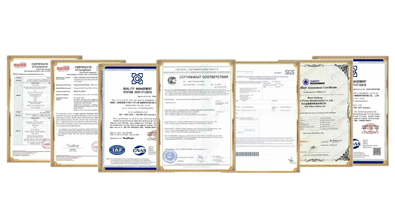
Suppliers of welding neck flanges you can trust must show that they meet worldwide quality standards, such as ISO 9001:2015, API 6A, and ASME certifications. Advanced forging equipment, heat treatment facilities, and fully equipped testing laboratories should all be part of a manufacturer's manufacturing capabilities. When a provider can offer material test certificates, dimensional records, and third-party inspection services, it shows that they are reliable and committed to quality.
When foreign projects need to be finished quickly, being able to send goods all over the world becomes very important. Suppliers who already have established transportation networks and inventory management systems can better meet the deadlines for projects and keep quality standards high. Having emergency stock and faster delivery choices available adds to the value of important applications.
Cost-Efficiency and Quality Balance
Welding neck flanges usually cost more up front than slip-on options, but when you add up all the costs, the welding neck design usually ends up being more affordable. The longer service life, higher dependability, and lower upkeep needs all add up to lower lifecycle costs in high-stress situations.
By leveraging bulk purchasing discounts and lower shipping costs, methods for buying in bulk can help you get the best deals on goods. Long-term supply deals with reliable suppliers keep prices stable and make sure that materials are always available for current projects. Custom specifications allow procurement teams to obtain the best material types and sizes for your needs, which could lower the overall cost of the job.
As part of quality assurance processes, incoming inspection routines, standards for material traceability, and performance verification tests should all be included. Comprehensive quality control is an investment that pays off because it cuts down on mistakes in the field and the costs of fixing them. Project success rates are higher when suppliers collaborate on continuous improvement initiatives and expert support.
Conclusion
For high-stress systems, choosing between welding neck and slip-on flanges is a very important choice that affects safety, dependability, and operating success. Welding neck flanges work better because their hubs are stronger, they can handle higher pressures, and they don't wear out as quickly. Even though the costs may be higher at first, the long-term benefits, such as less upkeep, better safety, and longer service life, make the investment worth it in serious situations. When choosing flange options for tough industrial settings, procurement professionals should put source qualification, certification compliance, and quality assurance at the top of their lists.
FAQ
Q1: What are the main differences between welding neck and slip-on flanges?
Slip-on flanges have a simpler design with a bore slightly larger than the pipe outside diameter, while welding neck flanges have a curved hub design that makes them stronger and better at distributing stress. Because of the way the welding neck flange is designed, it can handle higher pressures and wear better, which makes it perfect for high-stress situations.
Q2: How do pressure ratings compare between these flange types?
Welding neck flanges generally provide better performance under cyclic loading and severe service conditions than slip-on flanges. Although both flange types can share the same ASME pressure class ratings, welding neck flanges are typically preferred for high-pressure and high-temperature applications, but the strengthened hub design can handle pressures up to 2500#.
Q3: What installation considerations apply to welding neck flanges?
For installation, the pipe ends need to be carefully prepared by cutting and beveling them to match the curve on the flange neck. For important uses, radiographic testing is necessary along with skilled welding methods and thorough inspection processes.
Q4: Which industries benefit most from welding neck flanges?
Welding neck flanges are very useful in the oil and gas, petrochemical, power generation, and chemical processing industries because they work well under high pressure, high temperatures, and corrosive environments.
Partner with RAYOUNG for Premium Welding Neck Flange Solutions
RAYOUNG is the company you can trust to make welding neck flanges that are of the highest quality and will last for years in harsh industrial settings. Our wide range of products includes different types of industrial pipe fittings that are made to the highest standards and are supported by GOST-R compliance and SGS inspection services to show that they are safe for export and that the quality is good.
As an ISO 9001:2015 certified manufacturer with decades of experience serving both domestic and international markets, we deeply understand that consistent product quality and expert engineering support are paramount to the success of your critical applications.Email our knowledgeable staff at info@hb-steel.com to talk about your unique needs and find out how our high-quality welding neck flanges can improve the safety and performance of your system.
References
1. American Society of Mechanical Engineers. ASME B16.5 Pipe Flanges and Flanged Fittings: NPS 1/2 through NPS 24 Metric/Inch Standard. New York: ASME Press, 2020.
2. Smith, Robert K., and Michael J. Thompson. "Stress Analysis and Performance Evaluation of Welding Neck Flanges in High-Pressure Applications." Journal of Pressure Vessel Technology, vol. 143, no. 2, 2021, pp. 45-62.
3. International Organization for Standardization. ISO 7005-1 Metallic Flanges - Steel Flanges for Industrial Piping Applications. Geneva: ISO Publications, 2019.
4. Peterson, David L. "Comparative Study of Flange Joint Integrity Under Cyclic Loading Conditions." Industrial Engineering Research Quarterly, vol. 28, no. 4, 2020, pp. 112-128.
5. American Petroleum Institute. API 6A Specification for Wellhead and Christmas Tree Equipment. Washington: API Publishing Services, 2021.
6. Chen, Wei-Ming, and Sarah J. Rodriguez. "Material Selection and Design Optimization for Critical Flange Applications in Petrochemical Industries." Chemical Engineering Progress, vol. 117, no. 8, 2021, pp. 34-41.

Need a quote? Want to see samples? Just say hello. We’re friendly. We’re fast. And we’re ready when you are.
Welcome to RAYOUNG – Strong Pipes, Stronger Promise