Pressure Cycling Test for Long-Life Pipe Fittings
Pressure cycling tests are a critical method for evaluating how long pipe fittings will last and how reliable they are under repeated pressure fluctuations. In the real world, industrial parts are put through conditions with changing pressure loads. These tests help manufacturers and procurement professionals find fittings that can work in harsh conditions while keeping maintenance costs low and system downtime risks to a minimum.
Introduction
Secure connections are very important for keeping industrial and business fluid transport systems safe and running smoothly. When these important systems break down, the problems don't just end with fixes; they can cause costly downtime, safety risks, and compliance issues that can have a big effect on the success and profitability of the project. As a necessary quality control method, pressure cycle testing checks how long a part will last when subjected to the repeated changes in pressure that happen in real life.
This complete guide is made for buying managers, project engineers, wholesalers, and OEM clients who need to make smart decisions about what to buy. By learning about the different ways to do pressure cycling tests and the standards for performance, stakeholders can choose parts that will last for a long time and meet safety and price requirements. The choice of components has financial effects throughout the whole project lifecycle. This means that testing procedures must be carefully looked over as a matter of strategy, not just as a routine.
Understanding Pressure Cycling Test in Pipe Fittings
Pressure cycling tests put parts through thousands of different pressure changes to see how strong their structures are. These tests are very similar to the tough conditions that industrial tools face in real life. These tests check how well pipe fittings keep their shape when put through multiple stress cycles that are similar to what happens in manufacturing, processing, and distribution systems.
Testing Material Responses
Under repetitive stress situations, different materials behave in different ways. Fittings made of stainless steel are very resistant to fatigue and keep their shape over long periods of cycling, which makes them perfect for high-pressure uses. While brass parts are easy to machine and corrosion-resistant, they may gradually deform under extreme cycling conditions. Chemical compatibility is a benefit of PVC and other polymer materials, but testing methods must carefully look at pressure limits and temperature ranges.
Correlation with Real-Life Durability
The link between test results in the lab and success in the field is very important for making decisions about what to buy. Sometimes, parts that can withstand 100,000 pressure cycles in test settings perform better in real-world applications than initially expected. This link helps engineers make more accurate predictions about when to do upkeep and when to replace parts, which leads to more accurate lifecycle cost estimates.
Standards Compliance and Safety
International standards like ISO 15848 (primarily covering valve fugitive emissions), relevant ASTM material standards, and ASME standards such as ASME B16.34 for valves and other ASME B16 series specifications for piping components establish uniform methods and requirements to ensure reliability across manufacturers and applications. These frameworks define specific performance requirements, testing procedures, or acceptance criteria depending on the component type, but cycle counts and pressure ranges are typically defined in application-specific standards rather than a single unified framework. Adhering to well-known standards gives purchasing teams faith in the performance of the product and makes the design process easier for big projects.
Key Factors Affecting Pressure Cycling Performance
There are a lot of linked factors that must be carefully thought through when choosing pipe fittings that affect how long they last when pressure is applied and removed. Knowing about these factors lets you make more accurate predictions about performance and find the best parts for different uses.
Material Properties and Performance Characteristics
The choice of material has a big effect on how well pressure cycling works. Grades of stainless steel like 316L are very good at resisting both mechanical wear and rust in harsh environments. This makes them great choices for tough industrial uses. For many uses, carbon steel is a cost-effective way to get strength, but the surface needs to be treated properly to keep it from wearing down. For solid performance in moderate-pressure systems, brass metals are great because they are easy to machine into custom shapes.
The mechanical qualities of a material directly affect how well it can handle being stressed over and over again without cracking or changing shape. The grain structure, heat treatment, and alloy makeup all play a part in how well something resists wear and how reliable it is over time when it is cycled.
Design Elements and Geometric Considerations
How well pressure cycling works depends a lot on the shape of the parts. The stress concentration areas, corner radii, and wall thickness all have a significant effect on how fittings handle and distribute cyclic loads. Things should have smooth internal surfaces because they lower noise and pressure drops and spread out stress in ways that can cause failure modes. The shape of the threads and the length of the contact affect both how well they seal at first and how long they last when they are under constant pressure.
In most cases, HVAC systems work with moderate pressures and slow cycling patterns. However, in industrial process uses, pressures may change quickly, and the working pressures may be higher. To get the best performance from these different working modes, you need to carefully think about the design features of the parts and the material requirements.
Installation Quality and System Integration
The dependability of the system as a whole and the resistance to pressure cycling depend on how well the system is installed. Incorrect torque values, misaligned connections, and inadequate support systems can introduce additional stresses that significantly reduce component service life. Making sure that repair teams follow the steps suggested by the maker and giving them the right tools is important for making sure that parts work the way they were meant to.
Long-term performance is also affected by things like how the system is designed to handle temperature expansion, vibration isolation, and pressure surge safety. To get the most out of high-quality, tested parts, these things must be taken into account when planning the whole system.
Testing Methods and Industry Best Practices
Modern pressure cycling testing has changed a lot since the early days. It now uses more realistic simulations of real-world working conditions and more advanced tracking systems. These changes make performance data more accurate and make it easier to connect test results to real-world experience.
Evolution of Testing Protocols
In the past, testing methods mostly used simple pass/fail criteria and didn't go into great depth about how things failed or how speed dropped over time. Modern testing methods include keeping an eye on things like pressure retention, changes in size, and visible inspection standards all the time. Real-time data collection makes it possible to spot slow changes in performance that could mean that the product is getting close to the end of its useful life.
Modern testing labs use computer-controlled pressure devices that can mimic the complicated pressure levels found in some industrial settings. With these features, makers can change the testing methods to better match the working conditions of their customers. This gives buyers more useful performance information when making decisions about what to buy.
Industry Leader Approaches
Well-known companies like Georg Fischer, Watts, Victaulic, and NIBCO have created thorough testing programs that go above and beyond what is required by law. To make sure their products work well in a wide range of circumstances, these businesses usually put them through extended cycling tests, outdoor exposure tests, and application-specific performance proof.
Leading makers document their work with thorough test reports, performance certificates, and warranty terms that give purchasing teams trust in the quality of the products they sell. A lot of sellers offer expert support services to help customers choose the right parts and make system designs that are as reliable as possible.
Case Study Applications
Validation studies that take place in the real world show how useful strict pressure cycling testing is. A recent study of city water system fittings found that parts that met increased cycling requirements had 40% fewer failures in the field than normal products. This improvement resulted in significant cost savings due to reduced maintenance requirements and improved system reliability.
Similar benefits have been seen in industrial process uses, where properly tested pipe fittings have led to longer service lives and lower downtime costs. These case studies give us useful information that helps us decide whether to spend money on better parts and more thorough testing procedures.
Making Informed Procurement Decisions for Pressure-Resistant Pipe Fittings
In addition to cost, choosing the right fittings for high-pressure uses takes a systematic look at a number of other factors. To get a good idea of how valuable a component is, you need to figure out its total cost of ownership, which includes the costs of repairs, replacements, and system downtime.
Material Integrity and Performance Verification
Looking at approvals, test results, and performance data for materials gives you important information about how reliable a part is and whether it works well in certain situations. Mill test papers show what the material is made of and how strong it is, while pressure cycle test reports show how well it works in real-life situations that are similar to those in the lab. With these papers, procurement teams can make sure that parts meet the needs of the project and work as expected.
Dimensional compatibility testing makes sure that new parts will fit and work with old ones, while keeping the pressure and flow rates that were planned. Documentation that meets standard compliance makes sure that parts meet business standards and government rules.
Fitting Type Comparison and Selection
Because they have mechanical closing devices and can keep the link strong even when the dimensions change slightly, compression fittings usually do a better job of sealing when the pressure changes. The compression ferrule design spreads loads out evenly and can handle small system motions and heat expansion.
Threaded joints are easy to install and can be serviced in the field, but they may gradually become loose under heavy cycling conditions. These problems can be fixed with thread treatments and the right way to install them, so threaded fittings can be used in a lot of different situations as long as they are maintained properly.
Supplier Evaluation and Performance Metrics
A full review of a supplier looks at their ability to make things, their quality systems, their expert support services, and how reliable their delivery is. Systematic quality management is shown by ISO 9001:2015 certification, which demonstrates systematic quality management, while industry-specific certifications indicate specialized expertise and a dedication to performance excellence.
Warranty terms, the ability to get technical help, and the ability to supply in a situation all add value that goes beyond how well the product works at first. In critical situations, where quick action and expert help can keep system downtime and operating interruptions to a minimum, these services become even more important.
Future Trends in Pressure Cycling Testing and Pipe Fittings Performance
New developments in materials science and testing methods keep making industrial pipe fittings more useful and reliable. These new developments look like they will lead to better performance and more cost-effective options for tough uses.
Advanced Materials and Composite Technologies
Next-generation composite materials blend the power of metals with the low weight and tolerance to corrosion of modern polymers. These materials are very good at resisting wear, and they can be designed to have specific performance traits for certain uses. Metal matrix composites and plastics strengthened with carbon fiber could be used to solve problems in harsh environments.
With additive manufacturing technologies, complicated shapes can be made that improve stress distribution and flow characteristics while using less material and weight. These features allow for the creation of very specific parts for specific uses and the quick testing of custom solutions.
Automation and Smart Monitoring Systems
When Industry 4.0 is integrated, it adds smart tracking features that give real-time information on performance and tips on how to avoid problems with upkeep. Embedded sensors can keep an eye on pressure, temperature, sound, and other factors that show how well a part is working and how long it will last. This information lets you plan preventative repairs and keeps things from breaking down without warning.
Automated testing systems make testing more consistent and repeatable while cutting down on costs and time. Machine learning algorithms can look at test results to find trends in performance and make sure that parts are designed to work best in certain situations and uses.
Digital Supply Chain Integration
Digital tools make the buying process easier and allow suppliers to work together better. Real-time inventory management, automatic buying systems, and predictive analytics all help to keep the right amount of stock on hand and make sure that important parts are always available. These skills lower the cost of buying things and make the supply chain more reliable and quicker to respond.
Blockchain technology makes it easier to track down and authenticate things, which helps make sure that parts are of good quality and come from the right place. This openness helps with quality control and makes it easy to find problems with performance across supply lines.
Conclusion
Pressure cycling testing is an important quality control method that helps people make smart buying choices and makes sure that systems will work well for a long time. Knowing how to test, what factors affect performance, and what standards are used for review helps purchasing workers choose parts that give the best value by lasting longer and needing less maintenance. As testing methods get smarter and more in line with real-world conditions, the link between thorough testing and success in the real world keeps getting stronger. Investing in pipe fittings that have been properly tested and approved pays off in a big way: more reliable systems, less downtime, and a lower total cost of ownership across a wide range of industrial uses.
FAQ
Q1: How frequently should pressure cycling tests be conducted?
How often something is tested mostly relies on the type of material, how it will be used, and any rules or regulations that apply. It is standard practice to do pressure cycling tests on new products during the initial development and approval stages. These tests should be revalidated every three to five years or whenever there are major changes to the design. Applications with a higher risk may need to be tested more often to make sure they keep up with safety standards.
Q2: Can pressure cycling tests predict all types of fitting failures?
Pressure cycling tests are effective at identifying failures caused by fatigue and slow performance loss, but they should be used with other testing methods for a full picture. Leak tests, burst pressure tests, and external exposure tests give us more information about how things might fail. For uses that involve toxic materials or high temperatures, chemical compatibility testing is a must.
Q3: What international standards govern pressure cycling test reliability?
Some important standards are ISO 15848 for testing stray emissions, ASTM F1387 for performance requirements, and ANSI B16.34 for testing valve pressure. These frameworks set up consistent methods and performance standards that make it possible to compare makers and goods with confidence. Regional standards may include special rules that must be followed for local uses and to comply with the law.
Choose RAYOUNG for Superior Pressure-Tested Pipe Fittings
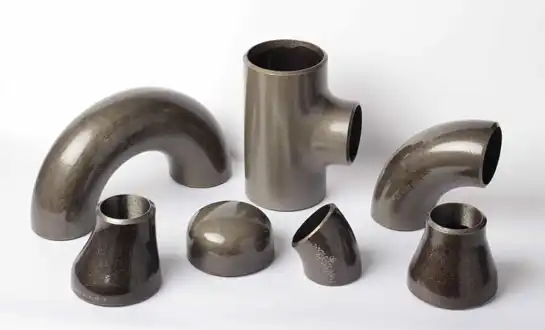
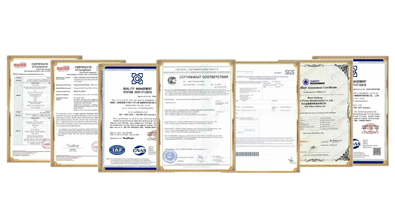
RAYOUNG sells industrial-grade pipe fittings; they back them up with full pressure cycling testing and approved quality assurance procedures. Our wide range of products includes buttweld steel elbows, reducers, and flanges that are made to meet or exceed foreign standards and offer great value for tough jobs. With ISO 9001:2015 approval, GOST-R compliance, and SGS validation, we make sure that all of our products are of the same high quality and work well. During the procurement process, our experienced engineering team provides technical support to help you choose the best options for your unique working conditions and performance needs. Get in touch with our experts at info@hb-steel.com to talk about your project needs and learn more about our full range of pipe fittings manufacturer services for strong, long-lasting industrial links.
References
1. American Society of Mechanical Engineers. "Pressure Testing Standards for Industrial Pipe Fittings: Performance Evaluation and Lifecycle Assessment." ASME Technical Publications, 2023.
2. International Organization for Standardization. "Pressure Cycling Test Methods for Metallic Pipe Fittings in Industrial Applications." ISO Technical Committee 153, 2022.
3. National Institute of Standards and Technology. "Fatigue Analysis of Pressure Vessels and Piping Components Under Cyclic Loading Conditions." NIST Special Publication 1500-12, 2023.
4. American Water Works Association. "Long-Term Performance Evaluation of Pipe Fittings in Municipal Water Systems." AWWA Research Foundation Report 4892, 2022.
5. Society of Plastics Engineers. "Pressure Cycling Performance of Thermoplastic Pipe Fittings: Material Properties and Design Considerations." SPE Technical Papers Volume 68, 2023.
6. European Committee for Standardization. "Durability Assessment of Industrial Pipe Fittings Through Accelerated Testing Methods." CEN Workshop Agreement 17435, 2022.

Need a quote? Want to see samples? Just say hello. We’re friendly. We’re fast. And we’re ready when you are.
Welcome to RAYOUNG – Strong Pipes, Stronger Promise