Weldability of Duplex Steel Pipe Fittings Explained
The weldability of duplex steel pipe fittings is a very important engineering factor that has a direct effect on the success of projects in many industrial settings. Duplex steel fittings have microstructures that are both austenitic and ferritic. This makes the parts highly resistant to corrosion and strong. To keep their balanced phase structure, the welding properties of these specialized parts need careful attention to the amount of heat applied, the rate at which it cools, and the choice of filler material. Knowing the right way to weld makes sure that the joint is strong, stops common flaws like sigma phase formation, and keeps the high performance that makes duplex steels useful in harsh environments like chemical processing plants and remote platforms.
Understanding Weldability of Duplex Steel Pipe Fittings
The unique metallurgical properties of duplex steel fittings stem from their dual-phase microstructure, which typically consists of approximately equal proportions of austenite and ferrite, usually within a range of 40–60% for each phase. The combination of these elements makes the steel stronger than most austenitic stainless steels while still being highly resistant to corrosion. Keeping this controlled phase ratio during welding processes is very important for maintaining weldability
Microstructural Considerations During Welding
To keep the mechanical qualities and corrosion protection, the welding method needs to keep the important austenite-to-ferrite ratio. Too much heat can cause phase changes that are bad for the material, like sigma phase precipitation and nitride formation. It is necessary to control the rate of cooling in order to get the right phase balance in the heat-affected zone and in the weld metal.
To keep the temperature under control while welding, close attention must be paid. To keep too much ferrite from forming, the interpass temperature should remain below 300°F (150°C). Controlled cooling through the critical temperature range of 1050°F to 1800°F (565°C to 980°C) helps maintain the desired microstructure while minimizing harmful intermetallic phase precipitation.
Common Duplex Steel Grades and Their Welding Characteristics
If you follow the right steps, standard duplex grades like 2205 (UNS S32205/S31803) are very easy to weld. Because they contain more alloy, super duplex types like 2507 (UNS S32750) need stricter limits. For less demanding uses, lean duplex types like 2101 (UNS S32101) offer cost-effective options that are easy to weld.
For each grade, you need to choose a different filler metal to match the features of the base material. Over-alloyed filler metals help compensate for elements that are lost during welding while keeping the resistance to rust. For keeping the pitting resistance equivalent numbers (PREN) in the end joint, the nitrogen level in the filler metals becomes very important.
Comparing Duplex Steel Fittings Weldability With Other Materials
Duplex steels are clearly better than other materials when looking at how well they work and how easily they can be welded. The comparison shows important things to think about when making decisions about purchases and planning projects.
Welding Performance Against Stainless Steel Alternatives
Because they only have one phase, austenitic stainless steels like 316L are easier to weld and don't need as strict controls on the heat input. However, duplex steel fittings are stronger, which means that wall sections can be smaller and material costs can be lower. Duplex grades are much more resistant to chloride stress corrosion cracking than normal austenitic grades.
The differences in thermal conductivity change the way heat is spread during welding. Because duplex steels carry heat better than austenitic grades, the welding settings need to be changed to get the right penetration and fusion properties. In fact, this trait can help welding by lowering distortion and residual stresses.
Carbon and Alloy Steel Comparisons
Carbon steel parts are easier to weld, but they don't fight corrosion well enough for harsh conditions. Some alloy steels need to be heated before and after they are welded, which makes the production process more complicated and costs more. These needs aren't there with duplex steels, which also have longer service lives in acidic environments.
The cost-benefit study suggests that duplex materials are better for uses where corrosion protection would need pricey coatings or replacements that happen often. The higher cost of the material at first usually pays for itself in lower upkeep costs and longer service times.
Super Duplex Material Considerations
Because they have a lot of alloys and tend to make intermetallic phases, super duplex grades need advanced welding methods. When welding these materials, it's important to follow trained methods and use better quality control measures. In harsh working conditions, better protection against corrosion makes the extra welding work worth it.
For super duplex uses, choosing the right welding consumables is very important. The filler metal's chemistry needs to strike a balance between resistance to rust and weldability, while also keeping the metal from cracking when it gets hot. It is often important to use specialized low-heat methods to preserve the properties of materials.
Practical Installation and Welding Procedures for Duplex Steel Fittings
To successfully weld duplex steel fittings, you must carefully follow tried-and-true steps and quality control measures. The tips below can help you get the same results across all of your job apps.
Pre-Welding Preparation Requirements
For duplex steel welding to go well, the joints must be properly prepared. Because pollution can weaken corrosion protection, keeping the surface clean is very important. Grinding and cutting are examples of mechanical cleaning methods that are good at getting rid of mill scale and other surface contaminants.
The design of the joint should take into account how duplex materials expand and contract when heated or cooled. Enough root holes and angles help keep the fusion process from stopping before it's finished, while also distributing heat evenly. Backing gas protection keeps the root pass from oxidizing, which keeps the joint's rust resistance across the whole cross-section.
Welding Parameter Optimization
The most important thing to know about welding duplex steels is how to control the heat flow. Depending on the thickness of the part and the way the joints are set up, the suggested heat input range is usually between 0.5 and 2.5 kJ/mm (approximately 13 to 64 kJ/in). When you add more heat, you run the risk of making too much ferrite and possibly sigma phase precipitation.
Coordinating the travel speed with the current choices helps keep the heat input levels at the right level. Better control of heat distribution is achieved with multiple-pass methods that use stringer beads instead of weave patterns. To focus the heat intake and keep atmospheric pollution to a minimum, the length of the arc should stay short.
Here are the essential welding process guidelines for optimal results:
- Gas Tungsten Arc Welding (GTAW) gives you great control over root passes and thin sections, letting you precisely handle heat input and make joints that look better.
- Gas Metal Arc Welding (GMAW) can do fill and cap passes quickly with the right shielding gas mixes that include nitrogen.
- Shielded Metal Arc Welding (SMAW) is useful in the field when mobility is important, but the electrodes need to be carefully chosen and stored.
- Submerged arc welding (SAW) works well for heavy-section applications when compatible flux and filler combinations are selected to maintain proper weld metal chemistry and phase balance.
With these process choices, makers can match the right welding method to the needs of each job while still meeting quality standards. The decision is based on the section thickness, how easy it is to get to the joints, the needs of production, and the quality standards.
Filler Metal Selection and Quality Control
The chemistry of the filler metal needs to match the base metal and make up for the elements that are lost during welding. Nickel content is usually higher than that of the base metal to help austenite form and keep the balance of the phases. Adding nitrogen helps make the austenitic phase stronger and improve corrosion resistance and phase balance.
Quality control measures include checking the temperature between passes, looking at the work visually between passes, and checking the work after the weld using the right non-destructive testing methods. Using magnetic tools to measure ferrite helps make sure that the right phase balance is reached in critical applications.
Procurement Considerations for Duplex Steel Pipe Fittings
To make good purchasing plans for duplex steel fittings, you need to know what the suppliers can do, what certifications they need, and how the market works, all of which affect the success of the project.
Supplier Evaluation Criteria
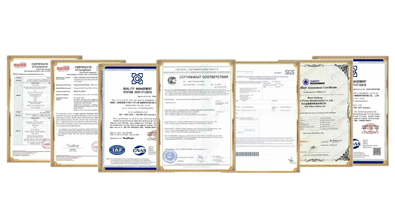
Suppliers you can trust have quality control systems that are fully approved to international standards. ISO 9001 recognition is a basic level of guarantee, while approvals from NIOC, ADNOC, and PETROBRAS show that the product has worked well in difficult situations. The facilities for manufacturing should have the right heat treatment facilities and testing tools for checking chemical and mechanical properties.
For complicated jobs that need help developing welding procedures or fixing problems, having access to technical support is essential. Beyond just supplying materials, suppliers who offer industrial knowledge and field support services add value. Complete documentation, such as mill test certificates, measurement reports, and tracking records, makes sure that the project requirements are met.
Certification and Compliance Requirements
Certifications for materials must match the rules and codes that apply, like ASME B16.9, EN 10253, and GOST. The CE/PED 2014/68/EU marking makes sure that pressure equipment uses are legal in Europe. The full chemical analysis and mechanical test results show that the material's qualities and the efficiency of the heat treatment are correct.
Having third-party inspection skills adds to the quality assurance for critical applications. Having ties with well-known testing labs and inspection bodies as a supplier speeds up the certification process. Material traceability systems should be able to keep track of parts from the time they are made from raw materials to shipping and final inspection.
Market Trends and Supply Chain Planning
The demand for duplex materials keeps going up around the world, especially in the chemical industry and offshore energy sectors. Because of the unique ways they have to be made, supply chain planning has to take longer lead times into account than for regular steel grades. Strategic inventory management helps keep costs low while reducing the risk of not having enough items on hand.
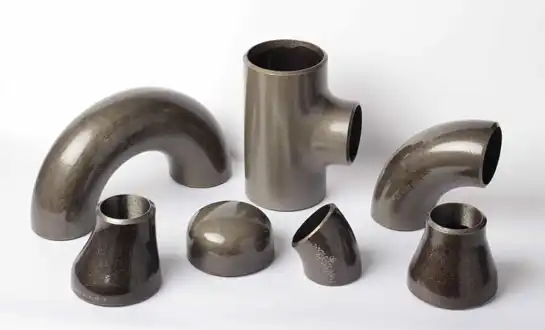
Customization lets providers meet the unique needs of each project, such as non-standard sizes and different types of materials. Having the option to offer reducing tees, large-diameter elbows, and other unique designs increases the purchasing freedom. Surface treatment choices, such as sandblasting, applying anti-rust oil, and eco-friendly sealing systems, keep the metal from rusting while it is being stored or put together.
Future Trends and Innovations in Duplex Steel Fittings: Weldability
As technology keeps getting better, duplex steel welding skills and quality control methods keep getting better. These changes have made things more productive while keeping the high-performance qualities that make these materials important.
Advanced Welding Technologies
Automation integration changes the way duplex steel is welded by allowing exact parameter control and consistent management of heat input. Robotic systems with adaptive settings change the factors for welding in real time, depending on the shape of the joint and the temperature. This technology cuts down on mistakes made by people while also increasing output and quality.
Critical welding factors, such as heat input, interpass temperature, and cooling rates, are tracked by digital tracking systems. Data logging lets you keep lasting records that are needed for quality control and tracking. Applications that use artificial intelligence look at data about welding to figure out what the best settings are and spot quality problems before they happen.
Quality Control Innovations
Non-destructive testing methods are always changing to give testers more options for evaluating things. Modern ultrasonic methods find small changes in the structure of materials that might have an effect on their long-term performance. Portable X-ray fluorescence testers make it possible to quickly check the chemistry during the building and installation processes.
Metallographic analysis methods that use automatic image analysis tools can measure phase balance more accurately and faster. These tools help make welding processes more efficient and make sure that the microstructural properties of each production batch are the same.
Market Demand Evolution
More and more, industrial uses need materials that can handle rough service conditions while keeping lifetime costs as low as possible. Due to their strength, resistance to rust, and ability to be welded, duplex steel fittings meet these needs. These specialized materials are in high demand in the offshore renewable energy sector.
People are interested in products that last longer and need less upkeep because they are better for the environment. Properly welded duplex steel parts work better, which helps build sustainable infrastructure by reducing the need for replacements and the damage they cause to the environment.
Conclusion
To get the best results when welding duplex steel pipe fittings, you need to pay close attention to mechanical principles and tried-and-true welding techniques. Understanding the unique microstructural properties and how they react to temperature cycles is important for making things that can be used in many different industrial settings. Choosing the right provider, enforcing quality control measures, and sticking to set welding parameters will ensure that the joint works reliably for as long as it's needed. Duplex steel fittings are great for challenging uses where long-term dependability and cost-effectiveness are still the most important factors for project success due to their mix of better corrosion resistance, mechanical strength, and proven weldability.
FAQ
Q1: Can duplex steel pipe fittings be welded with standard stainless steel welding procedures?
When welding duplex steels, different steps must be taken than when welding standard austenitic stainless steels. Some of the main changes are more precise control over the heat input, better management of the cooling rate, and the choice of specific filler metals. Usually, standard austenitic methods let more heat in, which could damage the duplex microstructure. Specifications for qualified welding procedures made just for duplex grades make sure that the phase balance and joint properties are correct.
Q2: What are the most common welding defects in duplex steel fittings, and how can they be prevented?
The most important thing to worry about is sigma phase precipitation, which happens when cooling rates through the critical temperature range slow down too much. Prevention requires carefully controlled heat input and appropriate cooling through the critical temperature range of 1050°F to 1800°F. When incorrect filler metals are used or welding parameters are improperly controlled, hot cracking can occur. This risk is kept to a minimum by using the correct filler metal chemistry and designing joints correctly. Incomplete fusion can occur because of insufficient heat input, improper joint preparation, or incorrect welding technique.
Q3: How does weldability affect the long-term corrosion resistance of duplex steel fittings?
When you weld correctly, you maintain a stable microstructure, which is important for protection against corrosion. Too much heat or bad cooling can change the microstructure in a way that makes it less resistant to pitting and stress corrosion cracking. It is important to pay extra attention to the heat-affected zone because it goes through temperature cycles that can throw off the phase balance. When you use the right welding techniques, the joints you make will maintain corrosion resistance comparable to the base material for as long as the product is supposed to last.
Partner with RAYOUNG for Superior Duplex Steel Solutions
RAYOUNG is ready to be your trusted source for duplex steel fittings that work and weld exceptionally well in demanding industrial settings. Our wide range of products strictly follows ASME B16.9, EN 10253, and GOST standards. We also offer unique shapes and special materials to make sure we meet your exact needs. We give your projects the quality guarantee they need with certifications like CE/PED 2014/68/EU, ISO 9001, and GOST-R, as well as approvals from NIOC, ADNOC, and PETROBRAS. Get in touch with our technical staff at info@hb-steel.com to talk about your welding needs and find out how our quality duplex steel pipe fittings can help your next project succeed.
References
1. Davis, J.R. "Stainless Steels: Properties and Selection." ASM International Handbook Committee, 2020.
2. Nilsson, J.O. "Super Duplex Stainless Steels: Metallurgy and Applications." Materials Science Forum, 2019.
3. American Welding Society. "Welding Handbook Volume 4: Materials and Applications." 10th Edition, 2018.
4. Gunn, R.N. "Duplex Stainless Steels: Microstructure, Properties and Applications." Woodhead Publishing, 2021.
5. International Institute of Welding. "Welding and Joining of Duplex Stainless Steels." Technical Guidelines, 2020.
6. Karlsson, L. "Welding Duplex Stainless Steels: Guidelines for Industrial Applications." ESAB Welding Research Foundation, 2019.

Need a quote? Want to see samples? Just say hello. We’re friendly. We’re fast. And we’re ready when you are.
Welcome to RAYOUNG – Strong Pipes, Stronger Promise