Detecting Intergranular Corrosion in Steel Fittings
Identifying intergranular corrosion in steel fittings is a very difficult task for industry workers who want to keep systems safe and secure. Intergranular corrosion occurs along the grain boundaries of the metal, forming micro-paths that weaken its strength and resistance to leakage. This type of corrosion is very different from uniform surface attack because it preferentially attacks specific regions along grain boundaries in the metal, which can contribute to catastrophic breakdowns in high-pressure situations. When buying teams know how to use detection methods, they can make smart choices about which materials to use, how to check them, and how to work with suppliers to get the best performance from their assets.
Understanding Intergranular Corrosion in Steel Fittings
Intergranular corrosion is a complicated metallurgical process that damages the grain boundaries in steel structures, creating localized weak zones that compromise the structural integrity of the component. In contrast to uniform corrosion, which predictably affects surfaces, intergranular corrosion follows the tiny paths between metal grains and goes deep into the material matrix without leaving any clear signs on the outside.
Metallurgical Mechanisms Behind Grain Boundary Attack
In steel, the areas where the grains meet have more chemical and energy variations than the areas where the grains are. A lot of the time, impurities, carbides, and secondary phases build up along these borders, which causes electrical potential differences. When these areas are exposed to corrosive conditions, they become anodic compared to the grain centers. This causes the border networks to dissolve more quickly.
Depending on their chemical makeup and thermal past, carbon steel fittings manufactured in accordance with ASME B16.9 standards may have varying susceptibility depending on composition and heat treatment history. Heat treatment methods can change the chemistry of the grain boundaries, and bad welding techniques can make areas that are especially sensitive to intergranular attack. Different types of stainless steel, like 304 and 316L, corrode in different ways. In sensitized conditions, chromium carbides can precipitate at grain boundaries, leading to chromium-depleted zones.
Environmental Factors Accelerating Degradation
Changes in temperature have a significant effect on the rate of intergranular corrosion. High temperatures speed up chemical reactions and diffusion processes at the borders of grains. Environments with a lot of chloride are especially dangerous because chloride ions can get through protective oxide films and gather at grain boundaries, making the chemistry in that area very aggressive.
Intergranular rust can happen quickly in places like factories that use steam, have acidic solutions, or are near the ocean. Stress corrosion cracking happens when stress and acidic media come together. It usually starts along the edges of grains and spreads through the material structure.
Common Detection Methods for Intergranular Corrosion
Multiple inspection methods are used in comprehensive detecting tactics to find intergranular corrosion at different stages of growth. Because this corrosion process is so complicated, we need advanced mathematical methods that can look below the surface to find damage patterns.
Visual and Non-Destructive Testing Approaches
The main way to screen steel fittings is by looking at the surface for flaws, coloring patterns, and small crack networks that could mean there is an underlying grain boundary attack. Inspectors who have been trained use magnifying tools and special lights to find small changes on the surface that happen before damage to the structure can be seen.
Dye penetrant testing shows surface-breaking breaks that go along grain boundaries, making unique linear patterns that are different from other types of rust. The penetrant material gets into the small gaps between the grains, showing that the intergranular attack is moving forward. Ultrasonic testing is useful because it can find discontinuities below the surface and changes in the material's properties that are caused by grain boundary degradation.
Magnetic particle analysis works well on ferromagnetic materials like carbon steel, showing grain boundary discontinuities through patterns of magnetic flux disturbance. This method works especially well for finding intergranular rust in its early stages in welded parts and areas that have been heated.
Advanced Analytical Techniques
Electrochemical Impedance Spectroscopy provides quantitative data about corrosion processes occurring at or near grain boundaries and across the metal surface. This method measures electrical impedance over a wide frequency range, providing insight into the integrity of the protective film and corrosion activity. The information helps tell the difference between types of rust and figure out how fast corrosion is spreading.
Metallographic analysis looks at polished and etched pieces of metal very closely under a microscope, showing the grain border structure and rust attack patterns. This way of destructive testing gives a clear picture of how intergranular rust works and how deep the damage goes. Scanning electron microscopy improves clarity, which lets you look more closely at the chemistry of grain boundaries and the makeup of rust products.
Impact of Intergranular Corrosion on Steel Fittings Performance and Procurement Decisions
Corrosion between grains in steel fittings weakens the mechanical qualities that steel fittings need to work safely. The attack preferentially occurs along grain boundaries, forming internal networks of weakness that lower the material's tensile strength, resistance to impact, and ability to hold pressure. These damaged qualities show up as early failures, leaks, and safety risks that can stop activities and raise worries about liability.
Mechanical Property Degradation Patterns
The grain boundary attack process lowers the material's ability to hold weight by forming tiny stress centers in its structure. When operating pressures happen, these weak spots spread, which causes cracks to start and grow along intergranular pathways. Under internal pressure, these weakened grain boundary networks significantly increase the likelihood of catastrophic component failure in high-pressure applications.
Fatigue resistance is greatly reduced when intergranular rust produces many places where cracks can start to form. Normal estimates of fatigue life become inaccurate when grain boundary degradation speeds up crack propagation rates beyond what was planned. Changes in pressure and temperature make these effects worse, which can lead to operating situations where fittings fail well before they should.
Material Selection and Cost Analysis
Carbon steel fittings are cheaper, but they need to be carefully inspected in order to stop intergranular rust from happening. The total cost of ownership includes the cost of buying the item in the first place, the cost of upkeep, and the cost of replacing it if it breaks down due to rust. Alternatives made of stainless steel are better at resisting rust, but they cost more up front. This needs to be weighed against the benefits of longer service life and lower upkeep costs.
Alloy steel options bridge the gap between carbon steel economics and stainless steel performance, offering improved grain boundary stability through controlled chemistry and heat treatment. These materials meet the requirements of EN 10253 and offer better protection against intergranular attack in relatively hostile settings. Furthermore, while metallurgical composition is the primary defense against internal attack, applying appropriate surface treatments—such as sandblasting combined with anti-rust oil, eco-friendly water-based paints, or highly durable epoxy finishes—provides a critical outer barrier that extends the overall service life of the fittings.
Supplier Certification and Quality Assurance
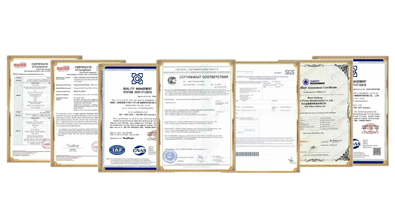
When making purchases, companies must prioritize providers who can show they fully understand how intergranular corrosion works and use the right methods to stop it. The CE/PED 2014/68/EU certification makes sure that safety rules for pressure tools are followed, and the ISO 9001 quality control systems make sure that consistent manufacturing practices are used. GOST-R certification indicates compliance with applicable regulatory requirements for the relevant market, though material quality is also dependent on manufacturer-specific controls and testing.
Major industry approvals from groups like NIOC, ADNOC, and PETROBRAS show that the provider can meet tough operating needs where corrosion resistance is important. Achieving these approvals requires rigorous testing and stringent technical reviews, providing absolute assurance that the materials will perform flawlessly in the most demanding service environments.
Preventive Measures and Maintenance Tips for Steel Fittings
Strategies for prevention rely on choosing the right materials, making sure the design works best, and taking safety precautions that stop intergranular rust from starting and spreading as little as possible. The best methods take into account both the metallurgical factors and the weather elements that affect how grain boundaries are attacked.
Material and Design Optimization
Choosing the right metal mixtures is the first step in stopping intergranular corrosion. Low-carbon stainless steel types, like 316L, keep carbides from forming at the edges of grains. This makes the steel less likely to become sensitized during welding and heat treatment. Solution annealing methods fix the chemistry at the grain boundaries by getting rid of precipitates and redistributing alloying elements evenly in the microstructure.
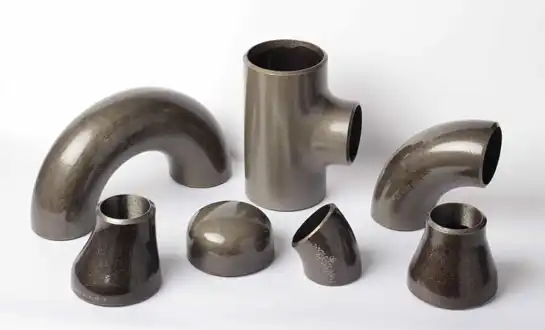
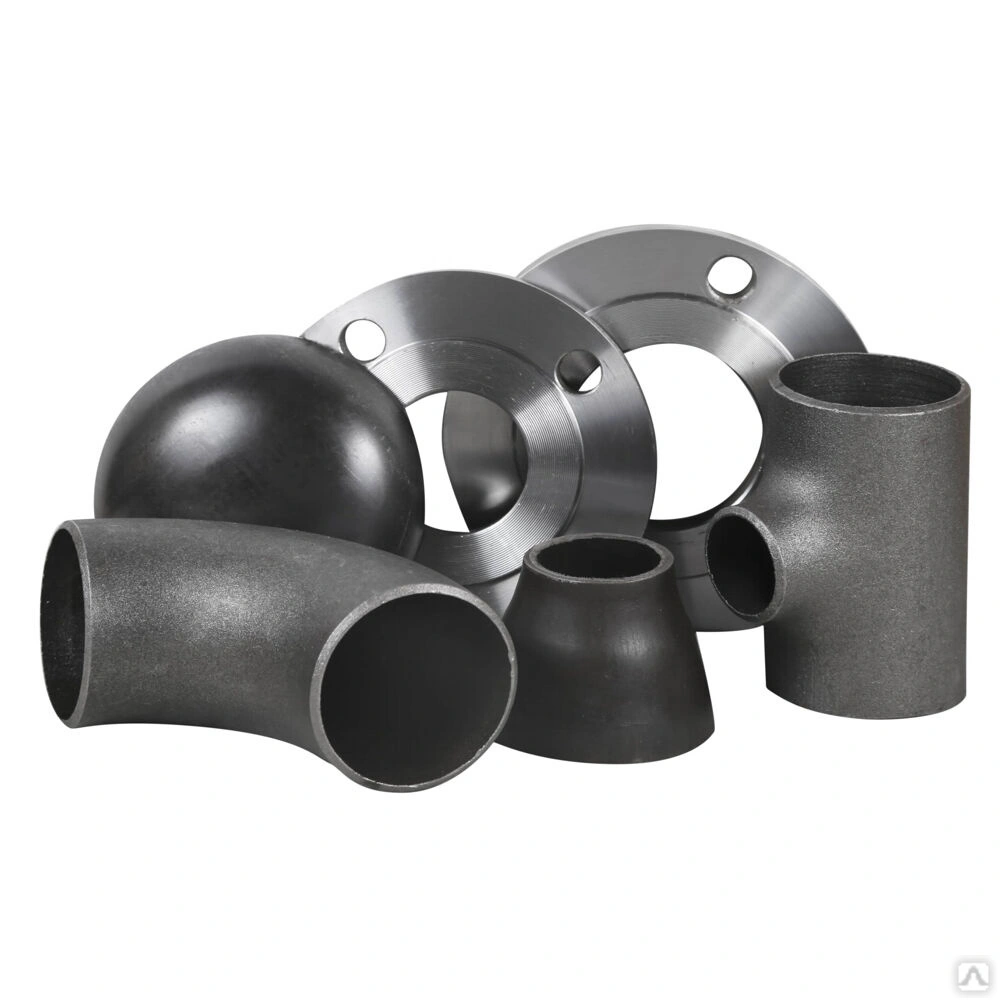
When designing something, butt-weld connections are better than threaded joints in serious situations because the welding contact doesn't have any cracks where harmful chemicals can grow. Custom sizes, like reducing tees and large-diameter 90° elbows made to ASME B16.9 standards, make sure the right fit and reduce stress concentrations that speed up rust. When compared to bonded or manually joined options, seamless construction cuts down on the number of possible starting points.
Installation and Environmental Control
Utilizing proper installation techniques minimizes the mechanical damage that can otherwise turn grain boundaries into ideal initiation sites for localized corrosion. During installation, strictly avoiding excessive cold working prevents strain-induced sensitization, which drastically increases the risk of intergranular attack. Controlled welding parameters, such as managing the heat input and doing a heat treatment after the welding process, help keep the ideal grain boundary chemistry in the areas that were heated up.
The main goal of environmental control methods is to get rid of or lessen the presence of invasive species that encourage intergranular attack. Keeping chloride from getting into the system is especially important because even small amounts can start localized rusting processes. Controlling the water chemistry in steam systems stops the buildup of harmful species that attack grain boundaries when the temperature and pressure change.
Inspection and Monitoring Protocols
Regular inspections help find intergranular rust early, before it does a lot of damage to the structure. Visual inspections and non-destructive tests done regularly give trend data that shows how corrosion is spreading. Ultrasonic thickness readings are used to monitor changes in wall thickness that may indicate material loss over time, and more advanced methods, such as electrochemical tracking, show how rusting is happening in real time.
Condition tracking systems use more than one way to find problems so they can give a full picture of how well a part is working. When these systems are first installed, they take readings to set a baseline. They then keep track of changes over time, which lets predictive maintenance plans figure out the best time to replace parts and reduce the number of unexpected failures.
Case Studies: Detecting and Managing Intergranular Corrosion in Steel Fittings
Petrochemical Processing Facility Success Story
A major petrochemical complex experienced recurring failures in its steam distribution system, with steel fittings leaking within two years of installation despite meeting initial specs. Metallographic research showed that 304 stainless steel parts that were exposed to steam systems contaminated with trace amounts of chlorides had a lot of intergranular corrosion. The study found that areas that were sensitive to grain boundary attack had been made because of poor post-weld heat treatment.
The facility put in place a complete solution that included upgrading the materials to 316L stainless steel, which offers improved resistance to chloride-induced corrosion, and improving the welding processes so that the amount of heat used was limited and a post-weld heat treatment was required. A specialized epoxy finish applied to the surface added extra security in key areas. The new method got rid of problems that happened over and over again and increased service intervals from two years to over eight years. This saved a lot of money because it required less upkeep and made operations more reliable.
Manufacturing Plant Predictive Maintenance Implementation
A large manufacturing plant created a proactive corrosion management program after having fittings fail in their process water systems without warning. To keep track of corrosion action in real time, the program used both regular visual checks and electrochemical impedance spectroscopy readings. Advanced metallographic methods were used to get a thorough look at how corrosion works and how it progresses.
The methodical approach helped find external factors that cause intergranular corrosion, such as changes in water chemistry and effects of temperature cycles. As part of the corrective measures, water cleaning systems were put in place to get rid of aggressive species, and thermal management methods were put in place to keep temperature changes to a minimum. The predictive repair program cut down on unexpected downtime by 75% and increased the average service life of fittings by 40%.
Conclusion
Finding intergranular corrosion in steel fittings requires a deep understanding of how metals work, how the world affects them, and how to check them. When there is a grain boundary strike, it creates special problems that need special ways to find them using both old and new analysis methods. The choice of material is critical. Long-term performance depends on selecting the right alloy, surface treatments, and quality standards. In tough industrial settings, proactive management that minimizes operating risks and maximizes asset reliability is made possible by preventative measures like design optimization, controlled installation processes, and regular monitoring programs.
FAQ
Q1: What are the early warning signs of intergranular corrosion in steel fittings?
Early warning signs include discoloration on the surface that runs in straight lines, microcrack networks that can be seen under a microscope, and surface textures that aren't like the normal rust patterns. A metallographic study may show scratching at the grain boundaries and the formation of precipitates, before damage to the surface can be seen.
Q2: Which steel materials offer the best resistance to intergranular corrosion?
Low-carbon stainless steel types like 316L and some alloy steels are more resistant. This is because they have less grain boundary precipitation. The right way to heat treat and join has a big effect on performance, no matter what base material is used.
Q3: How often should steel fittings be inspected for intergranular corrosion?
The number of inspections needed depends on the service conditions. For example, aggressive settings need eye checks every three months and non-destructive tests once a year. Based on past performance data and a risk estimate, inspections may be done every six months or once a year for less demanding uses.
Q4: Can intergranular corrosion be repaired, or does it require complete replacement?
Because grain border damage is spread out, extensive intergranular rust usually means that the whole thing needs to be replaced. Material removal and patch welding can help with limited surface attack, but it is still important to check the structure's stability.
Partner with RAYOUNG for Superior Corrosion-Resistant Steel Fittings
Industrial workers looking for dependable steel fittings manufacturers will find that RAYOUNG's all-around approach solves problems with intergranular rust by using cutting-edge materials and manufacturing methods that have been shown to work. We offer products made from carbon steel, alloy steel, and stainless steel. The surfaces of these metals are treated in different ways, such as with sandblasting and anti-rust oil, water-based, eco-friendly paint, and epoxy coating methods that make them more resistant to rusting. A full set of certifications, including CE/PED 2014/68/EU, ISO 9001, and GOST-R standards, makes sure that the product meets all regulations, and big industry approvals from NIOC, ADNOC, and PETROBRAS prove that it works well. Custom size options, such as reducing tees and large-diameter 90° elbows made to ASME B16.9 standards, let you get solutions that are perfect for your needs. Get in touch with our technical team at info@hb-steel.com to talk about your needs for corrosion-resistant fittings and find out how our knowledge helps your business run smoothly by using high-quality materials and manufacturing techniques.
References
1. American Society of Mechanical Engineers. "Materials and Manufacturing Standards for Butt-Welding Steel Fittings." ASME B16.9-2018 Pressure Piping Standards.
2. Davis, J.R., ed. "Corrosion Mechanisms in Steel Piping Systems." ASM International Handbook of Corrosion Engineering, Third Edition, 2019.
3. European Committee for Standardization. "Steel Pipe Fittings - Technical Delivery Conditions for Butt-Welding Fittings." EN 10253-2:2018 European Standards.
4. Jones, M.K. "Intergranular Corrosion Detection in Industrial Piping Systems." Journal of Materials Engineering and Performance, Volume 28, Issue 4, 2019.
5. National Association of Corrosion Engineers. "Standard Test Methods for Detecting Susceptibility to Intergranular Attack in Stainless Steels." NACE Standard TM0177-2016.
6. Petroleum Institute Standards Committee. "Recommended Practices for Corrosion Management in Oil and Gas Facilities." API RP 571: Damage Assessment Guidelines, 2020 Edition.

Need a quote? Want to see samples? Just say hello. We’re friendly. We’re fast. And we’re ready when you are.
Welcome to RAYOUNG – Strong Pipes, Stronger Promise