How Testing Standards Reduce Pipeline Failure Risks
Testing standards lower the chances of pipeline failure by setting strict quality standards that check the safety and performance of important parts before they are installed. Pipe fittings go through a lot of tests to make sure they can handle pressure, last a long time, and be the right size. This makes sure they can handle practical loads without putting system safety at risk. These standardized evaluation methods find possible flaws early on, stop failures that cost a lot of money, and give procurement experts faith that the parts they choose will work reliably and for a long time in tough industrial settings.
Understanding Pipeline Failures and Their Causes
Pipeline system failures represent one of the most expensive and risky problems that factories have to deal with these days. According to industry safety analyses from pipeline regulatory authorities, a significant portion of major pipeline accidents in industrial environments are associated with material degradation or equipment failure.
Common Failure Mechanisms in Pipeline Systems
Material deterioration is a major cause of pipeline accidents. For a long time, corrosion breaks down metal parts, especially in places with a lot of water or chemicals. Temperature changes cause thermal stress, which weakens joint connections. Choosing the wrong material can also cause a component to break down too soon under working pressures.
Installation systems are immediately vulnerable when there are problems with the installation. When you don't use the right welding methods, the torque specs are off, and the joints aren't lined up right, stress builds up and leads to bigger problems. A lot of procurement workers don't realize how important it is to match fitting specs to actual system requirements. This leads to components that are too small and cannot handle the design pressures.
Why Pipe Fittings Become Critical Failure Points
Connection points represent the most vulnerable areas in any pipeline system. Pipe fittings have to move loads from one piece of pipe to another while keeping the pressure stability even when the conditions of use change. Straight pipe runs spread stress evenly, but fittings focus forces at certain points, which makes them more likely to break if quality standards aren't met.
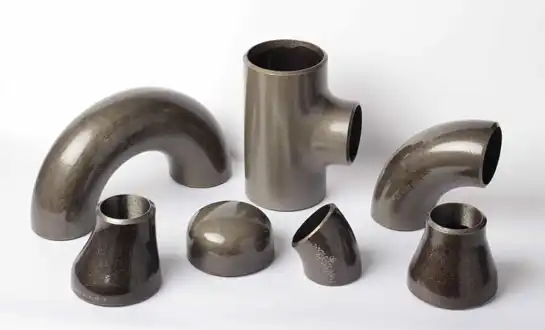
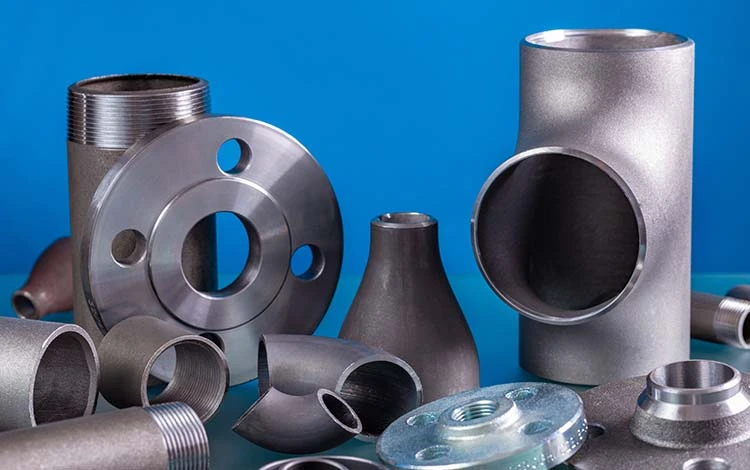
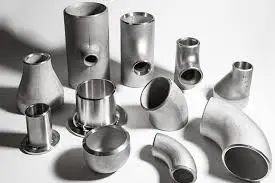
The complexity of fitting geometries adds to the challenges that need to be addressed. Reducers deal with pressure differences across changes in diameter, elbows change the direction of flow while controlling directional forces, and tees spread loads across various flow paths. To keep the structure from leaking or breaking down under regular working conditions, each configuration needs a different set of material properties and manufacturing precision.
Overview of Testing Standards for Pipe Fittings
International testing organizations have developed comprehensive standards that cover every part of performance and safety. These standards make sure that quality is the same across global supply lines and give procurement workers reliable ways to choose parts.
Major International Testing Standards
The American Society for Testing and Materials (ASTM) sets basic requirements for the properties of materials. For example, ASTM A197 sets the standards for malleable iron parts, and ASTM A153 sets the standards for galvanizing. These standards set minimum tensile strengths, chemical makeup limits, and layer thickness requirements that have a direct effect on how long a component lasts.
According to the ISO 9001:2015 quality management standard, producers are required to establish and maintain quality management systems covering the production process. This thorough method makes sure that every fitting meets certain standards before it leaves the plant. This lowers the chance that faulty components will get to end users.
The American Petroleum Institute (API) sets guidelines that are specific to oil and gas uses, where failure can have very bad results. These standards include better ways to test for pressure and tighter rules for keeping track of materials, which help keep key infrastructure applications safe.
Key Testing Methodologies
In hydrostatic pressure testing, pipe fittings are put under water pressures that are higher than their normal working settings. These pressures are usually between 1.5 and 3 times the working pressure rate. This testing finds flaws in the way the parts were made, like holes in the casts or walls that aren't too thick, which could cause them to break in normal use.
Dimensional testing makes sure that the fitting specs are in line with foreign standards, such as ISO 7-1 for BSPT connections or ANSI B1.20.1 for NPT threads. Precise thread shape makes the interference fit needed for pressure-tight seals, and accurate measurements stop cross-threading while the seal is being installed.
Material makeup analysis proves that the chemicals in the raw materials meet certain standards. X-ray fluorescence spectroscopy checks the alloy content in stainless steel fittings, and carbon analysis checks that carbon steel components have the right material qualities.
How Testing Standards Help Reduce Pipeline Failure Risks
By finding possible problems before components are put into service, strict testing methods add multiple layers of defense against pipeline failures. This proactive method cuts down on the safety risks and costs of unexpected shutdowns by a large amount.
Early Defect Detection and Prevention
Quality control testing finds flaws in the production process that an eye check might miss. Pressure testing finds problems inside casting processes, and metallurgy research finds differences in materials that might affect their long-term performance. Because of these thorough tests, faulty components don't get to installation places, where they could cause serious problems.
Using statistics to look at test results helps companies keep making their production methods better. When testing shows patterns of dimensional variation or material inconsistency, manufacturers can change the way they make things so that these problems don't happen again in later production runs. This feedback process makes products more reliable across the whole business.
Ensuring System Compatibility and Performance
Standards for testing make sure that pipe fittings will work right in a certain system. Tests that measure pressure make it easy to choose the right material for the job, and tests that measure temperature make sure that materials will keep their features under normal use.
Compatibility testing makes sure that parts from different makers will reliably work with each other. Standardized thread specs and dimensional limits allow mixing of components from different sources without affecting the integrity of the system. This gives buyers more options while still meeting safety standards.
Real-World Impact on Failure Reduction
Industry studies show that thorough testing guidelines can lower the number of failures. A big petrochemical plant said that fitting-related failures went down by 67% after the provider made them follow full testing paperwork and licensing rules.
Municipal water systems that require testing compliance have led to much lower upkeep costs and fewer service delays. The initial cost of buying authorized parts usually pays for itself in two years, thanks to fewer emergency fixes and no lost water service.
Selecting Pipe Fittings: Balancing Testing Standards with Procurement Needs
To do good procurement, you have to find a balance between strict quality standards and realistic issues like cost, delivery times, and the supplier's skills. When making smart buying choices, testing needs and practical needs should be taken into account so that performance and value are both maximized.
Material Selection Based on Testing Results
Carbon steel fittings offer excellent strength and cost-effectiveness for many applications, with testing data confirming their suitability for standard pressure and temperature ranges. Galvanized coatings provide corrosion protection that extends service life in outdoor or high-humidity environments, as validated through salt spray testing protocols.
Stainless steel components are better at resisting corrosion and handling high temperatures, which is especially useful in chemical processes. Rigorous testing data demonstrates that 316L stainless steel reliably maintains its structural performance at elevated temperatures, whereas carbon steel is highly susceptible to accelerated oxidation and significant strength reduction under similar high-temperature conditions.
Supplier Qualification and Verification
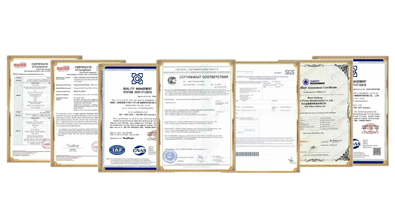
Reliable providers have full quality control systems that keep records of how each production batch was tested and what the results were. RAYOUNG is a good example of this method because it is ISO 9001:2015 certified and follows GOST-R, which makes sure that the standard of all of its products is the same.
Supplier checks make sure that testing equipment is properly calibrated and that employees follow the rules. Third-party certifications from groups like SGS make sure that quality systems are working properly. This gives buying pros more faith in the abilities of suppliers.
Balancing Cost and Quality Considerations
Pipe fittings of higher quality that pass strict testing standards usually cost more, but the return on that investment is significant in the form of lower upkeep costs and longer service life. When calculating the total cost of ownership, you should include failure costs, repair costs, and productivity losses.
Agreements to buy in bulk can lower the cost per unit while keeping quality standards high. Many providers offer discounts on large orders that come with full testing paperwork and certification. This makes it easier for big projects to afford high-quality components.
Best Practices for Installation and Maintenance to Complement Testing Standards
Even the highest-quality components require proper installation and maintenance to achieve their full performance potential. By following the manufacturer's instructions and best practices in the industry, you can be sure that the performance that has been tested will work reliably in the field.
Installation Protocols for Tested Components
Proper handling preserves the integrity of tested components during installation. Galvanized coatings can be damaged by rough handling or bad storage, compromising corrosion protection even when the underlying fitting meets all testing standards. Keeping things in dry places keeps them from collecting water that could start rusting before they are installed.
To prevent damage from happening during assembly, thread preparation needs to be done carefully. Using the right thread sealer and following the torque specs keeps fittings from being over-tightened, which could crack them, or under-tightened, which could let leaks happen. Installation teams should learn the right way to use quality components so that they are worth as much as possible.
Ongoing Maintenance and Inspection Programs
Regular inspection programs help identify wear trends and potential issues before they become critical problems. Visual checks can find rust, mechanical damage, or joint movement that shows stress in the system. When you act quickly, you can stop small problems from getting worse and leading to big mistakes.
Once the complete piping system assembly is finished, comprehensive pressure tests are conducted to ensure all components and connections strictly meet design standards.This testing makes sure that the integrity checked during component testing was maintained during installation. This gives confidence that the system will work as it should.
Leveraging Testing Data for Continuous Improvement
Performance tracking data helps make better choices about what to buy in the future by showing which components work best in specific applications. Keeping track of the failure rates and upkeep needs for various fitting types and suppliers gives useful information for creating specifications and choosing providers.
Recording how things worked in the field compared to what the tests said they would do proves that the testing standards work and shows where they can be improved. This method, which is based on data, lets procurement standards and quality needs be improved all the time.
Conclusion
Standards for testing build a foundation of dependability that protects investments in infrastructure and ensures operating safety in a wide range of industry settings. Purchasing experts can be sure that pipe fittings will work as expected under certain situations because of the thorough evaluation processes set up by international organizations. Setting strict testing standards lowers the chance of failure by a large amount and supports maintenance strategies that save money. For success, you need to combine testing standards with realistic purchasing issues, choose suppliers with well-documented quality systems, and put parts in a way that keeps them in good shape for as long as they're used.
FAQ
Q1: Why are testing standards critical when buying pipe fittings?
Testing standards ensure pipe fittings meet established quality, safety, and performance criteria, reducing the risk of leaks, bursts, and costly downtime, thereby protecting infrastructure investments. These protocols validate material properties, dimensional accuracy, and pressure capabilities before components enter service.
Q2: How do I verify if a pipe fitting supplier complies with testing standards?
Verify supplier compliance by checking for internationally recognized certifications such as ISO, ASTM, or API, requesting detailed test reports, and reviewing third-party audits or industry testimonials. Reputable suppliers provide comprehensive documentation that demonstrates adherence to relevant standards.
Q3: Can testing standards guarantee zero pipeline failures?
While stringent testing standards greatly reduce risks, pipeline reliability also depends on factors like proper installation, ongoing maintenance, and operational environment conditions. Testing provides a solid foundation, but system integrity requires attention throughout the entire lifecycle.
Q4: What specific tests should I require from pipe fitting suppliers?
Essential tests include hydrostatic pressure testing, dimensional verification, material composition analysis, and corrosion resistance evaluation. The specific testing requirements depend on your application conditions, including pressure, temperature, and environmental factors.
RAYOUNG: Your Trusted Pipe Fittings Manufacturer for Certified Quality
RAYOUNG delivers comprehensive solutions for industrial pipeline projects through our extensive range of tested and approved components. Our ISO 9001:2015 certified manufacturing processes ensure that every single pipe fitting meets rigorous international quality standards while still delivering highly competitive pricing for volume orders. The combination of SGS approval, GOST-R compliance, and rigorous quality control provides procurement workers with confidence in component reliability and performance. Email our technical team at info@hb-steel.com to talk about your particular needs and get full product specs that meet your standards for testing and certification. Because of our unwavering dedication to uncompromising quality and rigorous testing standards, RAYOUNG is your premier manufacturing partner for procuring pipe fittings for critical infrastructure projects worldwide.
References
1. American Society for Testing and Materials. "Standard Specification for Malleable Iron Threaded Fittings." ASTM A197/A197M-15.
2. International Organization for Standardization. "Quality Management Systems - Requirements." ISO 9001:2015.
3. American Petroleum Institute. "Specification for Threading, Gauging, and Thread Inspection of Casing, Tubing, and Line Pipe Threads." API Specification 5B.
4. Pipeline and Hazardous Materials Safety Administration. "Annual Report on Pipeline Safety." U.S. Department of Transportation, 2023.
5. American Society of Mechanical Engineers. "Process Piping Design and Engineering." ASME B31.3-2020.
6. British Standards Institution. "Pipe Threads for Tubes and Fittings Where Pressure-Tight Joints are Made on the Threads." BS EN ISO 7-1:2013.

Need a quote? Want to see samples? Just say hello. We’re friendly. We’re fast. And we’re ready when you are.
Welcome to RAYOUNG – Strong Pipes, Stronger Promise