Inspection Checklist for Offshore Certified Fittings
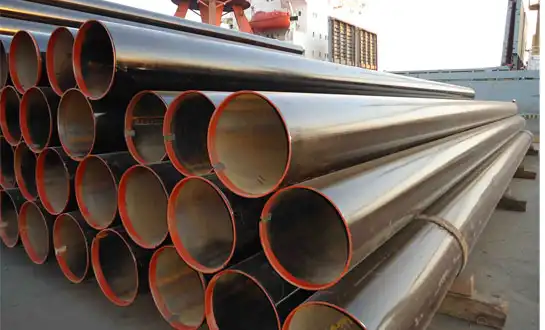
When buying parts for marine installations, it's important to have a thorough inspection plan for offshore-approved fittings to make sure the project goes well and safety rules are followed. Offshore pipe fittings are used in some of the harshest environments in the world. Corrosion from saltwater, huge changes in pressure, and difficult weather put every part to the test. Systematic inspection procedures for quality assurance help procurement professionals find reliable sources while lowering business risks and making sure that international standards are met.
Introduction
Offshore installations need to be as safe and reliable as possible, which is why approved pipe fittings are so important for keeping operations running smoothly. These special fittings make sure that strict industry standards are met, which are made to handle the tough circumstances of marine settings. This complete guide provides a focused inspection plan for B2B buyers sourcing certified fittings from international suppliers.
Because of the unique challenges of the marine industry, parts must be able to handle being exposed to saltwater all the time, extreme temperature changes, and high-pressure operations. Comprehensive inspection standards for quality assurance help procurement managers, engineers, and OEM clients reduce risks and make the best buying choices. This methodical approach makes sure that supply chains meet the requirements and standards for dependability of global offshore projects. This protects both people and large investments in infrastructure.
Understanding Offshore Certified Fittings
Marine systems use components manufactured in accordance with standards such as ASME B16.9, EN 10253, relevant API specifications, and applicable GOST standards. These guidelines make sure that fittings can survive harsh conditions at sea and keep their structural integrity over the course of their useful life. To make good inspection routines, you need to know about the different kinds of pipe fittings that are used in offshore applications.
Essential Types of Marine Pipe Components
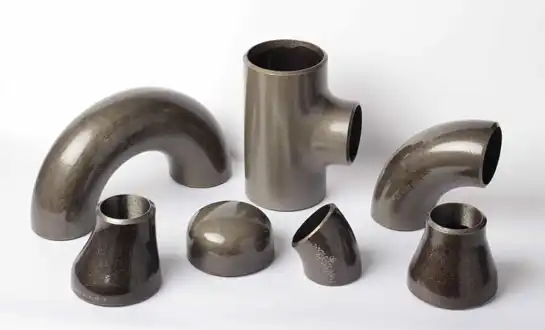
In marine engineering, various types of heavy-duty pipe fittings are deployed to perform specific, critical functions within complex offshore piping systems. Elbows change the flow routes while maintaining stable flow and pressure conditions. 90-degree configurations are very common in marine setups with limited room. For complicated offshore distribution systems, reducing tees are necessary because they allow flow to go in more than one way and handle pipes of different sizes. Reducers make it easy to switch between pipes with different sizes, which is important for improving flow patterns in different parts of the system.
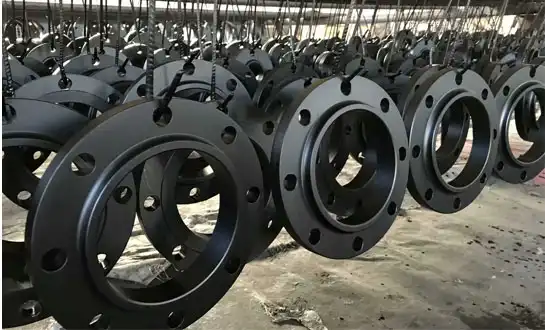
Flanges make connections safe and facilitate maintenance activities. They also make sure that seals don't break when pressure is high. Because repair activities that take place offshore are very expensive and dangerous, these parts must show that they are very reliable.
Material Selection and Performance Characteristics
The choice of material has a direct effect on how well a fitting works in sea settings. When properly protected against corrosion, carbon steel can be used in many offshore applications because it is strong and doesn't cost a lot. Alloy steel is stronger and can handle higher temperatures better than regular steel. It is perfect for high-stress situations with high pressure or extreme temperatures.
Stainless steel provides superior corrosion resistance, so it requires less long-term care and lasts longer in saltwater settings. To get the most out of each type of material, the surface needs to be treated in a certain way. Using sandblasting to prepare the surface and then applying anti-rust oil gives good short-term protection while it is being stored and installed. Water-based coating systems can provide corrosion protection while helping meet environmental compliance requirements. For parts that need to be serviced more often, epoxy coating systems provide durable, long-term corrosion protection.
Inspection Checklist: Core Aspects for Offshore Certified Fittings
Systematic inspection methods focus on important areas of quality control that are needed for marine uses. A visual inspection finds any problems that might affect the safety or success of the activity. Dimensional verification makes sure that the product fits properly within current systems by verifying compliance with specified dimensional tolerances.
Visual and Dimensional Assessment Procedures
According to the rules for visual inspection, all fitting surfaces must be carefully looked at for cracks, rust markers, or deformation signs that could mean the product was made incorrectly or was damaged during transport. Surface finish quality directly affects coating adhesion, so it is important to do a careful evaluation. It is important to verify that dimensions are within specified tolerances, since even small differences can cause stress concentrations or sealing issues in high-pressure situations.
When inspecting threaded fittings, thread pitch, depth, and surface condition are checked to ensure proper thread engagement and sealing performance. Weld preparation areas need to have clean, smooth surfaces that are free of anything that could damage the structure of the joint.
Material and Certification Verification
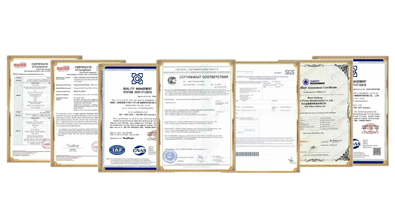
Material test reports are important for traceability because they prove that chemical composition and mechanical properties meet the standards. Offshore pipe fittings must come with a lot of paperwork showing that they meet the standards that apply, like PED 2014/68/EU compliance, ISO 9001 certification, and GOST-R certification. Certifications for heat treatment make sure that the right steps were taken to process the material in the best way possible.
Mill test papers prove the quality of the raw materials and show where they came from, which is important for making sure quality throughout the whole supply chain. Third-party inspection reports are an independent way to make sure that the quality of the manufacturing and compliance with certain standards are met.
Functional Testing and Non-Destructive Evaluation
Hydrostatic pressure testing is commonly used to verify fitting integrity under pressures higher than normal operating conditions within specified safety margins. In certain applications, pneumatic testing may also be performed under carefully controlled safety conditions. However, safety rules say that the pressure must be carefully controlled and the right protection steps must be taken.
Some non-destructive testing methods are ultrasound inspection for finding flaws inside, magnetic particle inspection for finding cracks on the surface, and dye penetrant testing for finding small surface gaps. These methods provide a comprehensive evaluation of fitting integrity without damaging the integrity of the fitting.
Comparing Offshore Certified Fittings: Decision Factors for Procurement
To make good buying choices, you need to find a balance between technical performance needs, cost factors, and supplier reliability factors. Knowing the pros and cons of each type of material helps lower the total cost of ownership while maintaining operating dependability.
Material Performance and Cost Analysis
For situations where proper corrosion protection can be maintained, carbon steel fittings are a good choice because they are strong and don't cost too much. However, ongoing maintenance requirements and possible replacement prices must be taken into account when figuring out the total cost of ownership. Stainless steel choices are more resistant to corrosion, so they need less upkeep and last longer, but they cost more at first.
Alloy steel materials offer performance characteristics between carbon steel and stainless steel. They offer better performance for some high-temperature or high-pressure uses. Custom metal formulas can meet the specific needs of an application while still being cost-effective.
Supplier Evaluation and Quality Assurance
When a supplier is qualified, their licenses, manufacturing skills, and quality control systems are all looked at. Suppliers that have obtained vendor approvals from organizations such as NIOC, ADNOC, and PETROBRAS have shown that they can meet strict offshore standards. Suppliers of offshore pipe fittings must keep detailed records of quality and provide technical support throughout the procurement process.
When working on projects abroad, where delays can cost a lot and put people in danger, delivery dependability is very important. Suppliers who already have established transportation and inventory management systems improve project reliability and scheduling flexibility.
Maintenance and Longevity: Best Practices for Offshore Fittings
To make fittings last as long as possible, they need to be maintained in a way that works in marine environments. Offshore uses often have faster corrosion rates and stress cycle effects that need to be taken into account in routine inspection plans.
Preventive Maintenance Strategies
Based on the amounts of environmental exposure and operating stress factors, regular inspection intervals should be established. Components located in highly corrosive splash zones naturally require much more frequent inspections than those situated in protected or less exposed areas.Checking the state of the coating helps find places that need care before they rust badly.
Monitoring cathodic protection systems helps ensure continued electrochemical corrosion protection for as long as the fitting is used. If you keep good records of inspection results, you can use trend analysis to figure out when maintenance is due and when to replace things.
Failure Mode Recognition and Response
Some common ways things fail are wall thinning caused by rust, stress corrosion cracking (SCC), and fatigue cracking at stress concentration points. By using routine inspections to find problems early on, big problems that could threaten safety and damage the environment can be avoided.
When deciding whether to replace something, the factors to consider are remaining wall thickness, the rate at which cracks spread, and how important the affected system is. Any replacement fittings must strictly meet or exceed the original applicable standards and certification requirements to maintain overall system integrity and ensure absolute regulatory compliance.
Conclusion
Using thorough inspection procedures for offshore-approved fittings makes sure the project is a success and lowers operating risks and upkeep costs. Reliable overseas operations are built on quality assurance that evaluates visual condition, dimensional accuracy, material certification, and functional performance in a planned way. When purchasing, procurement professionals select qualified suppliers with a history of quality work and full quality paperwork; they protect their companies from costly failures and safety incidents, and make sure they follow international standards and environmental laws.
FAQ
Q1: What inspection intervals are recommended for offshore pipe fittings?
Inspection frequency depends on environmental exposure and system criticality. High-splash zones typically require quarterly visual inspections, while protected areas may extend to semi-annual schedules. Detailed thickness measurements and coating evaluations should be done annually, and more often in harsh settings.
Q2: Which documentation is required to verify offshore fitting authenticity?
Material test reports, mill certificates, heat treatment records, dimensional inspection reports, and related standard compliance documents related to PED 2014/68/EU, ISO 9001, and GOST-R are all important pieces of paperwork. Third-party inspection reports add another layer of security to critical applications.
Q3: Can custom offshore pipe fittings maintain full certification compliance?
When custom parts are made according to well-known standards like ASME B16.9, EN 10253, or GOST, they can maintain compliance with applicable certification and inspection requirements. Custom shapes, like reducing tees and large-diameter elbows, need to be properly analyzed and tested by engineers to make sure they work well in certain situations and meet standards.
Partner with RAYOUNG for Certified Offshore Pipe Fittings
RAYOUNG is a premier manufacturer and trusted supplier of industry-leading offshore pipe fittings. Through our comprehensive product range and rigorous quality assurance programs, we deliver certified solutions engineered to excel in the world's most demanding marine applications. Our carbon steel, alloy steel, and stainless steel parts are made to exacting standards set by ASME B16.9, EN 10253, and GOST. They also have high-tech surface processes like sandblasting, anti-rust oil, and epoxy finishing systems. We provide the documentation, traceability, and performance reliability required for demanding offshore projects through compliance with PED 2014/68/EU requirements, ISO 9001 certification, and GOST-R certification, as well as vendor approvals from organizations such as NIOC, ADNOC, and PETROBRAS. Get in touch with us at info@hb-steel.com to talk about your needs and find out why offshore project contractors and industrial buyers choose RAYOUNG for critical marine applications.
References
1. American Society of Mechanical Engineers. "ASME B16.9 Factory-Made Wrought Buttwelding Fittings." New York: ASME Press, 2018.
2. European Committee for Standardization. "EN 10253 Butt-welding Pipe Fittings - Part 2: Wrought Austenitic and Austenitic-Ferritic Stainless Steels." Brussels: CEN Publications, 2017.
3. International Organization for Standardization. "ISO 14692 Petroleum and Natural Gas Industries - Glass-fibre Reinforced Plastics (GRP) Piping." Geneva: ISO Publications, 2019.
4. Det Norske Veritas. "DNV-RP-F101 Recommended Practice for Corroded Pipelines." Oslo: DNV GL Technical Standards, 2020.
5. American Petroleum Institute. "API Specification 5L: Specification for Line Pipe." Washington: API Publishing Services, 2018.
6. Russian Federal Agency for Technical Regulation and Metrology. "GOST 17378 Steel Welded Pipe Fittings." Moscow: Standartinform Publishing, 2019.

Need a quote? Want to see samples? Just say hello. We’re friendly. We’re fast. And we’re ready when you are.
Welcome to RAYOUNG – Strong Pipes, Stronger Promise