Welded vs Seamless Pipes: Which Suits Saudi Projects
When project managers in Saudi Arabia's tough industrial landscape have to choose between welded and seamless pipes, they have to look at a lot of things, such as the required pressure ratings, corrosion resistance, and overall project costs. When it comes to cost, welded pipes are better for building and utility work, while seamless pipes are better for high-pressure oil and gas infrastructure. The decision is based on the needs of the project, the environment, and the expected long-term performance. The harsh desert climate and large petrochemical industry in Saudi Arabia make the country's pipe selection very important for safety, compliance, and operating efficiency throughout the lifecycle of the project.
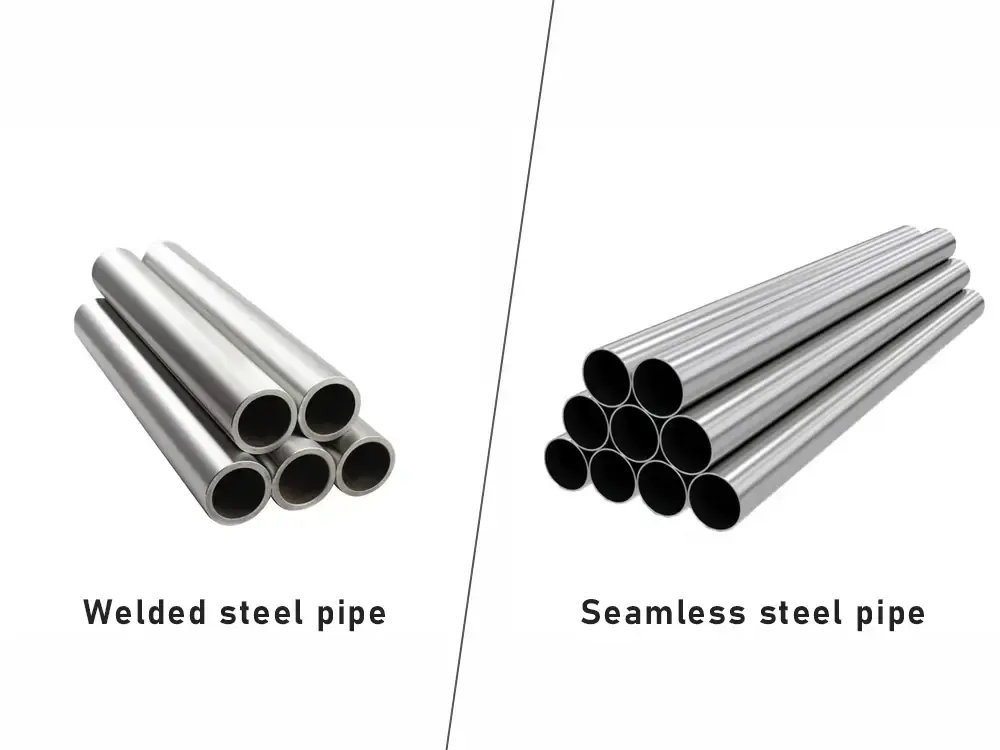
Understanding Welded and Seamless Pipes: Definitions and Manufacturing Processes
The fundamental difference between pipe manufacturing methods directly impacts performance characteristics and cost structures in Saudi projects. Understanding these distinctions helps procurement professionals make informed decisions that align with project specifications and budget constraints.
Welded Pipe Manufacturing and Variants
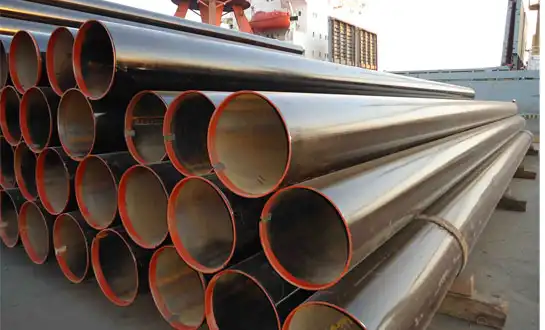
Welded pipes are made from flat steel plates or tubes using different types of welding. In Electric Resistance Welding (ERW), steel strips are rolled into cylinders, and the seams are joined by electrical resistance. This method ensures a uniform wall thickness and surfaces that are smooth enough for medium-pressure uses. Longitudinal Submerged Arc Welding (LSAW) and Spiral Submerged Arc Welding (SSAW) are two types of submerged arc welding. For larger-diameter applications, LSAW pipes use straight seam welding, while SSAW makes helical seams that spread stress more evenly throughout the pipe structure. These methods make it possible to make large-diameter pipes that are required for Saudi Arabia's large pipeline networks. When you weld, you create a heat-affected zone along the seam. This needs close quality control to keep the structure strong. With today's welding methods, you can make joints that are up to international standards, but the seam may still represent a potential weak point in harsh conditions.
Seamless Pipe Production Methods
Through piercing and rolling methods that get rid of all weld seams, solid steel billets are turned into seamless steel pipes. The first step in the production process is preparing the billet, which involves heating solid steel to temperatures above 1200°C. A piercing mill uses rotary piercing to create the initial cavity, and a mandrel to make the center cavity while keeping the material's continuity. The empty billet is stretched and shaped into precise dimensions through rolling and shaping. The process of hot rolling keeps the temperature high the whole time, which makes pipes with great strength. Cold rolling gives the metal a better finish on the outside and more accurate measurements, but it costs more to make. The seamless manufacturing process makes the pipe wall's grain structure the same all the way through, so there are no structural breaks like there are in welded options. When pipes are made this way, they have better mechanical and pressure resistance qualities, but they can't be as big as pipes that are welded because of production issues.
Performance Comparison: Welded vs Seamless Pipes in Saudi Projects
Saudi Arabia's industrial environment presents unique challenges that significantly influence pipe performance requirements. The combination of high temperatures, corrosive conditions, and demanding operational pressures requires careful evaluation of pipe characteristics.
Pressure Resistance and Structural Integrity
Seamless pipes can handle more pressure than welded pipes because their walls are all the same width and there are no welded seams. In important situations, the continuous grain structure can handle higher pressures than comparable welded pipes. This benefit is especially useful for Saudi Arabia's oil and gas infrastructure, where broken pipelines can pose serious safety risks and cost the country a lot of money. The pressure resistance of welded pipes is sufficient for most industrial applications, as modern ERW and SAW processes ensure high structural integrity.Even though the welded seam might be weaker than the parent material, it meets strict quality standards if it is made and checked correctly. Modern welding methods keep the strength loss at the seam to a minimum, making pipes that can handle medium-pressure situations. The comparison of structural integrity shows that seamless pipes have properties that remain consistent around the circumference, while welded pipes may have small changes near the weld zone. When there is cyclic loading, thermal expansion, and high-pressure processes like those found in Saudi Arabia's petrochemical plants, this difference becomes very important.
Corrosion and Thermal Resistance
Pipes in Saudi Arabia's harsh desert climate are exposed to large changes in temperature, sandstorms, and substances that could damage them. Seamless pipes are more resistant to rust because the material is all the same, and there are no welded joints where corrosion could start. The structure of the continuous grains is consistently resistant to chemical attack and weather damage. When protecting welded lines from corrosion, extra care needs to be taken, especially at the weld zone, where heat treatment during welding can change the properties of the material. These problems can be solved with the right post-weld heat treatment and protective coatings, but they make the fitting process more difficult and cost more. The thermal cycle, which happens when the temperature changes from day to night in Saudi Arabia, has different effects on each type of pipe. Thermal expansion behavior in seamless pipes is generally more uniform, but welded pipes may change slightly because the thermal properties along the weld seam are different. When long-distance pipes go through Saudi Arabia's vast deserts, this becomes an important consideration.
Cost Analysis and Procurement Considerations for Saudi B2B Clients
Economic factors significantly influence procurement decisions, particularly for large-scale Saudi infrastructure projects where cost optimization directly impacts project viability and profitability.
Price Comparison and Production Economics
Welded pipes usually cost 20–30% less than seamless pipes because they are easier to make and can be made at higher rates. Welded pipes can be made in long continuous lengths, which cuts down on waste and production time. This saves money and is good for projects that need to meet budget constraints. To make seamless pipes, you need to use more complicated techniques, special tools, and longer production cycles. Because of these things, the base price goes up, but the better performance might be worth it in important situations. To figure out the total cost of ownership, you have to add up the prices of installation, maintenance, and possible failures over the pipe's useful life. Availability in the market has a big effect on how prices change. Since welded pipes can be bought from more than one source, prices are more likely to be competitive. It may be hard to find suppliers of seamless pipes, especially in bigger diameters and specialized grades. This could affect delivery times and your ability to negotiate.
Supplier Evaluation and Quality Assurance
To find reliable suppliers, you need to look at their manufacturing skills, quality control methods, and ability to meet international standards. Reliable makers keep up with standards like ASTM A312, ASTM A790, ASME SA312, and ANSI B36.19 certifications that make sure the quality of their products stays high. Protocols for material testing, dimensional inspection, and pressure testing must all be part of quality assurance methods. Advanced providers offer full test certificates, traceability paperwork, and third-party inspection services that help projects meet their compliance requirements. Supply chain logistics are hard for Saudi projects because of where they are located and the infrastructure requirements. Suppliers with well-established distribution networks, local inventory, and fast shipping options can cut down on project delays and the costs that come with them by a large amount.
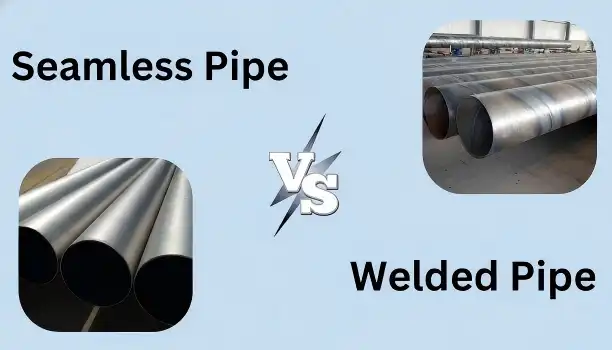
Practical Applications and Industry Use Cases in Saudi Arabia
Saudi Arabia's diverse industrial sectors require different pipe solutions based on specific operational requirements, regulatory compliance, and performance expectations.
Oil and Gas Infrastructure Applications
Pipes that can handle high pressures, corrosive fluids, and harsh working conditions are needed for the Kingdom's large oil and gas operations. For upstream uses like wellhead connections, high-pressure gathering systems, and important process plumbing where failure would be very bad, seamless pipes are the most common choice. Both types of pipes are used carefully in refineries and petrochemical plants. For critical high-pressure applications like reactor systems, heat exchangers, and main process lines, seamless pipes are the optimal choice. Welded pipes are used in utility systems, lower-pressure process lines, and structural settings where saving money is more important than getting the best performance. Pipeline transportation systems that go for hundreds of kilometers need to carefully choose the materials they use based on the working pressures, the terrain, and the weather. Most transmission pipelines are made of large-diameter welded pipes, while high-pressure gathering and delivery systems use seamless pipes.
Construction and Utility Projects
Saudi Arabia's cities are growing quickly, which means there is a big need for public infrastructure like water distribution, sewage systems, and building services. Welded pipes work well in these situations because they are cheap, come in big diameters, and perform well at normal utility pressures. Both types of pipes are used in structural applications in construction projects, based on load and architectural requirements. For important parts of a structure, seamless pipes are stronger, while welded pipes are better for general building needs where cost is more important. When building an industrial plant, different types of pipes are needed, from high-performance seamless pipes for important processes to cheaper welded pipes for support systems. Using both types of pipes together in a smart way lowers project costs while still meeting performance standards.
Procurement Best Practices and Solutions for Saudi B2B Clients
Effective procurement strategies combine technical requirements with commercial considerations to achieve optimal project outcomes. RAYOUNG's comprehensive approach addresses these complex needs through specialized expertise and proven solutions.
Strategic Supplier Partnership Approach
RAYOUNG has teamed up with certified mills all over China to make sure they always have access to high-quality pipes that are seamless or welded and meet foreign standards. Because of these connections, prices are reasonable, delivery times are reliable, and Saudi projects can get the specialized goods they need. Our quality assurance program includes strict testing guidelines, detailed paperwork, and verification services from a third party. Each shipment of pipes comes with full material certifications, dimensional records, and pressure test results that help meet project compliance and quality goals. As part of technical support services, application engineering, assistance with material selection, and installation suggestions that are specific to Saudi Arabia's working environment are all available. This knowledge helps clients make the best choices about which pipes to buy and avoid making costly mistakes in the specifications that could hurt the success of the project.
Comprehensive Product Portfolio
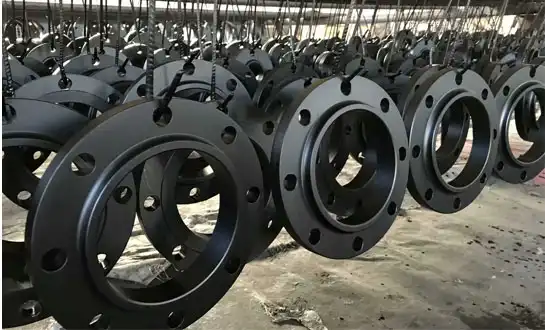
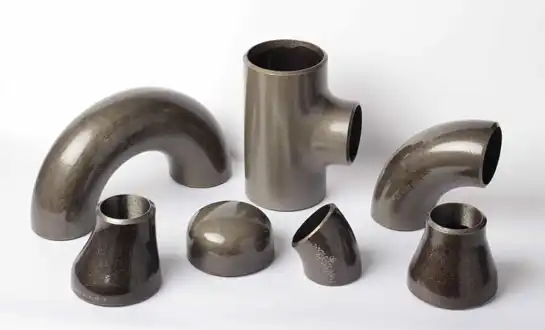
Our range of seamless pipes can be used for everything from high-pressure oil and gas systems to precise mechanical parts. Through manufacturing agreements, Saudi businesses can get all the major grades of steel they need, such as carbon steel, alloy steel, and stainless steel. Welded pipe products come in a range of diameters, from small utility lines to big transmission pipelines. They are made using ERW, LSAW, and SSAW techniques. With their advanced manufacturing skills, Saudi building projects can be sure of consistent quality and low prices for large quantities. Buttweld fittings, flanges, and specialized connections are all products that work together to make full piping solutions. This all-around approach makes it easier for Saudi clients who work with various suppliers to buy things, make sure they work together, and coordinate projects.
Conclusion
When Saudi Arabian companies need to choose between welded and seamless pipes, they need to carefully look at performance needs, environmental conditions, and cost factors. Seamless pipes are better in high-pressure, important situations where they need to be strong and not rust, even though they cost more. Welded pipes provide a cost-effective solution for construction, utilities, and medium-pressure applications where extreme performance is not required. Choosing the right pipes, working with dependable suppliers, and having quality control programs that take into account Saudi Arabia's specific industrial problems are all important for a project to be successful.
FAQ
1. Which pipe type offers better strength characteristics?
Seamless pipes generally provide superior strength due to uniform wall thickness and continuous grain structure without welded seams. The absence of heat-affected zones eliminates potential weak points, enabling seamless pipes to handle pressures 30-60% higher than equivalent welded pipes in critical applications.
2. Are welded pipes suitable for Saudi Arabia's high-temperature environment?
Welded pipes perform adequately in Saudi Arabia's climate when properly selected and installed. Modern welding techniques and appropriate material grades ensure reliable performance in temperatures up to 400°C. Post-weld heat treatment and protective coatings enhance durability in extreme environments.
3. How do I verify pipe quality from international suppliers?
Quality verification requires comprehensive documentation, including material certificates, test reports, and third-party inspection results. Reputable suppliers provide ASTM, ASME, and ANSI compliance certificates along with dimensional inspection reports and pressure test results that ensure specification compliance.
Partner with RAYOUNG for Your Saudi Pipe Requirements
RAYOUNG delivers comprehensive steel piping solutions tailored specifically for Saudi Arabia's demanding industrial environment. Our extensive manufacturing partnerships ensure access to premium quality welded and seamless pipes meeting ASTM, ASME, and ANSI standards with competitive pricing for volume requirements. As a trusted industrial pipe supplier, we provide complete technical support, quality certifications, and reliable delivery schedules that keep your projects on track. Contact our specialists at info@hb-steel.com to discuss your specific requirements and discover how our proven expertise can optimize your pipe procurement strategy while ensuring long-term operational success.
References
1. American Society for Testing and Materials. "Standard Specification for Seamless and Welded Austenitic Stainless Steel Pipes." ASTM International Standards, 2023.
2. Smith, R.K. "Comparative Analysis of Welded and Seamless Steel Pipe Performance in High-Pressure Applications." Journal of Materials Engineering and Performance, Vol. 32, 2023.
3. Saudi Arabian Standards Organization. "Industrial Piping Systems: Material Selection and Installation Guidelines for Petrochemical Applications." SASO Technical Report, 2023.
4. Johnson, M.T. "Cost-Benefit Analysis of Pipe Selection in Middle Eastern Infrastructure Projects." International Journal of Construction Engineering, Vol. 45, 2023.
5. American Society of Mechanical Engineers. "Pressure Piping Codes for Industrial Applications: Design and Material Requirements." ASME Press, 2023.
6. Al-Rahman, K.S. "Environmental Challenges and Material Performance in Saudi Arabian Industrial Infrastructure." Middle East Engineering Review, Vol. 28, 2023.

Need a quote? Want to see samples? Just say hello. We’re friendly. We’re fast. And we’re ready when you are.
Welcome to RAYOUNG – Strong Pipes, Stronger Promise