It is important to understand flange pressure ratings in order to build and buy a piping system that works well. These ratings show the highest working pressure that a flange can safely handle at certain temperatures. They are important safety parameters that keep both tools and people safe. Steel pipe flanges connect pipeline sections and maintain system integrity under varying temperatures and pressures. Professionals in engineering and purchasing use pressure rating charts to find the right flanges for their projects while also making sure they meet foreign standards. Learning how to read these charts helps you make smart choices that combine safety needs, cost concerns, and operational performance in a wide range of industrial settings.
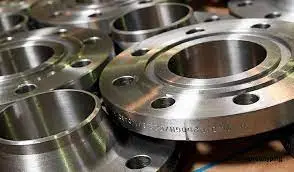
Understanding Flange Pressure Ratings: Basics and Standards
Flange pressure ratings set the basic safety rules for designing and operating a piping system. These numbers tell you how much pressure a flange can safely handle at different temperatures. They have a direct effect on the safety and integrity of the system. The link between pressure and temperature is what flange rating systems are based on. As temperatures rise, materials lose strength, so pressure derating is needed to keep things safe.
Global Standards Framework
Frameworks for flange pressure values have been made by international standards organisations. In North America, ANSI/ASME standards are most common.In Europe, DIN/EN standards are prevalent, while in Japan and parts of Asia, JIS standards dictate dimensional and material specifications.Each standard system has its own way of classifying components and terminology, but they all agree on basic principles like the relationship between pressure and temperature and the material performance.
Material Properties and Rating Factors
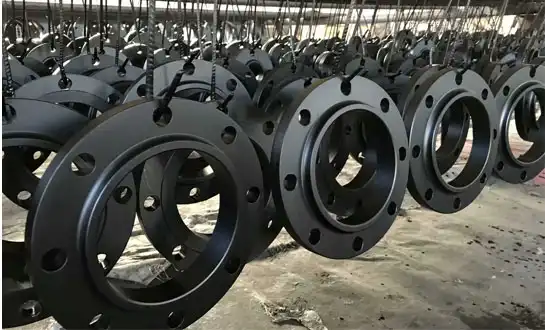
Because of the way their materials are made, carbon steel, stainless steel, and alloy steel flanges have different pressure rating traits. The highest forces that can be used depend on the tensile strength, yield strength, and creep resistance. It is important to consider how temperature impacts material properties, as higher temperatures reduce material strength and necessitate pressure derating. Rating estimates include corrosion allowances and safety factors to make sure that the product will be reliable for a long time in service.To meet these rigorous demands, RAYOUNG manufactures ANSI, DIN, and JIS standard flanges with RF, FF, and RTJ facings designed for high-pressure applications. Our CNC-machined sealing surfaces ensure exact dimensional tolerances and reliable sealing across all pressure classes.
How to Read Flange Pressure Rating Charts and Classifications
Flange pressure grade charts are very useful for picking the right parts for the job based on the conditions of use.These charts organize critical data—such as pressure classes, temperature derating factors, and material specifications—into a standardized format, making it easy to select the correct components.Procurement experts can confidently choose flanges that meet project needs when they understand how charts are laid out and how to interpret data.
Chart Structure and Organisation
On pressure rating charts, pressure classes are listed along one axis, with temperature ranges on the other, and allowable pressures are indicated at the intersections. The intersection points show the highest pressures that can be present at certain temperatures. There are clear material labels that tell the difference between ratings for carbon steel, stainless steel, and speciality alloys. Different standards use different units of measurement. For example, ANSI charts use psi and Fahrenheit, while DIN charts use bar and Celsius.
Practical Chart Reading Examples
Take a look at an ANSI Class 300 carbon steel flange operating at 400°F.The pressure classification chart shows that the highest pressure that can be used at this temperature is about 635 psi, which is lower than the pressure rating at room temperature due to temperature derating. This example shows how temperature can change the maximum pressure that can be applied. Different types of stainless steel flanges in the same class have different pressure values because some are stronger at high temperatures than others. Professional reading requires comparing different parts of a chart at the same time. The project's factors must match the material's temperature ranges, pressure needs, and other details. To avoid early failures or system limitations, selection choices should be based on safety margins and changes in how the system will be used in the future.
Comparing Flange Pressure Ratings for Different Materials and Conditions
The choice of material has a big effect on the flange pressure levels and the performance of the whole system. For normal uses, carbon steel flanges are a cost-effective option, while stainless steel versions offer better resistance to corrosion and temperature ranges. Understanding changes in ratings based on materials lets you choose the best parts for a project while also meeting performance needs and budget concerns.
Carbon Steel vs. Stainless Steel Performance
Carbon steel flanges usually have great strength at normal temperatures, which means they can be used in a wide range of industrial settings. ASTM A105 carbon steel flanges maintain near-full pressure ratings up to about 300°F before more significant strength reduction and pressure derating occur. When heated to high temperatures, stainless steel flanges, especially 316L grades, flange pressure ratings keep their higher strength levels. This lets them handle higher pressures in tough working conditions.
Extreme Condition Considerations
When working with high-temperature steam, cryogenics, or toxic media, it is crucial to select appropriate materials and adjust their pressure ratings accordingly. For cryogenic uses, materials may need to be checked for impact to keep them from breaking easily. Corrosive settings need materials like stainless steel or speciality alloys that can handle the right amount of pressure, so they last longer.RAYOUNG can manufacture all materials with full MTC traceability, which makes sure that full proof of chemical composition, mechanical properties, and pressure rating compliance is available. This makes it easier to choose reliable materials and make sure that foreign projects follow all the rules.
Choosing and Procuring Flanges Based on Pressure Ratings
Successful flange procurement requires a comprehensive evaluation of project-specific parameters, including operating pressures, temperature ranges, fluid characteristics, and regulatory requirements. Procurement specifications must clearly define pressure rating requirements alongside material grades, facing types, and certification needs. This systematic approach ensures delivered components meet all performance and compliance requirements while minimising project risks.
Specification Development Guidelines
Effective procurement specifications begin with an accurate operating condition definition. Maximum operating pressures, design pressures, and hydrostatic test pressures establish baseline rating requirements. Temperature ranges throughout the system lifecycle, including startup, normal operation, and emergency conditions, influence material selection and pressure rating needs. Fluid characteristics such as corrosivity, hydrogen content, and erosive properties affect material compatibility and long-term performance.
Supplier Evaluation Criteria
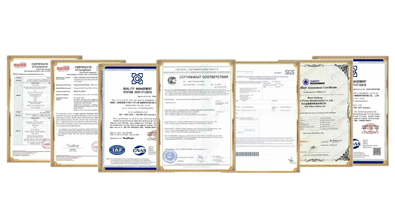
Reliable suppliers demonstrate comprehensive quality management systems, appropriate certifications, and extensive technical support capabilities. ISO 9001:2015 certification indicates systematic quality control processes. Material test certificates, dimensional inspection reports, and pressure test documentation verify conformance to specifications. Technical support services, including application engineering and troubleshooting assistance, add significant value throughout project lifecycles.RAYOUNG maintains ISO 9001:2015 certification and provides comprehensive technical consultation to guide optimal flange selection based on specific pressure rating requirements. Our engineering team collaborates with customers to ensure proper component specification and application.
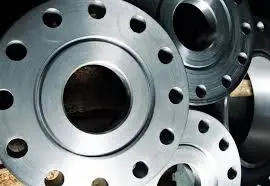
Practical Tips and Common Pitfalls When Working with Flange Pressure Ratings
Avoiding common mistakes in flange pressure rating interpretation prevents costly failures and ensures system reliability. Procurement professionals must distinguish between various pressure terms, understand temperature derating effects, and account for service condition variations. Implementing systematic review processes and maintaining current technical knowledge supports consistent decision-making quality.
Common Interpretation Errors
Confusion between pressure rating and flange class represents a frequent procurement error. Pressure rating indicates actual allowable pressure at operating temperature, while flange class provides a standardised designation system. Temperature derating effects are sometimes overlooked, leading to overpressure conditions during high-temperature operation. Inadequate safety margin consideration may result in components operating near rating limits without accommodation for pressure variations or future service changes.
Best Practice Implementation
The buying team stays skilled by getting regular training on the latest standards and rating methods. Systematic documentation of the reasons for selection helps with future choices to use as references or make changes. When the procurement, engineering, and management teams work together, all of the requirements are taken into account. Technical reviews by suppliers make sure that pressure rating standards are understood and used correctly.RAYOUNG offers hot-dip galvanising choices that protect against corrosion better while keeping the pressure rating intact. This makes the products last longer in harsh environments.
Conclusion
Learning how to read flange pressure ratings gives procurement professionals and engineers the power to choose parts that are safe, compliant, and reliable for the whole system. Understanding chart structures, changes in materials, and application factors helps choose the best flange for a wide range of industrial uses. Avoiding common mistakes and using organised selection methods can help you make good decisions and complete projects successfully. Technical knowledge and procurement trust are both improved by continuing education and working with experienced suppliers.
FAQ
Q1: What determines the maximum pressure rating for a flange at elevated temperatures?
A: Material strength reduction at higher temperatures determines maximum pressure ratings. As temperature increases, allowable stress values decrease according to ASME codes, requiring proportional pressure derating. The specific derating curve depends on material properties and applicable design standards.
Q2: How do ANSI and DIN flange pressure rating systems compare?
A: ANSI systems use psi pressure units and Fahrenheit temperature scales with class designations like 150, 300, 600. DIN systems employ bar pressure units and Celsius temperatures with PN designations. While numbering differs, both systems provide equivalent safety levels when properly applied.
Q3: Can flange pressure ratings be exceeded during hydrostatic testing?
A: Hydrostatic test pressures are typically set at 1.5 times the operating pressure rating, as per ASME B31.3 requirements. Flanges are designed to withstand these temporary test pressures at ambient temperature conditions without permanent deformation or failure.
Partner with RAYOUNG for Reliable Flange Pressure Ratings Solutions
RAYOUNG delivers precision-engineered flanges meeting the most demanding flange pressure ratings requirements across industrial applications. Our comprehensive product range includes ANSI/DIN/JIS standard flanges with CNC-machined sealing surfaces, full MTC traceability, and optional hot-dip galvanising for enhanced performance. As a trusted industrial pipe flange supplier, we provide expert technical consultation and quality assurance that minimises project risks while ensuring compliance with international standards. Contact us at info@hb-steel.com to discuss your specific pressure rating requirements and access our extensive engineering expertise.
References
1. ASME B16.5-2020, Pipe Flanges and Flanged Fittings: NPS 1/2 through NPS 24 Metric/Inch Standard
2. DIN EN 1092-1:2018, Flanges and their joints - Circular flanges for pipes, valves, fittings and accessories
3. JIS B2220:2004, Steel pipe flanges
4. ASME Boiler and Pressure Vessel Code, Section VIII, Division 1: Rules for Construction of Pressure Vessels
5. ASTM A105/A105M-21, Standard Specification for Carbon Steel Forgings for Piping Applications
6. API 6A-2019, Specification for Wellhead and Tree Equipment