Pipe flange dimensions form the foundation for ensuring safe and reliable connections in industrial piping systems. Knowing these important measurements—including the outer diameter, the diameter of the bolt circle, the thickness, and the face dimensions—ensures a good fit, a seal that doesn't leak, and long-term operating safety. Whether you're working with ASME B16.5, DIN, or JIS standards, mastering flange dimensioning will help you avoid mistakes that cost a lot of money, speed up projects, and keep systems running properly even when pressure and temperature change.
Understanding Pipe Flange Dimensions: A Comprehensive Overview
Pipe flange dimensions are the critical physical parameters that determine system compatibility, sealing performance, and mechanical strength. The outer diameter, bolt circle diameter, bolt hole diameter, flange thickness, and face measures are some of these measurements. Each measurement is very important for making sure that the seal is compressed properly, the bolts are loaded evenly, and the pressure stays in check.
Critical Dimensional Parameters
The bolt circle diameter tells you how far apart the mounting bolts are, while the outer diameter sets the total footprint of the flange connection. Bolt hole diameters need to be able to fit certain types of fasteners, and the thickness of the flange is directly related to the pressure levels and material strength needs. Engineers can choose the right flanges for different operating situations when they understand these relationships.
Standard Compliance and Interchangeability
Standardised measurement tables made by major international standards like ASME B16.5, DIN EN 1092, and JIS B2220 make sure that products can be used anywhere in the world. Tolerances for machining, face finishes, and dimensional accuracy are set by these guidelines. Following well-known standards makes buying easier and makes sure that products from different manufacturers and areas will work together.
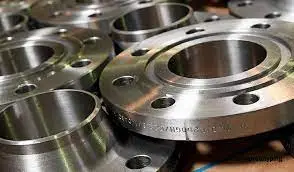
Detailed Analysis of Pipe Flange Dimension Types and Specifications
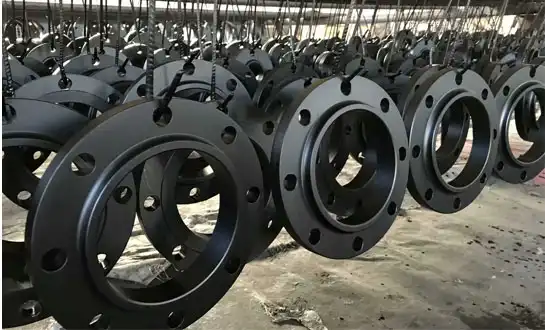
Dimensional requirements are included in different types of flanges in different ways; pipe flange dimensions depend on what they are used for and how they are connected. Weld neck flanges have longer hubs with specific bore sizes that match pipe schedules. Slip-on flanges, on the other hand, have simpler designs with bigger bore clearances.
Nominal Size Versus Actual Measurements
Nominal pipe size (NPS) is a standard term that doesn't mean real measurements. Under ASME B16.5 Class 150 standards, a nominal 6-inch flange has a bolt circle diameter (BCD) of 9.5 inches.This difference is very important when planning for purchasing and installing something because the actual sizes decide how much space is needed and whether the connections will work.
Pressure Rating Impact on Dimensions
For higher pressure levels, the flange needs to be thicker, the bolt circles need to be bigger, and the construction needs to be stronger. Class 150 flanges and Class 600 flanges of the same specified size are very different. The increase in size allows for higher bolt loads and structural stresses that come with higher working pressures.
Material and Schedule Considerations
The size of the flange depends on the properties of the material and the needs of the pipe plan. Because of welding requirements and thermal expansion behavior, different flange types may have different hub lengths, while hub dimensions for a given standard, size, and pressure class remain consistent regardless of material. The schedule of the pipe affects the bore diameters and hub geometries, especially in weld neck setups where it's important to have smooth bore transitions.
How to Select the Right Pipe Flange Dimensions for Your Project
To choose the right flange dimensions, you need to carefully look at the working conditions, system requirements, and installation limitations.To ensure optimal performance and safety, this selection process must account for pressure, temperature, fluid properties, specific dimensional requirements, and the existing piping configuration.
Operating Parameter Assessment
Through pressure class selection, operating pressure and temperature have a direct effect on the size needed. For high-pressure uses, you need Class 600, 900, or higher grades, which means the dimensions have to get bigger. Material choice and thermal expansion estimates are affected by temperature, which can have an effect on how the flange faces are aligned and how the bolts are loaded.
Standard Tolerance Evaluation
Tolerance levels are different for each standard, which affects how well the seal works and how it is installed. When it comes to critical dimensions, ASME standards tend to accept tighter tolerances than some international options. Knowing about these differences helps keep gasket compression problems at bay and makes sure that bolts connect properly during assembly.
Application-Driven Selection Criteria
High-pressure steam service requires different dimensional considerations compared to low-pressure water applications. Weld neck flanges with precise bore matching suit high-pressure systems, while slip-on designs may suffice for lower-pressure installations. Blind flanges require adequate thickness calculations based on unsupported span and pressure loading.
Procuring Pipe Flanges: Dimension Specifications and Supplier Guidance
Successful flange procurement depends on precise dimensional specifications and clear communication with suppliers. Accurate dimension charts, detailed drawings, and comprehensive technical specifications minimize misunderstandings and ensure manufacturing precision.
Specification Documentation Requirements
Purchase orders should include complete dimensional references citing applicable standards, pressure classes, and face finish requirements. Dimensional drawings clarify critical measurements and tolerances, while material specifications ensure compliance with project requirements. Clear documentation reduces manufacturing errors and delivery delays.
Supplier Verification and Quality Assurance
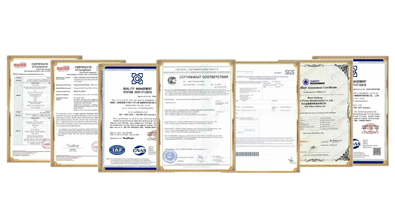
Reputable suppliers provide certified dimensional inspection reports and material traceability documentation. Verification includes dimensional accuracy checks, surface finish measurements, material analysis, and pressure testing records. Quality suppliers maintain ISO 9001:2015 certification and provide comprehensive material test certificates (MTC) for full traceability.
Pricing Dynamics and Value Considerations
Flange pricing correlates with dimensional complexity, material requirements, and manufacturing precision. Standard dimensions typically offer cost advantages over custom specifications. Long-term value considerations include dimensional accuracy, surface finish quality, and supplier reliability rather than initial purchase price alone.
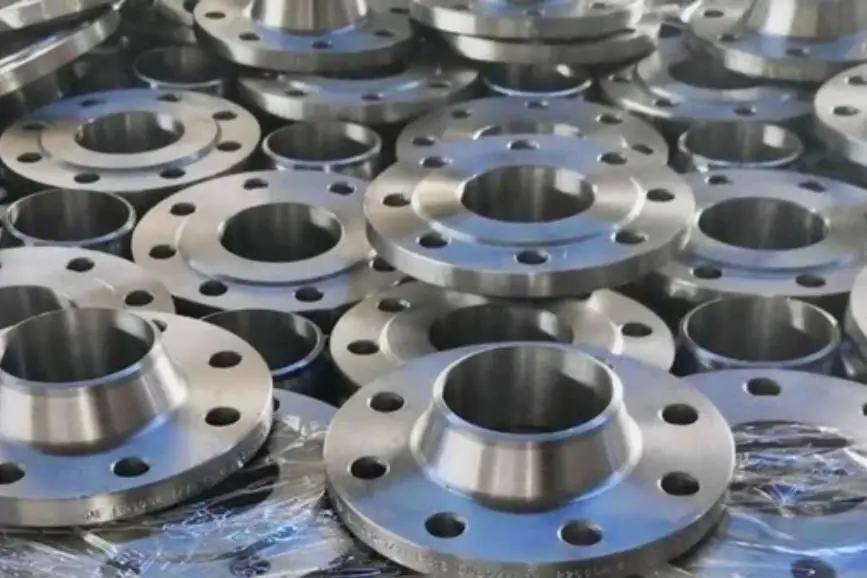
RAYOUNG's Precision-Engineered Flange Solutions
RAYOUNG delivers precision-engineered pipe flange solutions that meet stringent dimensional requirements across diverse industrial applications. Our comprehensive product range encompasses ANSI, DIN, and JIS standard flanges with raised face (RF), flat face (FF), and ring-type joint (RTJ) configurations suitable for high-pressure service.
Advanced Manufacturing Capabilities
Our manufacturing process features CNC-machined sealing surfaces that ensure precise dimensional accuracy and superior surface finishes. This advanced machining approach guarantees consistent gasket seating surfaces and optimal sealing performance across all pressure ratings. CNC precision eliminates dimensional variations that can compromise system integrity.
Quality Assurance and Traceability
Every flange includes full MTC traceability documentation that verifies dimensional compliance, material properties, and manufacturing processes. This comprehensive documentation supports project quality requirements and regulatory compliance across international markets. Our quality management system maintains ISO 9001:2015 certification and SGS validation.
Protective Coating Options
When flanges are exposed to harsh environments, hot-dip galvanising choices offer better corrosion protection. This coating process helps maintain dimensional stability over time within applicable tolerance limits and increases the useful life in sea, chemical, and outdoor settings. When flanges are galvanised, they remain within standard dimensional tolerances and last longer.
Conclusion
Understanding precise pipe flange dimensions is crucial for planning, procuring, and installing piping systems correctly. The right choice of dimensions protects the system, lowers project costs, and stops operating failures. Working with experienced suppliers who put a high priority on quality assurance and accurate measurements adds value by ensuring reliable performance and lowering the need for upkeep. RAYOUNG's dedication to precision manufacturing and comprehensive technical support helps customers achieve optimal results in complex industrial applications.
FAQ
Q1: What are the most common pipe flange dimension standards used in industrial applications?
A: ASME B16.5 dominates North American markets, while DIN EN 1092 is prevalent in European applications. JIS B2220 standards are widely used in Asian markets. These standards specify dimensional requirements, including bolt circles, thicknesses, and face dimensions for different pressure classes and nominal sizes.
Q2: How do I verify flange dimension compatibility with existing piping systems?
A: Compare bolt circle diameters, bolt hole quantities, flange thickness, and face dimensions against existing system specifications. Verify pressure class ratings and standard compliance to ensure proper fit. Dimensional drawings and certified inspection reports provide reliable verification data for compatibility assessment.
Q3: Can flange dimensions be customized for specialized applications?
A: Yes, custom flange dimensions can accommodate unique project requirements including non-standard bore sizes, special bolt patterns, or modified thickness specifications. However, custom dimensions require detailed engineering analysis and may affect standard gasket availability and installation procedures.
Partner with RAYOUNG for Precision Flange Solutions
RAYOUNG combines decades of manufacturing expertise with advanced quality systems to deliver precision-engineered pipe flanges that meet your exact project specifications. Our engineering team provides technical consultation to optimize flange selection for your specific applications, ensuring dimensional accuracy and long-term reliability. As a trusted industrial pipe flange supplier, we offer comprehensive dimensional charts, certified inspection reports, and full MTC documentation. Connect with our experts to discuss your dimensional requirements and discover how our precision-engineered solutions can enhance your project success. Contact us at info@hb-steel.com for detailed technical specifications and competitive pricing on our complete flange product range.
References
1. American Society of Mechanical Engineers. "ASME B16.5 - Pipe Flanges and Flanged Fittings: NPS 1/2 through NPS 24 Metric/Inch Standard." ASME International, 2020.
2. Deutsches Institut für Normung. "DIN EN 1092-1 - Flanges and their joints - Circular flanges for pipes, valves, fittings and accessories, PN designated - Part 1: Steel flanges." DIN Standards, 2018.
3. Japanese Industrial Standards Committee. "JIS B 2220 - Steel Pipe Flanges." Japanese Standards Association, 2019.
4. Becht Engineering Company. "Pipe Flange Design and Selection Criteria for High-Pressure Applications." Journal of Pressure Vessel Technology, 2021.
5. American Petroleum Institute. "API 6A - Specification for Wellhead and Christmas Tree Equipment - Dimensional Standards." API Publishing Services, 2020.
6. Pressure Vessel Research Council. "Guidelines for Flange Dimensional Tolerance and Gasket Compatibility in Industrial Piping Systems." PVRC Technical Report, 2022.