When choosing flange gasket types for industrial uses, the sealing material has a direct effect on the stability of the system, the safety of operations, and the long-term cost-effectiveness. When it comes to high-pressure steam uses, spiral wound gaskets work best, while PTFE gaskets are better at withstanding chemicals in corrosive settings. Metallic ring joint gaskets are the most reliable in harsh situations, and elastomer gaskets are the most cost-effective way to seal standard water and fuel pipelines. Procurement professionals can make decisions that minimise project risks and ensure compliance with industry standards when they know the unique performance characteristics of each material.
Introduction
Flange gaskets are very important for making sure that pipe flange connections don't leak in all kinds of businesses. Choosing the right gasket material is important for good fitting, following safety rules, and saving money, all of which have a direct effect on how reliable the system is. These are the most important parts that industrial facilities need to keep the system pressure steady, stop dangerous leaks, and keep valuable equipment clean. If you choose the wrong seal, it will affect more than just how the system works. When seals fail, they can cause expensive downtime, safety incidents, and environmental violations that can throw off whole production plans. This complete guide gives useful information about flange gasket materials to help B2B procurement professionals find their way through the complicated world of sealing solutions. By knowing the qualities of the material, what it needs to be used for, and its performance limits, engineering teams can choose the right gaskets for a wide range of industrial settings. From oil facilities to chemical plants, each use needs a different set of sealing properties that work with the conditions of the job and meet government standards.
Understanding Different Types of Pipe Flange Gaskets
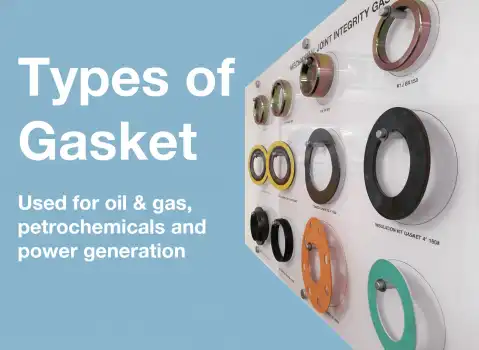
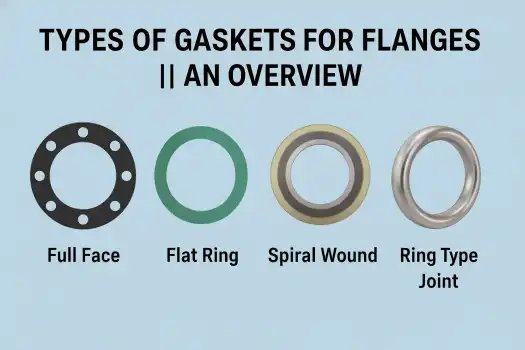
There are a lot of different types of gaskets on the market for industrial sealing, each made to fit a specific purpose. Each type is made using different techniques and combinations of materials, which affect how well it works in different situations.
Spiral Wound Gaskets
Spiral wound gaskets are strong seals for high-pressure situations because they have both metal strips and soft filler materials inside them. The metal winding gives the structure strength, and the filling material makes sure that the seal works well against uneven flange surfaces. These gaskets work exceptionally well in high-temperature areas, steam systems, and hydrocarbon processing facilities, where standard materials fail to maintain seal integrity.
Ring Type Joint (RTJ) Gaskets
To achieve metal-to-metal sealing under high pressure, ring-type joint gaskets are made of solid metal. The gasket fits into grooves on the flange faces that were carefully machined. This makes a good seal by deforming in a controlled way. RTJ gaskets are important parts of offshore drilling tools, high-pressure wellhead connections, and important process applications that must avoid leaks at all costs.
Non-Metallic Gasket Materials
Non-metallic choices include rubber, PTFE, graphite, and composite materials that work well at modest pressures and are compatible with many chemicals. These materials offer affordable options for common industrial uses, and they keep their sealing properties even when different types of fluids are used. PTFE gaskets can stand up to harsh chemicals, and rubber versions are good for use in water and fuel pipelines.
Material Performance Comparison
Understanding material characteristics helps engineers select appropriate gaskets for specific operational requirements. The following performance overview highlights key material properties:
- Graphite: Excellent high-temperature resistance up to 850°F, chemical inertness, and conformability to imperfect flange surfaces make graphite suitable for steam and hydrocarbon applications
- PTFE: Superior chemical resistance, low friction characteristics, and temperature stability from -400°F to 500°F provide versatility across pharmaceutical and chemical processing industries
- Elastomers: Cost-effective sealing for moderate pressure applications, excellent resilience, and easy installation make rubber gaskets ideal for water treatment and fuel distribution systems
- Metal Alloys: Exceptional strength, temperature resistance exceeding 1500°F, and compatibility with extreme pressures ensure reliable performance in critical applications
These material characteristics directly influence gasket selection for specific applications. Utilizing chemical compatibility charts and pressure-temperature ratings guides procurement decisions, ensuring optimal sealing performance while maintaining cost efficiency.
How to Choose the Best Flange Gasket Material for Your Application
Selecting optimal gasket materials requires a comprehensive evaluation of operational parameters, environmental conditions, and performance expectations. The decision-making process involves analyzing multiple factors that influence sealing effectiveness and long-term reliability.
Critical Selection Criteria
Operating pressure and temperature represent primary selection factors that determine material suitability. High-pressure steam systems require different sealing solutions compared to low-pressure water applications. Chemical compatibility becomes crucial when handling corrosive fluids that can degrade inappropriate gasket materials over time. Installation requirements also influence material selection. Complex gasket designs may require specialized tools and experienced technicians, while simple configurations enable straightforward installation procedures. Maintenance schedules and replacement frequency affect total cost of ownership calculations that guide procurement decisions.
Industry-Specific Applications
Different fields have their own problems that need specific gasket answers. Chemical processing plants need materials that can stand up to strong acids and keep their shape when heated and cooled many times. Gaskets that can seal off hydrocarbon vapours and resist high temperatures and pressures are needed in oil and gas operations. For making food and medicines, you need FDA-approved materials that keep things clean and don't get contaminated. Power plants use gaskets that were made for steam use, where high temperatures and pressures make it hard for regular sealing materials to work.
Cost-Benefit Analysis
Choosing the right gasket means weighing the short-term costs against the long-term rewards in performance. More expensive materials may be worth it in the long run if they last longer and need less upkeep. On the other hand, standard applications may gain from low-cost solutions that work well enough without adding extra features. For instance, standard water and utility pipelines work perfectly well with cost-effective elastomer gaskets. These applications typically involve moderate operating conditions where premium advanced materials wouldn't add significant value.
Comparing Flange Gasket Types: Performance, Pros, and Cons
Understanding performance differences between gasket types enables informed decision-making that aligns with specific application requirements. Each gasket category offers distinct advantages while presenting certain limitations that affect overall suitability.
Spiral Wound vs Ring Type Joint Performance
Spiral wound gaskets excel in applications requiring flexibility and conformability to imperfect flange surfaces. The combination of metallic strength and soft filler material enables effective sealing across a wide pressure range while accommodating thermal expansion and contraction cycles. Ring-type joint gaskets provide superior performance under extreme conditions where positive metal-to-metal sealing is essential. The solid construction eliminates filler materials that might degrade under harsh conditions, ensuring long-term reliability in critical applications. However, RTJ gaskets require precise flange machining and proper installation procedures to achieve optimal performance.
Metallic vs Non-Metallic Considerations
Metallic gaskets offer exceptional temperature and pressure capabilities while providing excellent chemical compatibility with most industrial fluids. The robust construction ensures blowout resistance and reliable sealing over extended lifecycles, reducing long-term replacement costs. Installation complexity and higher initial costs represent potential drawbacks that affect project budgets. Non-metallic alternatives provide cost-effective solutions for standard applications while offering superior sealing capabilities at lower pressures. Easy installation and readily available replacement parts support efficient maintenance programs. Temperature limitations and chemical compatibility restrictions may limit applicability in certain environments.
Real-World Performance Data
Industry studies demonstrate that proper gasket selection reduces maintenance costs by up to 40% while improving system reliability. High-pressure steam applications benefit from spiral wound gaskets that maintain seal integrity through multiple thermal cycles. Chemical processing facilities achieve extended service intervals using PTFE gaskets that resist aggressive solvents. Case studies from major industrial facilities show that comprehensive gasket selection programs reduce unplanned downtime and improve overall equipment effectiveness. The investment in appropriate sealing technology generates measurable returns through reduced maintenance costs and improved operational reliability.
Procurement Guidance for Flange Gasket Types in B2B Context
Effective gasket procurement requires strategic supplier relationships and a comprehensive understanding of quality standards that ensure consistent product performance. Successful procurement programs balance cost considerations with reliability requirements while maintaining adequate inventory levels.
Supplier Evaluation Criteria
Gasket makers with a good reputation show that they follow industry standards like ASME, API, and ASTM guidelines. Quality certifications like ISO 9001:2015 make sure that the manufacturing method and product quality controls are always the same. Technical support lets you get the right program help and troubleshooting when you need it. Reliability in lead time is important for planning maintenance and replacing things quickly in case of a disaster. Suppliers with enough inventory and well-established delivery networks help keep operations running smoothly while lowering the risks of procurement.
Bulk Ordering Strategies
Volume purchasing deals save money and keep the supply chain stable for types of gaskets that are used a lot. Standardisation programs make inventory less complicated and allow for quantity savings that make buying things more efficient overall. For custom gaskets, there may be minimum order amounts that make it hard to plan how to buy things. Partnering with suppliers lets you work together to create application-specific solutions that get the best results while keeping costs low. Technical consulting services help find ways to make things better and different materials that make operations run more smoothly.
Quality Assurance Programs
When gaskets come in, inspection methods check their sizes, the properties of the materials they are made of, and that they meet certain standards. As part of the documentation needs, there must be material certifications, test results, and records of traceability that help with quality audits and regulatory compliance. Performance monitoring tools keep track of how long gaskets last and how they fail so that they can find ways to make things better. Collecting data lets you make smart choices about upgrading materials and judging the success of suppliers.
Conclusion
When choosing the right flange gasket types, you need to think carefully about the working conditions, material properties, and application needs that affect how well the seal works and how long it lasts. Procurement professionals can make choices that minimise risks and maximise costs by learning about the pros and cons of different gasket materials. Spiral wound gaskets work great in high-pressure situations, and PTFE materials are better at withstanding chemicals in harsh conditions. Metallic choices are very reliable in harsh conditions, and elastomer gaskets are a cheap way to solve problems in everyday situations. The right supplier evaluation and quality assurance programs make sure that products always work the same way, which is important for operating reliability and following the rules.
FAQ
Q1: Which gasket types perform best under high-pressure conditions?
A: Ring Type Joint (RTJ) gaskets excel in high-pressure applications due to their solid metal construction and positive sealing mechanism. Spiral wound gaskets with metallic windings also provide excellent high-pressure performance while offering greater flexibility for imperfect flange surfaces.
Q2: How do I choose between metallic and non-metallic gasket materials?
A: Metallic gaskets suit extreme temperature and pressure conditions with superior chemical compatibility, while non-metallic options provide cost-effective solutions for moderate conditions. Consider operating parameters, chemical compatibility requirements, and budget constraints when making this decision.
Q3: Can custom-sized gaskets be manufactured for specialized equipment?
A: Yes, reputable manufacturers offer custom gasket manufacturing services for non-standard dimensions and specialized applications. Custom solutions require detailed specifications, including dimensions, material requirements, and operating conditions to ensure proper performance.
Partner with RAYOUNG for Superior Flange Gasket Solutions
RAYOUNG stands ready to support your gasket procurement needs with our comprehensive product range and technical expertise. As a trusted industrial pipe flange and gasket supplier, we combine quality manufacturing with responsive customer service to deliver solutions that meet your operational requirements and budget objectives.
Our team of experienced engineers provides personalized consultation services to help optimize your gasket selection and ensure successful implementation. Whether you need standard products or custom solutions, RAYOUNG delivers reliable performance backed by industry certifications and a proven track record. Contact us at info@hb-steel.com to discuss your specific requirements and receive comprehensive technical support.
References
1. American Society of Mechanical Engineers. "ASME B16.20 - Standard for Metallic Gaskets for Pipe Flanges." New York: ASME Press, 2022.
2. American Petroleum Institute. "API 6A - Specification for Wellhead and Christmas Tree Equipment." Washington DC: API Publishing, 2021.
3. Singh, R.K. and Thompson, M.J. "Industrial Gasket Performance Analysis in High-Pressure Applications." Journal of Pressure Vessel Technology, Vol. 144, No. 3, 2022.
4. Chen, L. and Rodriguez, A. "Material Selection Guidelines for Flange Gaskets in Chemical Processing." Chemical Engineering Progress, Vol. 118, No. 8, 2022.
5. International Organization for Standardization. "ISO 7483 - Dimensions of gaskets for use with pipe flanges." Geneva: ISO Standards, 2021.
6. Miller, D.P. "Gasket Technology Handbook: Materials, Design and Applications." Industrial Press, New York, 2023.