Top 10 Pipe Flange Types for Factory Maintenance Engineers
When it comes to maintaining industrial piping systems in factory environments, selecting the right pipe flange types becomes crucial for operational safety and efficiency. Factory maintenance engineers must understand the diverse range of flange options available to ensure proper connections, prevent leaks, and minimize downtime. The proper flange selection directly impacts system integrity, maintenance costs, and overall plant performance. This comprehensive guide explores the ten essential flange types that every maintenance professional should know, covering their specifications, applications, and selection criteria to help engineers make informed decisions that enhance facility operations and reduce long-term maintenance expenses.
Understanding the Top 10 Pipe Flange Types
Industrial piping systems rely on various flange configurations to achieve reliable connections across different operational conditions. Modern manufacturing facilities utilize multiple flange designs, each engineered for specific pressure ratings, temperature ranges, and installation requirements.
Essential Flange Classifications and Identification
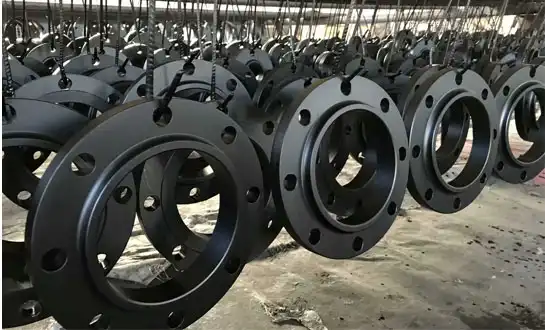
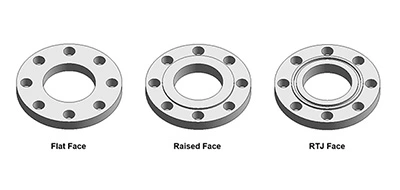
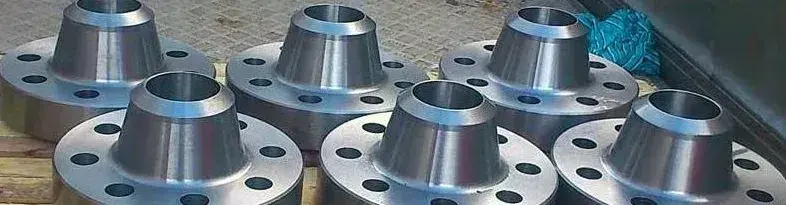
For high-pressure uses, welding neck flanges with long, tapered hubs provide excellent structural reinforcement. These flanges are made to ASME, DIN, or JIS standards and come with RF (Raised Face) or RTJ (Ring Type Joint) facing choices. They are very good at spreading stress. The tapered hub design ensures smoother stress transition and reduces stress concentration in critical process lines. Slip-On flanges are a cheap way to handle tasks with moderate pressure. Their larger bore diameter makes it easy to place them over pipe ends, which need welding on both the inside and the outside. These flanges work well with either FF (Flat Face) or RF facing configurations, and they seal well when placed correctly and with the right gasket materials. Socket Weld flanges have a recessed socket shape that can fit pipe ends with gaps that have already been set. This arrangement can create areas susceptible to crevice corrosion if not properly sealed. The fillet weld connection is strong enough for situations with moderate temperature and pressure. Threaded flanges use NPT threads to join mechanically without having to weld. These flanges work well in low-pressure applications where welding is impractical or disassembly is frequently required. But they need to be carefully threaded and sealed to keep them from leaking. Blind flanges completely close off pipeline systems while they are being tested, maintained, or plans are made for future growth. These solid disc arrangements need to be able to handle the full system pressure, and they come with different face types to match other parts of the system.
Material Considerations and Performance Characteristics
Carbon steel remains the most common flange material due to its excellent strength-to-cost ratio and wide availability. Stainless steel grades offer superior corrosion resistance for chemical processing and food-grade applications. The material selection process must consider operating temperatures, chemical compatibility, and environmental factors that affect long-term performance. Lap Joint flanges work in combination with stub ends to provide rotational flexibility during installation. This design proves particularly valuable in systems requiring frequent alignment adjustments or where dissimilar metals must be separated. The backing flange rotates freely on the stub end, facilitating proper bolt hole alignment. Orifice flanges incorporate special designs for flow measurement applications. These flanges feature precision-machined surfaces and specific dimensional requirements to accommodate the orifice plate.
Installation Complexity and Maintenance Considerations
Threaded flanges offer the simplest installation process, requiring only proper thread engagement and sealing compound application. However, their limited pressure capability and potential for thread galling restrict their use to low-pressure applications. Regular inspection of thread integrity becomes essential for maintaining leak-tight connections. Blind flanges serve critical roles during system maintenance and testing phases. Their solid construction must withstand full system pressure while providing access for internal inspections. The facing type selection must match existing system components to ensure proper gasket sealing. Lap Joint flanges facilitate maintenance operations in systems requiring frequent disassembly. The backing flange remains removable without disturbing the welded stub end connection. This design proves particularly valuable in applications involving expensive alloy piping where weld repairs become costly.
Corrosion Resistance and Mechanical Strength
Material selection significantly impacts flange performance in corrosive environments. Stainless steel grades provide excellent corrosion resistance but require careful consideration of chloride stress corrosion cracking in specific applications. Proper heat treatment and surface finishing enhance corrosion resistance while maintaining mechanical properties. Carbon steel flanges require protective coatings or cathodic protection in corrosive environments. Hot-dip galvanizing provides long-term corrosion protection while maintaining dimensional accuracy. The zinc coating thickness must comply with ASTM A153 standards for optimal performance.
Selecting Pipe Flange Types Based on Industrial Standards and Materials
International standards ensure consistent flange dimensions and performance characteristics across global supply chains. ASME B16.5 covers flanges through 24-inch diameter with pressure classes from 150# to 2500#. ASME B16.47 addresses larger diameter flanges, while API 6A specifies requirements for wellhead and Christmas tree equipment.
Global Standard Compliance and Cross-Border Compatibility
DIN standards predominate in European markets with metric dimensions and PN pressure designations. DIN EN 1092-1 specifies Type 01 through Type 35 flanges with pressure ratings from PN6 to PN400. The dimensional differences between ASME and DIN standards prevent interchangeability, requiring careful specification during procurement. JIS B2220 governs Japanese flange standards with pressure ratings expressed in MPa. These standards incorporate specific material requirements and testing procedures suited to Japanese industrial practices. Understanding these variations ensures proper component selection for international projects. ISO 7005 provides international standardization efforts to harmonize global flange specifications. This standard incorporates elements from various national standards while establishing common dimensional and performance criteria. Adoption varies by region and industry sector.
Material Selection Criteria and Performance Optimization
Carbon steel grades A105 and A350 LF2 serve most general-purpose applications with excellent weldability and mechanical properties. A105 provides adequate strength for a wide range of moderate temperature applications, while A350 LF2 offers enhanced low-temperature toughness for cryogenic services. Stainless steel grades 304L and 316L offer excellent corrosion resistance with low carbon content to prevent carbide precipitation. Grade 316L provides superior pitting resistance due to molybdenum content, making it suitable for chloride-containing environments. Duplex grades like 2205 combine high strength with excellent corrosion resistance. Exotic alloy materials, including Inconel, Hastelloy, and Monel, address extreme service conditions involving high temperatures and aggressive chemicals. These materials command premium pricing but provide essential performance in critical applications where standard materials prove inadequate.
Pressure Rating Classification and Safety Factors
ASME pressure classes incorporate built-in safety factors based on material properties and temperature derating. Class 150 flanges accommodate 285 psig at ambient temperature in carbon steel, decreasing to 75 psig at 800°F. Understanding these derating curves ensures safe operation throughout the design temperature range. The pressure-temperature rating curves account for material strength reduction at elevated temperatures. Creep and oxidation effects limit long-term strength, requiring conservative design approaches. Proper material certification ensures compliance with specified requirements. Safety factors incorporated into flange designs typically range from 4:1 to 6:1 based on service conditions and failure consequences. Critical applications may require higher safety factors or additional design verification through finite element analysis.
Practical Guide to Measuring and Ordering Pipe Flanges
Accurate flange measurement ensures proper fit and eliminates costly procurement errors. Key dimensions include pipe bore diameter, flange outside diameter, bolt circle diameter, bolt hole diameter, and flange thickness. These measurements must correspond to applicable standards for proper component selection.
Critical Dimension Verification and Measurement Techniques
The outside width of the pipe determines the right flange bore size, and the wall thickness determines how to weld and heat treat the pipe. When measuring current flanges, it's important to keep in mind that corrosion and wear patterns can change the original sizes. For proper assembly, the bolt hole patterns on the two flanges that fit together must exactly match. ASME guidelines say how many bolt holes and how big they should be for each combination of pressure class and size. Metric standards use different designs that make them incompatible with inch-based systems. The dimensions of the faces of two surfaces affect the choice of gasket and how well it seals. The height of an RF facing is usually 1/16 inch above the surface it's attached to, while the dimensions of RTJ holes must be exact for a metal gasket to seal them. Depending on the working conditions, the surface finish must be between 125 and 250 micro-inches RMS.
Procurement Efficiency and Supply Chain Management
Effective procurement strategies involve balancing cost, lead times, and component availability. Working with a reliable supplier ensures that factory maintenance teams have access to the right flanges when unexpected repairs arise. Standardizing flange specifications across the plant can significantly reduce inventory costs and streamline the supply chain.
Quality Assurance and Inspection Requirements
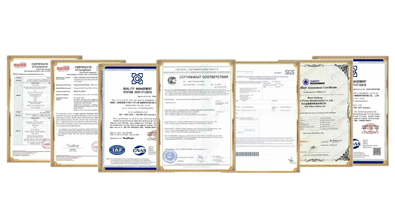
Robust quality assurance programs are critical when sourcing flanges. Maintenance engineers should require comprehensive Material Test Certificates (MTCs), dimensional inspection reports, and pressure testing records from their suppliers. Verifying ISO 9001 compliance and proper material traceability ensures that the installed components will perform safely under demanding factory conditions.
Industry Applications and Benefits of Popular Pipe Flange Types
Different industries require specific flange configurations to address their unique operating conditions and safety standards. Knowing these application-specific needs helps maintenance workers choose the best parts for their buildings.
Oil and Gas Industry Requirements
Upstream oil and gas processes need flanges that can handle high pressures, environments that are corrosive, and changes in temperature. API 6A valves work well enough and can handle pressures up to 20,000 psi. Ring Type Joint (RTJ) facings paired with metal gaskets designed to resist explosive decompression ensure reliable sealing in these extreme conditions. For refining uses, flanges need to be able to handle different hydrocarbon streams and processing chemicals. In high-pressure process lines, welding neck flanges are most common. Slip-On flanges, on the other hand, are used in lower-pressure utility systems. When choosing a material, you need to think about hydrogen attack, sulfidation, and naphthenic acid corrosion. For valve and equipment connections in pipeline use, large diameter flanges are used.
Chemical Processing and Pharmaceutical Applications
Robust quality assurance programs are critical when sourcing flanges. Maintenance engineers should require comprehensive Material Test Certificates (MTCs), dimensional inspection reports, and pressure testing records from their suppliers. Verifying ISO 9001 compliance and proper material traceability ensures that the installed components will perform safely under demanding factory conditions.
Power Generation and Utility Applications
Flanges are used in power plants' fuel handling systems, cooling water lines, and high-temperature steam systems. At steam temperatures above 1000°F, materials must resist creep and oxidation. To avoid wear failures caused by thermal cycling, it is important to carefully choose the materials that are used. Flanges are used in chlorinated water systems, chemical feed lines, and sludge handling equipment at water treatment plants. In chlorinated environments, where stress corrosion cracking can happen, corrosion protection is very important. Protective coatings or resistant alloys keep things from breaking down too soon. For nuclear uses, flanges must meet the requirements of ASME Section III of the nuclear code. Better testing, paperwork, and quality control of materials make sure that safety-related systems work reliably. For long-term use, you need to think about how radiation exposure affects material properties.
Conclusion
There are a lot of things to think about when choosing the right pipe flange types, such as the pressure ratings, temperature needs, material compatibility, and installation limitations. The ten types of flanges talked about in this guide give maintenance engineers a wide range of choices for using these flanges in different industrial settings. Welding Neck flanges work best in high-pressure situations, while Slip-On designs are more cost-effective for normal working conditions. Knowing these differences helps you make smart choices that improve system stability while keeping maintenance costs low. Choosing the right flanges, along with using high-quality materials and making them with great care, makes sure that important industrial piping systems work safely and efficiently for many years.
FAQ
1. What are the key differences between forged and cast flanges?
Forged flanges offer superior mechanical properties due to grain refinement during the forging process, while cast flanges provide cost advantages for large or complex geometries. Forged components exhibit better fatigue resistance and impact toughness, making them preferable for critical high-pressure applications. Cast flanges work well in moderate-pressure applications where cost considerations outweigh performance requirements.
2. How do I select flanges for corrosive environments?
Corrosive environment flange selection requires careful material evaluation based on specific chemical exposures and operating temperatures. Stainless steel grades 316L and 2205 provide excellent general corrosion resistance, while specialized alloys like Hastelloy address severe chemical conditions. Protective coatings such as hot-dip galvanizing extend carbon steel service life in mildly corrosive applications.
3. What factors affect lead times for custom flange orders?
Custom flange lead times depend on material availability, design complexity, manufacturing capacity, and quality requirements. Standard materials typically reduce lead times compared to exotic alloys requiring special procurement. Complex geometries or tight tolerances may require additional manufacturing time for setup and inspection procedures.
Partner with RAYOUNG for Premium Pipe Flange Solutions
Quality-driven maintenance engineers and procurement professionals can rely on RAYOUNG as their trusted pipe flange types supplier for comprehensive industrial solutions that exceed operational expectations. Our precision-manufactured flanges featuring CNC-machined sealing surfaces, complete MTC traceability, and optional hot-dip galvanizing deliver the reliability and performance that critical industrial applications demand. Contact our technical specialists at info@hb-steel.com to discuss your specific requirements and discover how our ISO 9001:2015 certified manufacturing capabilities can optimize your maintenance operations while ensuring long-term system integrity and safety compliance.
References
1. American Society of Mechanical Engineers. "ASME B16.5 - Pipe Flanges and Flanged Fittings: NPS 1/2 through NPS 24 Metric/Inch Standard." ASME International, 2020.
2. American Petroleum Institute. "API Specification 6A - Specification for Wellhead and Christmas Tree Equipment." API Publishing Services, 2019.
3. Deutsches Institut für Normung. "DIN EN 1092-1 - Flanges and their joints - Circular flanges for pipes, valves, fittings and accessories." Beuth Verlag, 2018.
4. Japanese Industrial Standards Committee. "JIS B 2220 - Steel pipe flanges." Japanese Standards Association, 2017.
5. International Organization for Standardization. "ISO 7005-1 - Metallic flanges - Part 1: Steel flanges." ISO Publications, 2019.
6. ASTM International. "ASTM A105/A105M - Standard Specification for Carbon Steel Forgings for Piping Applications." ASTM International, 2021.

Need a quote? Want to see samples? Just say hello. We’re friendly. We’re fast. And we’re ready when you are.
Welcome to RAYOUNG – Strong Pipes, Stronger Promise