Best Sources for Industrial Tubing in Central Asia
When procurement managers in Kazakhstan, Uzbekistan, and nearby markets are looking for trusted sources of industrial tubing in Central Asia, they have to deal with the unique challenges of handling the different supplier networks in these countries. This detailed guide looks at the best industrial tubing suppliers and buying methods. It will help you find high-quality carbon steel pipes, seamless solutions, and specialized products that meet strict industry standards while keeping project costs and delivery times as low as possible.
Understanding Industrial Tubing and Its Market in Central Asia
The industrial scene of Central Asia is complicated and full of opportunities for finding high-quality tubular goods. There is a big need for specialized pipe solutions in the area because of its strong oil and gas industry and growing manufacturing and chemical processing industries.
Key Materials and Applications in Regional Markets
When choosing goods for different uses, it's important to know the difference between industrial tubing and regular pipe. Because it is more flexible and can be made more precisely, tubing is often the best choice for sensors, hydraulic systems, and heat exchanges. There is a lot of carbon steel tubing on the market because it is strong for its weight and cheap in many industry areas. Stainless steel types work great in medicine and food processing settings that need to be very clean and resistant to rust. Polypropylene and PVC are other choices for chemical processing plants that need to be resistant to certain toxic substances. Temperature resistance varies a lot between materials. For example, carbon steel is great in situations with very high temperatures, while polymer-based options work best in settings with moderate temperatures.
Supply Chain Dynamics and Regional Challenges
The location of Central Asia in the world makes industry buying both easier and harder. Being close to important steel-producing countries is good for the area, but transportation infrastructure and customs procedures can be hard to deal with. Understanding these factors helps buying teams make realistic schedules and backup plans in case something goes wrong. Most of the time, local suppliers can get things to you faster and for less money, while foreign makers can offer a wider range of products and more advanced certifications. Procurement strategies that work well combine these factors based on the needs of the project and the level of risk that is acceptable.
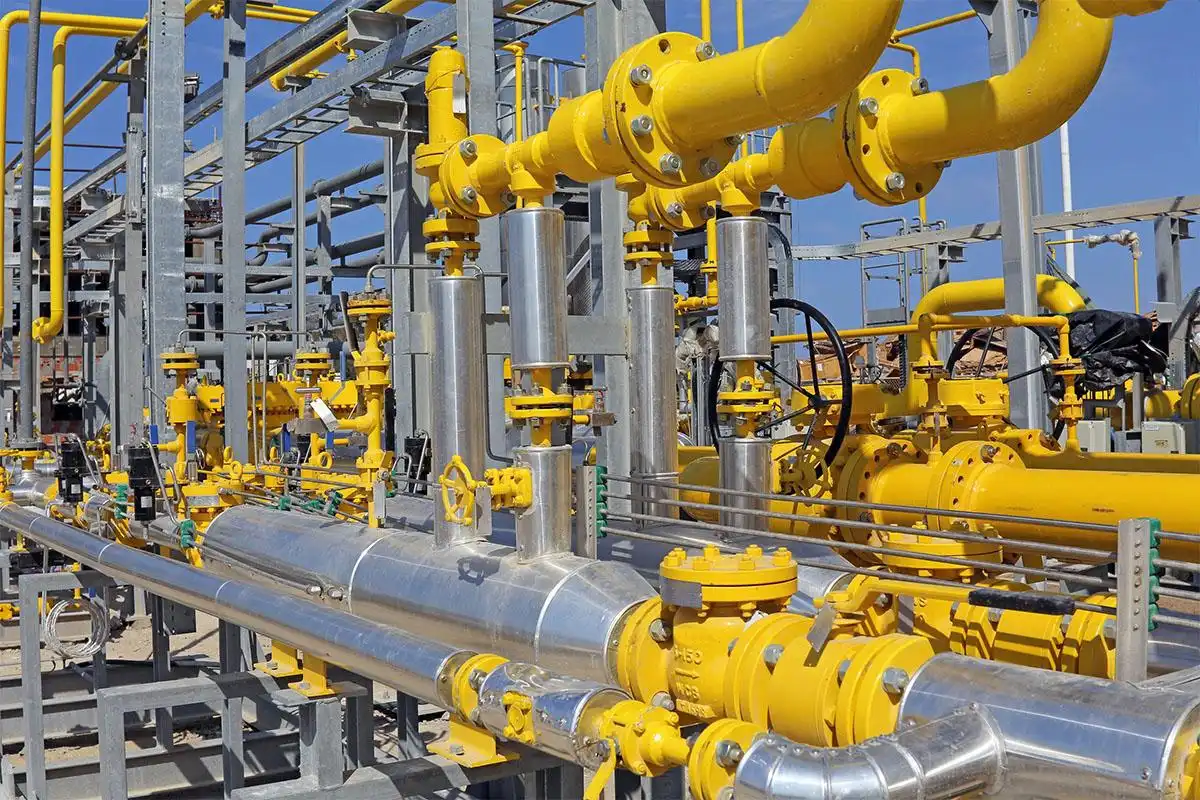
Top Sources and Trusted Industrial Tubing Suppliers in Central Asia
To find reliable providers, you need to carefully evaluate their certifications, production capabilities, and service reliability.The best buying choices come from carefully evaluating suppliers in a way that puts the potential for a long-term relationship ahead of saving money in the short term.
International Manufacturers with Regional Presence
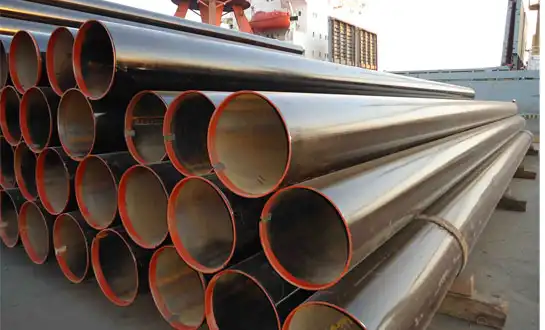
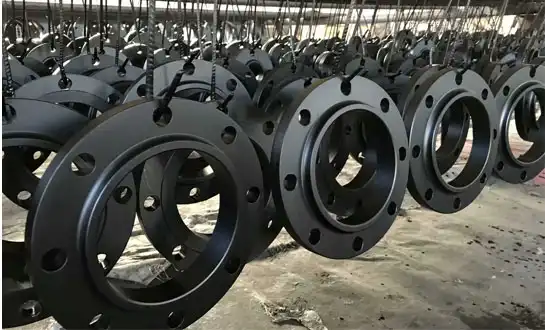
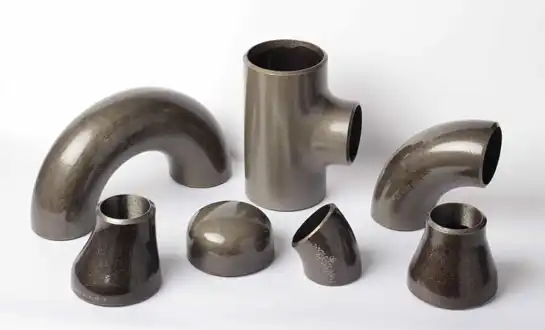
Well-known global companies keep marketing networks in place all over Central Asia so they can sell standard goods that meet international standards. Most of the time, these sellers offer ASTM A106 and API 5L compliant carbon steel pipes in sizes ranging from SCH 10 to SCH 160. The pipes come with proof of hydrostatic testing and beveled ends that are ready to be welded. This group is led by RAYOUNG, which offers seamless carbon steel pipes with anti-corrosion coats and compliance for sour service. Their GOST-R certification and SGS inspection services ensure compliance with export requirements and ISO 9001:2015 quality standards. The company's wide range of products includes buttweld steel elbows, reducers, and flanges, which can be used to solve any problem with a pipe system.
Regional Distributors and Trading Companies
Local distributors are very important because they keep the product on hand so that it can be delivered right away and offer technical help in the local language. These businesses usually focus on certain types of industries, learning a lot about the needs of those industries and the rules that must be followed in that area. Successful wholesalers keep their prices clear and offer open payment terms that work with the way business is done in each area. They also give useful information about supply availability and price trends to buying teams, which helps them make smart decisions about when to buy things.
Evaluation Criteria for Supplier Selection
An in-depth review of a supplier looks at more than just the original price. Quality standards, such as ISO compliance and approvals relevant to the industry, show that the manufacturing process is consistent and that rules are followed. Checking for financial stability helps make sure long-term supply security, and talking to past customers for references gives you information about how well the service works and how good it is. It's especially important to have technical support for complicated uses that need help choosing materials or having unique requirements met. When suppliers offer technical advice and help with installation, they add value that often explains higher prices.
Comparative Insights: Choosing the Right Industrial Tubing for Your Needs
The choice of materials has a significant impact on project success, operational safety, and long-term maintenance requirements. Knowing how different materials and manufacturing methods affect performance lets you make the best specification decisions that meet business needs and stay within your budget.
Carbon Steel vs. Alternative Materials
Carbon steel tube works very well in high-pressure situations, which is why it is the best choice for steam systems and oil and gas transfer lines. When you use the seamless production method, there are no longitudinal seams. This means that the strength is the same all the way around, and there are no heat-affected zones that could be failure places in welded options. Stainless steel versions are better at resisting rust in chemical processing settings, but they cost a lot more at first. Total cost of ownership calculations often show that stainless steel is better in situations where toxic materials are present or where cleaning needs to be done often.
Pressure Ratings and Performance Data
To make sure safety and legality, the specs for industrial tubing must match the working parameters of the system. Schedule numbers indicate wall thickness, which influences pressure capacity depending on material grade, diameter, and temperature conditions. For high-pressure uses, the SCH 80 and SCH 160 choices offer more safety margins. Verification through hydrostatic testing makes sure that every pipe meets the required pressure levels without leaking. This quality control measure is especially important in sour service situations, where hydrogen sulfide exposure adds to the stress on the materials.
Cost-Performance Analysis for Regional Applications
Prices vary by region because of the cost of shipping, the way people buy things in that area, and the amount of competition between suppliers. Most of the time, buying in bulk saves a lot of money, but procurement teams have to weigh the cost of inventory against price benefits. The full cost of a project includes the price of materials, their transport, the work needed to install them, and any upkeep that will be needed in the future. When it comes to tough working environments, premium materials often make up for higher starting costs by needing less maintenance and lasting longer.
Procurement Best Practices and Maintenance Tips for Industrial Tubing
Evaluation of suppliers, negotiation strategies, and long-term relationship management are all important parts of good buying strategies. In Central Asia's constantly changing markets, where suppliers' skills and pricing systems are always changing, these techniques become even more important.
Strategic Supplier Evaluation
A full review of a supplier starts with a check of their technical abilities. This includes looking at their production methods, quality control techniques, and compliance with certifications. Site visits give you important information about output capacity and operating standards that you can't get from reading documents alone.A study of a supplier's financial security helps ensure that the supplier can keep long-term commitments and maintain quality standards. Checking with current customers for references shows that performance levels and service quality are higher than what is advertised.
Negotiation Strategies and Contract Management
Negotiations that go well strike a mix between low prices, quality security, and service levels. Payment terms, release dates, and performance promises have a big effect on the total value of the project, which goes beyond just the price. Structures of contracts should include quality standards, testing requirements, and ways to fix goods that don't meet the standards. Clear guidance stops confusion and gives people a way to fix problems with speed.
Installation and Maintenance Protocols
The efficiency and service life of tubes are directly affected by how they are installed. Beveled ends make it easier to weld joints that are strong, and treating them correctly keeps the surface from getting damaged, which could lower its resistance to corrosion. Setting up regular review times helps find problems before they get in the way of operations. Maintenance plans should include ways to clean, check for rust, and change parts based on how they work and what the material is made of.
Future Trends and Innovations in the Industrial Tubing Market of Central Asia
As technology improves and environmental concerns grow, they have a bigger impact on industrial tubing requirements and how suppliers are chosen. Knowing about these trends helps buying teams guess what needs to be bought in the future and plan ahead for that.
Emerging Materials and Manufacturing Technologies
It is possible to make advanced alloy mixtures that improve efficiency while keeping costs low for normal uses. Smart production technologies make it possible to control dimensions more precisely and improve the qualities of materials by using better heat treatment methods. Coating technologies keep getting better, protecting against rust better and lasting longer in harsh settings. Because of the different climates and industrial uses in Central Asia, anti-corrosion techniques are very useful.
Environmental and Regulatory Considerations
Tougher rules about the environment are driving the need for more eco-friendly ways to make things and materials that can be recycled. Suppliers are putting more and more emphasis on environmental responsibility and lowering their carbon footprint in their value offerings. Harmonization of regulations across Central Asian markets makes it easier to buy things across borders and sets standards for quality. This trend is good for foreign suppliers and good for area producers who can meet higher standards.
Market Evolution and Supplier Adaptation
Digitalization changes the way things are bought and sold, making it easier to find suppliers and handle transactions. To stay competitive and give better customer service, suppliers spend on digital skills. As world events show how vulnerable we are, supply chain robustness becomes more and more important. Diversified buying strategies and developing area suppliers help make sure that important projects always have access to the materials they need.
Conclusion
The industrial tubingmarket in Central Asia has a lot of different options for buyers who are ready to deal with the region's difficulties and provider differences. To be successful, you need to carefully evaluate your suppliers, choose your materials strategically, and use good purchasing methods that balance lowering costs with maintaining quality. As the region's industries continue to grow, suppliers' skills improve, and rules become more uniform, making it easier to keep doing business with the same people for a long time. As the market changes, buying teams can stay ahead of the competition and make sure projects are successful by keeping up with new technologies and changes to regulations.
FAQ
1. What specifications should I prioritize when sourcing industrial tubing in Central Asia?
For carbon steel pipe applications, ASTM A106 and API 5L compliance should be given top priority. This will ensure that hydrostatic testing is carried out correctly and that the schedule values are right for your pressure needs. When used in oil and gas, anti-corrosion coats and sour service compliance are necessary. Beveled ends make quality field welding easier.
2. How do I evaluate supplier credibility in Central Asian markets?
Check for ISO certifications, talk to past customers for references, and look at credit reports to see how stable the business's finances are. Visits to the manufacturing site give useful information about how things are made and how quality is controlled, and the availability of technical help shows the possibility of a long-term relationship.
3. What factors influence pricing variations across Central Asian suppliers?
Prices are affected by transportation costs, local demand trends, the amount of competition between suppliers, and the specifics of the materials used. Bulk buying, flexible payment terms, and long-term contract agreements can often save you a lot of money and make sure you always have a supply.
Why Choose RAYOUNG as Your Industrial Tubing Supplier
RAYOUNG is a reliable carbon steel pipe supplier with a track record of manufacturing high-performance seamless pipes that comply with ASTM A106 and API 5L standards. Our wide range of products includes SCH 10-160 choices with coatings that resist corrosion, hydrostatic testing confirmation, and beveled ends that are best for welding. We offer the dependability and technical help that procurement managers need with GOST-R certification and SGS inspection services to ensure export compliance and ISO 9001:2015 quality management. Get in touch with us at info@hb-steel.com to discuss your specific industrial tubing requirements
References
1. Central Asian Industrial Development Report 2023: Manufacturing Sector Analysis and Market Trends
2. International Standards Organization Guidelines for Industrial Pipe Procurement in Emerging Markets
3. Regional Steel Industry Analysis: Central Asia Market Overview and Supplier Assessment
4. ASTM International Standards Manual for Carbon Steel Pipe Specifications and Testing Requirements
5. Industrial Procurement Best Practices: Supplier Evaluation and Risk Management in Central Asian Markets
6. Energy Infrastructure Development in Central Asia: Materials Requirements and Supply Chain Optimization

Need a quote? Want to see samples? Just say hello. We’re friendly. We’re fast. And we’re ready when you are.

Welcome to RAYOUNG – Strong Pipes, Stronger Promise