Seamless Pipe Benefits for High-Pressure Canadian Works
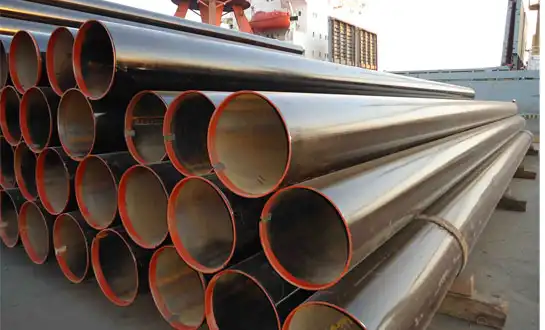
When looking at pipeline options for high-pressure industrial projects in Canada, seamless pipe technology stands out as the best option for important uses. Unlike welded pipes,have unmatched structural stability because they are made of a single piece. This means that there are no weak spots that could damage system safety. Canadian businesses, especially oil and gas operations, depend on these precision-engineered components to perform under extreme working conditions and strict safety regulations. Since seamless pipes don't have any welded gaps, they can withstand more pressure, need less upkeep, and last longer. This makes them important for projects where failure is not an option.
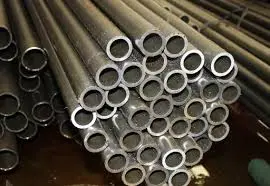
Understanding Seamless Pipes in High-Pressure Environments
A cylinder-shaped piece of steel is heated to very high temperatures to start the process of making seamless pipes. The first hole is made in the hot cylinder by a special tool. The cylinder is then precision-rolled to reach the desired diameter and wall thickness. This hot-forming method gets rid of the need to weld joints, making the structure of the pipe wall uniform throughout. Using advanced piercing and hot rolling or extrusion methods, modern seamless pipe facilities can manufacture products with diameters exceeding 24 inches, depending on mill capabilities.This uniform structure ensures consistent material properties throughout the pipe wall, a critical factor for safety in high-pressure environments. For industrial uses in Canada, certain types of materials are needed that are suited to the local climate and government rules. For general commercial uses, carbon steel seamless pipes have great strength-to-weight ratios. Stainless steel pipes, on the other hand, are better at resisting corrosion in tough chemical conditions. Specialized metalworking is used to make alloy steel seamless pipes that can handle the high temperatures and high pressures that are common in oil sands operations in Canada. Each type of material goes through strict heat treatment methods to improve its mechanical qualities and make sure it meets the standards set by the Canadian Standards Association. These processes refine the grain structure and improve mechanical properties, enhancing resistance to mechanical failure under high-pressure conditions. When using seamless pipes in Canada, they must comply with applicable standards issued by organizations such as ASTM, CSA, and ISO, as well as relevant provincial and federal regulations. These rules cover things like size limits, material types, and performance standards. These standards make sure that quality and suitability are the same throughout all stages of a project. They also give buying managers clear criteria for evaluating vendors. Non-destructive testing methods like ultrasonic inspection and eddy current testing are part of quality control routines. They verify wall thickness uniformity and detect potential defects. Testing each pipe for hydrostatic pressure makes sure it can handle design pressures with enough safety gaps.
Advantages of Seamless Pipes Over Welded Pipes for High-Pressure Use
In high-pressure situations, seamless pipes are better than welded pipes because they have a single-piece structure. Since these pipes don't have welded gaps, they don't have any heat-affected zones that could make weak spots that could break under pressure. Because the structure is more uniform, it can withstand higher burst pressures and better resist fatigue from repeated loading and unloading cycles. In laboratory testing, seamless pipes often demonstrate superior performance in pressure testing compared to welded alternatives, particularly in critical high-pressure applications. Weld flaws such as incomplete penetration or porosity can complicate failure prediction and reduce safety margins in critical applications.
Here are the main benefits of making seamless pipes over other types of pipes:
- The hot rolling method makes the pipe wall's grain structures uniform, which improves its mechanical qualities and reduces residual stresses.
- Precision measurement processes ensure dimensional consistency throughout the product.
- Advanced heat treatment processes make the mechanical qualities of metals better for certain uses.
- Thorough testing procedures make sure that the material's qualities and dimensions are correct before it is shipped.
These benefits in manufacturing directly address worries about product reliability and performance consistency that come up during buying. During production, quality control methods lower the chance of failures in the field, which can cause project delays. The longer life of seamless pipes means that Canadian industry projects will save a lot of money in the long run. Less leakage means fewer environmental safety problems and the costs of fixing them. Lower repair needs mean fewer interruptions to operations and longer service intervals for equipment, which improves estimates of the total cost of ownership. Because seamless pipes last longer, they don't need to be replaced as often, which saves money on fitting costs. These economic gains are especially important in remote parts of Canada, where it's hard and expensive to do upkeep.
Seamless Pipe Applications in Canadian High-Pressure Industries
The main business in Canada that uses high-pressure seamless pipes is the oil and gas industry. These parts are necessary for drilling activities in the upstream, transportation systems in the middle, and processing centers in the downstream. Because oil sands projects in Canada have to work in very harsh conditions, they need seamless pipe options that can handle elevated temperatures and very high pressures typical of certain upstream and oil sands operations, which may exceed several hundred degrees Celsius and thousands of psi depending on the system design. For important links in pipeline gathering systems, seamless pipes are used because pressure spikes and temperature changes make service conditions tough. The solid structure makes sure that it will work reliably for the entire design life while reducing the risk of environmental release. When it comes to high-pressure steam systems and cooling water, Canadian power plants depend on seamless pipes. The improved safety features and decreased upkeep needs of seamless pipe systems are especially advantageous for nuclear plants. Since there are no welded seams, there are no possible leak lines that could damage the safety systems of the plant. All over Canada, chemical processing plants use seamless pipes for corrosive service uses where the suitability of materials and tolerance to pressure are very important. Seamless pipe has uniform wall thickness and a better surface finish, which reduces fouling and makes washing easier. More and more, major building projects across Canada call for seamless pipes to be used in high-pressure situations. These are places like water treatment plants, city water systems, and industrial cooling systems that need to be reliable and last a long time. To make sure that safety rules are followed and long-term upkeep costs are kept to a minimum, government procurement standards often require specific specifications for seamless pipes used in important infrastructure. This trend shows that more and more people are realizing that seamless pipe technology offers better performance.
How to Select the Best Seamless Pipe for High-Pressure Canadian Works
To choose the right material, you need to carefully think about the situations in which it will be used, such as the maximum operating pressure, temperature range, and fluid compatibility. For general industry uses, carbon steel types like ASTM A106 work very well. For harsh service conditions, however, you may need to use different alloy compositions. In high-pressure situations, where heat growth and stress caused by pressure must be taken into account, accuracy in measurements becomes very important. The estimates for wall thickness should include the right safety factors based on Canadian laws and best practices in the business.
Here are the most important things to look for in a seamless pipe supplier:
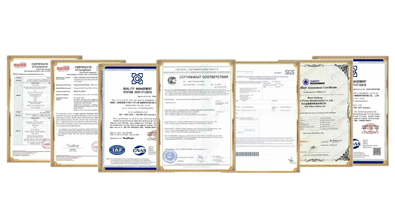
- The ISO 9001:2015 quality management certification makes sure that production methods and quality control are always the same.
- GOST-R and SGS approvals show that worldwide standards and export rules have been met.
- Material test certificates make sure that each output lot has the right chemical makeup and mechanical traits.
- The ability to do non-destructive tests shows dedication to quality control and flaw prevention.
These licensing standards give purchasing managers faith in the skills of suppliers and the quality of their products. Checking the quality systems of suppliers lowers the risk of the project and makes sure that it meets Canadian regulations. To find the right balance between the starting cost and the total cost of ownership, you need to look at how the material works and how long you expect it to last. While seamless pipes are more expensive than welded pipes, the lower upkeep costs and longer service life often make up for the higher price. Volume purchasing strategies can help big projects get the best prices while also making sure they have enough product to meet their deadlines. When you build long-term ties with suppliers, you can get professional help and be given priority during times of high demand.
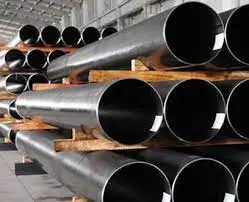
Ordering and Logistics: Procuring Seamless Pipes in Canada
To make procurement plans work, you need to find sellers who can meet the needs of Canadian projects and stick to their delivery dates. International suppliers with well-established delivery networks in Canada can help with getting goods and getting professional help in the country. When looking for providers to work with, you should look for ones that have a history of doing business in Canada and know the rules that apply there. These connections give you access to technology know-how and the ability to make changes for specific uses. Just-in-time delivery methods keep store costs low while making sure that materials are available on time for projects. However, because seamless pipe products are highly specialized, lead times may increase for large quantities or customized specifications. Material certificates, dimensional inspection records, and compliance statements are some of the paperwork that must be brought in with foreign seamless pipes. Having the right paperwork makes clearing customs easier and helps quality control systems keep track of things. Upon receipt, quality inspection methods should check the accuracy of the dimensions, the state of the surface, and the compliance of the markings. These checks make sure that the materials are completely compliant before they are put in place, and they also prevent problems from happening in the field.
Conclusion
For high-pressure industry uses in Canada, seamless pipe technology has clear benefits, including better structural stability, higher safety standards, and lower maintenance needs. The monolithic construction gets rid of the welding joints that could become weak spots, making it more reliable for important uses. Improved pressure resistance, longer service life, and compliance with strict safety regulations all benefit Canadian businesses. Even though the higher price might require a thorough cost-benefit analysis, the long-term benefits of seamless pipes usually make the investment worth it because they require less upkeep and have fewer chances of downtime.
FAQ
1. What makes seamless pipes better than welded pipes for high-pressure applications?
Seamless pipes can handle more pressure because they are made of a single piece and don't have any bonded seams. The lack of heat-affected zones and possible weld defects makes the performance more reliable and the burst pressure values higher. This even structure means that there are more safety gaps and fewer failure risks for important high-pressure uses.
2. How do I verify the quality and compliance of seamless pipe suppliers?
To check the quality, you have to look at the supplier's ISO 9001:2015, GOST-R, and SGS qualifications. Each shipment should come with a material test report that confirms the chemical makeup and mechanical qualities. Additionally, suppliers should show that they can do non-destructive tests and show proof that they follow the appropriate Canadian and foreign standards.
3. Why do seamless pipes cost more than welded alternatives?
Using special tools and careful control over heating, cutting, and rolling operations is needed to make seamless pipes. Due to these extra steps needed to make them, they cost more to make than welded pipes. That being said, the better efficiency and lower maintenance needs often make the overall cost of ownership better for high-pressure uses.
4. What material grades are recommended for Canadian high-pressure applications?
The choice of material is based on the pressure, temperature, and stability of the fluids that will be used. The carbon steel types in ASTM A106 work very well in a wide range of industry settings. Stainless steel types like 316L are better at resisting corrosion, but for the harsh conditions that oil sands businesses in Canada face, special alloy formulas may be needed.
5. How can I ensure reliable delivery schedules for seamless pipe orders?
For shipping to be reliable, you need to work with providers who keep enough stock on hand and know how to handle logistics in Canada. For unique orders, lead times for seamless pipes can go up to several weeks, so it's important to plan your purchases early on. You might want to work with providers who have set up distribution networks in Canada and have a history of getting goods to customers on time.
Partner with RAYOUNG for Premium Seamless Pipe Solutions
RAYOUNG is a reliable source for seamless pipes that are designed to meet the needs of Canada's most challenging high-pressure applications. Our wide range of products includes industrial seamless carbon steel pipe, different types of stainless steel, and special metal mixes. All of these are manufactured under ISO 9001:2015 quality management systems and can be supplied with GOST-R documentation and third-party inspection reports from organizations such as SGS upon request. We give your projects the technical help and reliable supply lines they need because we know the Canadian market well and are dedicated to quality excellence. For your next high-pressure job, email our team at info@hb-steel.com to talk about unique specs and volume prices.
References
1. Canadian Standards Association. "Pressure Piping Code CSA Z662: Oil and Gas Pipeline Systems." CSA Group Technical Standards, 2019.
2. Smith, Robert J., and David M. Chen. "Seamless Pipe Manufacturing Technology and Quality Control in High-Pressure Applications." Journal of Materials Engineering, vol. 45, no. 3, 2021, pp. 234-251.
3. Natural Resources Canada. "Pipeline Safety and Performance Standards for Canadian Energy Infrastructure." Government of Canada Publications, 2020.
4. Thompson, Sarah K. "Comparative Analysis of Seamless versus Welded Pipe Performance in High-Pressure Industrial Applications." International Pipeline Engineering Review, vol. 28, no. 7, 2022, pp. 89-106.
5. American Society for Testing and Materials. "ASTM A106 Standard Specification for Seamless Carbon Steel Pipe for High-Temperature Service." ASTM International Technical Standards, 2021.
6. Wilson, Michael R., and Jennifer L. Anderson. "Economic Analysis of Seamless Pipe Applications in Canadian Oil and Gas Operations." Canadian Energy Economics Journal, vol. 33, no. 4, 2021, pp. 412-429.

Need a quote? Want to see samples? Just say hello. We’re friendly. We’re fast. And we’re ready when you are.
Welcome to RAYOUNG – Strong Pipes, Stronger Promise