Top Suppliers of Welding Neck Flanges in China
China is one of the largest manufacturing bases in the world for welding neck flanges. It has numerous suppliers capable of meeting the needs of industries worldwide. These pipe fitting components are widely used in high-pressure applications across industries such as chemical processing and oil and gas. Chinese makers have become trusted sources by using advanced manufacturing techniques, offering low prices, and following international quality standards such as ASME, DIN, and ISO certifications. The strategic location of major industrial hubs, along with strong logistics networks, enables fast and cost-effective global delivery for procurement professionals worldwide.
Understanding Welding Neck Flanges: Types, Standards, and Applications
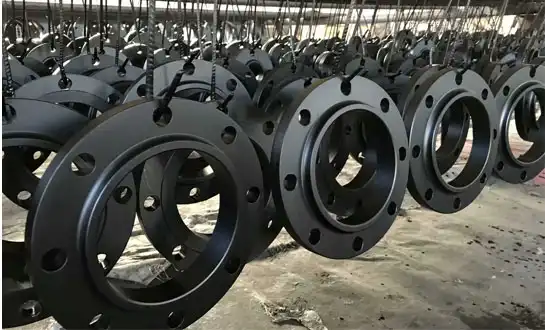
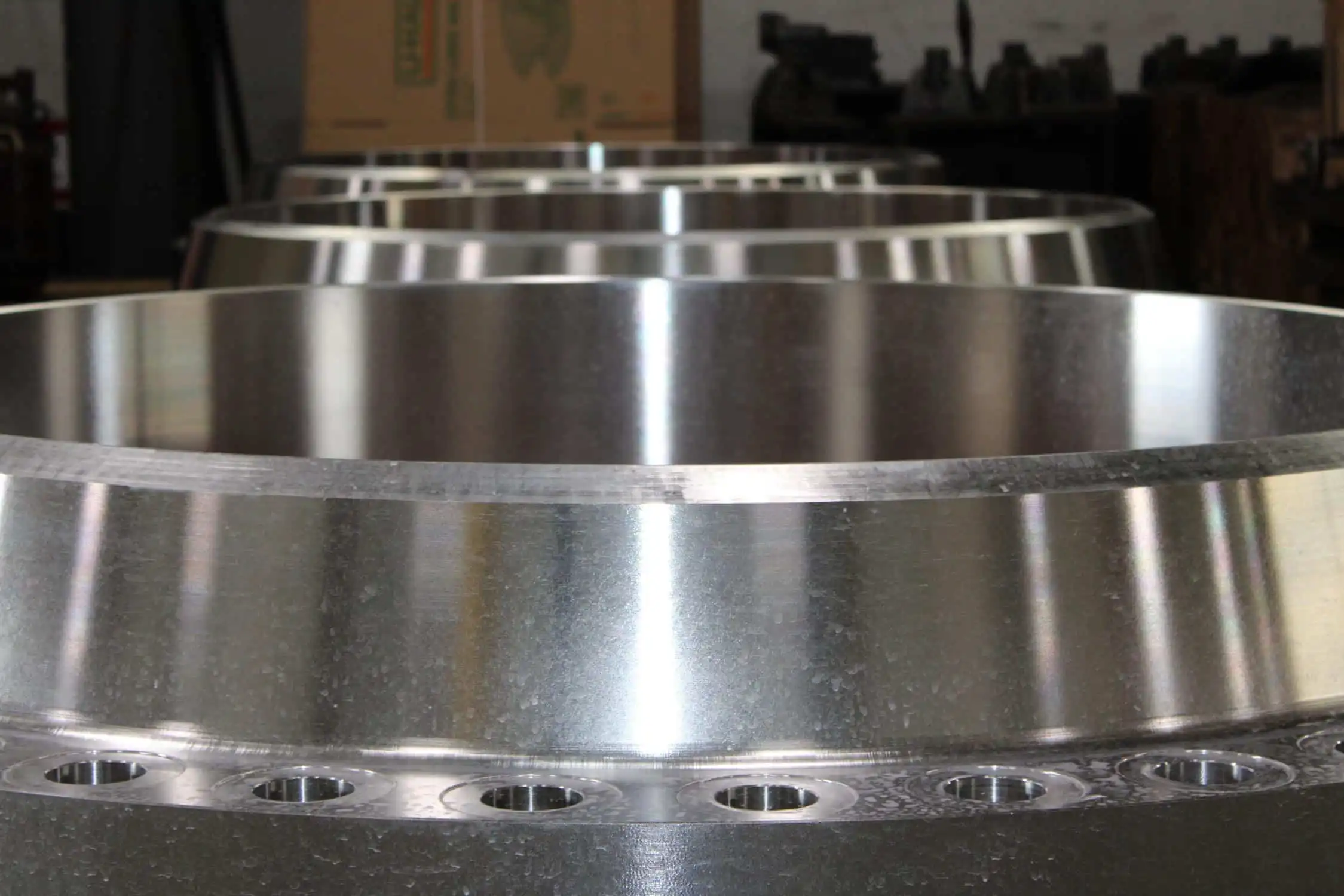
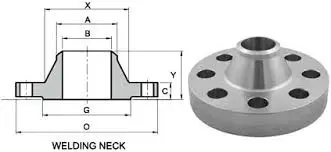
Welding neck flanges are high-quality pipe components recognised by their tapered hub design extending from the flange ring. This engineering design reduces stress concentration issues associated with other flange types, making them essential for mission-critical uses.
Technical Specifications and Design Features
The main benefit of weld-neck pipe flanges is the way they connect—they are butt-welded. Unlike slip-on options, these parts have an interior thickness that is exactly the same as the joining pipe. This means that there is no flow turbulence or erosion. The tapered hub moves the working stress from the joint to the pipe itself, which makes the structure stronger in harsh conditions.
ASME B16.5, ASME B16.47 (for large-diameter flanges), DIN EN 1092-1, and ISO 7005 are some of the applicable standards for these components. These international standards ensure compatibility across industrial applications while maintaining appropriate safety margins for high-pressure environments. Material formulas usually include types of carbon steel like A105, stainless steel like 304L and 316L, and alloy steels made especially for places that rust.
Industrial Applications and Performance Advantages
There are many industries that can use welding neck flanges because they are so flexible. These parts can handle cyclic wave loads and hydrostatic pressures in underwater settings for oil and gas activities at sea. They are used in power plants in high-temperature steam lines, which may operate at elevated temperatures depending on plant design.
Chemical processing plants use these flanges to move dangerous fluids, especially in hydrofluoric acid alkylation units, where the safety rules rest on the integrity of the seals. Compared to fillet-welded options, the full-penetration butt weld and smooth bore alignment reduce stress concentration and minimise the risk of erosion and leakage.
Top Chinese Suppliers of Welding Neck Flanges: Brands and Manufacturers Overview
It is possible to find many well-known suppliers in China that focus on making high-quality flanges, including welding neck flanges. The level of competition has led to new ideas and created cost advantages that help global buying teams.
Leading Manufacturing Hubs and Regional Expertise
While manufacturing bases are concentrated in provinces like Hebei and Shanxi, major export hubs are located in Shanghai, Tianjin, and Qingdao. These areas have clear benefits because they have established supply lines, a lot of skilled workers, and are close to big shipping ports. The high concentration of manufacturers in these regions creates synergistic advantages, such as faster technological progress, lower prices, and easier transportation coordination.
In these areas, many manufacturers maintain ISO 9001:2015 quality management systems, and some also hold API certification for oil and gas applications. Many providers have put a lot of money into modern forging tools and heat treatment facilities, which makes it possible to make flanges that meet strict international standards.
Supplier Evaluation Criteria for Procurement Success
Procurement workers should put a number of key performance factors at the top of their list when evaluating Chinese suppliers. Delivery times are directly affected by production ability, especially for big projects that need a lot of things. Quality assurance procedures, such as material traceability and non-destructive testing (NDT) capabilities, make sure that project requirements are met.
After-sales service, such as technical help, warranty coverage, and quick contact, sets apart the best providers. Export experience shows that you know how to handle foreign shipping requirements and paperwork, which can facilitate smoother cross-border transactions.
Comparing Welding Neck Flanges: Supplier Offerings vs Market Alternatives
To understand the competitive environment, we must conduct a comprehensive evaluation of material options, price structures, and performance traits offered by Chinese suppliers compared to other global sources.
Material Selection and Performance Characteristics
Carbon steel welding neck flanges are the most common type used in industry because they are strong for the price and can be used in a wide range of temperatures. Chinese companies are very good at making A105 carbon steel flanges that work well in normal industrial settings and have consistent mechanical features.
316L types of stainless steel are especially good at resisting corrosion in chemical processing and marine environments. Chinese makers have created special ways to make these materials that allow them to be produced at reasonable prices while still keeping the high level of metallurgical integrity needed for harsh environments.
Chrome-molybdenum steels are commonly used in high-temperature situations where regular steels aren't strong enough. Chinese producers have improved their technology to the point where they can make these specialised grades that meet world standards for performance.
Cost Analysis and Procurement Advantages
When you compare prices from Chinese sellers to those in Europe or North America, you can usually save 20 to 40 per cent. These savings aren't because of lower quality standards; they come from better manufacturing methods, economies of scale, and lower labour costs.
Bulk purchasing of welding neck flanges can further reduce costs, especially for standard sizes and common materials. A lot of providers have tiered price systems that give better unit costs for bigger orders. Customisation requests may affect pricing and lead times, but Chinese makers are often able to meet special needs without charging too much.
Procurement Guide for Welding Neck Flanges from China
To successfully source goods, you need a plan that includes checking out suppliers, making sure products are of good quality, and coordinating transportation. Understanding these factors lowers the risks of buying while increasing the value delivered.
Supplier Verification and Due Diligence
When compared to trading companies, working directly with a business offers the most openness and the best value for money. Virtual factory tours, which have improved significantly with advancements in digital technology, let people see how well a factory makes things and check for quality without having to travel.
Sample evaluation is an important step in the proof process because it lets you test the material and make sure the measurements are correct before committing to bigger orders. Suppliers with a good reputation will gladly send you samples along with approved material test results that show they meet certain standards.
Manufacturing Timeline and Logistics Coordination
Standard welding neck flanges can be made in 15 to 25 working days, but this depends on the size, material, and amount needed. Customised specs may make the lead time 30 to 45 days longer, especially if the products aren't normal or there are special testing needs.
Coordinating international shipping includes making the best use of containers, getting paperwork ready, and going through the customs screening process. Logistics providers and experienced suppliers often work together to make sure deliveries go smoothly, and transportation costs are kept to a minimum through consolidated shipping plans.
Maintenance Tips and Longevity of Welding Neck Flanges
The right way to maintain welding neck flanges will make them last a lot longer and keep them safe to use and reliable in their performance. Knowing these standards helps you make smart choices about purchases and plan operations.
Routine Maintenance Protocols
Visual checks for rust, deformation, or gasket decay should be part of regular checkup plans. Compared to other flange types, the tapered hub design of welding neck flanges facilitates more thorough inspection, allowing for the early discovery of possible problems.
Cleaning methods depend on the service conditions, but in general, they involve getting rid of deposits that could cause rust or stop the gasket from closing properly. To keep their corrosion-resistant features, stainless steel flanges may require cleaning with appropriate chemical agents.
Material Selection Impact on Maintenance Requirements
Coating methods that protect carbon steel flanges in corrosive settings are helpful, but the choice of material at the start is still the most important factor in how well they work in the long run. Stainless steel versions require much less upkeep in chemical processing situations, which makes up for their higher starting costs through lower lifecycle costs.
Unlike slip-on flanges, the butt-welded joint eliminates crevices where corrosion can initiate, which helps the product last longer. This design benefit is especially useful in places with high upkeep costs where downtime costs a lot in terms of lost productivity.
Conclusion
The Chinese market for welding neck flanges has a lot to offer global procurement teams, such as low prices, advanced production skills, and stable quality standards. To be successful, you need to carefully evaluate suppliers, communicate clear specifications, and follow the right quality assurance procedures. Chinese providers are good partners for projects that need high-performance flange solutions because they are both cost-effective and technically skilled. Good care practices increase the worth even more by extending the life of the product and making it more reliable.
FAQ
1. How can buyers verify the quality standards of Chinese welding neck flange suppliers?
There are several ways to check the quality of something, such as looking at the ISO certification, the API licence, and the material test certificate. Independent checks of industrial methods and product compliance are done by third-party inspection services. Before production orders are placed, samples are tested in approved labs to make sure the material's qualities and measurements are correct.
2. What are typical lead times for custom welding neck flange orders from Chinese manufacturers?
Production times for standard specs are usually between 15 and 25 working days, while production times for customised specifications can be up to 45 days. Timelines rely on the supply of materials, the difficulty of the size, and the need for testing. It is possible to get things faster for an extra fee, but quality should never be sacrificed for speed.
3. Which industry certifications ensure compliance with European and American market requirements?
Conformity with ASME B16.5 standards for the American market and EN 1092 standards for the European market. API 6A approval covers uses in the oil and gas business. European market access typically requires compliance with the Pressure Equipment Directive (PED), with CE marking indicating conformity to applicable EU directives. Reputable Chinese manufacturers maintain these certifications through regular audits and inspections.
Partner with RAYOUNG for Superior Welding Neck Flange Solutions
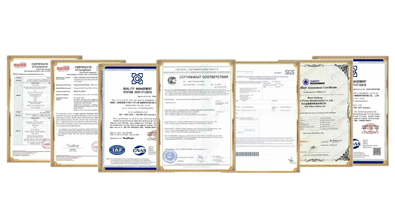
RAYOUNG makes high-quality welding neck flanges for industrial uses around the world by combining decades of experience with cutting-edge production tools. Our wide range of products includes carbon steel, specialised metals, and other materials. They are all made to ISO 9001:2015 quality standards and have GOST-R and SGS export certificates.
As a reliable company that makes welding neck flanges, we know how important it is to have links that work well in high-pressure situations. Our engineering team helps with the technical side of the buying process and makes sure that the right materials are chosen and that the requirements are met for your unique needs. When you email our experts at info@hb-steel.com, you can get customised quotes and detailed product information that meets the exact needs of your project.
References
1. American Society of Mechanical Engineers. "ASME B16.5 Pipe Flanges and Flanged Fittings: NPS 1/2 through NPS 24 Metric/Inch Standard." New York: ASME Press, 2020.
2. Chen, Wei and Liu, Xiaoming. "Manufacturing Excellence in Chinese Industrial Pipe Fittings: Quality Systems and Export Capabilities." Journal of Industrial Manufacturing, vol. 45, no. 3, 2023, pp. 78-95.
3. International Organisation for Standardisation. "ISO 7005 Metallic Flanges - Part 1: Steel Flanges for General Purpose Applications." Geneva: ISO Publications, 2021.
4. Johnson, Robert K. "Global Supply Chain Management for Industrial Components: Best Practices in International Procurement." Industrial Engineering Quarterly, vol. 28, no. 2, 2022, pp. 112-134.
5. Wang, Sheng and Zhang, Hui. "Advanced Forging Techniques for High-Pressure Pipe Fittings in Modern Manufacturing." Materials Science and Engineering Review, vol. 67, 2023, pp. 203-218.
6. Wilson, Michael J. "Comparative Analysis of International Flange Standards: ASME, DIN, and ISO Requirements for Industrial Applications." Pressure Vessel Technology, vol. 39, no. 4, 2022, pp. 45-62.

Need a quote? Want to see samples? Just say hello. We’re friendly. We’re fast. And we’re ready when you are.
Welcome to RAYOUNG – Strong Pipes, Stronger Promise