Best ERW Pipes for Cost-Sensitive African Projects
When developing infrastructure projects across Africa, selecting the right piping solution becomes critical for maintaining budget constraints while ensuring reliable performance. ERW pipes (Electric Resistance Welded pipes) represent the optimal balance between cost-effectiveness and engineering excellence for African infrastructure developments. These welded steel pipes offer exceptional strength-to-cost ratios, making them ideal for water distribution systems, structural applications, and energy projects where budget optimisation remains paramount. Their proven track record in challenging environments, combined with standardised manufacturing processes, positions ERW pipes as the preferred choice for contractors and engineers working on cost-sensitive African projects.
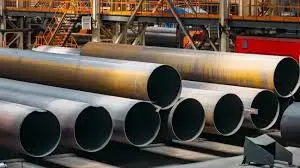
Understanding ERW Pipes in Cost-Effective African Projects
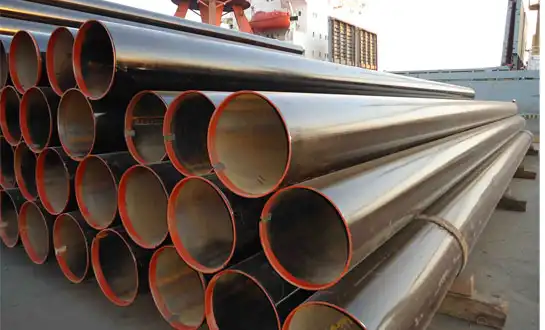
Electric Resistance Welded pipes are made by rolling steel strips through special rollers, which form them into cylinders that are then joined along their length using electrical resistance. Pipes with longitudinal welded seams are produced using this method from steel strips or coils, with finished outside diameters typically available up to 24 inches, depending on mill capability. In the cold-forming process, steel strips are passed through a series of rollers that form them into tubular shapes, after which a high-frequency electric current generates resistance heat to forge the longitudinal seam together without filler metal.
Manufacturing Process and Quality Standards
The ERW production method makes sure that the quality is always the same and that costs stay low, which is very important for African projects. Precision forming processes are used on steel strips to make walls that are all the same thickness and smooth inside areas that are perfect for moving fluids. RAYOUNG's ISO 9001:2015-certified factories use 100% UT/ET testing methods to make sure their pipes are defect-free and can be fully tracked through mill test results that list their chemical and mechanical properties.
This strict quality control process takes into account the special problems that come up with building infrastructure in Africa, where it's important for projects to work reliably even when the weather changes. The controlled manufacturing setting makes pipes with predictable mechanical qualities. This lets engineers confidently build systems while staying within strict budget limits.
Key Specifications for African Applications
ERW pipes made for projects in Africa usually have certain features that are best for the needs of that area. Changes in wall thickness allow for different pressure levels, and choices in steel grade meet the needs for corrosion protection in wet coastal places or dry inland areas. Standard diameters that range from a half-inch to 24 inches allow for a wide range of uses, from small water systems in homes to large-scale commercial setups.
Because ERW pipe specs are so flexible, project managers can choose the best configurations based on the climate and performance needs. This flexibility is especially useful in African markets, where projects often face unique weather and geography problems that need custom solutions.
Comparing ERW Pipes with Other Pipe Types for Optimal Cost and Performance
In order to choose the right materials for pipes, you need to carefully weigh the costs and benefits of each. ERW pipes are often a more cost-effective option than other types of pipes considered for building projects in Africa, especially when it comes to situations where cost and performance need to be matched.
ERW vs. Seamless Steel Pipes
Even though seamless pipes can handle higher pressures, they usually cost 20 to 30 per cent more than ERW pipes that meet the same requirements. This difference in cost becomes important for big projects in Africa, where budgets often limit the materials that can be used. ERW pipes have the right pressure values for most building uses and save a lot of money that can be put toward other important parts of the project.
Because ERW pipes are so easy to make, supply lines can be stable. This cuts down on wait times and inventory costs, which is very important for African projects that need to be finished quickly. Making seamless pipes requires more complicated methods, which often leads to longer delivery times that can affect project schedules.
Performance Comparison with Alternative Materials
Galvanised pipes offer enhanced corrosion resistance due to their zinc coating, but the additional coating process increases overall cost. ERW pipes can also be galvanised or coated to achieve similar corrosion protection while maintaining cost flexibility, allowing them to remain more economical in many applications. Black steel pipes are generally uncoated carbon steel pipes and may require additional corrosion protection depending on the application, whereas ERW pipes can be manufactured with controlled welding and testing standards to ensure consistent quality.
Longitudinal Submerged Arc Welded (LSAW) pipes are well-suited for large-diameter applications, but their manufacturing process is more complex and typically results in higher production costs compared to ERW pipes. ERW pipes feature standard dimensions and bevels, allowing local contractors to weld or couple them quickly using conventional equipment, significantly reducing installation time and labor costs.
How to Select the Best ERW Pipes for Your African Project?
The best way to choose ERW pipes is to carefully consider things that are unique to the project, like the climate, the needs of the application, and the available budget. This evaluation method makes sure that choices about buying are in line with long-term performance goals and that costs are kept low throughout the lifecycle of a project.
Environmental Considerations and Material Selection
African infrastructure projects have to deal with a wide range of natural problems, from the high humidity of the coast to the extreme heat and cold of the desert. When choosing ERW pipes, these factors must be taken into account by choosing the right steel grade and protective coating. For structural uses, grades with more carbon offer better strength, while grades with less carbon offer better weldability for field assembly needs.
Corrosion protection is especially important near the coast, where salt air breaks down materials faster. Using the right covering methods and cathodic protection when needed can greatly increase the service life. Investing in better corrosion protection at the start usually saves a lot of money over time because it requires less upkeep and repair.
Quality Assurance and Testing Protocols
ERW pipes are guaranteed to meet certain performance standards for the whole time they are in use by comprehensive quality assurance systems. Pressure levels are checked with hydrostatic tests, and compliance with technical standards is confirmed by dimensional checks. Chemical makeup analysis checks the steel grade standards to make sure that the qualities of the material match what was planned in the design.
RAYOUNG uses strict testing methods, such as ultrasound and eddy current examination, to find any problems with their products before they are shipped. These quality standards give people faith in the performance of materials and lower the chances of mistakes in the field, which can have a big effect on project plans and budgets.
Dimension and Specification Optimisation
The best way to use materials and meet performance standards is to choose the right dimensions. When figuring out wall thickness, you have to take into account working forces, safety factors, and possible future increases in capacity. Choosing the right diameter affects both the cost of materials and the difficulty of fitting, so it's important to find a balance between the costs of buying things up front and how well they work in the long run.
Specifications for heat treatment can improve mechanical qualities for tough uses, but the extra handling costs must be weighed against the performance gains. For most building projects in Africa, standard ERW pipe grades usually work well enough without the need for expensive heat treatment methods.
Procurement Strategies for ERW Pipes in Africa: Best Practices
Effective buying strategies keep total project costs low while ensuring a steady flow of materials throughout the building stages. These methods deal with specific problems that come up when building infrastructure in Africa, like transportation, evaluating suppliers, and managing risks.
Supplier Evaluation and Certification Requirements
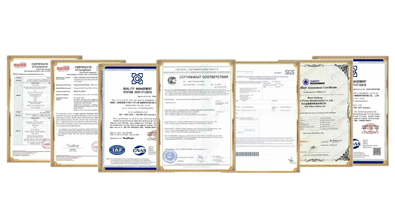
A full supplier assessment looks at the seller's ability to make things, their quality processes, and how reliable their delivery is. Consistent quality management systems are guaranteed by ISO 9001:2015 certification. Other certifications, like GOST-R and SGS, confirm that export rules are followed and that products are of good quality. By keeping these certificates, RAYOUNG shows that it is dedicated to meeting foreign quality standards, which are very important for building infrastructure in Africa.
When working on projects in rural areas, where material shortages can cause big delays, supply chain stability is very important. Established makers with a history of doing well in African markets know how hard it can be to get things delivered on time because they keep their inventory in a way that makes sense for their inventory levels. When handling complicated foreign purchasing needs, it's very important to work with sellers who have a lot of experience.
Bulk Purchasing and Order Optimisation
Through economies of scale, strategic buying can cut costs by a large amount while still keeping stocking costs low. There are often huge savings in bulk purchase deals that have a big effect on the total project budget, especially for big infrastructure projects that need a lot of pipes.
Coordinating order time with project plans reduces the need for storage space while making sure materials are available when they're needed. Phased delivery plans can work with the way the building is being built and make managing the goods on-site easier. These methods work especially well for projects in Africa, where there may not be many safe places to store things.
Negotiation and Contract Management
Good negotiation tactics talk about prices, delivery times, and performance promises while building relationships with suppliers that are good for both sides. When compared to transactional buying methods, long-term partnerships often lead to better prices and service levels. Quality promises and performance warranties are two more ways that key infrastructure applications can reduce risk.
Payment terms optimisation can help you better control your cash flow and might even help you get more deals by paying early. When importing materials, locking in exchange rates or using currency hedging strategies is crucial to protect against currency fluctuations, which can significantly impact project budgets.
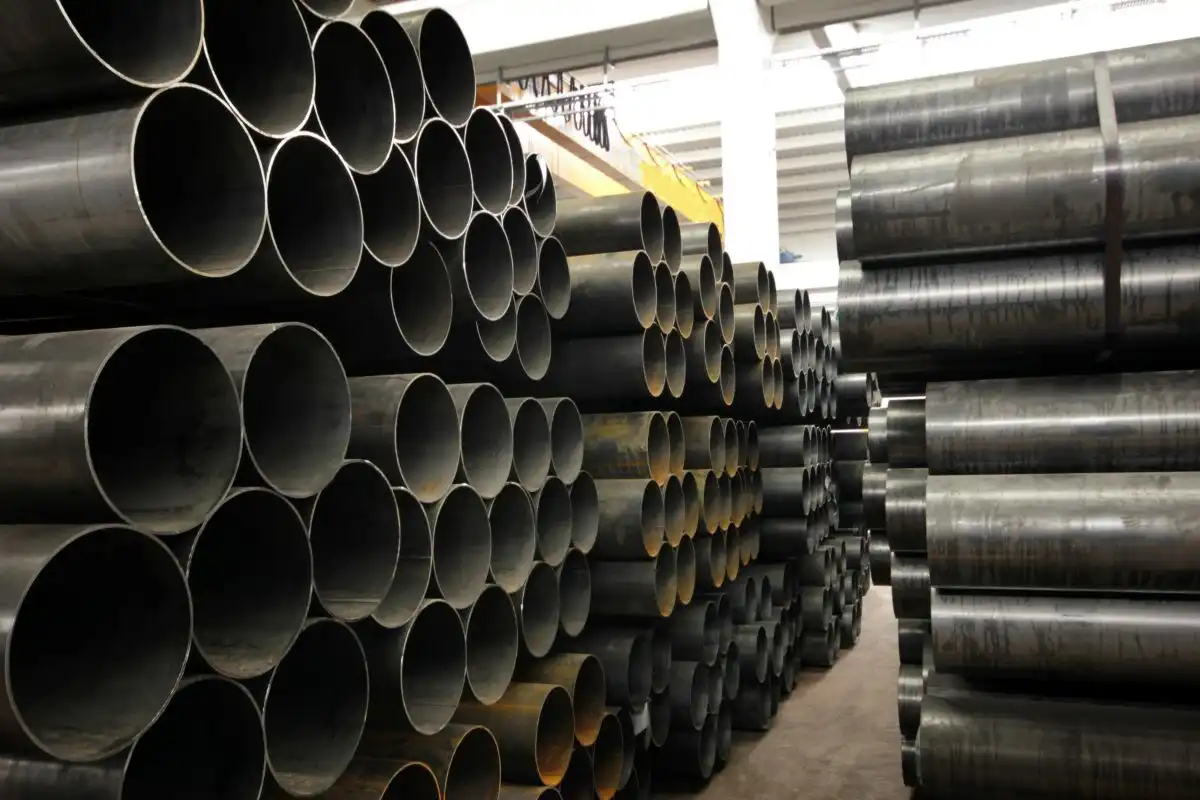
Case Studies and Practical Insights: Successful ERW Pipe Projects in Africa
Field applications across the continent demonstrate the reliability and cost-efficiency of ERW pipes in African infrastructure projects.These examples are very helpful for sourcing workers who are looking at different types of materials for similar projects.
Water Infrastructure Development in East Africa
Kenya's large water distribution project used ERW pipes to build a 150-kilometre pipeline system that served rural areas. The project needed solutions that were both cheap and strong enough to last for a long time, even though they had to be installed in difficult conditions. In this difficult situation, ERW pipes were the best choice because they were strong, affordable, and easy to install.
When compared to other products, the project saved 15% on costs while still meeting all performance requirements. Local workers learned how to install ERW pipes quickly, which cut down on building time and labour costs. Because of the standard connecting methods, no special tools or highly skilled welders were needed, which was very helpful for installations that were far away.
Mining Infrastructure Applications
A lot of mining companies in South Africa use ERW pipes for structural and water control purposes. Because they are strong and don't cost a lot, ERW pipes are perfect for mine structures where saving money is important while still meeting safety standards.
ERW pipes offer good structural stability and can tolerate moderate ground movement, making them suitable for underground applications. The consistent quality of the production process ensures reliable performance in harsh mining settings where material failures can have major effects on safety and operations. These uses show that ERW pipes can work reliably in harsh situations that are common in industry projects in Africa.
Energy Sector Implementation
ERW pipes have been successfully used in cooling systems and structural uses in power generation projects all over Nigeria. For the projects, the materials had to be able to handle high temperatures while still being cost-effective, which is important for keeping energy prices low.
ERW pipes worked well enough in terms of temperature and were much cheaper than expensive metal pipes of the same size. Their successful use in power generation demonstrates their versatility across many industrial areas that are important for Africa's economic growth.
Conclusion
When it comes to African building projects that need to stay within a tight budget, ERW pipes are the best option because they offer the necessary performance characteristics while keeping costs low. ERW pipes are the best choice for many uses, from water distribution to industrial buildings, because they are made in a way that balances manufacturing quality and cost benefits. Using the right selection criteria and smart buying practices will help projects get the most value over their entire lifecycles and run reliably for a long time in difficult African environments.
FAQ
1. What advantages do ERW pipes offer over seamless alternatives?
It is much cheaper to use ERW pipes than seamless pipes (20–30% less expensive on average), and they work well enough for most building projects in Africa. The efficient production leads to a more reliable supply chain and faster lead times, which are very important for planning projects.
2. How can corrosion resistance be ensured in challenging African environments?
Corrosion problems can be solved by using the right protection methods and steel grades. In seaside places, galvanising or special protective coatings make things more resistant, and in harsh soil conditions, cathodic protection systems make things last longer.
3. What are typical delivery timeframes for bulk ERW pipe orders?
Bulk orders of standard ERW pipe typically require several weeks for production and delivery, depending on specifications, order volume, and supplier inventory availability. Established sources like RAYOUNG keep a stocking strategy that can handle projects that need to be delivered quickly.
4. Which applications benefit most from ERW pipe implementation?
The best uses for ERW pipes are in water transport systems, structural applications, and medium-pressure industrial lines. The cost-performance balance is especially helpful for big building projects where the cost of materials has a big effect on the total budget.
Partner with RAYOUNG for Your African Infrastructure Success
RAYOUNG is ready to help you with your building projects in Africa by providing you with high-quality ERW pipes that offer great value and dependability. Our ISO 9001:2015-certified manufacturing guarantees stable quality, and our thorough testing methods make sure that you get a product that is free of defects. As a top maker of ERW pipes with a lot of project experience in Africa, we know the unique difficulties and needs of building infrastructure that needs to be done quickly and cheaply.
Get in touch with our expert team at info@hb-steel.com to talk about your project needs and get ERW pipe options that are made to fit your African needs. Our experts provide detailed specifications, competitive pricing, and logistics support to streamline the procurement process and ensure successful project execution.
References
1. African Development Bank. "Infrastructure Development and Economic Growth in Sub-Saharan Africa: Policy Framework and Implementation Strategies." African Development Review, 2023.
2. International Steel Trade Association. "Electric Resistance Welded Pipe Standards and Applications in Developing Markets." Global Steel Manufacturing Report, 2024.
3. World Bank Infrastructure Division. "Cost-Effective Pipeline Solutions for African Water Distribution Projects." Infrastructure Development Guidelines, 2023.
4. African Infrastructure Investment Report. "Material Selection Strategies for Sustainable Infrastructure Development." Continental Engineering Review, 2024.
5. International Organisation for Standardisation. "Quality Management Systems in Steel Pipe Manufacturing: African Market Applications." ISO Technical Bulletin, 2023.
6. Sub-Saharan Infrastructure Development Council. "Best Practices in Procurement for Large-Scale African Infrastructure Projects." Regional Development Standards, 2024.

Need a quote? Want to see samples? Just say hello. We’re friendly. We’re fast. And we’re ready when you are.
Welcome to RAYOUNG – Strong Pipes, Stronger Promise