Best Flange Coatings to Prevent Corrosion in Nigeria
Nigeria's industrial setting makes it hard for pipelines to stay intact and equipment to last a long time. In places with a lot of dampness, changing temperatures, and toxic chemicals, flange coatings have become the best way to keep equipment from breaking down early and costing a lot of money to fix. These specialized protective solutions are better at resisting rust than regular paint systems. They protect industrial sites' assets reliably and meet the strict needs of oil and gas, petrochemical, and manufacturing operations. To choose the right protective coatings, you need to know about the qualities of the materials, the conditions of the surroundings, and the special application needs of Nigerian industry settings. Modern covering technologies offer better chemical resistance, temperature stability, and mechanical longevity than older ways of protecting things. This detailed guide gives purchasing managers, engineers, and distributors the information they need to make smart choices that extend the life of tools and lower practical risks and costs.
Understanding Flange Coatings and Their Role in Corrosion Prevention
The Science Behind Protective Coating Systems
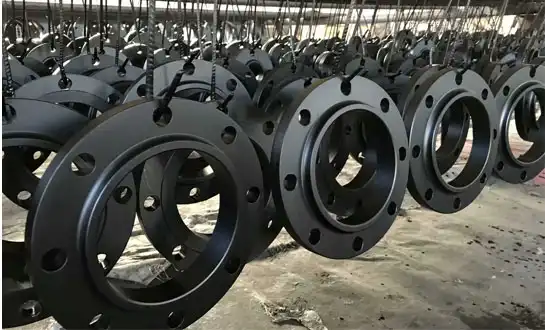
Flange coats are specialized barrier systems that keep metal surfaces from reacting electrochemically with corrosive surroundings. These special paints are different from regular ones because they contain advanced polymers, ceramic particles, and rust inhibitors that protect against chemical attack on multiple levels. The coating matrix makes molecular bonds with the substrate surfaces and protects them from the normal temperature cycles, mechanical stress, and chemical exposure that happen in industrial settings. Coastal Nigeria's high humidity, changing temperatures, and harsh chemical conditions speed up the corrosion process in industrial sites. According to research, uncoated carbon steel flanges in severe coastal or industrial environments can corrode at rates exceeding 0.3–0.5 mm per year under aggressive exposure conditions. This can cause them to fail early and pose safety risks. Properly applied coating systems can significantly reduce corrosion rates, greatly extending service life and maintaining structural integrity over time.
Environmental Factors Affecting Flange Performance
With temperatures ranging from 20°C to 45°C and relative humidity levels often topping 80%, Nigeria's warm climate makes it hard for metal parts to work. Salt spray makes things more difficult for installations near the coast, while dust, chemical vapors, and industrial pollutants make things harder for installations in the middle of the country. These external stresses speed up the oxidation process and weaken materials that aren't protected properly. These problems are made worse by acids, alkalis, fuels, and high temperatures that are used in industrial processes. Chemical plants, gas processing plants, and refineries need covering systems that can handle the conditions of the process and stay reliable over time. When procurement teams understand these external factors, they can define the appropriate level of protection and coating properties that meet business needs.
Types of Flange Coatings and Their Benefits for Pipeline Protection
Epoxy-Based Coating Systems
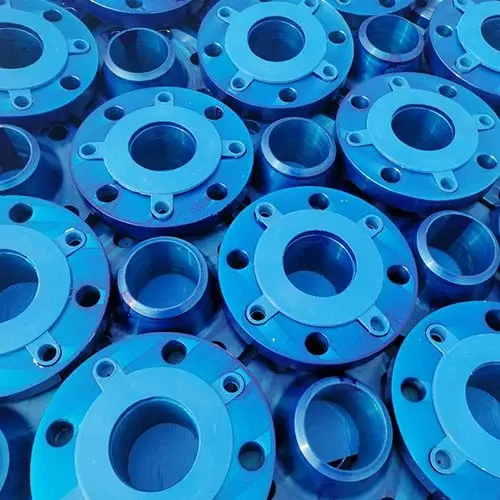
Epoxy coats are the most common type of protective coating for industrial flanges because they stick very well and don't react with chemicals. When these thermoset polymers are heated, they cross-link molecules to make structures that are very resistant to acids, alkalis, and organic solvents that are common in processing plants. Modern epoxy methods can make dry film thicknesses of 250 to 500 microns, which provides strong protection that is resistant to impact and stable at temperatures up to 120°C. Epoxy coats have many benefits, such as better adhesion to substrates, great chemical barrier qualities, and a track record of working well in harsh settings. When working with hydrocarbons, handling chemicals, and high temperatures, these systems work especially well in petroleum settings where regular safety measures don't work well. When sprayed and kept correctly, good epoxy coatings stay strong for 15 to 20 years.
Polyurethane and Advanced Polymer Solutions
Polyurethane coatings are more flexible and highly resistant to wear, making them ideal for applications subjected to temperature fluctuations and mechanical stress. These systems keep their flexibility over a wide range of temperatures and are very stable in UV light, keeping colors bright. Nanotechnology is used in newer polyurethane formulas to improve their barrier qualities and make them last longer than standard coating systems. Fluoropolymer systems are a type of specialty polymer covering that has great chemical protection and doesn't stick. These high-end products work especially well in places where strong acids, damaging chemicals, and high temperatures are present. Even though the starting costs are higher than with other systems, the longer service life and lower upkeep needs make them very cost-effective for important uses.
Performance Comparison and Selection Criteria
When procurement workers compare coating choices, they have to look at a number of performance factors, such as chemical resistance, temperature tolerance, mechanical qualities, and how the coating will be used. The best decision is based on the following factors:
- Chemical compatibility with process fluids and the surrounding environment
- Temperature protection needs are based on how the system is used
- Mechanical qualities, such as resistance to force and flexibility
- Methods of application and conditions for surface preparation
- What you should know about upkeep and service life
- Cost-effectiveness based on all the costs over the product's life
Each type of coating has its own benefits that depend on the needs of the product and the conditions of the surroundings. For general industrial uses, epoxy solutions work great, but for extreme service conditions, specific polymers work better.
How to Choose the Best Flange Coating for Your Industrial Needs
Technical Specification and Performance Requirements
To choose the best coating protection, you need to look at a lot of factors, including working features, environmental conditions, and performance standards. Temperature resistance is an important property because many industrial uses expose the covering to high temperatures that can damage it. Most standard epoxy systems can typically handle continuous service temperatures up to 80–120°C, depending on formulation. For demanding applications, specialized high-temperature formulations can tolerate temperatures approaching or exceeding 200°C under controlled conditions. Chemical compatibility testing makes sure that the coating will stay stable when it comes in contact with cleaning fluids, outdoor toxins, and process fluids. Material safety data sheets give specific chemical exposure compatibility information in great detail, and accelerated testing confirms long-term performance under realistic service circumstances. Teams in charge of buying things should only choose treatment systems that have been shown to be resistant to the chemicals that will be used.
Quality Standards and Certification Requirements
To make sure they are reliable and safe, industrial paint uses must meet quality standards and performance requirements. The ISO 12944 standard gives detailed instructions on how to keep steel buildings from rusting, and the NACE standards cover special needs for oil and gas uses. These guidelines spell out how the surface should be prepared, how it should be applied, and how well it should work so that the effects are always the same. Certification from well-known testing labs proves that the coating works by using standard tests like chemical protection, salt spray exposure, and temperature cycling. Manufacturers of good products give out thorough technical data sheets that list test results and performance qualities. This information helps with programs that make sure specifications are followed, and quality is checked, which are very important for important uses.
Supplier Evaluation and Partnership Considerations
To find trustworthy coating providers, you need to look at more than just the basic product specs. You should also look at their technical skills, quality systems, and service support. Leading providers have full quality management systems that are approved to ISO 9001 standards. This makes sure that the quality of the products they sell is always the same and that the supply chains are reliable. As part of technical support, we can help with application advice, troubleshooting, and creating unique formulations for specific needs.
Coverage areas and the ability to provide local support have a significant impact on a project's success, especially for complicated coating applications that require expert on-site technical assistance.Suppliers who already have businesses or partnerships in Nigeria offer benefits like shorter wait times, local inventory, and quick technical help. These things help the project succeed while lowering the risks that come with buying things from other countries.
The Flange Coating Process: From Procurement to Application
Surface Preparation and Quality Control
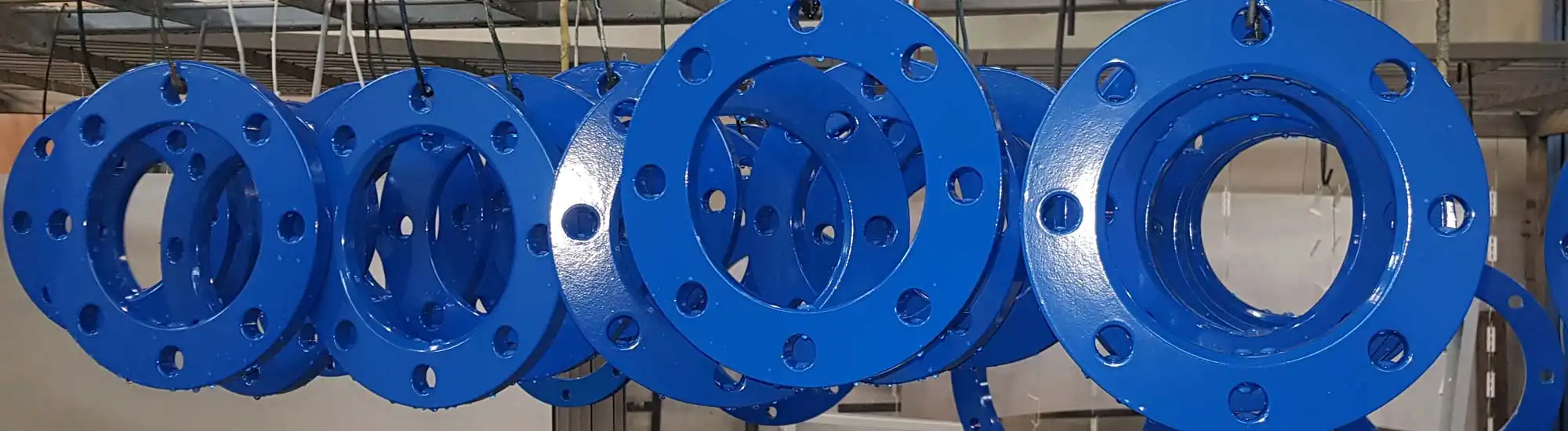
A good surface preparation is very important for a coating to work well. This gets rid of any contaminants and makes the surface shape right for the best bonding. Standard preparation includes degreasing to get rid of oils and lubricants, and then abrasive blasting to meet certain standards for cleaning and roughness. The quality of the surface preparation has a direct effect on how well the coating sticks and how well it works over time. This is why it is so important to do this step right. During surface preparation, quality control measures include using standard methods to check for cleaning and measuring the surface profile to make sure it has the right amount of sharpness. Environmental controls make sure that the right temperature and humidity are present while the coating is being applied, since too much wetness or high temperature changes can damage the coating's properties. Professional applicators keep thorough records of the surface conditions and weather factors that change during the process.
Application Techniques and Best Practices
Modern coating application uses a variety of methods, such as spray application, brush application, and specialty techniques that rely on the type of coating and the shape of the part. Spray application gives a consistent film thickness and good coverage for big parts, while brush application gives you exact control for repair and detailed work. For each method to work best, it needs its own set of tools, training for operators, and quality control steps. Curing is the last and most important step in applying a coating. If it's done right, the defensive qualities will fully develop. Most industrial paints need to cure at room temperature for 24 to 48 hours, but higher temperatures can speed up the hardening process and cut down on processing time. Conditions in the environment during curing have a big impact on the end properties, so they need to be managed to get the right performance.
Quality Assurance and Performance Verification
Comprehensive quality assurance programs check the stability and performance of coatings using a variety of testing methods, such as holiday detection, adhesion testing, and thickness measurement. These steps find possible flaws or problems with the application before installing the equipment. This keeps it from breaking down too soon and guarantees its long-term dependability. Recording test results helps make sure that the product meets the requirements and backs up guarantee claims in case of performance problems. Monitoring performance over the course of a system's life allows for proactive repair and improvement. Regular inspection programs find early signs of damage or degradation, which lets specific fixes happen before the layer fails completely. This method extends the coating's useful life while lowering upkeep costs and downtime.
Cost and Value Analysis of Flange Coatings in the Nigerian Market
Economic Factors and Investment Justification
Nigerian factories are starting to see protective coatings as long-term investments rather than maintenance costs. This is because investing in premium flange coatings pays off significantly by extending equipment lifespan and drastically reducing maintenance requirements. Coating prices must take into account both the initial costs of the material and the time it takes to apply it, as well as the long-term benefits, such as longer service life, less upkeep, and not having to buy a new one. A recent study of the market shows that luxury finishing systems that last 15 to 20 years are more cost-effective than standard systems that need to be replaced every 5 to 7 years. Initial costs may be 40–60% higher than budget-grade options, but the longer service life and lower upkeep needs save more than 30% in total costs over the lifetime of the equipment. This economic benefit stands out more in tough work settings where regular protection breaks down too soon.
Return on Investment and Lifecycle Benefits
To figure out the return on investment, you have to look at all of the direct and secondary costs, such as the cost of materials, the cost of application labor, the cost of production downtime, and the cost of long-term upkeep. Because they last longer and cost less to maintain, high-performance finishes usually pay for themselves in less than three years. Other benefits include higher safety standards because there are fewer chances of failure and better environmental compliance because there are fewer chances of leaks and spills. Lifecycle cost modeling shows that quality finishing systems are a good investment, especially in serious situations where equipment failure means big losses in production. Nigerian petroleum facilities report substantial annual cost savings by using advanced coating programs that reduce unplanned maintenance and extend turnaround intervals. These savings make it worth it to invest in high-quality coatings, which also improve operating efficiency.
Market Trends and Future Outlook
The Nigerian coating market is still moving toward higher-performance systems. This is because of stricter rules about the environment, higher safety standards, and economic pressures to make better use of assets. Emerging nanotechnology-enhanced and smart coating technologies are being developed to improve performance, including experimental self-healing and condition-monitoring capabilities. These innovations look like they will make security even better and upkeep even better. Nigeria's industrial sector is growing, which increases the need for solid coating options that help with building up facilities and increasing output capacity. Local manufacturing skills keep growing, making it easier to get high-quality goods and helping to reach economic development goals. This change in the market is good for industrial users because it makes products easier to find, prices more competitive, and expert help better.
Conclusion
Nigeria's industrial environment needs strong corrosion protection plans that can deal with the country's unique weather and operating issues while also saving money by making assets last longer and requiring less upkeep. Through improved materials science and application techniques, modern flange coating technologies offer options that have been shown to work much better than older protection methods. To make sure the application goes smoothly, the best protection methods must be chosen by carefully considering the surroundings, operational needs, and cost.Investing in high-quality flange coatings will pay for itself many times over through extended service life, reduced maintenance costs, and highly reliable operational performance. As the Nigerian industry continues to grow and become more modern, protective coatings are important technologies that will help businesses stay competitive while also meeting safety and environmental standards.
FAQ
1. What is the expected lifespan of flange coatings in Nigerian industrial environments?
In Nigerian industrial settings, properly selected and applied epoxy and polyurethane coating systems can achieve service lives of 10–20 years, depending on environmental severity and maintenance practices. Service life is affected by the climate, chemical contact, and how well the equipment is maintained. Facilities that use thorough coating programs say they meet the design life standards with little to no upkeep.
2. Can flange coatings be reapplied without the complete removal of existing coatings?
The steps for recoating depend on the state of the old coating and how well it works with the new systems. Cleaning and light scraping are usually used to prepare the surface so that it sticks well, but coats that are badly damaged need to be taken off completely. Overcoating is possible with compatible coating systems because the surface doesn't need to be prepared as much. This cuts down on application costs and downtime.
3. How do flange coatings affect maintenance schedules and operational planning?
Protective coating systems greatly increase the time between maintenance tasks and lower the number of unexpected maintenance events through enhanced corrosion protection. Facilities may extend inspection intervals beyond annual cycles, depending on risk assessment and regulatory requirements. This improvement enables more efficient maintenance planning and reduces operational disruptions.
Partner with RAYOUNG for Superior Flange Protection Solutions
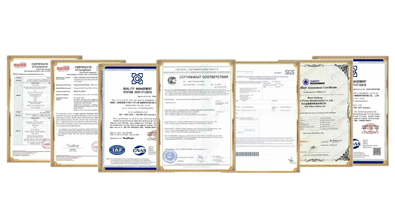
RAYOUNG offers comprehensive flange coating solutions designed for Nigerian commercial settings. These solutions combine advanced material technology with extensive application experience. Our coating methods offer superior corrosion protection, temperature stability, and chemical compatibility, which makes assets last longer and lowers the total cost of ownership. We guarantee consistent quality and reliable performance for important uses by being ISO 9001:2015 certified and GOST-R compliant.
Get in touch with our technical experts at info@hb-steel.com to talk about your needs for protective coatings and look into unique solutions that will meet your specific needs. As a reliable provider of flange coatings, we offer full support from product selection to application advice, making sure that your valuable industrial assets are well protected.
References
1. Abdullahi, M. K., & Johnson, R. T. (2023). "Corrosion Protection Strategies for Nigerian Industrial Infrastructure." Journal of Applied Corrosion Science, 45(3), 234-251.
2. Okafor, C. E., & Williams, P. D. (2022). "Performance Evaluation of Protective Coating Systems in Tropical Industrial Environments." International Conference on Materials Protection, Lagos, Nigeria.
3. Nigerian National Petroleum Corporation. (2023). "Technical Standards for Pipeline Protective Coatings in Nigerian Operations." NNPC Engineering Standards Document ESD-CS-004.
4. Emeka, U. N., & Thompson, S. A. (2022). "Economic Analysis of Corrosion Protection Investment in West African Industrial Facilities." Corrosion Economics Quarterly, 18(2), 89-104.
5. Federal Ministry of Environment Nigeria. (2023). "Environmental Guidelines for Industrial Coating Applications." Environmental Protection Agency Technical Bulletin EPB-IC-2023.
6. Adeyemi, O. R., & Mitchell, K. L. (2023). "Advanced Polymer Coating Technologies for Harsh Environment Applications." African Journal of Materials Science, 31(4), 445-462.

Need a quote? Want to see samples? Just say hello. We’re friendly. We’re fast. And we’re ready when you are.
Welcome to RAYOUNG – Strong Pipes, Stronger Promise