Seamless vs ERW Pipes — What Latin America Buys
In Latin America, smart pipe selection is becoming more and more important for the success of projects in the oil and gas, construction, and infrastructure sectors. Choosing between seamless vs ERW pipes has a big effect on how well operations run, how well safety rules are followed, and how well long-term costs are managed. By knowing the main differences between these two pipe-making technologies, procurement experts can make sure that product requirements match the needs of the regional market. This ensures the best performance while keeping project costs low in today's changing market.
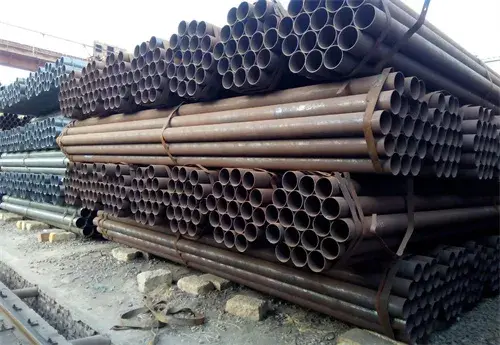
Understanding Seamless and ERW Pipes: Definitions and Manufacturing Processes
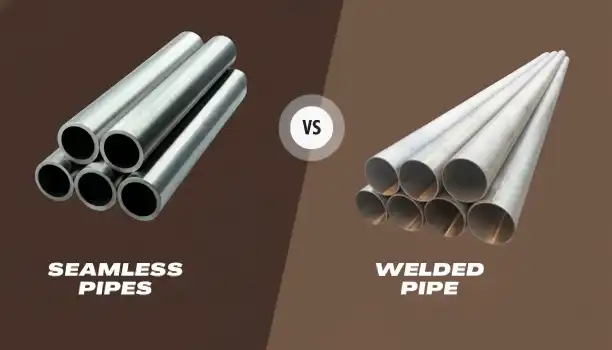
The main difference between seamless and ERW (Electric Resistance Welded) pipes is how they are made, which has a direct effect on their mechanical features and how well they work in different situations. This difference in manufacturing makes each pipe type more advantageous for different industrial situations in Latin American countries.
Seamless Pipe Manufacturing Excellence
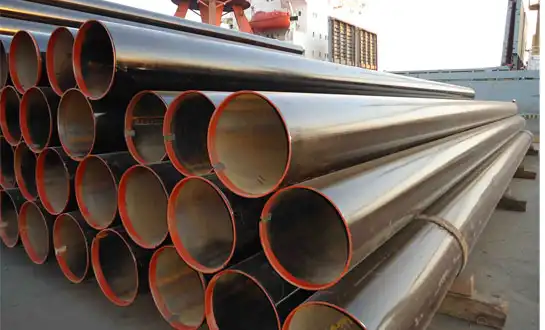
To make seamless pipes, solid steel billets are heated and worked with in complex ways. In the production process, the billet is pierced at high temperatures and then elongated using special rolling methods. By using this method, there are no welded joints in the pipe structure. This makes the walls the same thickness and the mechanical features the same around the whole diameter.
Because they don't have any weld gaps, seamless pipes are more structurally sound, which makes them especially useful for high-pressure uses. The hot-rolling method helps create a uniform grain structure, contributing to consistent mechanical properties throughout the pipe. Because of these qualities, seamless pipes are perfect for important uses where failure could cause major safety issues or business interruptions.
ERW Pipe Production Technology
When making ERW pipes, a different method is used that starts with steel rolls or strips. A set of shaping rollers is used to make flat steel strips into cylinder shapes during the production process. The long edges are then united together using electric resistance welding, which makes a strong seam that is almost unnoticeable along the length of the pipe.
Modern ERW production uses advanced welding technologies that ensure the quality of the welds and the accuracy of the dimensions. Because the process lets you precisely control the wall thickness and width, ERW pipes are perfect for uses that need to stick to tight limits for size. Because of controlled heat treatment during the welding process, the weld zone can achieve mechanical properties comparable to the base metal.
Comparative Analysis: Seamless vs ERW Pipes in Strength, Durability, and Applications
By thoroughly comparing the specific performance features of seamless and ERW pipes, procurement teams can make smart choices for specific industrial applications across Latin America. Depending on the needs of the job and the surroundings, both seamless and ERW pipes have their own benefits.
Strength and Pressure Capabilities
Seamless pipes usually perform better in high-pressure situations because they don't have any welded parts and have a more regular structure. Seamless pipes are better at handling large changes in pressure and stress because they don't have any weak spots along the gaps where they are joined. This benefit is especially useful in areas like oil drilling, plant operations, and hydraulic systems, where pressure changes often.
Advanced production methods have made the welds in ERW pipes much stronger, even though they still have welded seams. These days, electric resistance welding makes joints that are often as strong as or stronger than the original material. However, in applications involving severe thermal cycling, the weld area should be evaluated to ensure it meets the required performance standards.
Corrosion Resistance and Environmental Performance
Seamless pipes may reduce the risk of localized corrosion associated with weld seams, although overall corrosion resistance mainly depends on material composition, coatings, and service environment. This is especially true in harsh chemical settings. Since there are no joint lines, there are no places where crevice rust or galvanic reactions could happen at metallurgical breaks.
If you choose the right material and treat the outside of the pipe properly, ERW pipes don't rust in most commercial settings. If the seam is welded correctly, it doesn't really affect how well it resists rust. But some chemical conditions might need more testing to make sure the weld zone is compatible.
Application-Specific Performance Considerations
Here are the main ways that these pipe systems are better than others in Latin American markets:
- Seamless pipes are the best for oil and gas exploration because they can handle more pressure and are more structurally reliable. This makes them the best choice for upstream activities and key pipeline parts.
- ERW pipes are used most often in construction projects because they are cost-effective and accurate in size. These pipes are used for building structures and infrastructure projects all over the area.
- ERW is useful for water infrastructure because it can be made in a variety of sizes and shapes, which meet the needs of both local and commercial water systems.
These benefits for specific uses show how each technology meets the needs of a different market while still meeting the safety and performance standards needed for Latin American industrial projects.
How to Choose Between Seamless and ERW Pipes for Latin American Markets
When deciding between seamless and ERW pipe technologies, Latin America's varied industrial environment and unique physical challenges mean that many factors need to be carefully thought through. The best methods for choosing pipes depend on things like how the local market changes, the needs of the infrastructure, and economic factors.
Regional Industrial Requirements Analysis
In deep activities, the oil and gas industry in places like Brazil, Colombia, and Venezuela usually needs seamless lines for high-pressure uses. In these areas, the ability to handle pressure and keep the structure strong is more important than the original cost. In Chile and Peru, mining companies also like seamless lines for important process uses where failure risks need to be kept to a minimum.
Because they are cost-effective and can be made in a variety of sizes, ERW pipes are often used in construction and building projects in Mexico, Argentina, and other nearby markets. Municipal water systems, building development, and general engineering uses can all get great performance from ERW lines without spending a lot of money.
Supply Chain and Logistics Considerations
Latin American markets have their own logistics problems that affect the choice of pipe. Because they come in more sizes and can be ordered faster, ERW pipes are better for managing supplies. Because ERW production is so flexible, it's possible to make unique sizes that can save time and money on shipping and handling.
Even though seamless pipes take longer to make, the longer wait times are often worth it for important uses where performance reliability is more important than timeliness. Planning your supplies strategically can help you deal with time issues and make sure that you have what you need for high-priority projects.
Quality Assurance and Certification Requirements
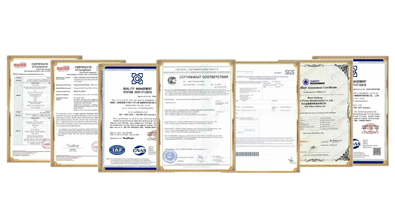
Both seamless and ERW pipes have to meet strict international standards, such as ASTM, API, and EN norms that are important to Latin American markets. Reliable providers have complete quality systems that are certified by organisations like ISO 9001:2015. This makes sure that the products always work the same way, no matter what pipe technology is used.
When evaluating suppliers for either seamless or ERW piping systems, companies with a proven track record of executing projects in Latin America should be prioritized.
When it comes to making sure a project succeeds in a variety of regional markets, local expert help and service skills are often just as important as product quality.
Navigating the Procurement Process: Where and How to Buy Seamless and ERW Pipes?
To buy seamless and ERW pipes successfully in Latin American markets, you need to know about the area's supplier networks, quality control methods, and the best ways to buy in bulk. Strategic methods of buying can have a big effect on how much a project costs and how quickly it gets done.
Supplier Evaluation and Selection Criteria
To find reputable providers, you should first look at their technical skills, quality systems, and presence in the local market. Established sellers usually keep full product lines that include both seamless and ERW technologies. This lets buying teams streamline their sourcing while making sure that all pipe types meet the same quality standards.
Certifications for the manufacturing site, quality control processes, and references from previous projects in Latin American markets are some of the most important things that are used to judge a company. Suppliers with internationally recognized certifications and third-party inspection reports (such as SGS) demonstrate commitment to global quality standards and compliance with export requirements.
Bulk Purchasing Optimisation Strategies
When you buy in bulk, you can negotiate better prices and get faster shipping, which can help you save money. By coordinating orders across multiple project phases, you can take advantage of economies of scale while keeping product change rates that are right for the project's schedule.
When buying from other countries, optimising container loads is especially important because the right size and weight spread can have a big effect on shipping costs. Logistics support from experienced providers helps shipping go as smoothly as possible while keeping goods safe during travel.
Technical Support and Value-Added Services
Leading providers in the industrial steel pipe market provide extensive technical support, such as help choosing the right materials, application engineering, and consultations tailored to each project. These services help a lot when it comes to choosing the right pipes for the situations and needs of operations in Latin America.
Value-added services like custom cutting, end preparation, and protective coating application can cut down on the time needed for installation on-site while still making sure the product is ready for its intended use, regardless of whether you choose seamless or ERW pipes. These kinds of services often give you more reasons to choose one seller over another than just price.
Conclusion
In Latin American markets, the choice between seamless and ERW pipes relies on how the project will be funded, how well the pipes will work, and what the application needs. For important uses, seamless pipes are stronger and can handle more pressure. For general industrial use, ERW pipes are more cost-effective and have better dimensional accuracy. When procurement workers know how the regional market works, what suppliers can do, and what quality standards are needed, they can make decisions that improve project results while still meeting safety and performance standards in a wide range of Latin American industrial settings.
FAQ
1. Which pipe type offers better value for Latin American construction projects?
Because they are cost-effective and can be made in a variety of sizes, ERW pipes are often the best choice for building projects. Because of how they are made, the sizes and wall thicknesses can be controlled very precisely. This makes them perfect for structural uses where regular sizes are needed, but high-pressure handling is not needed.
2. How do pressure ratings compare between seamless and ERW pipes?
Because they don't have any soldered parts, seamless pipes can usually handle higher pressures. Modern ERW pipes, on the other hand, can handle pressures high enough for most industry uses thanks to improved welding technology. The selection choice should be based on the unique pressure needs of your application.
3. What lead times should be expected for each pipe type in Latin American markets?
Because they are easier to make and more common, ERW pipes usually have shorter wait times. When making certain types or grades of seamless pipes, the production period may need to be longer. Getting both types of pipes delivered on time can be easier if you work with well-known local sellers.
4. Are there specific industry certifications required for Latin American projects?
It is important that both types of pipes meet international standards like ASTM, API, and EN. A lot of projects in Latin America also need certain approvals to make sure they are legal to sell and that the quality is good. Reliable sellers keep a wide range of certifications to meet the needs of different projects.
Partner with RAYOUNG for Premium Seamless vs ERW Pipes Solutions
With a focus on the unique demands of the Latin American market, RAYOUNG is a reliable provider of both premium seamless and ERW pipes. Our wide range of products includes ERW and seamless pipes that are made to meet international standards and are backed by ISO 9001:2015 approval and thorough quality assurance programs.Backed by internationally recognized certifications and third-party inspections such as SGS, we ensure strict compliance with export requirements and offer trusted sourcing options for projects across various industrial sectors. Our technical knowledge helps clients choose the best pipes, and our well-established supply chain makes sure that orders are delivered on time so that projects can stay on schedule. Email our team at info@hb-steel.com to talk about your unique needs and get a personalized quote for your next job in Latin America.
References
1. International Association of Oil & Gas Producers. "Pipeline Integrity Management Systems - Technical Guidelines for Seamless and Welded Steel Pipes in Latin American Operations." 2023.
2. Latin American Steel Institute. "Regional Market Analysis: Industrial Pipe Consumption Patterns and Technology Preferences Across Major Economies." 2023.
3. American Society of Mechanical Engineers. "Comparative Performance Study: Seamless vs ERW Steel Pipes in High-Pressure Applications for Emerging Markets." 2022.
4. International Organization for Standardization. "Quality Management Systems for Steel Pipe Manufacturing: Implementation Guidelines for Export-Oriented Suppliers." 2023.
5. Inter-American Development Bank. "Infrastructure Development Report: Steel Pipe Requirements and Procurement Strategies for Latin American Construction Projects." 2023.
6. World Steel Association. "Technology Assessment: Manufacturing Process Optimization for Seamless and ERW Steel Pipe Production in Global Markets." 2022.

Need a quote? Want to see samples? Just say hello. We’re friendly. We’re fast. And we’re ready when you are.
Welcome to RAYOUNG – Strong Pipes, Stronger Promise