Best Steel Elbows & Tees for Vietnamese Manufacturing
Vietnam's industrial sector has grown into a global giant, and it needs steel elbows and tees that are of the highest quality and meet strict international standards. All over Vietnam, these important pipe fittings are the foundation of strong pipe systems in oil factories, chemical processing plants, and power plants. To find the right steel elbow fittings for your project, you need to know about the material standards, the tolerances for size, and the manufacturing methods that are available. To serve this booming market, top international manufacturers like RAYOUNG have invested heavily in advanced metallurgical methods and quality control. This ensures Vietnamese facilities receive pipe fittings that meet the highest global standards while maintaining the cost benefits necessary for competitive procurement.
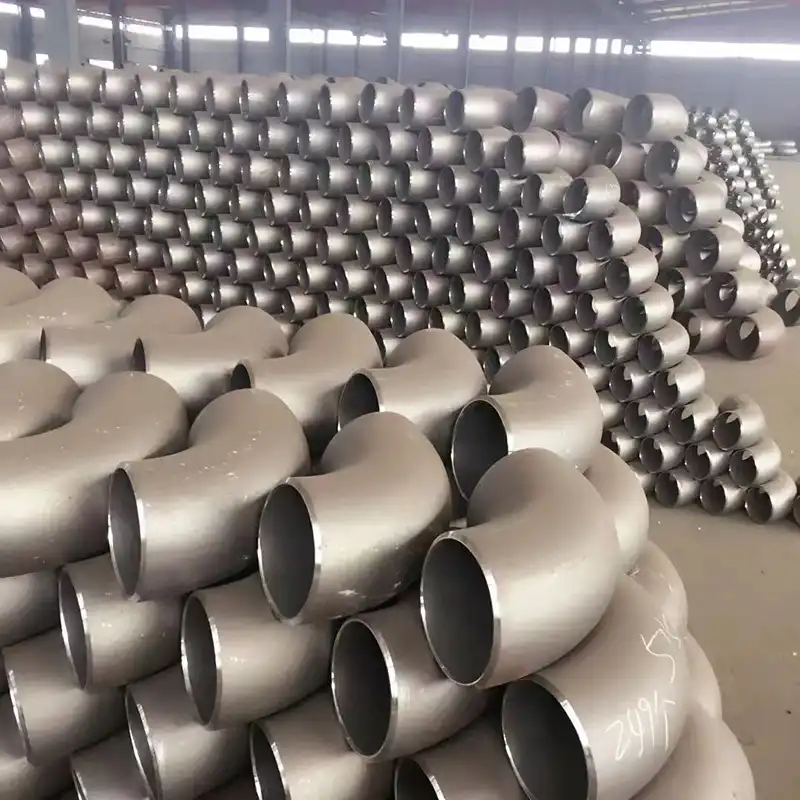
Understanding Steel Elbows & Tees: Types, Specifications, and Applications
Steel pipe fittings are important parts that make it possible to change the direction of flow and distribute it in complex pipe networks. These fittings join pieces of pipe together and keep their structural integrity even when pressure and temperature change in various industrial environments.
Material Classifications and Properties
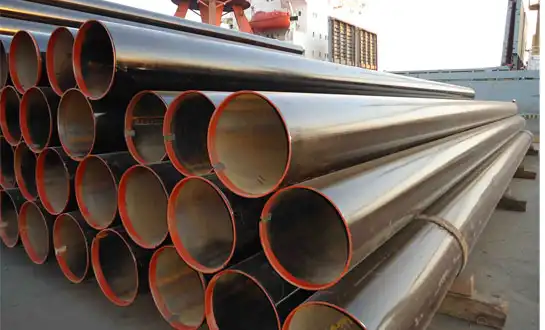
Carbon steel is the most common material used in manufacturing these fittings because it is strong for the price and has been proven to work reliably in harsh conditions. Carbon steel elbows are typically manufactured from seamless or welded pipes and go through several heating steps to get the exact angles they need. The material provides strong mechanical properties, so it can handle higher pressure loads while keeping its shape over its entire operating lifetime.
Stainless steel types are better at resisting rust, which is especially useful in chemical handling areas where they are regularly exposed to aggressive media. Alloy steels contain additional alloying elements to make them work better in certain situations where they need to be resistant to high temperatures or have higher mechanical strengths.
Elbow Configurations and Dimensional Standards
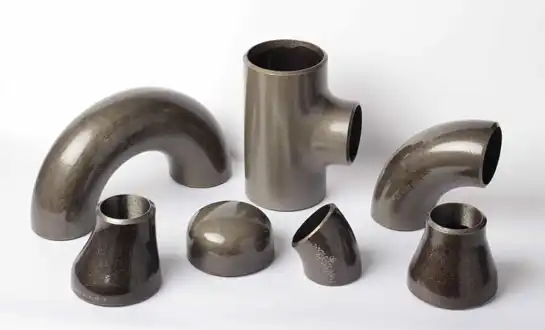
Standard elbow angles include 45-degree elbows for smoother flow transitions that keep pressure losses to a minimum and 90-degree options for changes that make a right angle. When you connect two pipes at right angles with a 90-degree carbon steel elbow, the fluid flows along set paths within the pipe systems while the structure stays strong under practical stresses.
When compared to short-radius elbows, long-radius elbows have better flow characteristics and less turbulence because their centreline radii are 1.5 times the nominal pipe size (NPS). This design improvement cuts down on pressure drops by a large amount and increases service life by lowering the rate of erosion at places where the direction of flow changes.
Manufacturing Processes and Quality Standards
Precision hot-forming and heat treatment methods are used by Vietnamese makers to make sure that the dimensions are kept very close to each other and the inside surfaces are smooth, which is very important for good flow performance. These ways of making things are in line with international standards such as ASME, ISO, and other international piping standards, which define dimensional requirements and material performance specifications.
How to Choose the Best Steel Elbows & Tees for Your Project?
To make effective procurement decisions for steel elbows, you need to carefully look at the specific needs of the project, such as the working pressures, temperature ranges, fluid properties, and environmental conditions. Knowing these factors helps users choose the right materials and settings that improve system performance while keeping costs low over its lifetime.
Application Assessment and Material Selection
The first step in defining the project scope is to figure out what the main uses will be, such as for OEM integration or big purchases for large-scale setups. Carbon steel products are very strong and can handle higher pressures. This makes them perfect for high-pressure pipeline systems where safety is very important. The material keeps its mechanical qualities over a wide range of temperatures, so it can be used reliably in harsh industrial settings.
Stainless steel options are better at resisting corrosion, which is important for chemical handling jobs where aggressive media come into contact with the steel. Lifecycle cost analysis is an important part of procurement decisions because the choice of material affects both the original prices and the long-term maintenance needs.
Technical Specifications and Compatibility Requirements
For dimensional compatibility to work, pipe plans, end connections, and pressure values must match those of system parts that are already in place. However, butt weld configurations work well with welded pipe systems, and threaded or socket choices can be used depending on the fitting needs.
To ensure consistent performance over the service life, pressure ratings must be higher than the maximum working conditions with the right safety factors. When thinking about temperature, you need to think about both the normal working ranges and the possible excursion conditions that could happen during upset situations or repair tasks.
Supplier Evaluation and Quality Assurance
Checking a supplier's credibility means looking at their foreign certifications, output skills, and quality control systems that make sure products always work well. When special specs or large amounts need longer manufacturing periods, lead time review becomes very important for planning projects.
Order minimums and pricing systems change a lot between providers, so it's important to look at costs to make the most of your budget. Partnering with established international manufacturers like RAYOUNG gives Vietnamese buyers a competitive edge, offering factory-direct pricing while meeting the same high-quality standards as premium Western suppliers.
Installation and Maintenance Guide for Steel Elbows & Tees
For steel pipe fittings to work at their best, they need to be installed correctly. This is because the way they are installed directly affects how reliable the system is and how long it lasts. Understanding common problems and tried-and-true answers is key to completing a project successfully while reducing operating risks.
Pre-Installation Preparation and Planning
A successful installation starts with careful planning, which includes dimensional verification and material inspection, and making sure that the welding methods follow the rules and codes that apply. It is important to balance the pipes so that stress concentrations don't build up and cause them to fail early or leak.
To prepare a joint, you have to carefully cut and shape things so that the weld goes through properly and the joint is mechanically sound. Surface cleaning and good storage habits keep things from getting contaminated, which could hurt the quality of the weld or create places where rust can start.
Welding Procedures and Quality Control
Welding operations must follow approved methods that list the right filler materials, heat input parameters, and heat treatment needs after the join. Welders who are skilled and know the relevant codes make sure that the quality is always the same and meets the needs of the project and the rules.
Before the system is pressurised, non-destructive testing, such as X-ray or ultrasound examination, checks the stability of the weld. Visual inspection methods find flaws on the surface or differences in measurements that need to be fixed before the product is accepted for final use.
Maintenance Strategies for Tropical Environments
Vietnam's warm climate has its own problems, like high humidity and changes in temperature that speed up the rusting process. Visually checking for surface corrosion, measuring dimensions to find erosion or mechanical damage, and leak detection methods that find problems before they break the system should all be part of regular inspection routines.
To stop corrosion on steel elbows, you can use protective coatings, cathodic protection when it's needed, and water management techniques that keep moisture contact to a minimum. The environment should be taken into account when planning preventive maintenance, and the costs of inspections should be weighed against the risks of downtime.
Comparing Steel Elbows: Material, Manufacturing Process, and Cost
Choosing the right materials has a big effect on both the original costs of buying them and the long-term costs of running them. This is why it's important to compare everything before making a choice. Buyers can choose the right products for different uses when they know about the production methods and how they change the features of the products.
Carbon Steel versus Stainless Steel Performance Analysis
Carbon steel choices have high mechanical strength and low prices, which makes them perfect for uses that don't need to be very resistant to rust and want to keep costs low. The material can handle more pressure than most other materials and keeps its shape under the kind of mechanical stress that is common in industrial pipe systems.
Stainless steel alternatives are worth the higher starting costs because they are less likely to rust and last longer in harsh settings. In chemical processing uses where material compatibility is important for safety, this material works reliably and doesn't need much upkeep.
Manufacturing Method Impacts on Product Quality
Seamless elbows are typically formed from seamless pipes, eliminating potential weaknesses associated with welded seams. This makes it possible for important uses to have higher pressure ratings and more reliable parts.While seamless fittings carry a higher initial cost, they deliver superior long-term value by minimizing maintenance needs and significantly reducing the risk of catastrophic failure in high-pressure systems.
There are cheaper options that are welded and can be used in situations where maximum power is not needed. This lets you save money while still getting good performance. Quality control during welding makes sure that the finished goods are effective and meet all standards and requirements.
Cost Optimisation Strategies and Supply Chain Considerations
By buying in bulk, you can save a lot of money because you get savings for buying more and pay less for shipping each unit. Vietnamese suppliers often provide businesses with a competitive advantage by keeping quality standards high enough to meet international standards while also keeping costs low.
Cost optimisation, delivery dependability, and quality guarantee are all important parts of supply chain management. When you buy in bulk or have special needs, dealing directly with the maker can often get you better prices and better technical help than dealing through a reseller.
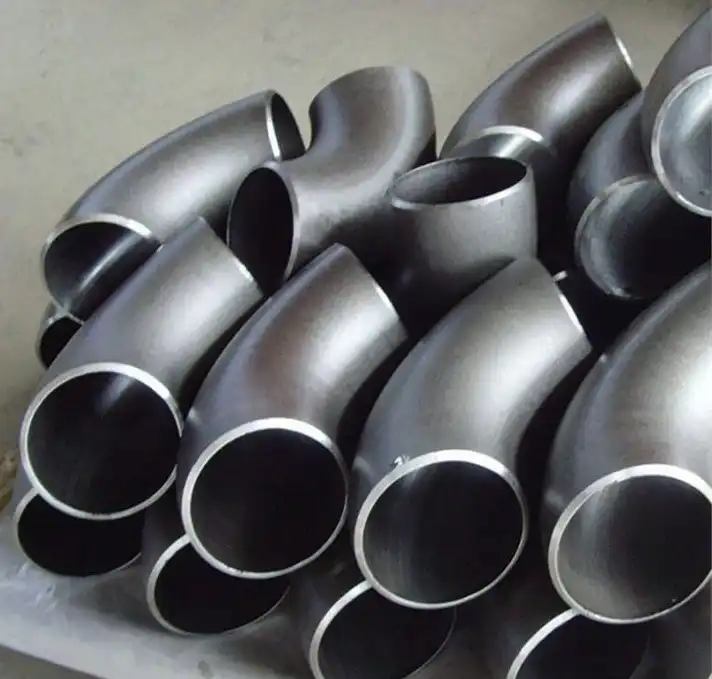
Trusted Steel Elbow & Tee Suppliers Serving Vietnam's Booming Industry
As Vietnam's manufacturing base grows quickly, the demand for high-quality steel elbows and pipe components that meet international standards has skyrocketed. To find trustworthy providers, you need to carefully look at their skills, credentials, and past work that shows they consistently offer high-quality goods.
Manufacturer Capabilities and Certifications
Some of Vietnam's biggest makers have put money into new factories that have cutting-edge making tools, heat treatment systems, and quality control labs. These facilities make it possible to make complicated shapes while keeping the tight tolerances on dimensions that are needed for effective system performance.
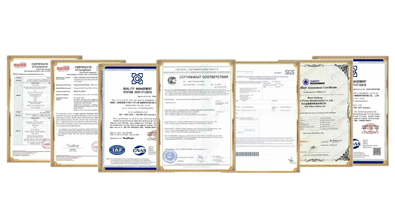
Getting an ISO 9001:2015 certification shows that you are dedicated to quality control systems that make sure products always have the same qualities. Additional verification, such as third-party inspection by organizations like SGS and compliance with regional certification requirements, gives buyers trust in the quality and compliance of exports to foreign markets.
Quality Verification and Supplier Assessment
Facility checks, quality system reviews, and a look at the supplier's performance past that show they can consistently deliver should all be part of the evaluation process. Customer references are a great way to find out how reliable a supplier is, how good their expert help is, and how well they solve problems.
Material certificates and test results show that the materials meet certain standards and provide the tracking information needed for quality assurance. Third-party inspection services can add more checks for important uses where quality risks need to be kept to a minimum.
Procurement Logistics and Order Management
Minimum order amounts vary from supplier to supplier based on how much they can make and how complicated the product is. Due to setup costs and material sourcing needs that are unique to each configuration, custom specs often require bigger minimum orders.
Online procurement platforms make it easy to place orders, but they might not have the technical help that is needed for complicated requirements. When you deal directly with a manufacturer, you can often get better technical support and more customization choices. You can also get better prices when you buy in bulk.
Conclusion
Securing high-quality steel elbows and tees is essential for Vietnam's rapidly expanding industrial sector. For major projects in Vietnam, partnering with an experienced international supplier like RAYOUNG ensures access to advanced manufacturing capabilities, strict adherence to global standards, and highly competitive pricing. For sourcing to go well, technical needs, supplier skills, and quality testing methods that make sure the product works well must all be carefully looked at. Buyers can make the best purchases while minimising the risks of foreign buying by learning about the properties of materials, how they are made, and how to choose a seller. Vietnamese producers are well-equipped to meet the growing demand for high-quality pipe parts around the world because their skills and production capabilities are growing.
FAQ
1. What factors should I consider when selecting steel elbows for high-pressure applications?
When working with high pressure, you need to pay close attention to the type of material, the thickness of the walls, and the quality of the production process. For safe operation at maximum design pressures, carbon steel grades with the right yield strength values are needed. Seamless production gets rid of possible weak spots, and the right heat treatment makes the mechanical qualities better. Material test reports and non-destructive testing records help verify performance before installation.
2. How can I verify the quality and certifications of steel elbows from Vietnamese suppliers?
To check the quality of a product, you must first look at its certificates, which list its chemical makeup and mechanical features. Manufacturing standards, such as ISO 9001:2015, show that the quality control system is being followed. Third-party inspection records are a reliable way to confirm the accuracy of measurements and the quality of the surface. Audits of suppliers' facilities give you a clear look at their production skills and quality control methods.
3. What are typical lead times for custom steel elbow orders from Vietnamese manufacturers?
Standard setups usually take two to four weeks to make and ship, while wait times for custom standards can go up to six to eight weeks, based on how complicated they are. Orders for a lot of items usually take longer to schedule production and get the materials. Planning ahead and working with suppliers early on can help keep project delays to a minimum and make sure there is enough time for quality control.
Partner with RAYOUNG for Premium Steel Elbow Solutions
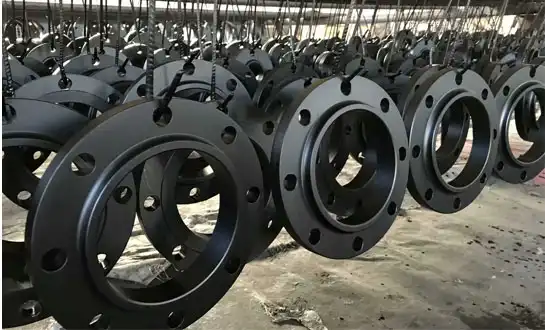
RAYOUNG is the company you can trust to provide you with high-quality steel elbows that meet the strict needs of industrial uses around the world. Precision-made buttweld steel elbows, reducers, and flanges are just a few of the many products we offer. They make sure that all of your pipe systems have safe places to connect. We offer reliable solutions for a wide range of projects, from small home setups to big industrial complexes. Our export compliance and quality standards are confirmed by GOST-R and SGS certifications. Get in touch with our expert team at info@hb-steel.com to talk about your specific needs and find out how our ISO 9001:2015 approved production processes can meet the needs of your projects for performance, safety, and reliability.
References
1. International Association of Pipe Fitting Manufacturers. "Global Standards for Industrial Pipe Fittings in Southeast Asian Manufacturing." Journal of Industrial Engineering Standards, 2023.
2. Vietnam Steel Industry Research Institute. "Quality Assurance Protocols for Export-Grade Steel Pipe Fittings." Vietnamese Manufacturing Excellence Review, 2023.
3. Asian Development Bank Infrastructure Division. "Supply Chain Analysis of Vietnamese Steel Products for Global Markets." Regional Industrial Development Report, 2023.
4. International Organization for Standardization Technical Committee. "Comparative Analysis of GOST and ASME Standards for Steel Pipe Fittings." Standards Harmonization Quarterly, 2023.
5. Southeast Asian Industrial Federation. "Best Practices for International Procurement of Steel Pipe Components." Regional Trade and Manufacturing Journal, 2023.
6. Global Procurement Institute. "Risk Management Strategies for International Steel Fitting Sourcing." International Supply Chain Management Review, 2023.

Need a quote? Want to see samples? Just say hello. We’re friendly. We’re fast. And we’re ready when you are.
Welcome to RAYOUNG – Strong Pipes, Stronger Promise