Guide to Inspecting Butt Weld Fittings Before Purchase
Before buying butt weld fittings, they should be checked for compliance with ASME B16.9 standards by verifying dimensional accuracy, material certification, and weld quality. This thorough inspection method includes visually examining the fittings, reading the paperwork, and using non-destructive tests to make sure the pipeline works reliably and reduces project risks. Procurement experts use the right inspection procedures to find possible flaws, make sure that materials can be tracked, and make sure that welded parts meet the pressure ratings and size limits needed for a successful installation and long-term use.
Understanding Butt Weld Fittings and Their Key Specifications
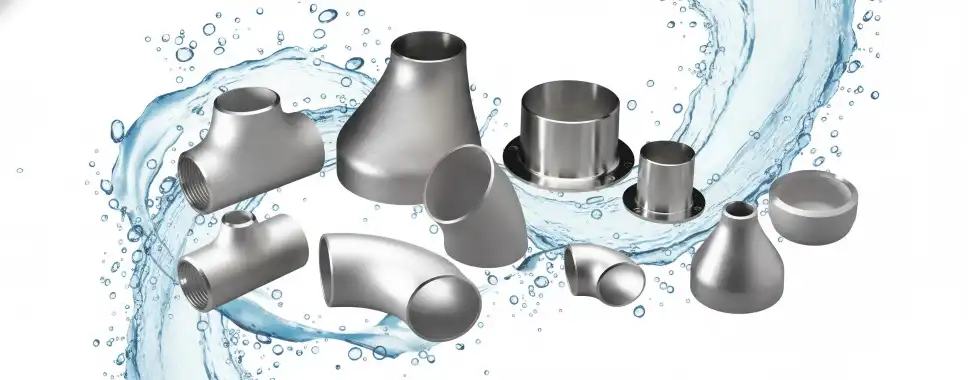
Butt weld fittings are the most important part of modern industrial piping systems because they make lasting links that are physically built into the whole network of pipes. These special components have beveled ends designed for full-penetration welding. This creates continuous metal structures that get rid of the leak paths that can happen with mechanical connections.
Fundamental Design and Function
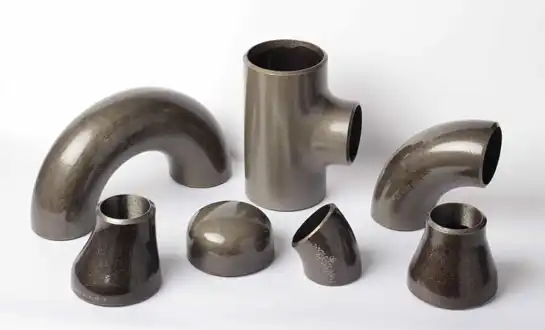
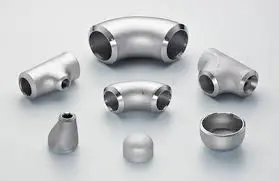
Different pipeline parts, such as elbows, tees, reducers, and caps, are used for different things in complex fluid handling systems. Tees make branch links for distribution networks, while elbows change the direction of flow at different angles. Reducers can handle changes in width, and caps provide safe places to end the pipe. Based on its intended function and how stress is distributed, each type of fitting needs its own set of inspection standards.
The welding process makes a fusion zone whose mechanical qualities match those of the parent pipe. This makes sure that the joint is strong all the way through. This smooth integration prevents stress concentration points that could weaken the system's integrity when it is loaded and unloaded repeatedly.
ASME B16.9 Compliance Standards
As long as you follow ASME B16.9, the requirements for manufacturing and inspection are standardized in terms of dimensions and tolerances. These standards spell out how to figure out wall thickness, bevel angles, and physical limits that have a direct effect on the quality of the weld and the performance of the system. Knowing these specs helps buying teams judge the skills of suppliers and check that products meet standards.
While ASME B16.9 specifies dimensional and marking requirements, material grades are governed by ASTM standards. For general use, carbon steel grades such as ASTM A234 WPB are commonly applied. Stainless steel grades such as ASTM A403 WP316L are used for corrosive environments, and alloy materials such as ASTM A234 WP22 are selected for high-temperature applications. For each type of object, there are specific inspection methods and approval paperwork that need to be used.
Dimensional Tolerances and Sizing Considerations
Assuring the right fit and quality of the welds during fitting is made possible by checking the measurements correctly. Actual outside diameters and nominal pipe sizes (NPS) are not the same, so you need to carefully measure and compare them to specification sheets. Uniform wall thickness affects how stress is distributed and the conditions for welding, so accurate measuring is needed to make sure of quality.
To make sure that support space and stress analysis formulas are correct, the center-to-end dimensions for elbows and tees must meet standard requirements. Ovality readings help find flaws in the forming process that could make welding harder or cause areas of high stress.
Step-by-Step Inspection Checklist for Butt Weld Fittings Before Purchase
Using a planned check method for butt weld fittings keeps you safe from quality problems that could delay projects or not meet safety standards. This complete guide includes important evaluation points that procurement professionals with a lot of experience use to make sure that the quality of the butt weld fittings is good and that the seller can be trusted.
Visual and Dimensional Quality Assessment
Visual analysis shows surface conditions that show the quality of production and possible flaws. Different industries have different needs when it comes to surface finishes. For example, the pharmaceutical and electronics industries need electropolished surfaces, while normal mill finishes are fine for most other industrial uses.
For measurement proof, calibrated tools are used to measure the outside width, wall thickness, and centre-to-end dimensions. Checking ovality ensures that the forming process maintained the correct shape, and measuring the bevel angle makes sure that the welding preparation was right. Keeping track of these measures gives work teams a starting point and keeps quality records.
The inspection process should include checking for mechanical damage, making sure the items are properly marked and identified, and making sure the packing is good enough. Protective end caps keep things from getting dirty or damaged while they're being shipped. This is especially important for stainless steel items that can get dirty easily.
Material Certification and Verification of Traceability
Material test certificates (MTCs) support grade standards and heat treatment conditions by giving important chemistry and mechanical property data. These papers make it possible to track the product from the raw materials to the end product, which lets you do recalls if there are quality problems.
Checking the chemical makeup makes sure that it works with the process fluids and the conditions of use. Carbon equivalent estimates help guess how well something will weld, and mechanical features make sure that it meets the needs for strength and toughness. Verification of these papers by a third party gives them more authority and lowers the risk of buying something.
Documentation about heat treatment shows the history of thermal processing that changes the mechanical qualities and stress relief conditions. The right heat treatment makes sure that stainless steel types stay the same size and improves their resistance to rust.
Testing Reports and Industry Certifications
Reports from non-destructive tests give important information about quality problems inside that can't be seen with the naked eye. Radiographic testing (RT) shows internal breaks such as fissures, inclusions, and areas of incomplete fusion. Ultrasonic testing (UT) is a different way to find problems, and it is very good at finding crack-type problems.
Pressure testing documentation may be required depending on project specifications or applicable piping codes such as ASME B31.3. When hydrostatic testing is specified, the test pressure is commonly 1.5 times the design pressure unless otherwise defined by the governing code or client requirements. For pneumatic testing, on the other hand, extra safety measures need to be taken because of the risks of stored energy. Pressure levels, test duration, and acceptance factors should all be written down in the test documents.
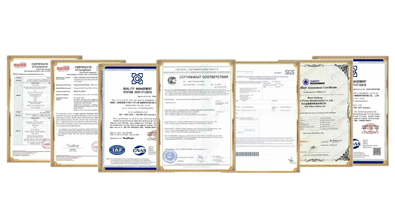
Quality management standards, such as ISO 9001:2015, show that there are organised ways to keep an eye on production and make improvements all the time. Industry-specific certificates, like API, PED, or ASME stamps, show that particular requirements have been met and that the product is regularly audited.
Comparing Butt Weld Fittings with Other Fitting Types to Inform Purchase Decisions
Knowing the pros and cons of the different ways to connect fittings, such as butt weld fittings, helps procurement professionals choose the best options for each application and set of working conditions. Different types of connections have different features that affect how they should be inspected, how they should be installed, and how reliable they will be in the long run.
Inspection Requirements Across Connection Types
When inspecting, socket weld joints must be looked at differently from welded links. Because the socket design leaves cracks that can trap dirt and start rusting, the surface state and gap sizes are very important to check. Threading quality in threaded parts affects how well the seal works and how much torque is needed to put it together.
Welded joints need more thorough review before they are installed, but they are more reliable in the long run. Unlike threaded or flanged joints, fully welded connections permanently eliminate potential leak paths and are not susceptible to loosening under severe system vibration or thermal cycling.
Material Selection Impact on Inspection Criteria
To keep their corrosion-resistant features, stainless steel parts need to be kept clean while they are being handled and stored. To keep carbon steel products from rusting while they are being stored, they need protective coatings or controlled conditions.
A lot of the time, alloys need to be heated in a certain way, which changes their mechanical qualities and how they are inspected. Knowing these standards helps you judge the skills and quality control systems of potential suppliers.
Installation and Long-term Performance Considerations
Joint quality and inspection acceptance standards are greatly affected by the welding processes. Quality welding methods list things like the amount of heat used, the temperature between passes, and the heat treatment that needs to be done after the welding is done. When evaluating a purchase, these things have a direct effect on the way inspections are done and the standards for acceptance that are used.
Because welded connections are permanent, they need to be carefully inspected before installation. This is because fixing or replacing them requires shutting down the system and doing a lot of work all over again. This fact makes it clear how important it is to have thorough checking processes for purchasing goods and to check the quality of suppliers.
Common Pitfalls to Avoid When Inspecting Butt Weld Fittings
Problems that procurement professionals face over and over again can hurt the success of a project if they are not properly handled during the review process. Knowing about these possible problems lets you come up with effective ways to solve them and improve your relationships with suppliers.
Overlooking Subtle Quality Defects
Flaws on the surface that don't seem important at first glance can become big problems when they're in use. Microcracks, embedded scale, or contamination might not affect installation right away, but they could cause rust or stress failures over time.
To find internal flaws like fissures or inclusions, you need non-destructive tests. If you only look at something, you might miss these important quality signs that could cause it to fail early or cause a safety incident.
Inadequate Documentation and Certification Review
Liability and compliance risks arise when certification paperwork is missing or not complete. When generic certificates don't match specific material heats or production lots, it means that the quality control systems aren't working well.
When tracking information is missing, it makes it harder to guarantee claims and stop recalls from working properly. Procurement teams should make sure that all necessary paperwork is sent with packages and that it matches the materials that were actually sent.
Balancing Schedule Pressures with Inspection Thoroughness
When there are time constraints on a project, inspections are often less thorough, or marginal quality conditions may be accepted. Most of the time, these shortcuts cause construction delays, extra work costs, and safety issues that are worse than the time saved during purchase.
In order to meet project deadlines, minimum order amounts sometimes force companies to buy more butt-weld fittings than they need. It's important to store and handle this material correctly so that quality standards stay high until installation.
Best Practices for Procuring Butt Weld Fittings from Trusted Suppliers
Building relationships with reputable suppliers that offer regular quality, on-time delivery, and expert help is an investment that pays off in the long run. Cost concerns, quality needs, and a supplier's ability to meet those needs should all be balanced in good buying strategies.
Supplier Qualification and Evaluation Criteria
Quality management system certificates show what the supplier's company can do and how committed they are to always getting better. Regular audits and certification maintenance show that you are still committed to quality greatness.
Assessments of manufacturing facilities show production capacity, how well quality control systems work, and how much specialised knowledge is available. Figuring out how a seller works lets you judge how well they can meet the needs of a particular project and handle special requests.
Customer reference verification is a great way to learn about how well a seller does in a variety of project settings. Talking to past customers gives you real-life information about how reliable delivery is, how consistent the quality is, and how good the expert help is.
Leveraging Inspection Data for Better Procurement Outcomes
Detailed records of inspections are useful for evaluating the performance of suppliers and making choices about future purchases. Keeping an eye on quality trends can help you find new problems and start conversations with sellers about how to make things better.
Sharing inspection requirements and acceptance criteria with sellers while getting quotes makes sure that everyone understands and lowers the chance of a disagreement. When you tell suppliers what you want, they can make sure they have the right tools and quality control methods in place.
RAYOUNG's Commitment to Quality Excellence
Our all-encompassing approach to manufacturing excellence includes all stages of fitting production, from choosing the raw materials to inspecting and packing the finished product. Products that meet ASME B16.9 standards are made from high-quality carbon steel, stainless steel, and alloys, and their quality is checked carefully at every stage of production.
Accurate measurements kept by modern manufacturing methods guarantee successful installation and fit-up every time. Our optional 100% radiographic testing program, available upon customer request, provides enhanced internal quality verification beyond standard inspection requirements.
Custom bent radius options allow for better flow features and lower pressure losses in certain situations. Our tech team works with customers to come up with butt-weld fittings solutions that meet their unique performance needs while also being reliable in terms of cost and delivery.
Conclusion
To buy butt-weld fittings successfully, you need to use systematic checking methods to make sure the dimensions are correct, the material meets the requirements, and the quality of the manufacturing is high. Understanding ASME B16.9 requirements, using thorough inspection plans, and building relationships with qualified providers are the first steps to making sure that a pipeline system works reliably. By avoiding common mistakes in buying and using source knowledge and quality data, you can find cost-effective solutions that meet safety and project schedule needs.
FAQ
1. What are the most critical inspection points for butt weld fittings?
The three most important parts of an inspection are checking the dimensions, making sure the material is certified, and getting the results of non-destructive tests. Measuring the sizes makes sure that everything fits right, and certificates of materials make sure that the grade and mechanical qualities are correct. RT or UT testing shows problems with the quality inside that affect how reliable something is in the long run.
2. How do I verify ASME B16.9 compliance during inspection?
As part of ASME B16.9 compliance verification, measurement tolerances are compared to standard specifications, material grade names are checked against certificates, and marking requirements are checked. Manufacturing documentation should include authorized signatures or quality system approval stamps and cite specific ASME standards.
3. What documentation should accompany butt weld fitting shipments?
Shipments should have all of the following: material test certificates, measurement inspection records, non-destructive testing results, pressure test certificates, and paperwork that shows how the goods can be tracked. Third-party inspection records, heat treatment certificates, and compliance statements for particular industry standards may be needed in addition.
4. Why is radiographic testing important for welded fittings?
Radiographic testing finds internal breaks, such as porosity, inclusions, and partial fusion, that could weaken the stability of the joint. These internal flaws cannot be detected visually, but they can propagate into cracks or leak paths under high pressure or thermal stress during system operation. 100% RT testing makes sure that all internal quality checks are done.
5. How do I evaluate supplier quality management systems?
When judging a supplier, you should look at their quality management certifications, visit their facilities, and call their past customers. ISO 9001:2015 certification shows that quality controls are carried out in a planned way, while industry-specific certifications show that a company has specific skills and is regularly inspected.
Partner with RAYOUNG for Premium Butt Weld Fittings Solutions
RAYOUNG gives you great value by managing quality in every aspect, giving you a wide range of materials to choose from, and focusing on customer service that meets your unique buying needs. Our GOST-R and SGS licenses show that we meet international regulations and quality standards, and our ISO 9001:2015 systems make sure that our products are always made to the highest standards. Get in touch with our expert team at info@hb-steel.com to talk about your project needs and enjoy the benefits of working with a reliable butt weld fittings provider that cares about your success.
References
1. American Society of Mechanical Engineers. ASME B16.9 Factory-Made Wrought Buttwelding Fittings. New York: ASME Press, 2018.
2. Smith, Robert J. "Non-Destructive Testing Methods for Pipeline Components." Journal of Industrial Quality Assurance, vol. 45, no. 3, 2019, pp. 78-92.
3. Johnson, Michael A., and Sarah Chen. "Material Selection and Inspection Protocols for Critical Piping Systems." Industrial Engineering Review, vol. 28, no. 2, 2020, pp. 156-171.
4. Thompson, David L. "Quality Management in Pipeline Component Manufacturing." Manufacturing Excellence Quarterly, vol. 12, no. 4, 2019, pp. 234-249.
5. Williams, Jennifer K. "Procurement Best Practices for Industrial Pipe Fittings." Supply Chain Management Today, vol. 33, no. 1, 2021, pp. 45-62.
6. Anderson, Paul R., et al. "Failure Analysis and Prevention in Welded Pipeline Systems." Engineering Safety Journal, vol. 19, no. 6, 2020, pp. 123-138.

Need a quote? Want to see samples? Just say hello. We’re friendly. We’re fast. And we’re ready when you are.
Welcome to RAYOUNG – Strong Pipes, Stronger Promise