Welded Pipes for Water Distribution: What Buyers Need
Most of the time, welded pipes are the most stable and cost-effective way to place water delivery pipes for building projects. These specially made choices last longer, can handle more weight, and can be put in place in more ways than regular ones. When buyers know exactly what they need, how it works, and what factors affect their decision, they can make smart choices that will ensure the project's success and lower the long-term costs of running and maintaining it.
Understanding Welded Pipes in Water Distribution
For water transportation networks to work, the pipes must be strong enough to handle changing loads, bad weather, and years of being used all the time. Welded pipes are the most important part of modern water infrastructure. They are made using advanced production techniques and have been tried and shown to work in a wide range of municipal, industrial, and commercial settings.
Manufacturing Processes and Material Options
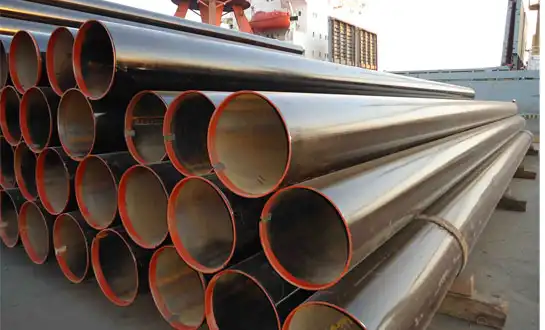
Three main ways are used to join steel pipes together, and each one is better for moving water than the others. Electric Resistance Welding (ERW) makes straight horizontal lines with high-frequency electricity. This makes pipes whose wall thickness stays the same and whose sizes are very accurate. Automatic welding methods are used for jobs with a larger width in longitudinal submerged arc welding (LSAW). Spiral welding methods, on the other hand, offer better pressure protection by arranging the seams in a helix shape. What the pipe is made of has a lot to do with how well it works and how long it lasts. This is still the case because carbon steel is cheap, strong, and easy to work with in most situations. Stainless steel is better at not rusting in hard conditions, and galvanized steel coatings protect even more against rusting and chemical breakdown.
Quality Standards and Certifications
ASTM A53, ASTM A252, and API 5L standards specify the testing and manufacturing requirements for steel pipes used in water systems, while ASTM A106 applies specifically to seamless carbon steel pipes for high-temperature service. These guidelines put tight limits on the chemicals used, the way the product works, and the differences in size so that it always works the same way. Schedule numbers from SCH 10 to SCH 160, defined by ASME B36.10 and ASME B36.19 standards, allow buyers to select the appropriate wall thickness required to meet safety standards and pressure ratings. A lot of quality control steps are built into the way we make things. For example, hydraulic testing shows that the product can stand up to pressure in controlled conditions. Before it is shipped, every pipe goes through a number of tight checks that make sure the welds are stable, the measurements are correct, and the surface is good. Also, ends that have been sharpened are ready to be joined on the job site, which speeds up the fitting process and ensures the joint is ready.
Comparing Welded Pipes and Alternative Options for Water Distribution
People who decide on infrastructure welded pipes often look at more than one type of pipe when they plan water transfer systems. When buying, teams know the pros and cons of each type of pipe, and they can make the best decisions based on the project's needs, the budget, and the long-term business goals of the company.
Cost Analysis and Economic Considerations
To optimize budgets, it is highly recommended to use welded steel pipes instead of seamless alternatives. This is especially true for large-scale water distribution projects where material costs constitute a major portion of the total budget. While seamless pipes offer superior performance in extreme high-pressure applications, they carry a significant price premium and are often over-engineered for standard water supply networks. Designers have more choices with welded pipes because they come in many shapes and sizes. This makes it easier to plan projects and keep track of supplies. Prices are low because of standard production runs and well-established supply lines. This is good for both freelancers and end users who want to save money without losing quality or performance.
Performance Characteristics and Application Suitability
For uses that need to withstand high pressure, spiral-welded pipes are great. This is because the helical form of the seam spreads the stress more evenly across the pipe wall. This makes them perfect for high-pressure transmission lines and connections to pumping stations where system pressures might be higher than usual for a distribution network. It is always possible to figure out how well lengthwise-welded pipes work because their wall thickness stays the same. This makes it easy to do hydraulic math and build systems. The gaps in the pipes are straight because of how they are made. This makes checking and maintaining the pipes easy over time.
Corrosion Resistance and Protective Coatings
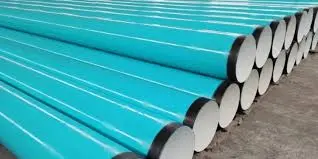
To keep water quality standards and make lines last longer, anti-corrosion treatments are very important. Some new covering technologies that protect against dirt, chemicals, and galvanic rusting are fusion-bonded epoxy, polyethylene wraps, and other specialized polymer systems. To pick the best covering method, you need to look at things like the temperature, the chemistry of the soil, and the state of the groundwater. If you put on protective coats the right way, pipes can last more than 50 years while still keeping their shape and flow characteristics during the planning time.
Procurement and Technical Specifications for Buyers
You need to pay close attention to technical needs, selling skills, and project delivery needs if you want to buy pipes. Buyers need to find a balance between many duties when making plans for purchases. For example, they need to keep costs low, make sure quality is kept, meet schedules, and set long-term performance goals.
Technical Specification Development
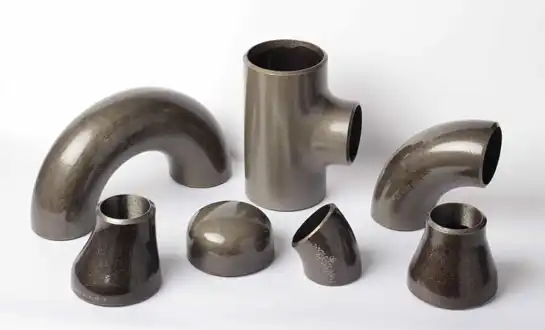
To set the pressure numbers for different combinations of wall thickness and material strength, API 5L has rules. Things in Grade B are strong enough for most water distribution jobs because their powers are average. Instead, getting better grades can be useful in some cases. People can choose the right things without over-engineering or making the system less reliable if they understand how pipe schedule, pressure rating, and safety factors all work together. The dimensions of welded pipes, standard water supply system components, valves, and connection equipment typically follow ASTM, ASME, and AWWA dimensional standards to ensure compatibility and proper installation. Giving the correct outside width, wall thickness range, and length limits prevents issues during installation in the field and speeds up projects that are held up by measurements that don't work together.
Supplier Evaluation and Certification Requirements
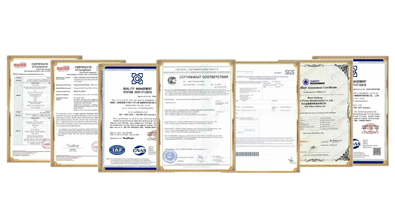
Full certification programs that show welded pipes follow international quality standards like ISO 9001:2015, API Q1, and related ASTM standards are kept by providers who are certified. With these certificates, you can be sure that the goods are made in a quality-controlled way and that they meet certain performance standards when they are finished. It's getting more and more important to be able to export and help with handling when working on big projects that need a lot of supplies or ship at certain times. Sellers with a lot of experience will help you with every step of the project, from booking materials to planning shipping and handling paperwork. This makes the buying process easier and reduces the amount of work that needs to be done.
Pricing Strategies and Commercial Considerations
A lot of things affect the price of goods, like how much is needed, how hard they are to make, and when they need to be supplied. It can save you a lot of money to buy in bulk, especially for projects that are big enough to buy straight from the mill or make specific runs. Customization options like different coatings, non-standard sizes, or tighter testing standards generally cost more, which should be weighed against the benefits for the project. There are extra costs that come with customized features, so buyers should carefully weigh the benefits of those features to make sure that the extra money spent is well spent.
Benefits and Applications of Welded Pipes in Water Distribution
The cost of running today's water systems is cheap because they use pipe networks that work well in many settings and don't need much maintenance.
Today, welded steel pipelines are successfully deployed in modern water distribution systems, reliably serving everything from small municipalities to vast regional networks.
Structural Performance and Reliability
When steel pipes are bonded together, they become stronger, so they can handle the forces inside and the loads from the outside that are usual in installation settings. When you lay pipes at the right depth and with the right bedding techniques, you protect them from movement caused by traffic, frost, and dirt that settles. All of these things can damage less durable materials. Pipes used in corrosive environments may need to safely transport water containing hydrogen sulfide or acidic chemicals without rapid degradation. In such cases, corrosion-resistant materials and coatings or compliance with NACE corrosion standards may be required, although sour service requirements are more commonly associated with oil and gas applications. There are times when the chemistry of the groundwater makes things hard to work with, so this trait comes in handy.
Installation and Maintenance Advantages
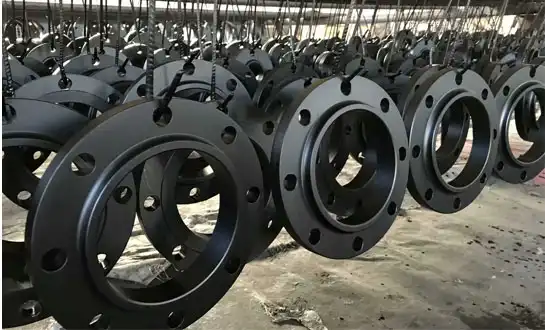
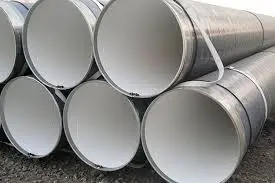
Beveled end preparation makes it easier to weld in the field and makes joints that last, don't leak, and can handle loads and forces from the outside. The time and money needed for installation are less when trained welders use standard tools and methods to quickly install parts instead of mechanical methods. Steel lines are very strong, so they are less likely to get broken when they are being put in, moved, or filled back in. Things that break or need to be fixed on the job site are less likely to make the project take longer or cost more than planned.
Application Diversity and Versatility
Welded steel pipes are best for the following tasks in water supply systems:
- Water transmission lines for cities: these are big pipes that bring clean water from treatment plants to networks that distribute it. To do their job well for a long time, they need to be able to handle high stress.
- Process water systems in factories: Steel pipes are used for welded pipe systems that gather waste water, move cooling water, and carry process feed water. Chemicals must not damage these lines, and they must be built to last.
- Irrigation infrastructure: Steel pipes are used in main distribution lines and pump station links because they are strong and can handle high pressures, which is good for farming.
- Fire safety: Networks for commercial and industrial fire safety need pipes that can keep flowing at full speed in case of an emergency, but not be used for long periods of time.
Welded steel pipes are the best choice for many market groups because they are stable and can be used for many things. The steady performance and proven service life help explain the initial investment costs by making the system more reliable and lowering the cost of fixing it.
How to Choose the Right Welded Pipe Supplier: A Buyer's Guide
The quality of the products, how quickly they are delivered, and the availability of expert help all depend on the provider chosen. You should carefully look at a supplier's skills, qualifications, and service offerings to make sure they meet the needs of your project and the goals of your business.
Quality Management and Certification Assessment
Systems for full quality control make sure that goods always work right and that rules are followed. Suppliers should keep their skills in ASTM tests, ISO 9001:2015 quality control, and making sure products meet API 5L specifications up to date. These credentials show that the provider follows the rules for the business. If you want to make pipes that meet certain standards, you should know how to use the right welding equipment, heat treatment facilities, and testing tools. Field trips and facility checks are great ways to find out how things are made, how quality is controlled, and if there are any capacity problems that could slow down a project.
Technical Support and Service Capabilities
Expert help, like picking materials, going over specs, and application engineering, is available from providers with a lot of experience. This makes projects better. When you're planning, this information comes in very handy because picking the right materials can make a big difference in how well the system works and how much it costs. Help with warranties, expert advice, and the ability to get new parts are all examples of after-sales service choices that make buying welded pipes more valuable. When you build a connection with a seller based on trust and success, you both benefit because you can talk to each other more clearly, get service faster, and work together to solve problems.
Commercial Terms and Delivery Performance
Pricing methods that are fair to the market should be competitive and give service providers enough room to keep up quality standards and service capabilities. Buyers should look at the total cost of ownership when comparing deals from different suppliers. This includes the costs of shipping, handling, and keeping goods. Shipping that works well is very important when jobs need to be done quickly, or there isn't much room in the store. Suppliers who have well-established shipping networks and flexible production plans can adapt to the needs of the project and lower the risks to schedules that come with goods being late or not being available.
Conclusion
For water systems that need to work well, be easy to set up, and last a long time, our welded pipes are the best choice. Modern water infrastructure projects need these things because they are made with tried-and-true methods, meet high-quality standards, and can be used in many situations. A lot of what goes into successful procurement is knowing the technical specs, rating the skills of sellers, and coming up with strategies for buying things that balance performance goals with budget limits. Lines made of ASTM A53, ASTM A252, or API 5L with appropriate schedule ratings, anti-corrosion coatings, and quality standards provide reliable performance for long-term water transportation. They have been used for decades to bring water to towns and companies.
FAQ
1. What are the key differences between ASTM A106 and API 5L pipe specifications?
ASTM A106 is all about carbon steel pipes that are smooth and are used in places with high temperatures. When it comes to pipes that move oil, gas, and water, API 5L covers both smooth and welded pipes. API 5L has more specific rules about how to make, test, and keep an eye on the quality of soldered pipes when it comes to getting water to people.
2. How do I determine the appropriate pipe schedule for my water system?
To pick the right pipe plan, you need to think about the working pressure, safety factors, and fitting conditions. Higher schedule numbers indicate a thicker pipe wall, which translates to a greater internal pressure-handling capacity. Talk to professionals about the system loads, surge conditions, and safety needs so you can choose the right plan rates.
3. What testing procedures verify pipe quality and performance?
A higher-than-normal level of internal pressure is used in hydrostatic testing to look for problems and make sure the building is strong. Ultrasonic screening and X-rays are two ways to check the quality of a weld without damaging it. Chemical tests show that the material meets the requirements of the design.
4. Are anti-corrosion coatings necessary for all water distribution applications?
The type of covering needed varies on how dirty the surface is, what kind of water it is, and how long it needs to last. Protective coats are often needed to keep things from breaking down too quickly when they come into contact with rough soil or acidic water. You should compare the cost of sealing to the cost of fixing and the time that the item is out of service when you do a cost-benefit analysis.
5. What documentation should suppliers provide for quality assurance?
Results from chemical tests, tests of mechanical properties, tests of hydrostatics, and proof of dimensions should all be on full mill test papers. More than just the welding process specs and skills, you may also need the results of non-destructive testing and finishing inspection licenses.
RAYOUNG: Your Trusted Partner for Premium Welded Pipe Solutions
When RAYOUNG makes welded pipes, they make sure they can handle tough water distribution jobs in business, industry, and the community. Pipes in schedules SCH 10 to SCH 160, manufactured according to ASTM A53, ASTM A252, and API 5L standards, are among our many products. The coats on these pipes are very modern and don't rust. They also go through strict hydrostatic tests to make sure they work well for a long time.
As a premier manufacturer of industrial welded pipes, we strictly maintain our ISO 9001:2015 certification and GOST-R compliance. This demonstrates our unwavering commitment to exceeding international quality standards. Our angled ends are already ready to be welded. This speeds up the installation process and makes sure that the joints are installed correctly so that the links don't leak and can handle the stresses of the system and the weather.
Email our expert team at info@hb-steel.com to tell them what you need and to find out how we can help you make your next water infrastructure project better.
References
1. American Society for Testing and Materials. Standard Specification for Seamless Carbon Steel Pipe for High-Temperature Service. ASTM International, 2021.
2. American Petroleum Institute. Specification for Line Pipe: API Specification 5L. 46th Edition, API Publishing Services, 2018.
3. Water Environment Federation. Steel Pipe Design and Installation Manual. WEF Press, 2019.
4. American Water Works Association. Steel Water Pipe Design Manual M11. 6th Edition, AWWA Publications, 2020.
5. National Association of Corrosion Engineers. Corrosion Control in Water Distribution Systems. NACE International Standards, 2017.
6. International Organization for Standardization. Quality Management Systems Requirements for Steel Pipe Manufacturing. ISO Standards Catalogue, 2018.

Need a quote? Want to see samples? Just say hello. We’re friendly. We’re fast. And we’re ready when you are.
Welcome to RAYOUNG – Strong Pipes, Stronger Promise