Slip-On vs Weld-Neck: Installation Time & Cost Compare
When looking at pipe flange options for industrial uses, the choice between slip-on vs weld-neck flange has a big effect on project costs and installation times. Weld-neck flanges offer better structural stability at higher starting costs, but slip-on flanges are easier to install and take less time. Knowing these trade-offs helps procurement managers balance short-term costs with long-term performance needs, which leads to the best project results.
Understanding Slip-On and Weld-Neck Flanges
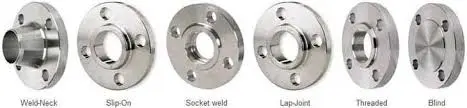
Slip-on flanges and weld-neck flanges are two very different ways to connect pipes, and each one is better for different tasks in industrial plumbing systems. The differences in structure between these flange types have a direct effect on how much they cost to make, how they are installed, and how well they work.
Design and Manufacturing Differences
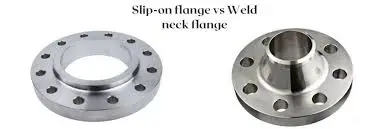
Slip-on flanges are simple to make. They have a flat face and an inside diameter slightly larger than the pipe's outside diameter to allow proper fit-up. The pipe can be inserted into the flange bore before positioning and welding due to the slightly oversized internal diameter. Two fillet welds are typically applied: one on the outside and one on the inside of the flange. This makes the link safe but not too complicated.
Weld-neck flanges have a long, curved hub that sticks out from the face of the flange and makes a smooth connection between the flange and the pipe. This curved design gets rid of stress points and makes the design more resistant to wear. The neck section must be properly bevelled and joined using a full-penetration butt weld, which means that it needs to be made and installed with more precision.
Material Standards and Specifications
Both types of flanges are typically manufactured in accordance with ASME B16.5 standards. Common steels used are carbon steel, stainless steel grades 304 and 316, and different alloy steels. Slip-on flanges made of carbon steel usually cost 20–30% less than similar weld-neck versions because they use less material and are easier to machine. Weld-neck flanges have tighter manufacturing limits, which means that more quality control steps are needed, which drives up the cost of production.
For engineers, knowing these basic differences helps them choose the right flange types based on operational needs, price limits, and performance standards.
Installation Time Comparison: Factors Impacting Efficiency
Slip-on and weld-neck flanges are installed very differently, with weld-neck installations typically taking 30% to 60% longer depending on the specific application and the welding team's experience level.
These differences have a direct effect on work costs and project schedules, which is why fitting time is such an important part of choosing a flange.
Welding Requirements and Complexity
Slip-on flange installation typically requires less time per joint compared to weld-neck flanges, depending on site conditions and operator skill. Fillet welding is a simple process that can be done with regular stick or MIG welding equipment, not special beveling tools. Welders with average skills can get good results, which cuts down on the need for workers and crews.
Weld-neck flange installation generally takes longer per joint due to more complex preparation and welding requirements. Pipe beveling, careful positioning, root pass welding, fill passes, and cap passes are all parts of the process. Each step has to be checked before it can be done again. This makes the work take longer but ensures a better joint.
Pre-Installation Preparation
The preparation part has a big effect on how well the work goes overall. Slip-on flanges don't need much preparation for the pipe other than being cut to the right length. This is because the slip-through design allows for differences in length up to the hub depth. This versatility cuts down on the time needed for cutting and fitting in the field, which is especially helpful for repair uses.
For weld-neck installs, the pipe needs to be cut, bevelled, and fitted up carefully. The ends of the pipes need to be cut straight and bevelled at specific angles, usually 37.5 degrees for most uses. Alignment and gap upkeep during welding require skilled workers and special tools, which makes the installation process take longer.
Quality Control and Inspection Protocols
Different types of flanges have very different inspection needs after fitting. Visual inspection and leak testing are commonly performed on slip-on connections, although additional non-destructive testing may be required depending on service conditions. The simple fillet weld geometry makes it easy to check the quality and length of the join.
Weld-neck joints often need to be x-rayed or inspected with ultrasound, especially when they are used in high-pressure situations. When you add up the time it takes to set up, test, and evaluate these non-destructive methods, they can significantly increase inspection time per joint, depending on testing requirements. While these standards ensure high quality, they have a big effect on project costs and timelines.
Cost Comparison: Direct and Indirect Expenses
A full cost study shows that the changes in the prices of materials for the different types of flanges only make up a small part of the total project costs. The costs of installation work, required inspections, and long-term upkeep are complicated by economic factors that change depending on the project's scope and the needs of the application.
Material and Initial Investment Costs
Slip-on flanges usually cost 25–35% less than weld-neck flanges of the same material and pressure grade. A 6-inch Class 150 carbon steel slip-on flange costs about $45 to $55, while a weld-neck flange costs about $75 to $90. This difference in price comes from using fewer materials and making the process of making it easier.
In most industrial uses, though, material costs only make up 15–25% of the total fixed costs. The cost of labour, the tools needed, and the testing process add a lot more to project budgets, which could make slip-on flanges less cost-effective in the long run in complicated installs.
Labour and Installation Expenses
Slip-on flanges are cheaper to install because they require less complex welding and lower skill levels and don't require as much skill. Standard welding teams can put on slip-on connections 40–50% faster than weld-neck options, which can save a lot of money on big jobs. Slip-on designs could save 20 to 30 hours of work on a normal industrial job with 100 flange connections.
Weld-neck setups, on the other hand, need trained welders who know how to do full penetration and exact fit-up processes. Qualified welders usually get paid 20–30% more per hour than regular welders, which makes the time penalty even worse because of the higher hourly labour costs.
Long-Term Maintenance and Lifecycle Considerations
Long-term cost research often shows that weld-neck flanges are better, even though they cost more at first. Weld-neck links have better fatigue resistance and structural stability, which means they need less upkeep and last longer in tough situations. Over 15 to 20 years of service, the money saved on maintenance costs can cover the initial installation fees.
In the comparison of slip-on vs. weld-neck flanges, slip-on flanges may need to be inspected and replaced more often in places with a lot of stress, which adds to the cost of ongoing upkeep. But because they are easy to repair, maintenance workers may not have to charge as much when service is needed.
Performance and Suitability Decision Factors
Performance characteristics are very different between slip-on and weld-neck designs, with each type performing best in certain situations. Knowing these changes in performance lets you make the right choice based on the needs of the system, the conditions of operation, and safety concerns.
Mechanical Strength and Pressure Capabilities
Weld-neck flanges are stronger than other types because the metal transfer between the pipe and the flange is continuous. The curved hub design gets rid of stress concentration points that can form in slip-on connections, especially when the load changes over time. When the pressure is above 600 PSI or the temperature is above 400°F, this structural benefit becomes very important.
Slip-on flanges are strong enough for low-pressure uses; in standard configurations, they are suitable for low to moderate pressure applications, with pressure ratings defined by the applicable flange class. The form of the dual fillet weld makes it strong enough for most business and light industrial uses while still being easy to install and saving money.
Fatigue Resistance and Reliability
Weld-neck flanges are great for uses where there is temperature cycling, vibration, or changes in pressure because they have a smooth transition shape that makes them very resistant to wear. The continuous metal path gets rid of the places where things can go wrong that can happen at the fillet weld joints in slip-on designs.
Laboratory tests show that weld-neck connections can withstand significantly more pressure cycles than slip-on connections under similar conditions. This higher level of dependability is useful in serious situations where a broken link could put people in danger or stop production.
Application-Specific Considerations
Weld-neck systems are more reliable in industrial settings, even though they cost more. Weld-neck flanges are often used for vital services in chemical processing, oil refining, and power generation plants to reduce the chance of leaks and ensure long-term dependability.
Slip-on flanges are often used in HVAC systems, building services, and general industry settings where mild temperatures and pressures allow cost savings without sacrificing safety. Slip-on designs are especially useful for big building projects with a lot of links because they are easy to install and save money.
Procurement Tips and Supplier Selection Guide
To procure flanges successfully, you need to carefully evaluate suppliers by examining critical factors such as quality certifications, delivery reliability, and their capacity to provide expert technical support. Modern industrial projects are very complicated, so providers need to know what the application needs and be able to give good expert advice throughout the whole process.
Quality Certifications and Standards Compliance
Suppliers you can trust keep certifications like ISO 9001:2015 for quality management systems, ASME certification for pressure tank parts, and any other approvals that are needed in your business. These certifications make sure that the quality of the products is always the same and that the production methods meet strict industry standards.
Material traceability paperwork is very important for uses that need to keep track of heat numbers and check chemical composition. For all flanges they supply, suppliers should give full mill test certificates along with measurement inspection records. This makes sure that the flanges meet the quality standards and project requirements.
Inventory Management and Delivery Capabilities
Effective providers keep a lot of popular bolt sizes and materials in stock, so they can quickly deliver what is needed for urgent projects. Carbon steel and stainless steel standard sizes should be ready to ship right away, but unique alloys and custom setups will take longer.
Flexible delivery timing lets suppliers plan packages around the installation schedules of projects, which cuts down on the need for on-site storage and the cost of moving materials. Reliable providers make shipping promises that they can keep and keep in touch with customers throughout the order fulfilment process.
Technical Support and Engineering Services
Value-added suppliers give expert support services like application engineering, help with choosing materials, and the ability to make custom designs. In particular, these services come in handy for complicated tasks that need unique materials or non-standard shapes.
If you need help with engineering, they can help you choose the best flanges for your needs, which could save you money or make your system work better. Suppliers with strong technical skills often offer help with fitting and fixing problems, which makes the whole job more successful.
Building ties with several qualified suppliers is good for the procurement process because it ensures supply security and low prices. Regularly evaluating the performance of suppliers helps keep quality standards high and find ways to make the buying process better all the time.
Conclusion
When deciding between slip-on and weld-neck flanges, you need to think about how easy they are to install, how much they cost at first, and how well they need to work in the long run. When fitting speed and cost control are important, slip-on flanges work best. On the other hand, weld-neck designs are more reliable for demanding industrial services. Successful buying choices take into account both the needs of the current project and the expected performance over the product's entire lifespan. This ensures the best value for a wide range of industry uses.
FAQ
1. Which flange type provides better leak prevention in high-pressure applications?
Due to their full entry weld design and continuous metal transition, weld-neck flanges are better at stopping leaks in high-pressure services. Because the bore is smooth and there are no stress concentration places, fatigue-related failures that could damage sealing integrity are less likely to happen.
2. Can slip-on and weld-neck flanges be used interchangeably in piping systems?
While both flange types with the same pressure class and facing can bolt together, they cannot be used interchangeably when modifying existing pipe spools. Because a weld-neck flange has a long hub, replacing it with a slip-on flange requires a different pipe cut length. Furthermore, system design codes dictate which flange type is permitted based on pressure, temperature, and fatigue requirements.
3. How does welding expertise affect overall project costs?
Needing to know how to weld has a big effect on project prices through wage rates and how quickly the work is done. For weld-neck installations, you need licensed welders with full penetration welding skills who charge more per hour. Slip-on installations can use regular welders, which cuts down on both the cost of work and the number of people needed for big jobs.
Partner with RAYOUNG for Your Industrial Flange Requirements
RAYOUNG offers comprehensive piping solutions, providing both premium slip-on and weld-neck flanges tailored to a wide range of industrial applications. We have a huge selection of carbon steel and stainless steel flanges that are made to meet ASME and ANSI standards. These are backed by ISO 9001:2015 certification and full material tracking documentation. Email our engineering team at info@hb-steel.com for technical advice, reasonable quotes, and reliable delivery plans that keep your projects on track and make the most of both performance and budget.
References
1. American Society of Mechanical Engineers. "ASME B16.5 - Pipe Flanges and Flanged Fittings: NPS 1/2 through NPS 24 Metric/Inch Standard." ASME International, 2020.
2. Bickford, John H. "Gaskets and Gasketed Joints: Second Edition." Industrial Press, 2018.
3. Nayyar, Mohinder L. "Piping Handbook: Seventh Edition." McGraw-Hill Professional, 2019.
4. Singh, Karan. "Industrial Piping and Equipment Estimation Manual." Gulf Professional Publishing, 2017.
5. American National Standards Institute. "ANSI/ASME B16.47 - Large Diameter Steel Flanges: NPS 26 Through NPS 60 Metric/Inch Standard." ANSI Publications, 2021.
6. Escoe, A. Keith. "Piping and Pipeline Assessment Guide: Volume 2." Gulf Professional Publishing, 2016.

Need a quote? Want to see samples? Just say hello. We’re friendly. We’re fast. And we’re ready when you are.
Welcome to RAYOUNG – Strong Pipes, Stronger Promise