Top Steel Tubing Options for Brazilian Industrial Plants
To choose the best steel tubing options for Brazilian factories, you need to carefully think about the requirements of the materials, the surroundings, and the needs of the operations. Steel tubing is an important part of many industrial processes, from making petrochemicals to manufacturing all over Brazil's industrial scene. Knowing the different choices they have helps procurement pros make smart choices that balance performance needs with budget limits and guarantee long-term dependability in tough working conditions.
Understanding Steel Tubing: Types, Grades, and Key Specifications
Industrial purchase workers all over Brazil need to know a lot about steel tubing basics in order to make smart buying choices. To choose the right materials for a project, you need to know about the manufacturing methods, quality standards, and performance traits that have a direct effect on the project's results.
Manufacturing Methods and Quality Control
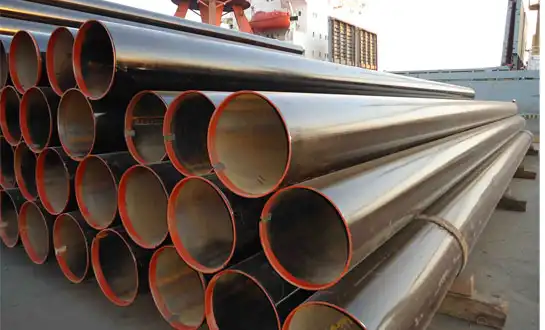
There are two main ways to make steel tubing: the seamless construction method and the welded construction method. Hot-working methods are used to make seamless tubes. Solid steel billets are pierced and rolled to make hollow pieces that don't have any joins. This method makes walls that are stronger and more evenly thick, which makes it perfect for high-pressure uses that are popular in Brazilian petrochemical plants.
To make welded tubes, flat steel strips are bent into circles, and the edges are joined using different types of welding. Most of the time, electric resistance welding (ERW) and submerged arc welding (SAW) are used in commercial settings. To make sure that the product meets foreign standards, quality control measures include checking the dimensions, testing the mechanical properties, and inspecting the product without damaging it.
Steel Grades and Material Classifications
Because it is cheap and can be used for a lot of different things, carbon steel tubing is used a lot in the Brazilian industry. The ASTM A106 and API 5L standards cover seamless carbon steel pipes used in high-temperature and pressure environments, while tubing applications typically follow standards such as ASTM A179, ASTM A213, ASTM A269, and ASTM A500, depending on structural or heat-exchanger requirements. These types are great for welding and milling, which are important for installation and repair work in the field.
Stainless steel versions offer better corrosion protection, which is very important in Brazil's humid seaside areas and chemical production areas. Austenitic grades, such as 304L and 316L, work better in environments that are corrosive, while duplex stainless steels are stronger and can be used in more difficult construction situations.
Alloy steel tubing has certain alloying elements added to it to improve its qualities, like making it stronger at high temperatures or tougher. An important place in Brazil for chromium-molybdenum alloys to be used is in power plants, where high temperatures require better material performance.
Dimensional Standards and Specifications Accuracy
The estimates for wall thickness have a direct effect on the structure's ability to withstand pressure and its stability. International standards such as ASME B36.10M for carbon steel and ASME B36.19M for stainless steel are commonly referenced in Brazilian projects and are generally aligned with ABNT requirements for dimensional standardisation. To make accurate specifications, you need to know about standard pipe size (NPS) categories and the outside diameter numbers that go with them.
When connecting to current pipe systems or precision equipment, tolerance standards become very important. Tolerance values for standard items usually allow for plus or minus 12.5% for wall thickness and plus or minus 1% for outside width. These factors make sure that the fittings work right during installation and that the pressure-holding abilities stay the same.
Steel Tubing versus Steel Pipe Distinctions
Knowing the main differences between steel pipe and steel tubing helps you avoid making mistakes in the specifications that could hurt the safety and performance of your project. The types of steel pipes are based on their internal flow rates and pressure ratings. The sizes are given by the nominal pipe size instead of the real numbers.
Specifications for steel tubing stress exact outside diameter and wall thickness measurements. This makes it ideal for structural uses and the building of heat exchangers. When making tubes, the tolerances are usually tighter than when making pipes. This makes the mechanical features and dimensions more reliable.
Top Steel Tubing Types for Brazilian Industrial Needs
Brazil's business setting has its own problems that affect how materials are chosen. To get the best performance and life from steel tubing, you need to carefully consider your choices when there is a lot of humidity, temperature changes, and different chemical exposure conditions.
Carbon Steel Solutions for Cost-Effective Performance
In Brazil, carbon steel tubing is very useful in many different types of industries. São Paulo is a centre for making cars, and a lot of the equipment used on the assembly lines and in the facilities is made of solid carbon steel tubing. In structural uses, standard grades like ASTM A500 offer solid performance at prices that are easy on the wallet.
Carbon steel is easy to find and weld, which is good for processing businesses all over Brazil. Local steel companies make high-quality carbon steel tubing that meets international standards. This cuts down on the need to import goods and the time it takes to get them. The material has been used successfully in Brazilian industries in the past, which gives procurement workers in charge of big projects trust.
Stainless Steel Excellence in Corrosive Environments
Industrial sites along the coast of Brazil are always exposed to salty air, which speeds up the corrosion of normal carbon steel materials. Stainless steel tubing is better at resisting rust from the air and humidity, and it stays structurally sound for longer periods of time.
The industrial plants in the states of Bahia and Rio de Janeiro show how stainless steel can be used successfully in tough conditions. Grade 316L stainless steel is better at resisting chlorides, which is important for ocean platforms and factories on the coast. The initial investment premium is returned through lower upkeep costs and longer machine lifespans.
To meet strict cleanliness standards, the food processing and pharmaceutical businesses in Brazil need stainless steel tubing. Sanitary-grade tubes with smooth insides stop germs from growing and make cleaning easier, which is necessary to ensure the quality of the product.
Surface Finishing Impact on Durability
In moderately corrosive settings, galvanised coatings protect carbon steel tubing and make it last longer. As a sacrifice, the zinc coating saves the steel base below while also offering cost-effective protection against corrosion. Galvanised tubing is often used in open areas of Brazilian building and infrastructure projects where aesthetics and durability are important.
Plain carbon steel finishes work well in controlled indoor settings where there isn't much chance of rusting. By properly preparing the surface and applying a protective covering, simple steel can work better while still being cost-effective. Setting up regular repair plans for these uses helps the equipment last as long as possible.
Seamless versus Welded Construction Analysis
When it comes to pressure, seamless steel tubing is better because the stress is spread out evenly across the tube wall. Brazilian oil and gas companies prefer smooth building for important jobs where failure would have bad results. Since there are no welded gaps, there are no weak spots that could let the system's stability slip.
When used in low-pressure situations, a welded tube is cheaper than other options while still performing well. Modern welding methods make seams that are of high quality and meet industry standards for most factory uses in Brazil. The money saved on materials can now be used to pay for other important parts of the project.
Size and Wall Thickness Optimisation
Heavy-duty industrial plants all over Brazil need accurate sizing estimates to make sure they have enough strength reserves while also avoiding over-specification, which raises project costs for no reason. The choice of wall thickness is based on the required internal pressure, the external stress conditions, and the safety factor needs.
Brazilian steel mills and chemical plants that use large-diameter tubes can benefit from careful optimisation studies that weigh the prices of materials against the needs for performance. Computer-aided design tools help engineers choose the best sizes that meet regulations while using the least amount of materials.
Comparing Steel Tubing Options: Making the Right Choice for Your Industrial Plant
When choosing steel tubing systems, people who run industrial plants have to think about a lot of things. Different factors, such as performance needs, weather conditions, and budget limitations, affect the best steel tubing materials to use in different situations.
Material Performance Against Alternatives
In high-temperature situations that are common in Brazilian factories, steel tubing always works better than aluminium options. Steel is the best material for power generation and petroleum processes because it has a high strength-to-weight ratio and can handle high temperatures.
Copper tubing is very good at resisting rust, but it's not strong enough for high-pressure industrial systems. Copper's high cost limits its uses to specialised heat transfer equipment, where its ability to conduct heat well gives it clear benefits.
Even though composite materials are getting better, they still aren't as reliable as steel tubing in harsh industrial settings. When equipment breaks down, Brazilian workers want materials that have been used in a lot of situations and have tried-and-true fix methods.
Stainless versus Carbon Steel Decision Matrix
The choice between stainless steel and carbon steel tubing is based on how they will affect the environment. Facilities on the coast between Rio de Janeiro and Salvador have to deal with harsh weather that makes stainless steel a better choice, even though it costs more at first. With the right safety precautions, carbon steel can be used safely in inland sites with controlled environments.
Material choices are affected by how easy they are to maintain. Low care needs for stainless steel make it a good choice for remote installations. On the other hand, facilities with dedicated maintenance teams can handle carbon steel systems more cost-effectively. The total cost of ownership study should look at the effects of downtime and the staff costs needed to do maintenance.
Climate Challenge Solutions
The tropical temperature of Brazil causes condensation problems that speed up rusting in systems that weren't built well. The right drainage design and choice of materials can help prevent problems caused by water that could make the system less reliable. Stainless steel types that are more resistant to corrosion in harsh environments are good for long-term options.
Changing temperatures from day to night puts stress on pipe systems because they expand and shrink with the changes in temperature. These movements must be taken into account when choosing materials and designing systems so that they don't break too soon. In bicycle-working settings, alloy steel types with better resistance to thermal fatigue work best.
Load Capacity and Safety Compliance
International safety rules set minimum wall thickness requirements for pressure-bearing uses, which are the same as Brazilian regulations. The ABNT NBR guidelines include safety factors that make sure there are enough power margins for both regular and emergency situations.
Although Brazil has very low seismic activity due to its stable tectonic structure, industrial facilities still consider structural safety factors such as vibration, heavy equipment loads, and mechanical stress when selecting tubing materials. Ductile materials that are good at absorbing energy help buildings stay standing during earthquakes without breaking down completely. The right choice of materials and the design of the support system work together to make sure that everyone is safe.
Case Study: Successful Implementation
A large Brazilian automaker recently improved their compressed air distribution system in their São Paulo plant by using high-strength carbon steel tubing. As part of the job, old galvanised pipe had to be replaced with new seamless steel tubing, which had higher pressure values and less pressure drop.
The implementation significantly improved system efficiency and reduced leakage problems, leading to measurable energy savings and a short payback period. The three-year payback period proved that the investment was a good one and showed how important it is to choose the right materials for industrial uses.
Procurement Guide: Sourcing Steel Tubing for Brazilian Industrial Plants
To buy steel tubing successfully, you need to evaluate suppliers, look at prices, and make sure the quality of the tubing is checked. Brazilian industrial buyers can make the best decisions about what to buy by learning a lot about how the market works and what suppliers can do.
Supplier Certification and Reliability Assessment
Certification of quality control systems is an important way to make sure that suppliers keep production standards uniform. ISO certification and third-party inspection agencies such as SGS help demonstrate that foreign providers serving Brazilian markets meet international quality and export compliance requirements.
Evaluating providers' production ability makes sure they can meet project delivery deadlines without lowering quality. Site visits and capacity checks show what the real manufacturing capabilities and quality control methods are, which affect how well the end product works. Buying from established sellers with a history of doing well in Brazilian markets lowers the risk of buying something.
Pricing Structure Navigation
When you buy more, volume-based pricing tiers give you big discounts on the price. Brazilian industrial buyers can use tactics for project consolidation to get better prices and make it easier to coordinate transportation. When you commit to a certain amount of sales every year, you can often get better prices and delivery times.
Raw material surcharges protect both buyers and sellers from changes in the market and make sure that prices are fair during the term of the deal. When procurement workers understand these processes, they can make more accurate budgets and avoid surprises when costs go up during project execution.
Custom Fabrication Capabilities
For some uses, custom sizes or types of materials may be needed that aren't offered in normal product lines. Suppliers who can do their own manufacturing can make solutions that are specific to a project's needs. Certain performance goals can be met by custom heat treatment, special testing, or changing the chemical makeup.
When unique goods are needed, lead times become very important. Early involvement of suppliers in the planning stages of a project gives enough time for custom manufacturing without affecting the general schedule of the project. Communication of clear specifications keeps things on schedule and makes sure that the goods provided meet expectations.
Logistics and Supply Chain Optimisation
Coordinating delivery schedules cuts down on the costs of keeping supplies and makes sure that materials are available when they are needed. Just-in-time delivery methods cut down on the need for storage space, but they need suppliers who can be trusted and have flexible operations. Brazil's transportation system affects how deliveries are planned and how much they cost.
Minimum order amounts for steel tubing are set by suppliers to make sure they are efficient and to keep shipping costs low. Knowing these needs helps buyers plan their purchases well and avoid having too much product on hand. Strategies for consolidating suppliers can help you get minimum amounts for a lot of different product lines, including steel tubing.
Benefits and Applications of Steel Tubing in Brazilian Industrial Plants
Steel tube systems are an important part of the infrastructure for many different types of industries in Brazil. Understanding the benefits that are special to an application helps buying workers choose the best materials and get the most out of their investments.
Strength and Durability Advantages
Because steel tubing has a high tensile strength, it can handle the high pressures that are common in Brazilian petrochemical plants. The material has been used before and worked well in tough conditions, which gives operators trust and lowers the risk of catastrophic failure. Fatigue resistance ensures that the system will work reliably under the repeated loading conditions that are common in industrial processes.
Impact resistance keeps things from getting broken by mistake during building and maintenance work. Even when exposed to outside forces that could damage other materials, steel tube systems keep their structural integrity. In busy manufacturing settings where protecting tools is important, this trait comes in handy.
Lifecycle Cost Efficiency Analysis
Expectations for longer service lives lower the number of replacements needed and the costs of downtime that come with them. With proper care, quality steel tubing installations in Brazilian buildings usually last longer than 25 years. The cost of the materials that is spread out over such a long period of time gives a great return on investment.
When steel tubing systems are built and chosen correctly, they don't need much maintenance. Regular inspections and reapplying protection coatings are the main maintenance tasks that need to be done to keep things working well. Maintenance dates that can be predicted make it easier to plan budgets and assign resources.
Industry-Specific Applications
In Brazil, factories that make cars use steel tubing for things like distributing compressed air, supporting structures, and running hydraulic systems. The material is reliable enough to meet strict safety standards and keep up with the needs of constant production. Welding flexibility makes it easier to make changes to the field and add on to the system as output needs change.
In the construction business, structural framing, scaffolding systems, and industrial equipment are all used in Brazilian building projects. Standardised sizes and tried-and-true ways to connect steel tubing make planning and installation easier. When compared to imported options, local supply cuts down on project costs and delivery times.
Specialised steel tubing types are used in Brazilian power plants for high-temperature and high-pressure uses in the energy sector. The material is safe to use in harsh working situations because it doesn't creep and stays stable at high temperatures. Maintenance downtime during planned outages is kept to a minimum by established fix processes.
Regulatory and Environmental Compliance
The way modern steel tubing is made uses eco-friendly methods that are in line with Brazil's environmental protection goals. Using recycled content cuts down on the amount of raw materials needed while keeping performance levels the same. End-of-life recycling helps the circular economy, which is important to businesses that care about the earth.
More and more, Brazilian environmental policies increasingly encourage the use of durable and recyclable materials with lower lifecycle environmental impact. The long-lasting and recyclable properties of steel tubes help them meet changing environmental standards. Green building approval programmes know that steel tubing is good for the environment when used in green building projects.
Future Technology Trends
New alloying ideas used in advanced steel types improve performance while lowering the amount of material used. These improvements make strength-to-weight ratios better, which lets architects make better building plans. These improvements can help Brazilian factories by lowering the cost of materials and making systems work better.
Steel tubing systems can receive real-time performance data and repair recommendations from digital tracking technologies that are integrated. Smart sensors built into tube systems keep an eye on things like pressure, temperature, and rust to help plan maintenance better. These technologies improve operating efficiency while lowering the risk of failures that come up out of the blue.
Conclusion
When Brazilian industrial plants select steel tubing systems, procurement teams must carefully evaluate performance requirements, environmental conditions, and overall economic factors. For controlled settings, carbon steel choices are a cost-effective choice, while stainless steel grades work best in situations that are corrosive. The success of procurement relies on checking the supplier's certification, knowing how prices work, and following quality assurance procedures. The material has been shown to be reliable, last a long time, and needs little upkeep. These qualities make it very valuable in a wide range of industrial settings in Brazil's growing industrial sector.
FAQ
1. What are the main differences between seamless and welded steel tubing?
When steel tubing is made, it goes through steps that leave open parts without any welds. This gives the walls a uniform thickness and makes them better at handling pressure. A welded tube is made from flat steel strips that are joined together using different welding methods. It is cheaper for low-pressure purposes while still performing well enough for most industrial uses.
2. How do I choose the right types of steel for different commercial uses?
The working temperature, pressure needs, and environmental factors all affect the choice of steel grade. Carbon steel grades like ASTM A106 are good for general industrial uses, while stainless steel grades like 316L are better for chemical handling conditions because they don't rust as easily. Some types of alloy steel are better for uses that involve high temperatures or a lot of stress.
3. What standards do Brazil and the rest of the world use for industrial steel tubing?
For uses involving steel tubing, Brazilian industrial standards are the same as foreign ones, such as ASTM, ASME, and API standards. Local rules must be followed according to ABNT NBR norms, and quality management system compliance must be met by ISO 9001:2015 approval. SGS and GOST-R approvals prove that the quality of a sale meets certain standards.
4. How does the weather in Brazil affect the efficiency and choice of steel tubing?
The warm climate of Brazil causes high humidity and frequent changes in temperature, which make corrosion faster in normal carbon steel products. Facilities near the coast have to deal with extra problems because the air is salty, which requires better rust protection. Choosing the right materials and taking the right precautions can help reduce these environmental problems and ensure long-lasting performance.
5. What factors should I consider when evaluating steel tubing suppliers?
When judging a supplier, you should check their quality control certifications, see how much they can produce, and look at how quickly they can deliver. Supplier dependability is affected by how stable their finances are, how easy it is to get professional help, and how close they are for local service. Checking references with past customers is a great way to learn about real performance and service quality levels.
Partner with RAYOUNG for Premium Steel Tubing Solutions.
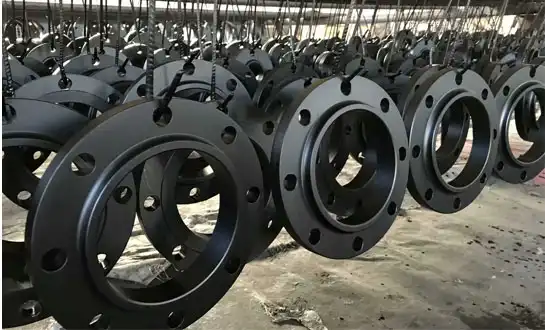
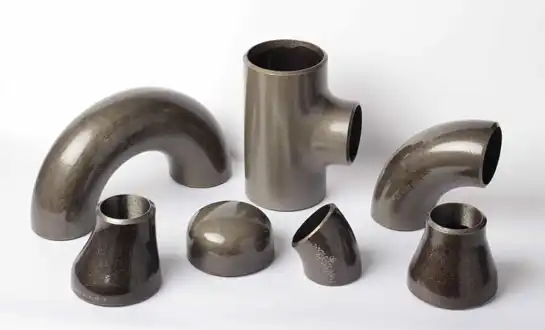
You can trust RAYOUNG as your steel tubing provider because they offer certified solutions that meet the strict needs of industrial uses in Brazil. Our wide range of products includes industrial pipe fittings, buttweld steel elbows, steel reducers, and flanges that make sure all of your facility's connection points are safe.
Backed by GOST-R certification and rigorous SGS inspection and testing services, we ensure full export compliance and maintain the highest global standards for our customers in Brazil and around the world. Our ISO 9001:2015-certified manufacturing methods make sure that the standard of all of our products is the same. Whether you need premium steel tubing for high-pressure gas lines, aggressive chemical processing, or complex industrial infrastructure, our solutions are engineered for maximum safety, uncompromising performance, and exceptional longevity.Email our technical experts at info@hb-steel.com to talk about your unique needs and get quotes that are made just for your next job.
References
1. Brazilian Association of Technical Standards (ABNT). "Industrial Piping Systems: Material Selection and Installation Guidelines for Tropical Climates." Technical Report NBR-15123, 2023.
2. Santos, Carlos Eduardo, et al. "Corrosion Performance of Steel Tubing in Coastal Industrial Environments." Industry Materials Engineering Reports, 2023.
3. American Society of Mechanical Engineers. "Process Piping Code for Chemical Plants and Refineries." ASME B31.3-2022 Edition. New York: ASME Press, 2022.
4. Oliveira, Roberto, et al. "Lifecycle Cost Analysis of Steel Tubing Systems in Petrochemical Facilities." Industrial Engineering Technical Publications, 2023.
5. The ISO is the International Organization for Standardization. This is the ISO 9001:2015 Quality Management Systems Implementation Guide" It was published in Geneva by ISO Publications in 2023.
6. Instituto Aço Brasil. "Market Analysis and Technical Specifications for Industrial Steel Tubing Applications." Annual Technical Report, 2023.

Need a quote? Want to see samples? Just say hello. We’re friendly. We’re fast. And we’re ready when you are.

Welcome to RAYOUNG – Strong Pipes, Stronger Promise