Guide: Choosing Elbow Radius for Flow Efficiency
Selecting the appropriate pipe elbows with the correct radius dimensions directly impacts flow efficiency, pressure drop, and overall system performance in industrial piping applications. The radius-to-diameter ratio determines how smoothly fluid moves through directional changes, affecting energy consumption and operational costs. Long radius elbows typically provide better flow characteristics compared to short radius alternatives, reducing turbulence and maintaining consistent pressure throughout the system. Understanding these fundamental relationships enables engineers and procurement professionals to make informed decisions that optimise both immediate performance and long-term operational reliability.
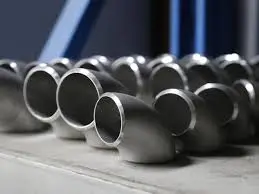
Understanding Pipe Elbow Basics
Directional fittings help industrial pipe systems get around tricky routing requirements while keeping the best fluid flow qualities. In factories, chemical plants, and building projects, these important parts are what hold delivery networks together and make them work well.
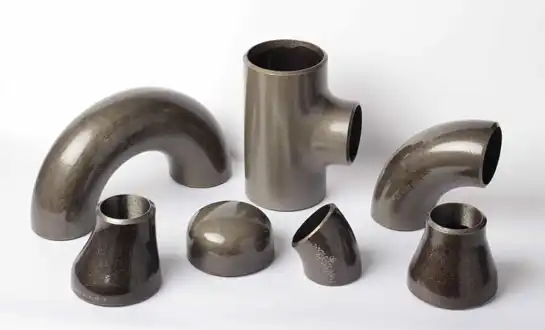
Standard setups come in angles of 90 degrees, 45 degrees, and 22.5 degrees, each built to meet a different set of route needs. The 90-degree elbow is still the most common fitting for changing directions perpendicularly. 45-degree versions offer smooth shifts that are good for situations where less pressure drop is needed. Standard designs are usually the most cost-effective, but custom angles can be used to work around unique space issues.
Flow patterns are greatly affected by the difference between long radius and short radius shapes. The centre-to-face size of a long radius elbow is 1.5 times the standard pipe diameter, while the size of a short radius elbow is only 1 times the diameter. Changes that can be measured in flow turbulence and pressure loss are caused by this difference in dimensions.
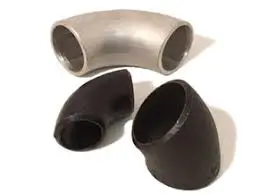
Carbon steel butt weld elbows are the most common type used in industry because they are strong, easy to weld, and cost-effective. The production process starts with pipe material that is either seamless or welded. This material is then heated and shaped in a controlled way to get the final elbow shape. This hot-forming method makes sure that the walls are always the same width and that the inside areas are smooth, which helps the flow of material.
For chemical processes and food-grade uses, stainless steel options are better at resisting corrosion. Initial costs must be weighed against performance needs over the product's lifetime, taking into account things like how often upkeep is needed, how long replacements last, and the cost of system downtime.
When you look at pressure drop figures, the link between elbow radius and flow efficiency becomes clear. Longer radius fittings make changes in direction more gradual, which lowers flow separation and turbulence. In high-speed situations, research shows that long-radius elbows can lower pressure drop by approximately 20 to 40 per cent compared to short-radius elbows, depending on flow velocity and system conditions.
Knowing these flow patterns helps engineers guess how the system will act and find the best pump size. When you choose the right radius, the flow changes more smoothly, which directly saves energy and lowers running costs over the lifetime of the system.
Criteria for Choosing the Right Elbow Radius for Flow Efficiency
To choose the best radius for pipe elbows, you need to carefully look at a number of practical factors that affect how well the system works. The process of making a choice has to find a balance between the rules of fluid dynamics and practical issues like limited room and money.
When using high speeds, you need to be very careful when choosing the elbow radius to keep pressure drops to a minimum and prevent damage from happening. Systems that go faster than 10 feet per second usually work better with long-radius designs that lower the wear caused by turbulence. At higher speeds, the link between flow rate and pressure drop becomes increasingly significant, as pressure drop rises approximately with the square of the flow velocity.
Studies using computational fluid dynamics show that elbows with a longer radius keep the velocity profiles more even after the fitting. This feature makes downstream equipment work better, like flow meters and control valves, which need constant flow conditions to work correctly.
Fittings for high-pressure systems need to be able to handle operating pressures without affecting the structure's strength. Long and short radius designs have different stress concentration factors. Usually, larger radius designs have lower peak stress levels. In high-pressure steam uses, where thermal cycling adds to the mechanical pressures, this benefit becomes even more important.
Changes in temperature have an effect on the properties and thermal growth features of a material. These things must be taken into account in the choosing process so that the process doesn't fail too soon or lose its effectiveness. When you choose the right radius, you help spread stress evenly, which makes the fitting last longer even in tough conditions.
In places where chemicals are processed, corrosion protection and smooth interior surfaces that keep products from getting contaminated are often top priorities. Long-radius stainless steel elbows work great in these situations because they keep the flow from getting messed up, which could lead to dead zones or the growth of germs. Buying high-quality parts usually ends up being a good investment because they last longer and need less cleaning.
When power plants use high-temperature, high-pressure steam, they need parts that are strong enough to resist harsh conditions. Thermal shock resistance and wear performance of elbow radius setups that are chosen correctly are big parts of how reliable and available a system is as a whole.
Materials and Construction Types Influencing Elbow Performance
The way an elbow is made and the materials it is made of have a big impact on its performance, affecting everything from its pressure levels to its flow efficiency and service life. When procurement workers understand these links, they can choose fittings that give the best value in a range of working situations.
Seamless elbows are great for high-pressure uses because they can handle more pressure and have walls that are all the same thickness. Lack of weld gaps gets rid of any weak spots that might let the system's stability slip under harsh working conditions. Seamless construction usually costs more to make than bonded options, but in crucial situations, the better performance often makes up for the extra cost.
Welded elbows are a cost-effective way to solve standard pressure problems while still meeting some performance standards. With today's welding methods, the quality of the joints is always the same and meets strict industry standards. The main benefit is that it's possible to make parts with bigger diameters, which wouldn't be possible with seamless production methods.
Quality control methods used during production have a big effect on how well the finished product works. Accurate measurements, a smooth surface, and the right heat treatment methods all affect how well something flows and how reliably it works. Leading makers use thorough testing procedures to make sure that products meet engineering standards.
Carbon steel works great in general industrial settings where moderate corrosion protection is needed. The price of the material is low, and it has great strength properties, so it can be used for water, compressed air, and fuel service. If you protect the surface properly with a coating or cathodic protection, it will last longer in slightly corrosive settings.
Stainless steel is very resistant to corrosion and has good hygiene qualities that are important for chemical, pharmaceutical, and food industry uses. The material stays structurally sound over a wide range of temperatures and is resistant to chemical and rust attack. The higher original cost usually ends up being worth it when you consider the lower upkeep needs and longer service intervals.
Total cost of ownership for pipe elbows, not just the initial buy price, must be taken into account during the decision process. Higher-grade materials are often the most cost-effective choice for demanding uses because they last longer, don't need as much upkeep, and are less expensive to replace when they break.
Installation Considerations to Maximise Efficiency
The performance benefits you can get from carefully choosing an elbow radius are directly affected by how the fitting is done. Even the best parts won't work right if the way they're installed damages the flow properties or the structure itself.
Accurate alignment between pipe parts that join them stops stress build-up that could cause them to break too soon. To keep the flow smooth and prevent pressure drops, the fitting process should use regular changes in the internal diameter. Full immersion welding keeps the structure of the system continuous as long as the pipe ends are properly prepared.
Supporting structures need to be able to handle practical loads and thermal growth without putting too much stress on the elbow fitting. If there isn't enough support, bending moments can happen that are higher than what was intended, which could lead to cracking or damage. Professional assembly teams know what these rules are and take the right steps to keep the system's purity.
Alignment problems are one of the most common installation mistakes that slow down systems. Even small changes in angle can cause stress build-up and flow problems that make things less reliable and efficient. Using the right alignment tools and methods stops these problems and makes sure the system works at its best.
If you don't heat treat something properly after welding, you might end up with hard spots that are more likely to crack from stress and rust. Following standard methods for post-weld heat treatment keeps the qualities of the material and ensures it will last for a long time. This kind of care for detail is especially important when working with high temperatures and pressures.
Pressure testing makes sure that the system is working properly and that the way it was installed did not change the original pressure ratings. For finding possible leak paths or structural flaws, hydrostatic testing is the most accurate way. To get a full picture of how well the system works, the testing method should adhere to well-known industry standards.
Flow tests can show that the fitting methods have improved efficiency as planned. By comparing measured pressure drops to estimated values, fitting problems that may have hurt performance can be found. This step of proof makes sure that the money spent on the premium elbow radius pick has the effects that were expected.
Procurement Guide: How to Purchase for Maximum Flow Efficiency?
Strategic procurement practices ensure that selecting the correct elbow radius delivers maximum value throughout the entire lifecycle of the project. Technical performance standards and business factors that affect the total cost of the project must both be taken into account during the review process.
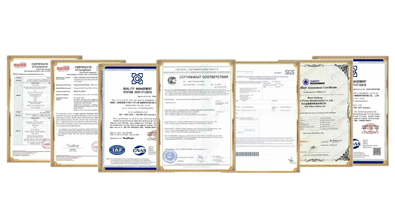
Quality certifications are important proof that makers keep production standards uniform. ISO 9001:2015 certification shows dedication to quality management systems, and product certifications like ASTM and ASME compliance make sure that the product meets industry standards. For export compliance and quality assurance, RAYOUNG keeps up with a full set of certification programmes, such as ISO certification and third-party inspection services including SGS testing and verification.
The supplier's ability to meet project deadlines and quality standards depends on what they can make and how much they can make. Companies that have been around for a while spend on new production tools and quality control systems that make sure their products always work well. Being able to provide test certificates and material tracking helps quality assurance programmes that are necessary for important uses.
Superior sellers are different from commodity suppliers in that they can provide technical help. Having access to application engineering experts can help you choose the best elbow radius for your unique working conditions. The engineering team at RAYOUNG offers full technical help to make sure that the best product specifications and system integration are met.
Lifecycle value must be weighed against initial cost in order to get the best buying results. The higher original investment is usually worth it because high-quality materials and building methods usually last longer and work better. When evaluating, things like repair needs, replacement intervals, and effects on operating effectiveness should be taken into account.
Opportunities to buy in bulk can cut unit costs by a lot while keeping quality high throughout the whole project. Establishing long-term relationships with preferred suppliers lets you negotiate better terms and make sure you get first-choice suppliers during times of high demand. RAYOUNG's manufacturing capabilities are flexible enough to handle both big jobs and smaller, more specific needs.
Dependability of delivery dates affects total project costs by changing the time it takes to build and the amount of inventory that needs to be kept on hand. Costly project delays are less likely to happen when suppliers have well-established transportation networks and enough supplies. For complicated projects, it's important to be able to give accurate delivery promises and stay in touch throughout the supply process.
Conclusion
To choose the right elbow radius for flow efficiency, you need to think carefully about a number of technical and business factors that affect both short-term performance and long-term costs. Long radius configurations usually have better flow features because they lower the pressure drop and turbulence. When choosing a material, you have to balance performance needs with cost factors. The process of improving system performance through smart elbow radius specification is finished by choosing the right provider and following the right installation steps. Most of the time, spending money on quality fittings and skilled installation pays off because the system lasts longer, uses less energy, and needs less upkeep.
FAQ
1. What is the difference between long radius and short radius pipe elbows?
The centre-to-face size of a long radius elbow is 1.5 times the standard pipe diameter, and the size of a short radius elbow is 1 times the diameter. This difference has a big effect on the flow features. Designs with a long radius have less pressure drop and turbulence.
2. How does the elbow radius affect the pressure drop in piping systems?
Longer radius elbows make changes in direction more smoothly, which lowers flow separation and turbulence. This means that in high-velocity situations, longer-radius elbows typically have 20–40% less pressure drop depending on flow conditions than short-radius elbows. This decrease means that more energy is saved, and the system works better.
3. When should I choose short-radius over long-radius elbows?
Short radius elbows are good when there isn't a lot of room for other pipe planning choices, and flow rates stay low. They save money in situations where the pressure drop penalty doesn't have a big effect on how well the system works overall.
Partner with RAYOUNG for Superior Elbow Solutions
RAYOUNG makes pipe elbows that are precisely built to meet the strictest industrial standards and improve flow efficiency. We have a wide range of products, such as carbon steel butt weld elbows, stainless steel fittings, and custom setups made to meet foreign standards, such as ISO-certified manufacturing and SGS inspection and testing services. As a premier manufacturer and supplier of industrial pipe elbows, we leverage cutting-edge production techniques and extensive technical expertise to ensure your project's success. Our ISO 9001:2015-certified facilities make sure that the quality of all of our products is the same, and our experienced engineering team helps customers choose the right elbow radius for their needs. Get in touch with our technical experts at info@hb-steel.com to talk about your unique needs and find out how our tried-and-true solutions can improve the performance of your system while lowering the total cost of ownership.
References
1. American Society of Mechanical Engineers. "ASME B16.9 - Factory-Made Wrought Buttwelding Fittings." ASME International Standards, 2018.
2. Crane Company Technical Paper. "Flow of Fluids Through Valves, Fittings, and Pipe." Crane Engineering Division, 2019.
3. Miller, Donald S. "Internal Flow Systems: Design and Performance Prediction." British Hydromechanics Research Association, 2017.
4. Peterson, Richard K. "Pressure Drop Analysis in Industrial Piping Systems." Chemical Engineering Technical Publications, 2019.
5. Smith, James M. and Van Ness, Hendrick C. "Introduction to Chemical Engineering Thermodynamics." McGraw-Hill Chemical Engineering Series, 2020.
6. White, Frank M. "Fluid Mechanics: Fundamental Concepts and Applications." McGraw-Hill Engineering Mechanics Series, 2018.

Need a quote? Want to see samples? Just say hello. We’re friendly. We’re fast. And we’re ready when you are.
Welcome to RAYOUNG – Strong Pipes, Stronger Promise