Top Black Steel Pipe Uses for Construction in Peru
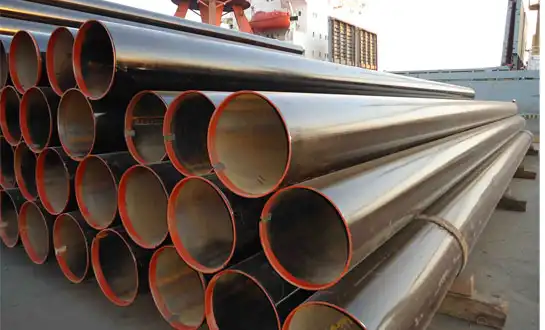
For important infrastructure projects like residential buildings and large-scale industrial developments, Peru's construction industry depends on black steel pipe options a lot. With their dark mill scale surface on the outside, these carbon steel pipes have great strength-to-weight ratios and are very cost-effective, which makes them essential for many building projects. From the growing cities of Lima to the rural mines in the Andes, black steel pipe systems work reliably in tough conditions and stay within the strict budgets that procurement professionals have to deal with every day.
Introduction
The important part black steel pipes play in Peru's building industry is emphasized in this guide, along with their many uses and buying tips. Black steel pipes are used in a wide range of construction applications because they are strong, flexible, and cheap. Engineers, purchasing managers, wholesalers, and original equipment manufacturers (OEMs) need to know the specs and uses of these pipes in order to make smart buying choices that meet technical needs and project budgets in the Peruvian market. There has been a lot of growth in building in Peru. According to government figures, $8.2 billion will be spent on infrastructure in 2023. Because of this growth, there is a big need for effective pipe systems that can handle Peru's wide range of weather conditions, from humid coastal areas to temperature changes at high elevations. Products made from carbon steel pipes are long-lasting and flexible enough to help reach these lofty building goals while still keeping prices low.
Understanding Black Steel Pipes: Specifications and Standards
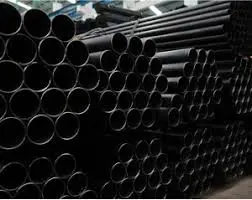
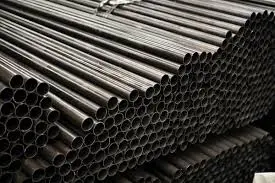
Black steel pipes are carbon steel tubes manufactured from steel billets (seamless) or steel strip/coil (ERW) without protective coatings. This gives them their unique black mill scale surface. During manufacturing, steel billets are typically heated to 1100–1250°C and then shaped using either seamless extrusion or electric resistance welding (ERW). The dark finish on the outside of these pipes that gives them their name is made by this process.
Manufacturing Standards and Specifications
International guidelines control the production of black steel pipes so that the quality is the same all over the world. ASTM A53 covers both seamless and ERW types with minimum yield strength of about 240 MPa and tensile strength up to around 415 MPa. The API 5L guidelines cover line pipe uses, which are important for Peru's oil and gas infrastructure projects. These standards set limits on chemical makeup, wall thickness, and mechanical properties that have a direct effect on how well the material works in building settings. Low-carbon steels usually have a carbon level between 0.04% and 0.30%. This makes them easy to weld, which is important for placement in the field. Wall thicknesses range from Schedule 10 (for lightweight uses) to Schedule 160 (for high-pressure systems), and sizes are based on standard outside diameters that range from 1/8 inch to 48 inches.
Material Properties and Performance Characteristics
When compared to plastic pipes, black steel pipes have better mechanical qualities. They can withstand tensile stresses of over 400 MPa and impacts at a range of temperatures. Since they don't have a zinc coating, connections to copper fittings require dielectric isolation to prevent galvanic corrosion in mixed-metal systems. This makes them perfect for mixed-metal water systems that are popular in Peruvian building projects. The material's thermal conductivity lets heat move efficiently in HVAC uses, but its expansion coefficient of 11.7 × 10⁻⁶/°C means that it needs to be properly sized for long pipe runs. These traits affect both design choices and how things are installed in a variety of building situations.
Top Black Steel Pipe Uses in Construction Projects in Peru
Black steel pipes are used in many different ways in urban infrastructure. They are cheap and can be used for plumbing, HVAC systems, heavy industry uses, and building frames. Carbon steel piping systems are flexible enough to deal with a number of building problems, and they are also reliable enough to meet the needs of project managers in the long run.
Structural Framework and Support Systems
Black steel pipe is used for both temporary and permanent structure support in construction projects all over Peru. Schedule 40 pipes are widely used in scaffolding systems because they have the best strength-to-weight ratio. This lets workers easily access the outside of buildings while they are being built. The pipes' even loading helps spread weights evenly, which is very important for multi-story building projects that are popular in Lima's business areas.
Beyond temporary scaffolding, black steel pipes are widely utilized in permanent structural applications such as bollards, robust fencing systems, and architectural supports. Most importantly, their excellent weldability and high tensile strength allow them to be engineered to meet Peru's strict seismic building codes, ensuring structural integrity during earthquakes.
Plumbing and Water Distribution Networks
In Peru, both pressure and gravity-fed municipal water systems depend on networks of black steel pipes to move fluids reliably. With proper maintenance, they are mainly used for non-potable water and industrial water systems because uncoated carbon steel is prone to corrosion in potable water applications. Schedule 80 versions can handle the higher pressures that are usual in high-rise building supply systems. Thinner-wall versions work well in domestic construction, where saving money is still very important. Another important area where black steel pipes meet NFPA 13 standards for wet and dry sprinkler systems is fire protection systems. The material's high melting point keeps the system intact in an emergency, and its ability to handle pressure keeps flow rates high enough to put out fires effectively.
HVAC and Gas Distribution Systems
For climate control systems to work in Peru's many different areas, they need strong pipes that can handle changes in temperature and pressure. Black steel pipes are great for heating with steam, which is popular in factories, because their thermal properties make heat movement very efficient. The lack of zinc covering stops flaking problems that could pollute gas lines or block control valves. Natural gas delivery networks use a lot of black steel pipes because they don't rust when exposed to sulfur and can handle hydrocarbon products. Local safety rules must be followed to the letter for these systems to work, so material approval and tracking are important things to think about when buying them.
Procurement Guide: How to Buy Black Steel Pipes for Construction in Peru
To successfully buy carbon steel pipe goods, you need to know what the suppliers can do, how to make sure the quality of the products, and how to handle logistics in Peru's building market. Throughout the procurement process, several critical decisions must be made that directly impact the project's schedule, overall costs, and long-term performance.
Supplier Selection and Quality Verification
Reputable black steel pipe suppliers keep certifications like ISO 9001:2015 quality management systems and ASTM and API standards for their products. Checking mill test papers ensures that materials can be tracked and that their mechanical features meet the requirements set by the specifications. Suppliers with local supplies cut down on wait times and shipping costs and offer expert help for problems that come up during installation. Quality verification includes more than just initial approval. It also includes testing for accuracy in measurements, analyzing chemical makeup, and checking hydrostatic pressure. These steps of validation keep expensive failures from happening in the field and make sure that the building standards that govern project acceptance are followed.
Logistics and Delivery Considerations
Because of Peru's geography, transportation planning needs to be very careful to make sure that materials get to building sites on time. Port-based delivery networks are helpful for coastal projects, but building in the middle of the country may need special transportation for remote areas. Standard pipe lengths of 6 and 12 meters affect how much it costs to ship and how it needs to be handled on the job site. Peru's seasonal weather trends should be taken into account in inventory management plans, since transportation arrangements can get messed up when it rains. Ordering in bulk can save you money, but you need to make sure you have enough storage space and that it is protected from moisture, which can speed up rust during long storage times.
Enhancing Black Steel Pipe Performance in Construction
To get the most out of the service life and dependability of black steel pipe installations, strategic performance improvement measures that are specific to Peru's surroundings are needed. These tactics include ways to stop corrosion, the right way to put things together, and regular maintenance that keeps systems working well for decades.
Corrosion Protection Strategies
The coastal areas of Peru are tough because they have high humidity and salt air, which makes steel rust faster if it is not covered. Protective paint systems, which include base and finish paint coats, do a good job of keeping water out. Epoxy-based finishes stick better and are more resistant to chemicals, making them ideal for industrial settings where harsh chemicals are present. Underground installations that are in direct contact with the dirt form electrochemical corrosion cells that need cathodic protection systems to keep them safe. When the earth in Peru's different geographic regions is hard, like in some areas, sacrificial anode systems or impressed current systems can make pipes last a lot longer.
Installation and Maintenance Best Practices
Through proper installation, you avoid stress concentrations and joint failures that severely compromise the system's performance.During temperature shifting, stress doesn't build up because of thermal expansion accommodation, such as expansion loops or flexible links. The right support spacing keeps the pipes straight while letting them move freely during operation. Regular review programs find problems before they become major problems. Visual checks find rust on the outside, and ultrasonic thickness measures on the inside track wall loss over time. These cautious steps reduce unplanned downtime and fix costs that hurt the project's ability to make money.
Comparing Black Steel Pipes: Making the Optimal Choice for Your Projects
To choose the right material, requires careful evaluation of performance, how much it costs, and what kinds of jobs it can be used for in different types of pipes. Knowing the pros and cons of black steel pipes compared to other materials helps you make smart purchasing choices that improve project results.
Performance Comparison Analysis
When it comes to mechanical strength, black steel pipes are better than plastic ones. Their yield strengths are higher than 240 MPa, which lets them handle higher pressures in smaller setups. Because it can withstand temperatures up to 400°C higher than thermoplastics, carbon steel is necessary for many steam and hot water uses in industrial construction. Zinc coating on galvanized pipes makes them more resistant to rust, but they cost about 20–30% more than pipes that aren't coated. Because the zinc layer can combine with some chemicals or flake off when used with gas, black steel pipes are better for these specific uses. Stainless steel is the best material for resisting rust, but it's also very expensive, so it can only be used in very serious situations where failure would have serious effects.
Cost-Benefit Framework
Lifecycle cost analysis shows that black steel pipes often offer the best value, even though they are less resistant to rust at first than more expensive options. With the right coatings and maintenance, metal systems can last up to 50 years in normal building settings, while plastic systems may need to be replaced more than once over the same time period. Installation work costs are lower for steel systems because they are easy for contractors to understand and use. For plastic options, you may need special fittings and tools that can make installation more difficult and training more necessary, which can affect project plans and labor costs.
Conclusion
Black steel pipes are still important parts of Peru's building industry because they are reliable, cost-effective, and can be used in a lot of different ways. These carbon steel products meet the performance requirements of building projects while staying within the budgets that determine purchases. They are used in important utility infrastructure and structural support systems. Knowing the right specs, how to install it, and how to keep it in good shape lets building pros get the most out of their investments in black steel pipe across a wide range of projects.
FAQ
1. What are the main advantages of black steel pipes over galvanized alternatives in construction?
Some of the best things about black steel pipes are that they are easier to weld without getting zinc on them, they are cheaper (usually 20–30% less than galvanized pipes), and they can be used in gas situations where zinc flaking or scaling could be dangerous. When linking to copper or brass fittings that are popular in plumbing systems, dielectric isolation is still recommended to prevent galvanic corrosion when connecting to copper or brass fittings.
2. How do I ensure quality compliance when purchasing black steel pipes for construction projects?
To make sure the quality is met, mill test records, compliance with ASTM or API standards, and ISO 9001:2015 approval for the supplier must all be checked. Ask for data on the correctness of the measurements, the chemical makeup, and the results of the hydrostatic pressure test. Reliable providers keep quality management systems in place and provide full paperwork for product tracking. This makes sure that products always work the way they're supposed to.
3. Are black steel pipes suitable for underground gas pipeline installations in Peru?
When properly coated and protected against rust, black steel lines are used a lot for distributing gas underground. They have to follow local gas safety rules and have cathodic protection systems in places where the soil is acidic. The material is strong and can handle high pressures, which makes it perfect for gas use. However, it is still important to place it correctly and keep an eye on it to make sure it meets safety standards.
Partner with RAYOUNG for Premium Black Steel Pipe Solutions
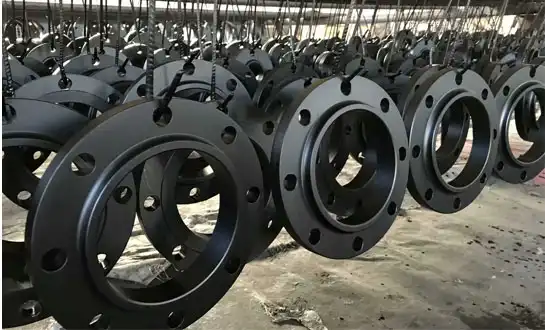
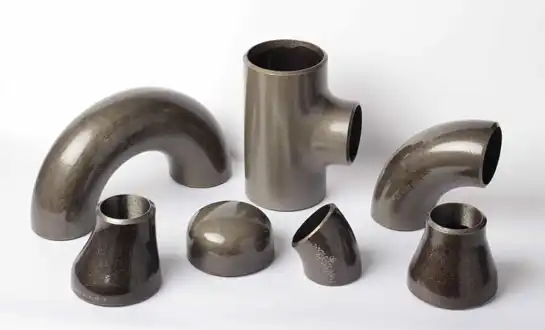
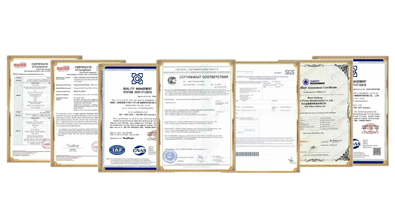
RAYOUNG is a premier manufacturer and trusted supplier of premium black steel pipes and certified carbon steel products, fully engineered to meet Peru's strict construction and seismic standards.Our large collection includes a wide range of pipe fittings, buttweld steel elbows, reducers, and flanges that make sure all project connections are safe. Our export compliance is confirmed by GOST-R and SGS inspection and testing reports, and our quality management systems are certified to ISO 9001:2015. This gives procurement professionals the confidence they need. Email our knowledgeable staff at info@hb-steel.com to talk about your unique needs and get competitive quotes for your next building job.
References
1. American Society for Testing and Materials. "ASTM A53 Standard Specification for Pipe, Steel, Black and Hot-Dipped, Zinc-Coated, Welded and Seamless." Materials Testing Standards, 2022.
2. National Association of Corrosion Engineers. "Corrosion Control for Steel Piping in Coastal Construction Environments." NACE International Guidelines, 2023.
3. Peru Construction Industry Association. "Material Procurement Best Practices for Large-Scale Infrastructure Projects." Industry Standards Publication, 2023.
4. International Building Code Council. "Steel Piping Installation Requirements for Seismic Regions." Structural Engineering Standards, 2022.
5. Latin American Steel Institute. "Carbon Steel Pipe Market Analysis and Performance Characteristics in Construction Applications." Regional Industry Report, 2023.

Need a quote? Want to see samples? Just say hello. We’re friendly. We’re fast. And we’re ready when you are.
Welcome to RAYOUNG – Strong Pipes, Stronger Promise