Butt Weld Fittings vs Threaded Fittings — Quick Guide
When looking at the choice of butt-weld vs threaded fittings for different ways to connect pipes, the decision between butt-weld and threaded joints is a big one that affects the safety, cost, and long-term performance of the job. Butt weld fittings use circumferential welding to make strong, lasting links. This makes them perfect for high-pressure situations and tough industrial settings. Threaded fittings have links that can be taken off and put on more quickly. They are good for lower-pressure systems and places where repair needs to be done on a regular basis. When procurement workers understand these basic differences, they can choose the type that best fits their business needs.
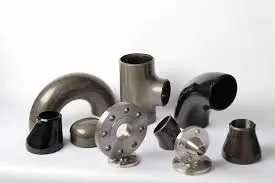
Understanding Butt Weld and Threaded Fittings
The main difference between these two types of fittings is how they join and how well they work as a result. Based on the pressure needs, installation limitations, and operating needs, each method meets a different set of industry needs.
What Are Butt Weld Fittings?
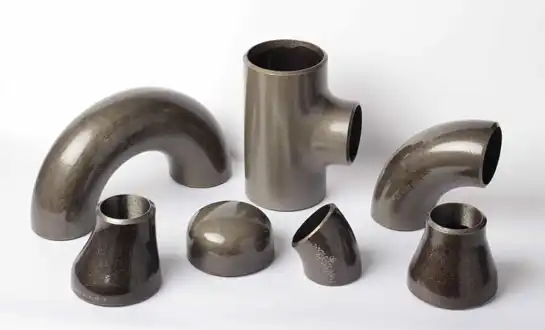
Butt welds connect pipes by welding their bevelled ends together. This makes a connection that is flush with the pipes that are joined and keeps the same wall thickness. It takes trained welders to make sure that the penetration welds on these parts meet ASME B16.9 standards. The process of welding turns metal into a single piece that doesn't have any weak spots or potential leak paths. Common types of butt weld fittings are elbows, which change the direction of flow, tees, which branch off, reducers, which change the size, and caps, which end the pipe.
Carbon steel, stainless steel grades 304 and 316, and other metals may be used in manufacturing, based on the conditions of use. The angled end design makes it easier to weld all the way through, which makes sure that the joint strength is the same as or higher than the base pipe material. Butt weld links are very important for pipeline systems in industries like petrochemical processing, power generation, and offshore oil and gas platforms.
Understanding Threaded Pipe Fittings
Threaded fittings connect pipes by having mechanical threads cut into both the fitting and the pipe ends. This means that they can be put together without the need for welding tools. These links meet the requirements of ASME B1.20.1 for pipe threads and have joints that can be taken off for easy repair. Threading makes links between male and female parts that are sealed by thread contact. For leak-tight assembly, pipe sealant or tape is often needed.
Basic tools like pipe wrenches and thread cutting tools are all that are needed for installation. This means that technicians who are not certified welders can use threaded connections. Elbows, tees, reducers, unions, and couplings are some common threaded fitting designs. They are typically used for standard pipe sizes of 2 inches or smaller, and in some cases up to 4 inches in diameter. When it comes to building services, instrumentation lines, and temporary installs where being able to take things apart is useful, these fittings are the best.
Carbon steel, stainless steel, brass, and other special metals can be used as materials, and the thread forms can be made to very tight tolerances. For the mechanical link to work, the thread contact depth and the right amount of sealant must be used.
Comparing Butt Weld Fittings and Threaded Fittings
The performance features of butt-welded vs threaded fittings show big differences that affect how they are chosen for commercial uses. Knowing these differences helps procurement teams ensure that the right choice meets the needs of the project.
Pressure and Temperature Capabilities
Butt weld joints work great in places with a lot of pressure and heat because the metal is continuous and the welds go all the way through. Usually, these joints can handle very high temperatures and pressures depending on the pipe material, wall thickness, and system design, often exceeding 1000°F in high-temperature applications. Because the link is welded, there are no pressure-bearing threads that could break in harsh circumstances.
Threaded joints are generally used in low to moderate pressure systems, typically below 1500 PSI depending on pipe size and material grade. There are temperature limits because the male and female threads expand and contract at different rates, which can lead to galling or seizure at high temperatures. For effective sealing, threaded parts are usually recommended for moderate temperature ranges, as high temperatures can affect thread sealing and cause galling or leakage.
Installation Requirements and Costs
There are big differences in how hard these different types of connections are to install, which affects both the cost of work and the time it takes to finish a job. For butt weld installation, you need trained welders, welding tools, and ways to check the work after the weld is done. Each part needs to be bevelled, fit up, welded, and maybe even heated, based on the requirements of the material. Even though the initial installation costs are higher, there are no more upkeep costs in the future.
With simple hand tools and pipe tightening equipment, installing a threaded fitting goes quickly. In order to put something together, the threads must be cut, cleaned, sealed, and then mechanically tightened to the required torque values. Less skilled work is needed, which lowers the cost of installation. However, regular upkeep may raise the cost over the life of the product.
Corrosion Resistance and Flow Characteristics
Butt weld joints are better at resisting rust because they have a straight internal bore and no cracks where corrosive media could gather. The flush internal shape keeps the flow characteristics constant and reduces the pressure drop that happens at joints. This smooth form stops turbulence that could speed up erosion in high-speed situations.
When two threaded connections are made, they leave small gaps inside where the threads meet. This is where corrosive substances can gather, which could cause localised rusting. There are also flow limits and turbulence caused by the thread shape, which raises the pressure drop and energy use. When used in toxic environments or high-flow systems, these factors become even more important.
Application Scenarios and Decision-Making Criteria
When deciding between butt weld and threaded joints, you need to carefully look at how they will be used, how much upkeep they will need, and how much they will cost. Depending on the specifics of the programme, each type of link has its own benefits.
When to Choose Butt Weld Fittings?
Butt weld fittings are the best choice for long-term setups that will be used in tough circumstances. Welded joints are stronger and more reliable, which is why they are used for high-pressure steam lines, chemical processing equipment, and pipes on offshore platforms. Large-diameter pipe systems, usually bigger than 4 inches, use butt weld joints because threads are hard to make and need to be able to handle pressure.
Nuclear power plants, factories, and other places with important safety systems require butt weld links instead of threaded joints because they don't have the same failure modes. Because it is solid, it can be used in places where taking it apart isn't needed or wanted, like underground pipes or building systems that are built in.
Butt weld connections are used in process industries that work with corrosive chemicals, high-temperature fluids, or erosive slurries to keep systems from leaking and to keep them in good shape. The smooth hole shape makes it easier to clean and reduces fouling in clean environments like pharmaceutical manufacturing.
Optimal Threaded Fitting Applications
Threaded connections work great for building services, instrumentation systems, and other uses that need to be taken apart from time to time for repair or review. Threaded fittings are often used in HVAC systems, compressed air distribution networks, and water supply networks because they are easy to install and maintain.
Threaded connections are often used for small diameter pipe systems (2 inches or less) because welding can be hard and expensive. Threaded joints are useful for instrument connections, sample lines, and control system pipes because they can be taken apart.
Threaded fittings are used in temporary installations, pilot plant equipment, and test systems because they can be quickly assembled and easily modified. When changing tools or upgrading systems, maintenance shops and repair shops like threaded links best.
Procurement Decision Matrix
To make the right choice for a fitting, you have to weigh a lot of things, like the original cost, the installation requirements, the working conditions, and the maintenance needs. Butt weld connections work best for high-pressure systems with more than 1500 PSI, while threaded fittings can work well for moderate-pressure systems with less than 600 PSI.
When trained welders are not available, threaded fittings can be installed more quickly because they don't require as much welding. When making a budget, it's important to think about both the initial cost of fittings and the amount of work needed to install them. For smaller jobs, threaded connections often have lower total installation costs.
When evaluating long-term reliability, butt-weld joints are significantly better at withstanding wear and corrosion in harsh environments subject to extreme temperature fluctuations, heavy vibration, and corrosive atmospheres.When equipment needs to be taken apart every so often for service, maintenance accessibility standards may take precedence over other factors.
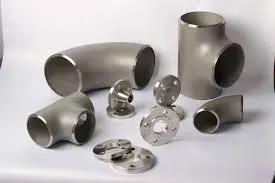
Top Brands and Trusted Suppliers of Butt Weld and Threaded Fittings
To get quality products, you need to work with makers who keep their production standards high and give you all the licensing paperwork. Leading sellers in the industry offer a wide range of products that have been checked to make sure they meet international standards.
Certification and Quality Standards
Manufacturers of quality fittings keep certificates like ISO 9001:2015 quality management systems, ASME pressure vessel codes, and API requirements for use in the oil and gas business. Material test certificates (MTCs) prove the chemical make-up and mechanical properties of each production lot. This makes sure that the products can be tracked and that the quality is high.
Third-party testing companies like SGS, Bureau Veritas, and Lloyd's Register check the producing process and make sure the product meets standards. When projects need recorded quality processes and material traceability, these certifications become even more important.
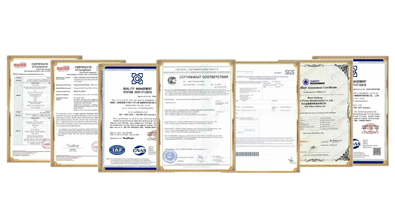
RAYOUNG maintains GOST-R certification and SGS inspection reports to demonstrate compliance with international quality standards. Our ISO 9001:2015 certification makes sure that all of our production sites use the same manufacturing methods and practices for ongoing growth.
Supplier Selection Criteria
Reliable providers give a wide range of professional support, such as help with application engineering and the ability to make things to order. The fact that standard sizes and materials are in stock helps keep projects on schedule, and the fact that shipping choices are flexible lets people meet urgent needs.
After-sales help includes things like guarantee coverage, technology troubleshooting, and making sure that replacement parts are always available for products. Supplier ties that have been in place for a while offer consistent levels of price, quality, and service, which lowers the risks of buying and the costs of administration.
While shipping costs and delivery times are influenced by geographic proximity, for critical industrial applications, exceptional quality and reliable service should always take precedence over mere location.
Suppliers whose finances are stable can guarantee that parts will always be available and that warranties will be honoured for longer periods of time.
Conclusion
The choice between butt weld and threaded fittings is mainly based on the needs of the application, the working conditions, and the limitations of the project. Butt weld joints work better for fixed, high-pressure systems that need to be as reliable and resistant to corrosion as possible. For low-pressure situations where removable connections are useful, threaded fittings offer installation freedom and easy servicing access. For buying to go well, pressure ratings, installation options, lifetime costs, and upkeep needs must all be weighed against the needs of the project. When you understand these trade-offs, you can make smart decisions that improve system performance while still meeting budget and plan goals.
FAQ
1. Which connection type handles higher pressures more effectively?
When it comes to high-pressure situations, butt weld joints work much better than threaded links. Because the metal is continuous and the welds go all the way through, welded parts can handle pressures higher than 6000 PSI. Most of the time, threaded connections can only be used at pressures of 3000 PSI or less because the way they contact causes stress concentrations that can break under very high pressure.
2. What are the main cost differences between these fitting types?
When it comes to initial fitting costs, threaded joints are better because they require less material preparation and manufacturing complexity. Butt weld fittings, on the other hand, usually offer better lifetime value because they need less upkeep and last longer. The costs of installation are very different. Threaded connections only need basic tools, while butt-weld connections need qualified welders and special tools.
3. Can threaded fittings be used in corrosive environments?
Threaded fittings are generally not recommended for highly corrosive environments because corrosive media can accumulate in thread gaps and increase the risk of localized corrosion. Localised rusting can happen in these places, which could weaken the joint. Butt weld joints are better at resisting rust because their internal geometry is smooth and free of cracks.
4. Which installation method requires less skilled labour?
Using basic pipe-fitting tools and standard threading equipment, installing a threaded fitting doesn't require nearly as much specialised skill. Most repair workers don't need much training to be able to make threaded connections. Installing a butt weld requires qualified welders, the right beveling tools, and inspection steps after the weld is complete, all of which raise the cost and skill level of the work.
Partner with RAYOUNG for Premium Pipe Fitting Solutions
RAYOUNG is a premier manufacturer and supplier of both high-quality butt-weld and threaded fittings, offering certified products that strictly meet the highest industry standards. We offer a wide range of products, such as butt weld steel elbows, steel reducers, and flanges that are made to ASME B16.9 standards and come with full quality paperwork and material tracking. Our ISO 9001:2015-certified facilities make sure that the quality of our work is always the same and that your project runs smoothly, whether it needs high-pressure butt weld connections for important systems or threaded fittings for easy access to repair systems. Contact our engineering team at info@hb-steel.com to discuss your specific requirements and receive tailored piping solutions that maximize system performance while strictly adhering to your project's budget and timeline.
References
1. American Society of Mechanical Engineers. "ASME B16.9 - Factory-Made Wrought Buttwelding Fittings." ASME International Standards, 2018.
2. American Society of Mechanical Engineers. "ASME B16.11 - Forged Fittings, Socket-Welding and Threaded." ASME International Standards, 2016.
3. Nayyar, Mohinder L. "Piping Handbook." 8th Edition, McGraw-Hill Professional, 2019.
4. Singh, Karan. "Industrial Pipeline Engineering and Construction." Academic Press, 2020.
5. American Petroleum Institute. "API 570 - Piping Inspection Code: In-Service Inspection, Rating, Repair, and Alteration of Piping Systems." API Publishing Services, 2016.
6. Kannappan, Sam. "Introduction to Pipe Stress Analysis." John Wiley & Sons, 2018.

Need a quote? Want to see samples? Just say hello. We’re friendly. We’re fast. And we’re ready when you are.
Welcome to RAYOUNG – Strong Pipes, Stronger Promise