Guide to International Pipe Standards for Buyers
Understanding international pipe standards is crucial for global procurement because these standards ensure consistent product quality, enforce strict safety regulations, and guarantee that pipes perform reliably across a wide range of industrial settings. These pipe standards set clear requirements that make it easy for different suppliers to work together, lower project risks, and make sure that regulations are followed in many markets. When dealing with foreign standards, it's important to think about a lot of different things that can affect the success of a project and how well it runs in the long run, whether you're in charge of big building projects or looking for parts for factories.
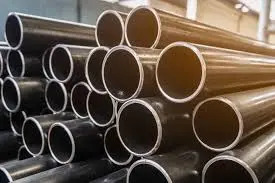
Understanding International Pipe Standards: An Overview
International pipe standards are a set of rules that are meant to make sure that safety, quality, and accuracy are maintained throughout the world's supply lines. These standards are the foundation of modern industry. They set exact rules for buyers and makers to follow when it comes to materials, sizes, testing methods, and performance expectations.
Key Organizations Governing Pipe Standards
Several important groups have a hand in shaping international pipe standards. They each bring their own unique ideas and local knowledge to the table. The International Organization for Standardization (ISO) sets guidelines that are used as starting points in many different businesses and parts of the world. The American Society for Testing and Materials (ASTM) and the American Society of Mechanical Engineers (ASME) develop widely adopted standards for North American markets through strict testing methods and comprehensive engineering specifications. They do this by enforcing strict testing methods and thorough standards that put safety and performance in harsh conditions at the top of their lists. The German Institute for Standardization (DIN) develops German national standards, while most European markets follow EN (European Norms) developed by CEN. These standards stress precise engineering and environmental concerns. Asian markets are affected by the Japanese Industrial Standards (JIS) system developed by the Japanese Industrial Standards Committee (JISC), which often include cutting-edge materials science and production methods. Knowing about these differences between organizations helps procurement pros make sure that their buying plans match the needs of the area and the abilities of the suppliers.
Essential Dimensions Covered by International Standards
Today's pipe standards cover a multitude of critical factors that have a direct effect on how well the product performs and how smoothly the installation process goes. Material specs spell out the chemical makeup, mechanical properties, and metallurgical requirements that make sure pipes can handle the situations they are meant to work in. Dimensional limits set exact measures for diameter, wall thickness, length, and other physical traits that affect how well a system works with other systems and how it is installed. Another important part is the pressure ratings, which list the highest working pressures and safety factors that keep catastrophic breakdowns from happening. Testing and certification requirements spell out quality control steps, paperwork standards, and third-party checking methods that show that the set requirements are being met.
How to Choose the Right Pipe Standard for Your Project
To choose the right pipe standards, you need to carefully look at the needs of the project, the rules that apply, and the supplier's skills. Before making a choice, it's important to carefully look at the working conditions. This includes the temperature ranges, pressure needs, chemical exposure, and external factors that affect the choice of material and the expected performance.
Industry Context and Regulatory Requirements
Standard selection is affected by the specific needs of each industry. For oil and gas uses, standards usually need to cover high-pressure activities, environments that corrode, and big changes in temperature. Water treatment plants put an emphasis on standards that protect public health and last for a long time when they are used continuously. Power generation projects need standards that can handle thermal cycles, vibration protection, and the hope of a long service life. Regulatory compliance adds another level of difficulty, since different areas have different rules about quality control, safety, and protecting the environment. Knowing the rules in your area can help you avoid delays that cost a lot of money and make sure that the approval process for your project goes easily.
Material Compatibility and Certification Recognition
Material suitability is an important factor that affects both the success of the installation and the performance of the system in the long run. Pipes made of carbon steel, options to stainless steel, and special metals all have their own benefits when used in different situations. When choosing, you have to think about how well it resists rust, how it expands and contracts at different temperatures, and how strong it needs to be for the job. Different markets have very different standards for certification, so it's important to make sure that the standards you choose are accepted in the places you want to do business. For some projects, getting more than one approval is needed to make sure they are legal across foreign borders or in different regulatory areas.
Key Differences Among Major International Pipe Standards
Knowing the differences between the most important foreign standards helps you make smart choices and avoid making mistakes that cost a lot of money. Different engineering philosophies, regional preferences, and industry-specific needs all heavily influence how piping designs are formulated and how systems are ultimately assembled.
ISO Standards: Global Baseline Requirements
ISO standards set requirements that are accepted all over the world and are used as a starting point for projects involving multiple countries and trade between those countries. These guidelines stress that different areas should be able to work together, but they also leave room for local adaptations. ISO pipe specifications typically include comprehensive safety requirements, dimensional guidelines, and performance standards applicable across multiple international markets. Because ISO standards are used all over the world, they are especially useful for projects that need to work with many sources from different countries or for uses that need to be accepted by many countries. However, ISO guidelines don't always give as much information as regionally specific options, so for more complicated uses, you may need to add more details.
ASTM and ASME: North American Precision
North American standards, especially ASTM and ASME guidelines, are known for having strict quality requirements and thorough testing plans. These standards usually include strict rules about the properties of the materials, long testing methods, and thorough rules for writing things down. These make sure that the quality and performance are always the same. ASME standards focus on design criteria, pressure piping codes, safety factors, and operational requirements for pressure systems. When you put these standards together, you get a strong framework that can support high-stakes industrial projects and apps that are important for key infrastructure.
Regional Preferences and Compatibility Challenges
European EN standards (including DIN EN in Germany) put a lot of weight on precise engineering and caring for the environment. They often include modern materials science and environmentally friendly ways of making things. Japanese JIS standards often include cutting-edge technology and quality control methods that show how committed the area is to making the best products. To make sure that different standard systems can work together, you need to pay close attention to changes in size, material properties, and testing requirements. There are tools and guides for converting between standards that can help close these gaps, but they need to be used correctly and with care.
Best Practices for Procuring Pipes According to International Standards
To successfully purchase things according to foreign standards, you need to use organized methods that avoid common problems and make sure you follow the rules.Technical requirements, budget constraints, and delivery timelines must all be carefully balanced during the procurement process, while ensuring that the highest quality and safety standards are consistently met.
Common Procurement Pitfalls and Prevention Strategies
One of the most common problems in buying is unclear specifications, which can cause delivery delays, quality problems, and expensive repair needs. Clear specifications, including specific standards, dimensional requirements, and testing methods, help avoid confusion and make sure providers deliver goods that meet requirements. If you don't check out your suppliers well enough, you could end up with quality issues, shipping delays, and safety issues that hurt the success of your project. Verification of certifications, facility audits, quality system reviews, and reference checks that confirm skills and track records should all be part of thorough source evaluation processes.
Verification and Quality Assurance Procedures
For quality assurance to work, there must be a lot of paperwork. This paperwork should include test results on materials, records of measurements, and certifications that show the product meets certain standards. Third-party inspection services are useful for high-value or important uses because they provide independent confirmation of product quality and standard compliance. Setting clear acceptance criteria, inspection processes, and documentation needs helps keep disagreements at bay and makes sure that goods provided meet standards. Regular audits of suppliers and ongoing performance tracking help with long-term relationship growth and continuous improvement.
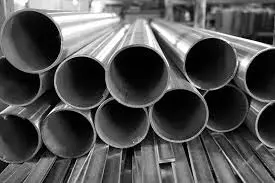
Trends and Innovations Impacting International Pipe Standards
The development of pipe standards is constantly affected by changes in industrial needs and technological advances. These changes offer chances for better performance while posing problems for old methods. Knowing about new trends helps procurement workers guess what the needs of the future will be and choose sellers who can meet those needs.
Advanced Materials and Environmental Considerations
Environmental sustainability has a bigger effect on standard development, which leads to the use of products and methods that have less of an effect on the environment while still meeting performance standards. Instead of traditional materials, advanced composite materials offer improved corrosion resistance and reduced weight in certain applications, though performance depends on operating conditions and design requirements. Using sensors, monitoring tools, and features that can predict when repairs need to be done, smart pipe technologies are new possibilities that need new standards and evaluation criteria. These new ideas might have benefits, such as lower upkeep costs, better safety tracking, and more efficient operations.
Digital Traceability and Quality Assurance
Digital technologies make it easier to track things and keep good records, which makes it easier to make sure that rules are followed and helps with strategies for planned maintenance. Blockchain-based certification systems are being explored to improve document traceability and verification in some supply chains. Working together in professional groups and standards boards helps decide what the future needs and makes sure that new rules take into account problems that come up when they are put into practice. By actively participating in these groups, you can learn about new trends and make connections with stars in your field.
Conclusion
International pipe standards are what make global buying work. They make sure that quality, safety, and compatibility are met in a wide range of markets and uses. Procurement professionals can make smart choices that reduce risks and increase project success by staying up to date on new trends, understanding the differences between standard systems, and putting in place strong procurement processes. Due to the complexity of current standards, procurement professionals need to keep learning and work with experienced suppliers who have a lot of knowledge and a deep understanding of technical specifications and regulatory requirements.
FAQ
1. What are the main ways that ISO and ASTM pipe standards are different?
ISO standards provide internationally accepted requirements that are known and accepted all over the world. They stress international compatibility and wide acceptance across many areas. ASTM standards have more specific requirements, including thorough testing methods and strict quality standards that are popular in North American markets. Which of these standards to use relies on where the project is located, what the rules are, and what the success factors are.
2. How can I verify supplier compliance with international pipe standards?
To make sure a supplier is following the rules, a lot of paperwork needs to be looked over. This includes material test certificates, measurement inspection reports, and third-party certification papers. Facility audits, quality system reviews, and reference checks are some of the other ways that suppliers' skills and track records can be checked. Working with approved testing labs and certification groups ensures that promises of compliance are checked by a third party.
3. Which pipe standards work best for uses that need high pressure?
Standards that focus on material strength, testing thoroughness, and safety are usually needed for high-pressure uses. Because they include so many safety rules and design factors, ASME standards such as ASME B31 and ASME Boiler and Pressure Vessel Code (BPVC) are widely used for high-pressure applications. The choice of which standard to use relies on the working conditions, the fluid's properties, and the rules in the target market.
Partner with RAYOUNG for Standards-Compliant Pipe Solutions
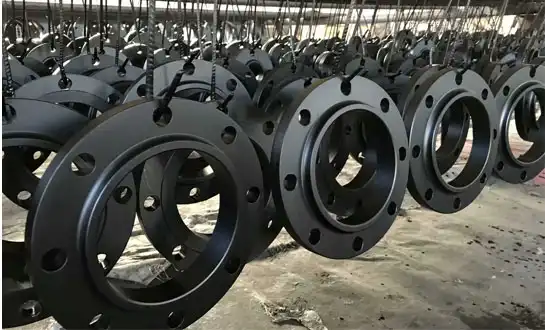
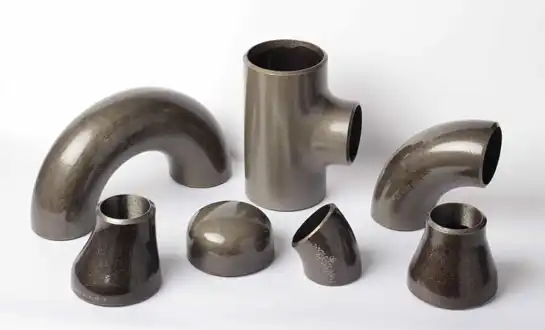
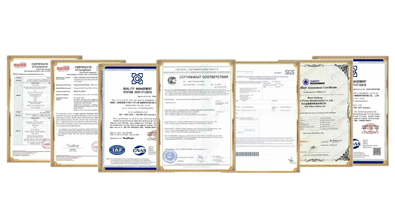
RAYOUNG is a highly reliable manufacturer providing premium industrial piping solutions that strictly comply with major international pipe standards. They offer approved industrial pipe solutions that meet strict international standards, such as ISO 9001:2015, GOST-R, and SGS inspection and certification services. Our wide range of products includes buttweld steel elbows, steel reducers, and flanges that are made to make connections safely in tough situations. We have a lot of experience making carbon steel pipes and have worked with customers all over the world. We offer individual technical support that helps you understand complicated standard requirements and makes sure your project succeeds. Email our team at info@hb-steel.com to talk about your unique needs and find out how our certified solutions can help you reach your buying goals.
References
1. American Society for Testing and Materials. "ASTM A106 Standard Specification for Seamless Carbon Steel Pipe for High-Temperature Service." ASTM International Standards Manual, 2023.
2. International Organization for Standardization. "Steel Tubes for Pressure Purposes - Technical Delivery Conditions." ISO Technical Specifications Handbook, 2023.
3. American Society of Mechanical Engineers. "Process Piping Code for Pressure Piping Systems." ASME Engineering Standards Publication, 2022.
4. Deutsches Institut für Normung. "DIN EN standards for steel pipes and fittings in industrial applications." DIN Technical Documentation Series, 2023.
5. Japanese Industrial Standards Committee. "Carbon Steel Pipes for General Structural Purposes." JIS Engineering Standards Compendium, 2022.

Need a quote? Want to see samples? Just say hello. We’re friendly. We’re fast. And we’re ready when you are.
Welcome to RAYOUNG – Strong Pipes, Stronger Promise