Seamless Pipe Sourcing Tips for Kazakhstan Buyers
When looking for seamless pipe options for Kazakhstan's tough industrial setting, procurement workers have to find the best balance between quality, compliance, and cost-effectiveness. The country's growing building projects and strong oil and gas industry need high-quality pipe systems that can handle harsh circumstances and meet international standards. For good procurement outcomes that reduce project risks and ensure long-term operating reliability, it becomes necessary to understand how the local market works, what suppliers can do, and what the rules say.
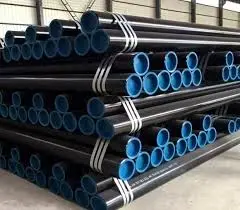
Understanding Seamless Pipes and Their Advantages
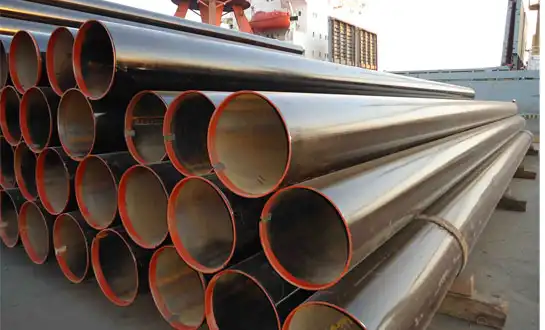
In the plumbing business, seamless pipes are the best. They are made from solid round steel billets that are heated and pierced, then rolled and sized through a continuous hot-forming process. Because of this one-of-a-kind way of making pipes, they don't have any welded seams or joins, so they have better structural stability and performance than pipes that are welded.
Manufacturing Process and Quality Benefits
To make a seamless pipe, first, a cylinder-shaped steel bar is heated to very high temperatures. Then, a piercing mandrel is inserted into the billet to create a hollow tube. The cylinder is then sized by special rollers to exact diameter and wall thickness requirements. This continuous forming process reduces the risk of weld-related defects and provides uniform material properties throughout the pipe. This makes the material properties the same all the way through the pipe structure. Because they can withstand a lot of pressure, industrial seamless carbon steel pipes are perfect for use in Kazakhstan's oil and gas facilities and chemical processing plants, which are under a lot of it. Since there are no bonded seams, there are no possible weak spots that could make the system less safe or cause expensive downtime in important operations.
Material Options and Industry Applications
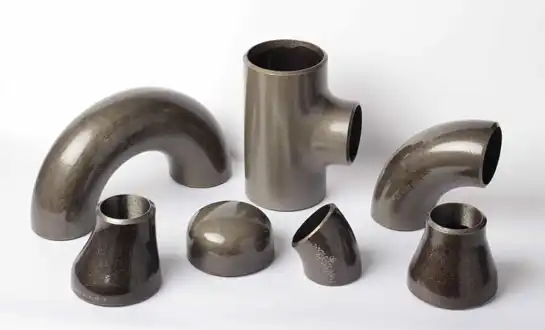
You can get seamless pipes made of carbon steel, stainless steel, and special metal combinations, among other materials. Different types of carbon steel offer great strength-to-cost ratios for general industrial uses, while different types of stainless steel offer better corrosion protection for chemical processing settings. When temperatures and pressures are very high, like they are in Kazakhstan's energy field, alloy steel seamless pipes work better. When you use seamless manufacturing, you get accurate measurements and stability that make it easy to connect pipe fittings and joints. When integrating with complex piping systems that require tight tolerances and leak-proof performance, this level of accuracy becomes very important.
Critical Factors to Consider When Sourcing Seamless Pipes in Kazakhstan
Buying seamless pipes in Kazakhstan is a process that involves a lot of different things that all affect the overall success of the project and how well it runs. When buying, teams understand these important factors, and they can make better choices and avoid common sourcing mistakes.
Supplier Certification and Quality Standards
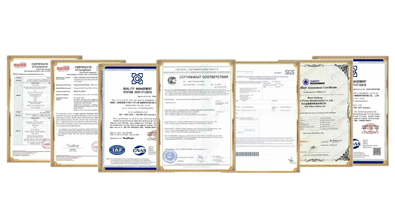
When looking at possible providers, it's important to carefully check their certifications, production skills, and compliance with international quality standards. Manufacturers with a good reputation keep licenses like ISO 9001:2015, EAC certification, and GOST standards compliance for Eurasian regional markets, and approvals specific to their business, like API and ASTM standards. With these certifications, you can be sure that the quality control methods and production are always top-notch. Audits of production facilities and reviews of quality paperwork help make sure that suppliers can do what they say they can do and are reliable. Companies that have been around for a while usually have complete quality control systems with written steps for trying materials, checking dimensions, and making sure they work right. This paperwork is needed to make sure the job is legal and to lower the risk.
Material Specification and Application Matching
For the right material to be chosen, the application needs, working conditions, and performance standards must all be fully understood. In general manufacturing settings where strength and low cost are important, carbon steel seamless pipes work very well. Stainless steel types are better at resisting rust in chemical processes and food-grade settings. Specialized metal compositions are used in places with high temperatures, high pressures, or conditions that cause rust. Processes for heat treatment have a big effect on how well pipes work. Different states, such as normalized, annealed, or quenched and tempered, provide different mechanical properties suitable for specific applications that are better for certain uses. Understanding these differences helps make sure that the right material is chosen for the job.
Logistics and Import Considerations
Kazakhstan's landlocked geographic position creates transportation challenges that need to be carefully planned and coordinated. Learning about customs rules, the paperwork needed, and how to import things can help you avoid delays and extra costs. Suppliers with a lot of experience usually offer full transportation support, which includes making sure all the paperwork is in order and working with local customs officials. How the goods are shipped and how they need to be packaged affect when they arrive and how they are packaged. Taking the right safety precautions during shipping ensures that pipes don't come damaged or contaminated, which could affect their performance or require expensive repairs.
Comparing Seamless Pipes with Alternatives: Making the Right Decision
Knowing the differences in performance between seamless pipes and other options helps you make smart purchasing choices that meet performance needs while staying within your budget. Each type of pipe has its own benefits that make it better for certain uses and situations.
Seamless vs. Welded Pipe Performance
Since seamless pipes don't have any welded seams, they work better in high-pressure situations because their structure is more regular. The process of continuous material creation makes the wall thickness and mechanical qualities the same all the way along the pipe. In serious situations, this uniformity means higher pressure levels and bigger safety gaps. In low-pressure situations where smooth efficiency is not necessary, welded pipes are cheaper than seamless pipes. But the welded joint could be a weak spot that limits the pressure capacity or calls for more checking and maintenance procedures.
ERW Pipes and Cost Considerations
Electric Resistance Welded (ERW) pipes are a cheap way to solve certain problems where low-pressure levels are enough. The ERW method of making welds is effective and can be used in many industrial settings, but it can't handle as much pressure as seamless manufacturing methods. When you do a cost analysis, you should look at more than just the original buy price. You should also think about how much it will cost to install, maintain, and fix in the future. Seamless pipes usually pay for themselves over time because they don't need as much upkeep and last longer in tough situations.
Application-Specific Selection Criteria
Kazakhstan's main businesses each have their own specific needs that affect the best pipe choice. Due to their better pressure resistance and dependability in important systems, seamless pipe is frequently used in oil and gas applications. In construction projects, both smooth and welded pipes may be used, based on the needs of the job and the required pressure. Chemical processing plants can use seamless pipes made of stainless steel because they don't rust and keep their shape even when the temperature and pressure change. Power plants need pipes that can safely handle systems with high temperatures of water and steam.
How to Identify and Partner with Reliable Seamless Pipe Suppliers
Successful tactics for buying seamless pipes start with building relationships with reliable providers. Reliable providers offer stable quality, expert support, and quick service that helps projects succeed and operations run smoothly.
Supplier Evaluation and Selection Process
A full study of a supplier starts with looking at their production capability, quality certifications, and ability to make things. Companies that have been around for a while usually have modern factories with advanced quality control systems for seamless pipe production, and technical teams with a lot of experience. Assessing suppliers' production ability makes sure they can meet project deadlines and number needs without lowering quality. Case studies and reference projects are great ways to learn about how well and how reliably a provider does their job. Successful sellers are happy to share examples of similar projects they've worked on and customer reviews that show what they can do and how committed they are to making customers happy. Talking to past customers directly gives you an unbiased view of how well a provider does and how good their service is.
Quality Assurance and Testing Capabilities
Tough quality control programs tell the difference between providers whose goods are reliable and those whose aren't. Dimensional proof, mechanical property testing, non-destructive examination, and chemical makeup analysis are all types of tests that can be done in a complete way. These testing procedures make sure that goods meet certain standards and requirements. Documentation and traceability tools make it possible to see the whole history of a product, from where the raw materials came from to the final review. This paperwork is necessary to make sure the job is completed correctly, to guarantee claims, and to check the quality of the work. Suppliers who have strong paperwork systems show that they care about quality and customer service.
Technical Support and Customization Services
The ability to provide technical help has an effect on the success of a project and how quickly problems are solved. Engineers from experienced providers can help with choosing materials, making sure applications work best, and fixing problems. Having this professional knowledge is helpful when planning and carrying out a job. When providers can customize their products, they can make solutions that fit the needs of a particular project. For special uses, it's often necessary to have custom sizes, special types of materials, and different specs. Suppliers who can make things in a variety of ways can meet these specific needs while still meeting quality standards.
Optimizing Procurement Process and Reducing Risks in Kazakhstan
Strategies for optimizing buying that work well reduce risks while increasing value and streamlining operations. Understanding common problems and using tried-and-true ways to lower risks can help you achieve success and keep suppliers for a long time.
Common Sourcing Pitfalls and Prevention Strategies
One of the most frequent and expensive mistakes in buying is making mistakes with the material specifications. Picking the wrong grade, not having enough pressure ratings, or using the wrong material can cause it to fail early or cause safety issues. These mistakes can be avoided by carefully looking over the application and getting expert advice. During the buying process, there are often hidden costs that come up, such as extra fees for transportation, customs taxes, or inspections. A full cost study should include all costs so that you can make accurate budget plans and compare suppliers. Suppliers with a lot of experience set prices that are clear and include all possible fees.
Quality Control and Inspection Protocols
Using strict inspection protocols guards against low-quality goods and makes sure that project requirements are met. Before products leave factories, they are inspected to make sure they are the right size, have proper surface condition, and meet mechanical property requirements. This proactive method stops transportation problems and delays that cost a lot of money. Receiving inspection processes are the last check of a product's quality and state. Visual inspections, measurements, and a study of the paperwork make sure that the goods meet the requirements and get there undamaged. Setting clear criteria for acceptance and processes for refusal protects buyer interests and keeps suppliers accountable.
Digital Tools and Supply Chain Management
Modern tools for buying and tracking systems make the whole sourcing process more open and efficient. Tools for managing documents, tracking orders in real time, and communicating make it easier for buyers and sellers to work together. These digital solutions cut down on mistakes made by hand while also speeding up responses and making decisions. Supply chain awareness tools help keep an eye on how production is going, how shipments are going, and when deliveries are due. This level of insight lets managers be aware of possible delays or problems ahead of time, which helps keep projects on schedule. More advanced platforms can connect to current procurement systems and make the process more seamless.
Conclusion
To buy seamless pipes in Kazakhstan successfully, you have to find a balance between technical needs, quality standards, and cost, all while dealing with complicated processes and relationships with suppliers. Knowing how things are made, the different materials that can be used, and what the application needs helps you make smart decisions that lead to project success and reliable operations. Long-term procurement success depends on working with certified sellers who consistently show high quality, professional know-how, and quick service. Using thorough evaluation methods, quality control routines, and risk reduction strategies can help make sure the best results while reducing the chances of problems and delays.
FAQ
1. What are typical delivery timelines for seamless pipe imports to Kazakhstan?
Delivery times are typically between 4 and 10 weeks, depending on production time, transportation method, and customs clearance. Standard sizes and popular materials tend to ship faster than custom specs that need to be made especially for you. When shipping big items, ocean freight is the most cost-effective choice, but it takes longer to get to its destination than faster air freight options.
2. How can buyers be sure that a seamless pipe is real and of good quality?
To check the quality, you have to look at mill test records, inspection reports from a third party, and paperwork that shows how the materials were made. Dimensional checks, surface condition assessments, and written certifications should all be part of a physical exam. Suppliers with a good reputation give a lot of paperwork, like certificates of compliance and analyses of the chemical makeup and mechanical properties.
3. What customization options are available for industry-specific requirements?
Customization choices include different sizes, different types of materials, stricter testing rules, and unique coats or treatments. Many makers can meet specific length needs, wall thicknesses that aren't standard, and material types that are best for a certain purpose. Advanced production techniques allow for custom solutions that meet specific operating needs while still meeting quality standards.
Partner with RAYOUNG for Superior Seamless Pipe Solutions
As a premier seamless pipe manufacturer, RAYOUNG delivers high-quality, precision-engineered industrial piping solutions specifically designed to meet the rigorous demands of the Kazakhstan market.Our wide range of products includes industrial seamless carbon steel pipes, precision-engineered pipe fittings, and other parts that go with them. All of these products are backed by ISO 9001:2015 approval and strict quality control procedures. Backed by GOST-R certification and comprehensive SGS inspection reports to ensure full export compliance, we provide robust supply chain solutions that minimize project risks and guarantee on-time delivery. Get in touch with our knowledgeable staff at info@hb-steel.com to find out how our experience making seamless pipes can help your next project with reasonable prices, expert advice, and on-time delivery all over Kazakhstan's industrial landscape.
References
1. International Organization for Standardization. "Steel Pipes and Fittings Manufacturing Standards and Quality Requirements." Geneva: ISO Publications, 2023.
2. Kazakhstan Ministry of Industry and Infrastructure Development. "Industrial Procurement Guidelines for Oil and Gas Sector Projects." Nur-Sultan: Government Publishing Office, 2022.
3. American Society for Testing and Materials. "ASTM A106/A53/A333 Standard Specifications for Seamless Carbon Steel Pipes." West Conshohocken: ASTM International, 2023.
4. Central Asian Industrial Development Association. "Regional Supply Chain Management and Logistics Best Practices." Almaty: CAIDA Press, 2022.
5. World Steel Association. "Global Seamless Pipe Market Analysis and Regional Manufacturing Capabilities." Brussels: WSA Research Division, 2023.
6. Eurasian Economic Union. "Technical Regulations for Steel Products Import and Quality Standards." Moscow: EEU Commission Publications, 2022.

Need a quote? Want to see samples? Just say hello. We’re friendly. We’re fast. And we’re ready when you are.
Welcome to RAYOUNG – Strong Pipes, Stronger Promise