Best Pipe Flanges for Oil & Gas in Kazakhstan
Procurement workers in Kazakhstan must consider parts that can handle high temperatures, high pressures, and environments that are corrosive when choosing the best pipe flanges for oil and gas operations. High-quality pipe flanges made to ANSI, DIN, and JIS standards and with precise CNC-machined flange facing surfaces give Kazakhstan's energy sector the dependability and performance it needs. These important parts keep the pipeline safe while lowering working risks and upkeep costs.
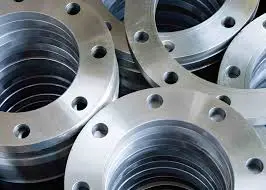
Understanding Pipe Flanges and Their Role in Oil & Gas Pipelines
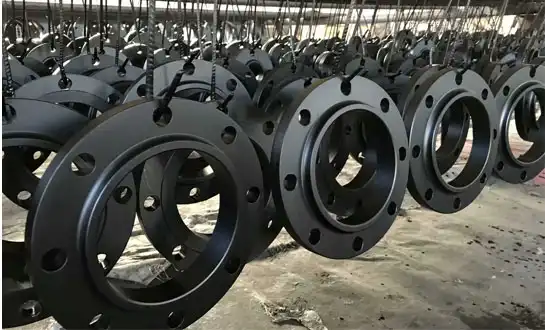
Pipe flanges are important mechanical links that hold pipes, valves, pumps, and other important equipment together in complex pipeline systems. With these round plates that have bolt holes all around them, engineers can assemble, maintain, and modify pipe networks more easily without extensive cutting or rewelding. Flanged connections give Kazakhstan's oil and gas infrastructure the freedom needed for regular repair while maintaining system pressure integrity.
Essential Functions in Pipeline Operations
Pipeline systems depend on flanged links to make seals that don't leak even in the harshest circumstances. Quality flanges have gasket seating surfaces that make sure the bolt loads are properly distributed to ensure effective gasket compression. This stops fugitive emissions that could threaten safety and environmental compliance. This ability to seal is especially important in high-pressure situations, where even small leaks can become major operating dangers.
Types and Applications in Energy Infrastructure
In oil and gas systems, different types of flanges are used for different tasks. The curved hub design of welding neck flanges makes them stronger for high-pressure situations because it spreads stress more evenly than other designs. Slip-on flanges are good for medium-pressure uses because they are easier to install and cost less at first. When threaded flanges are used, welding is not required, as the connection is made through threads. This is helpful when hot work is restricted or when temporary links are needed.
Socket welding flanges are commonly used in small-diameter, high-pressure piping systems where strong and reliable connections are required because of limited space. Blind flanges can be used to close off pipeline ends permanently or temporarily. This lets the system stay intact during tests while still allowing for future growth.
Key Selection Criteria for Pipe Flanges in Kazakhstan's Oil & Gas Industry
When choosing pipe flanges for Kazakhstan's hard-working environment, the choice of material is the most important thing to think about. Carbon steel flanges have good mechanical properties and are cost-effective for most uses. Stainless steel flanges, on the other hand, are more resistant to corrosion in places where they may come into contact with hydrogen sulfide or other harsh chemicals that are common in crude oil and natural gas streams in the region.
Pressure Rating and Standards Compliance
ASME B16.5 flanges can handle pressures up to Class 2500, which is enough for most oil and gas uses in Kazakhstan's energy field. The flange's ability to withstand certain working pressures at certain temperatures is directly related to these pressure levels. DIN and JIS standards offer different requirements that might be more in line with the needs of foreign projects or the requirements of current infrastructure.
The PN (Pressure Nominal) rating system is used in European standards. It uses metric-based pressure grades that make it easier to use with tools from other countries. Knowing about these different rating systems helps you choose the right parts and avoid making expensive mistakes when you're buying them.
Environmental Considerations and Protection Methods
Temperatures in Kazakhstan can range from -40°C in the winter to over 40°C in the summer because the country has a continental climate. These changes in temperature cause stress on the flanges which must be able to handle without affecting the stability of the seal.
To combat these harsh weather conditions, carbon steel flanges are often treated with protective coatings such as epoxy, FBE (Fusion Bonded Epoxy), or hot-dip galvanizing. These treatments significantly enhance corrosion resistance and exponentially extend the flanges' service life.
Kazakhstan's oil streams have unique chemistry problems that need to be solved with advanced surface treatments and custom alloy compositions. These safety steps lower the need for upkeep and increase the useful life of the system, giving better long-term value even though they cost more at first.
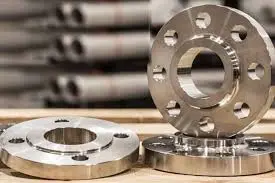
Comparing Pipe Flange Types to Find the Best Fit
In order to choose the best flange combinations, you need to know how different designs work in different situations. This comparison framework helps buying teams match the features of flanges with the needs of the project while keeping cost, performance, and fitting in mind.
Welding Neck vs. Slip-On Performance Analysis
Welding neck flanges are better at resisting fatigue because the shift from the pipe to the flange face is smooth. This means that there are no stress concentration points as there can be in other designs. Because of this, they work great in high-pressure, high-temperature situations like those found in oil and gas production plants. The higher cost of materials and assembly for a full penetration weld joint is justified in critical situations because it is very strong and reliable.
Because they have a bigger inside diameter, slip-on flanges are easier to install because they can handle small differences in pipe size. Slip-on installations, on the other hand, need fillet welds that can cause stress spots that make them less suitable for harsh working conditions. These flanges work well in medium-pressure situations where speed of fitting and cost savings are more important than peak performance.
Forged vs. Cast Construction Benefits
The refined grain structure that forms during the forging process gives forged flanges better mechanical qualities. This way of making things gets rid of internal gaps and makes the material's properties more reliable, which is important for high-pressure uses. When you compare forged products to cast ones, the constant grain flow in forged products makes them better at resisting impact and wear.
While cast flanges may be cost-effective for certain low-pressure water utility systems, they are strictly prohibited in critical oil and gas pipelines due to the risk of internal porosity. Therefore, high-quality forged flanges remain the only acceptable and safe choice for hydrocarbon gathering systems and transmission networks.
Material Selection: Stainless Steel vs. Carbon Steel
Stainless steel flanges perform well in places with hydrogen sulphide, carbon dioxide, or a lot of wetness, which are all problems that Kazakhstan's energy infrastructure often has. Compared to standard 304 grades, grade 316L stainless steel is better at resisting rust. This makes it perfect for use abroad or in highly corrosive onshore situations.
Carbon steel pipe flanges made from ASTM A105 material are very strong and tough, but they are much cheaper than stainless steel options. Carbon steel flanges work well in most oil and gas uses for decades if they are properly secured with galvanising or coating systems.
Procuring Pipe Flanges in Kazakhstan: What Buyers Should Know?
Procurement tactics that work best mix knowledge of the local market with quality standards from around the world to get the best results for the project. The energy sector in Kazakhstan benefits from both being able to make products in-country and having established trade routes that let the country get specialised goods that aren't available there.
Supplier Evaluation and Selection Process
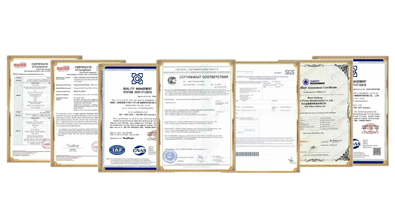
Reliable manufacturers demonstrate their operational excellence by maintaining robust quality management systems, including ISO 9001:2015 certification and the ability to provide fully traceable Material Test Certificates (MTCs) for every shipment. These standards for paperwork make sure that everyone is responsible and allow for proper material verification during receiving checks.
A lot of the time, international sources can get you special alloys and non-standard shapes that local makers might not have in stock. But shipping operations and wait times need to be carefully planned to keep projects from being held up. Having ties with several approved suppliers makes the supply chain more flexible and helps handle changes in the prices of steel around the world.
Cost Optimisation Strategies
Bulk purchasing deals lower the cost per unit and make sure that quality is the same across all big projects. A lot of providers offer savings for large orders, which add up when you buy whole pipeline packages instead of individual parts. These savings can be used to pay for upgrades to materials that work better or for more quality tests.
Custom production choices let buyers make sure that the specs are perfect for their needs, which could lower the overall cost of the project by improving performance or making installation easier. When you work closely with makers during the planning phase, you can often find ways to cut costs without lowering quality or performance.
Total cost of ownership includes more than just the price you paid for the flange. It also includes the costs of installation, upkeep, and replacement over its useful life. Even though they cost more up front, higher-quality flanges that resist rust better or have better mechanical features often end up saving you money in the long run.
Building Trust in Your Pipe Flange Supplier: Certifications, Warranties, and Customer Support
To build long-term relationships with dependable providers of pipe flanges, you need to carefully check out their skills, quality systems, and dedication to customer service. As projects get more complicated and time constraints get tighter, these connections become more important.
Critical Certifications and Quality Standards
API certification shows that a supplier can make products that meet the standards set by the American Petroleum Institute, which are generally seen as the best in the oil and gas business. Compliance with the Pressure Equipment Directive (PED) ensures that products can be sold in Europe and shows that strict safety standards are being followed.
GOST-R approval allows products to be sold in Russia and supports compliance in certain regional markets, and ensures compliance with technical standards for those areas. Suppliers with multiple foreign licences show that they care about quality and market access, which gives buyers more options for how to carry out projects.
Warranty Provisions and Performance Guarantees
A supplier's confidence in their goods and manufacturing methods can be seen in how well they back their warranties. Manufacturers of good products usually back up their products with guarantees that cover flaws in the material, errors in the measurements, and performance issues that happen in normal use.
Performance guarantees for important uses give you extra safety against problems with not meeting specifications or wearing out too quickly. These deals usually cover the costs of replacement and installation, which greatly lowers the risk of the job.
Technical Support and Engineering Services
Experienced sellers help with engineering during the development of specifications, which helps buyers choose the best options for their needs. This expert help is especially helpful when standard goods need to be changed to work in different situations or when they need to be integrated with current systems.
Responding to customer service requests quickly fixes problems in the field and reduces the chance of project delays. Suppliers with local service centres or expert agents can respond more quickly and have a better idea of how things work in your area.
Conclusion
To choose the best pipe flanges for Kazakhstan's oil and gas business, you have to think about a lot of things, like the material's properties, the pressure ratings, the surroundings, and the supplier's abilities. Quality flanges that are made to international standards and have the right certifications will work reliably in tough working circumstances. Building ties with qualified suppliers who offer regular quality, low prices, and helpful customer service is a key part of successful procurement strategies. With these relationships, procurement teams can meet project goals while keeping costs low and risks to a minimum throughout the lifetime of the equipment.
FAQ
1. What pressure ratings are suitable for Kazakhstan's oil and gas applications?
Most uses in Kazakhstan's energy sector work with pressures between ANSI Classes 150 and 600. However, some high-pressure processing plants need grades of 900 or higher. Choosing the right pressure classes relies on the operating pressures, temperature conditions, and safety factors that are needed by national and international laws.
2. How do lead times affect project planning for custom flange orders?
For standard flange configurations, delivery times are usually between 4 and 6 weeks. For custom specs or specialised materials, wait times can go up to 8 to 12 weeks. Getting things early in the project plan and keeping a strategic inventory of sizes that are needed often can help keep the building from being held up.
3. Should buyers prioritise local or international suppliers for flange procurement?
Depending on the needs of the project, the best method is to use both local and foreign sources. When it comes to standard goods, local suppliers often offer faster delivery and lower shipping costs. On the other hand, foreign suppliers can provide access to specialised materials and advanced production skills for important uses.
Choose RAYOUNG for Premium Pipe Flanges Solutions
RAYOUNG makes high-quality pipe flanges that meet ANSI, DIN, and JIS standards. These flanges have precise CNC-machined flange facing surfaces that make sure they work well in Kazakhstan's tough oil and gas settings. We offer a wide range of products, such as welding neck, slip-on, and blind flanges with RF, FF, and RTJ facing choices. All of these can be fully traced through MTC, and hot-dip galvanising is an option for added rust protection. As a trusted manufacturer of industrial pipe flanges certified by ISO 9001:2015 and GOST-R, we provide procurement professionals with the quality assurance and technical expertise required to execute projects flawlessly. Get in touch with info@hb-steel.com to talk about your unique needs and find out how our tailored solutions can help you get the most out of your investments in pipeline infrastructure.
References
1. Kazakhstan Oil and Gas Industry Standards and Regulations Compliance Manual, Ministry of Energy of the Republic of Kazakhstan, 2023.
2. International Pipeline Flange Specification Guidelines for Extreme Climate Applications, American Society of Mechanical Engineers, 2022.
3. Central Asian Energy Infrastructure Material Requirements and Performance Standards, International Energy Agency, 2023.
4. High-Pressure Pipeline Component Testing and Certification Procedures, American Petroleum Institute, 2022.
5. Corrosion Protection Methods for Oil and Gas Pipeline Systems in Continental Climates, National Association of Corrosion Engineers, 2023.
6. Strategic Procurement Best Practices for Oil and Gas Construction Projects in Kazakhstan, Energy Industry Procurement Association, 2022.

Need a quote? Want to see samples? Just say hello. We’re friendly. We’re fast. And we’re ready when you are.
Welcome to RAYOUNG – Strong Pipes, Stronger Promise