Best Industrial Tubing Options for Kenyan Factories
Manufacturers must value industrial tubing options that meet international quality standards and work exceptionally well in harsh environments when looking for the best choices for Kenyan factories. Industrial tubing and pipe systems are the main components of fluid transfer systems in many different types of industry, from making chemicals to making food. To make sure that operations don't stop in Kenya's constantly changing industrial scene, the best tubing choice strikes a mix between durability, chemical resistance, and cost-effectiveness.

Understanding Industrial Tubing: Types, Materials, and Applications
Industrial tubing is a specific type of fluid transport system that is made to meet exact flow control, chemical compatibility, and pressure management needs that regular pipe can't meet. Tubing is different from regular lines because it usually has smaller diameters, better dimensional tolerances, and more flexibility. This makes it perfect for complicated plant setups.
Key Material Categories and Performance Characteristics
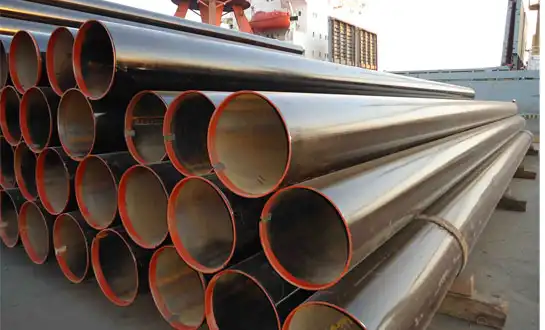
Choosing the right tube materials has a direct effect on how safe operations are and how well they work over time. When it comes to corrosion protection and mechanical strength, stainless steel tubing is the best choice for harsh chemical conditions and high-temperature uses. Kenyan companies that work with acidic materials or steam handling have found that these systems last a very long time. Carbon steel pipe options, such as those in ASTM A106 and API 5L standards, offer strong solutions for oil and gas applications and are often used alongside industrial tubing systems in large-scale installations. These items go through strict hydrostatic tests and have beveled ends that are ready to be welded, which ensures they can be installed reliably in the field. Because these materials can handle harsh service conditions, they are very useful for oil production plants all over Kenya. Different types of plastic tubes, like PVC, PTFE, and special polymer blends, work really well in situations where they need to be chemically neutral and easy to install. In food handling applications, stainless steel and food-grade polymer tubing are commonly used, while PTFE tubing is suitable for specific high-purity or chemical-resistant processes.
Flexible versus Rigid Configuration Benefits
Flexible tubing systems can handle changes in temperature, vibrations, and moving parts while keeping links safe throughout the operating cycle. These traits are especially useful in Kenyan workplaces where equipment placement may need to change from time to time or where vibration and temperature variation affect design requirements. Rigid tubing setups are necessary for high-pressure hydraulic systems and fixed building projects because they provide better structural support and can handle more pressure. Which one to choose—flexible or rigid—depends on the needs of the operation, the limitations of the placement, and the ease of upkeep.
Industry-Specific Applications in Kenyan Manufacturing
Specialized tube systems and industrial tubing are used in chemical processing plants all over Kenya to keep products safe while handling toxic substances. For businesses that prepare food, the tubing they use has to meet high hygiene standards, stop bacteria from growing, and make cleaning easier. Water treatment plants use tube systems that are made to be exposed to chlorinated water and other chemicals that are used to clean them all the time. In sour service settings, oil and gas operations need tubing systems that can handle hydrocarbon products, changes in pressure, and the possibility of hydrogen sulfide exposure.
How to Choose the Best Industrial Tubing for Your Factory in Kenya
To choose the right tube, you need to carefully look at the working factors, the environmental conditions, and the legal requirements that are specific to Kenyan industrial settings. This way of making decisions has a direct effect on how reliable technology is, how much it costs to maintain, and how safe operations are.
Operational Condition Assessment
Chemical compatibility is the most important thing to consider when choosing tubes, because using materials that don't work well together can cause problems like early failure, contamination, or safety risks. Professionals in procurement have to carefully look at all the chemicals, cleaners, and process fluids that will come into contact with the tube over the course of its life. The mechanical performance factors that tubing systems must be able to handle during normal operations and possible upset situations are set by the pressure and temperature standards. When making these rules, they should take into account things like sudden changes in temperature or pressure, as well as emergencies that might go beyond normal working limits.
Material Durability and Installation Considerations
When used in corrosive settings, stainless steel tubes last a very long time and have great mechanical qualities for high-pressure uses. When you look at the total costs over the life of something made of stainless steel, the original investment is often worth it. This is especially true in harsh chemical processing settings. Plastic pipe choices are better because they are lighter, don't react with chemicals, and are easier to install. These materials work great in situations where metal contamination needs to be avoided or where system changes often need to be able to be easily reconnected.
Compliance with Kenyan and International Standards
Regulatory compliance makes sure that placements of tubes meet safety standards and stay out of trouble with the law. International standards like ASTM, ISO, and API set clear guidelines for the qualities of materials, the way they should be tested, and how to prove their performance. Kenyan industrial laws may include extra rules for some uses, mainly when it comes to protecting the environment, processing food, making medicines, and processing drugs. Knowing the local regulations for industrial tubing keeps you from having to pay costly compliance fines and ensures that the project approval process goes smoothly.
Kenya-Specific Environmental Considerations
The tropical environment of Kenya makes it hard to place tubes because of the high temperatures, high humidity, and UV damage that could happen for outdoor uses. When choosing materials, these external factors must be taken into account to make sure they work well for a long time. The availability of local suppliers affects how maintenance is planned, how new parts are bought, and how easy it is to get expert help. Building partnerships with suppliers who keep enough inventory and technical know-how lowers business risks and keeps downtime during repair to a minimum.
Installation and Maintenance Best Practices for Prolonged Tubing Life
Installing and maintaining tubing correctly can make it last a lot longer and save you money on new costs and unplanned downtime. To do these things correctly, you have to pay close attention to the manufacturer's instructions, the surroundings, and the safety rules that apply to Kenyan factories.
Step-by-Step Installation Guidelines
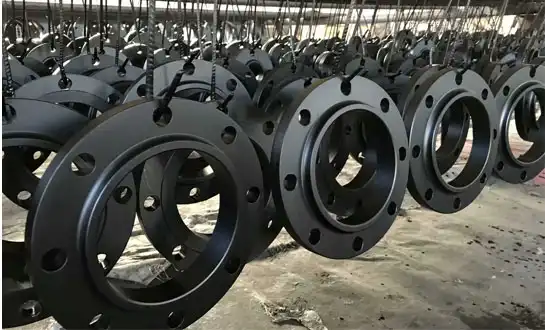
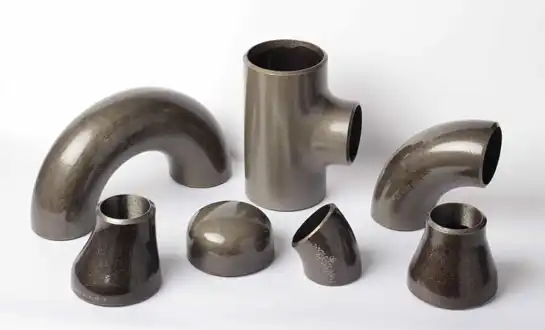
Cleaning up the work areas and making sure the support structures are up to code are the first steps in getting the site ready. The right amount of support space keeps stress concentrations from getting too high while still allowing for heat expansion and movements during operation. Connection methods change based on the type of tube and the needs of the application. Welded connections are fixed and won't leak in high-pressure situations, while mechanical fittings are more flexible for systems that need to be accessed for repair every so often. As part of the commissioning process, systems are tested for chemical compatibility, flow, and pressure before they are put into full operation. These steps find possible problems while keeping systems open so that they can be fixed.
Routine Maintenance Strategies
As part of regular inspections, you should look for signs of wear, rust, or mechanical damage. Keeping track of what was found during inspections lets you look for patterns and plan ahead for future maintenance. Chemical compatibility limits must be respected during cleaning processes to make sure that all deposits that could affect system performance are completely removed. Cleaning products that are made for specific tasks may be needed in some situations, like when making food or medicines. To fix common problems, you need to know about the system's design, how it works, and what failure modes look like. Teaching maintenance workers the right way to do diagnostics cuts down on the time it takes to fix things and stops damage from spreading from mistakes.
Safety Standards and Protocols
Following international safety standards keeps people safe and ensures that rules are followed and operations are reliable. ISO and ASTM standards provide technical specifications for materials, testing, and performance requirements that support safe installation and operation. For safety rules to work in Kenyan factories, they need to take into account things like the weather, the resources that are available for emergencies, and cultural factors that affect how well the safety program works.Regular safety training and the proper upkeep of industrial tubing systems ensure that safety measures remain effective for as long as the facility is in operation.

Top Industrial Tubing Brands and Suppliers for Kenyan Factories
Finding dependable sources is a key part of completing successful tubing setups and ensuring long-term business success. The process of judging should look at things like the quality of the product, how well it can be supported technically, and how well it can be shipped to Kenya.
Global Manufacturers and Local Distribution Networks
Leading foreign makers have a history of quality and creativity, and they also offer a wide range of expert help resources. These businesses usually have strict quality control measures and a lot of testing tools for their products to make sure they work the same way in all kinds of situations. When it comes to shipping speed, inventory access, and expert support in your area, having local distributors and stockists is very helpful. Building ties with reputable local providers cuts down on wait times and makes it easier to get replacement parts when something goes wrong out of the blue.
Supplier Evaluation Criteria
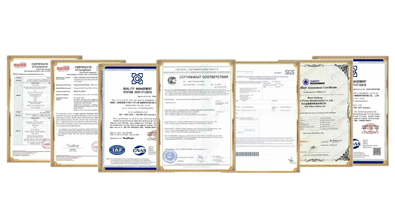
Quality certificates show that a seller is dedicated to consistently producing high-quality products. ISO 9001:2015 certification shows that quality management systems are in place, and product-specific approvals show that performance standards are being met. Logistics skills have a direct effect on how projects are scheduled and how much they cost. Suppliers with good shipping methods and enough inventory levels keep projects on schedule and keep the costs of repair parts low. When installing, launching, or fixing problems, the level of customer service becomes very important. Throughout the lifetime of a product, suppliers with helpful expert staff and quick service teams are very helpful.
Custom Solutions and Specialized Applications
Custom tube solutions meet the specific needs of factories that standard goods can't fully meet. These uses might need special materials, sizes that aren't standard, or performance traits that are needed for certain processes. Manufacturers and suppliers can work together directly on collaborative development methods to make the best products. This method usually leads to better performance results and could lower the overall cost of the system through design improvement.
Cost and Procurement Insights: How to Buy Industrial Tubing in Kenya
Strategic procurement planning weighs the costs of the initial investment against the benefits of better performance over the long run. It also takes into account how the local market works and the skills of the suppliers. Understanding the reasons that affect prices and the different ways to buy things helps you make better decisions and cut costs.
Pricing Factors and Cost Analysis
The choice of material for your industrial tubing has a significant effect on both the initial procurement costs and the long-term value proposition. Even though premium materials may cost more up front, they usually have a lower total cost of ownership because they last longer and need less upkeep. Through bulk savings and lower handling costs, the number of items you order affects the price per unit. When you buy in bulk, you can save a lot of money, especially on common items that are used in many different ways. Brand premiums reflect differences in quality, expert help, and warranty coverage. When you compare these factors to the needs of a specific product, you can tell if the higher price is worth it.
Procurement Channels and Purchasing Strategies
Sourcing industrial tubing through local wholesalers is often advantageous because they offer faster delivery times, immediate technical support, and the opportunity to build strong, face-to-face relationships. Often, these sellers can tell you a lot about how the local market works and what the rules are. Online sites give you access to a wider range of suppliers and more affordable prices. But when using these channels, it's important to carefully check the details of the seller and make sure the product is real.By negotiating bulk buy deals, you can get better prices and make sure that you always have a supply. A lot of the time, these deals come with extra benefits like technical help, longer warranties, or earlier arrival times.
Risk Management and Supply Chain Considerations
International buying might save you money, but it also comes with risks like shipping delays, inconsistent quality, and trouble communicating. To find the right balance between these factors and cost savings, you need to carefully look at all the buying risks. Price and supply can be affected by changes in the local market, such as changes in the currency or rules. Building ties with multiple sellers gives you the freedom to adapt to changes in the market while still ensuring a steady supply of goods.
Conclusion
Kenyan companies need to carefully think about working needs, environmental conditions, and supplier skills in order to choose the best industrial tubing options. The right choice of materials, dependable sources, and smart ways to buy things all work together to make sure projects go well and last for a long time. Kenyan makers need reliable goods for important jobs, and industrial tubing and carbon steel pipes such as ASTM A106/API 5L with anti-corrosion coatings, hydrostatic testing, and beveled ends meet those needs. Focusing on tried-and-true solutions and well-known suppliers can help companies reduce business risks and improve performance at the same time.
FAQ
1. What are the most important factors when selecting industrial tubing for Kenyan factories?
The main selection factors are chemical compatibility, required pressure and temperature, and environmental circumstances. Also, the best products for Kenyan industrial activities depend a lot on how reliable the supplier is, how well they follow local rules, and how much the products cost over their whole lifecycle.
2. How do tropical climate conditions affect tubing performance in Kenya?
Some types of tubes can break down faster in high temperatures, high humidity, and UV light. Using the right construction methods and choosing materials that are resistant to the elements can help make sure that the system works well even in harsh weather.
3. What quality certifications should I look for when purchasing industrial tubing?
Certifications like ISO 9001:2015 show that quality management systems are in place, and product-specific certifications like ASTM, API, or FDA approval show that the product meets the necessary performance standards. Furthermore, supplier certificates such as GOST-R and SGS add to the quality guarantee of exported goods.
4. How can I minimize procurement costs while maintaining quality standards?
Strategies for buying in bulk, long-term deals with suppliers, and a careful look at total lifetime costs instead of initial purchase prices can all help lower procurement costs. Building ties with dependable local providers can also lower the cost of logistics and make services easier to get.
Partner with RAYOUNG for Your Industrial Tubing Requirements
RAYOUNG is a reliable seller of industrial tubing that offers complete solutions that meet the strict needs of Kenyan manufacturing businesses. As part of our wide range of products, we offer ASTM A106/API 5L carbon steel pipes in a wide range of diameters and schedules. These pipes come with anti-corrosion coatings, hydrostatic testing certification, and beveled ends that are ready to be welded right away. We make sure that every product we sell meets international quality standards and gives your business the stability it needs with ISO 9001:2015 certification, GOST-R certification for specific export markets and SGS third-party inspection documentation. Email our technical team at info@hb-steel.com to talk about your unique needs and find out how our tried-and-true solutions can improve the performance of your building and lower its total cost of ownership.
References
1. Kenya Association of Manufacturers Industrial Survey Report on Manufacturing Sector Performance and Infrastructure Requirements.
2. ISO standards related to piping and tubing systems and material selection guidelines.
3. American Society of Mechanical Engineers Boiler and Pressure Vessel Code Section on Piping and Tubing Systems.
4. Kenya Bureau of Standards Technical Regulations for Industrial Fluid Transport Systems.
5. African Development Bank Infrastructure Development Report on Industrial Manufacturing in East Africa.
6. Institute of Chemical Engineers Handbook on Materials Selection for Process Industries in Tropical Climates.

Need a quote? Want to see samples? Just say hello. We’re friendly. We’re fast. And we’re ready when you are.
Welcome to RAYOUNG – Strong Pipes, Stronger Promise