Top Cost-Saving Tips for Buying ERW Pipes in Nigeria
To successfully buy electric resistance welding ERW pipes, you need to plan ahead, know the market, and check the reliability of your suppliers. These longitudinally welded steel goods can be bought at reasonable prices in Nigerian markets, but you need to know about quality standards, how to coordinate supplies, and how to negotiate. Smart buyers use buying in bulk, meeting exact specs, and using certified makers to get the best value for their money. For long-term project success and budget optimisation in a wide range of workplace settings, it's important to build relationships with dependable providers and stick to strict quality control measures.

Understanding ERW Pipes and Their Market in Nigeria
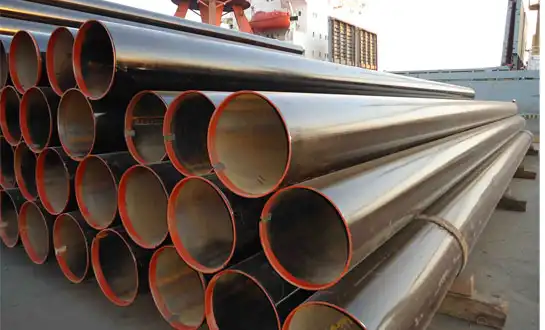
Electric resistance-welded pipes, also known as ERW pipes, are an important part of modern steel production. They use electric resistance welding to create a strong longitudinal weld seam along the edges of steel strips. Steel strips are passed through precise forming rollers in a complex cold-forming process that makes these pipes. Electric resistance welding then joins the strip edges together through high-frequency resistance welding under controlled pressure. Their production capabilities typically range up to 24 inches or higher, depending on manufacturer capacity, which makes them flexible options for medium-pressure uses like moving water, distributing oil, and installing structures.
Technical Fundamentals and Manufacturing Process
During the welding phase, the production process carefully controls the temperature in the weld zone to ensure consistent metallurgical properties along the seam. Continuous forming processes are used on steel coils to keep the wall thickness constant and the material's integrity. This controlled setting makes pipes with predictable mechanical properties, such as tensile strengths that are usually between 310 and 500 MPa, based on the grade.
During production, quality control methods include checking the dimensions and surface finish in real time, as well as keeping an eye on the welding settings. These rules make sure that foreign standards are followed while maintaining high production rates to support competitive pricing structures.
Nigerian Market Dynamics and Standards Compliance
Nigeria's industrial infrastructure growth creates a big need for welded steel pipes in the mining, oil and gas, and building industries. The local industry has grown a lot thanks to government programmes that encourage local steel production. This growth opens up chances for foreign buyers who want to find cheap goods that still meet quality standards.
Nigerian industrial standards and foreign standards like API 5L, ASTM A53, and ISO 3183 must be followed, and the legal environment stresses this. These standards make sure that the product is reliable and make it easier to clear customs and get project approvals. Knowing about these compliance standards helps buyers get what they need quickly and easily, without having to deal with costly delays or design errors.
Top 5 Cost-Saving Strategies When Purchasing ERW Pipes in Nigeria
For ERW pipe purchase cost management to work well, there needs to be a balance between short-term savings and long-term value creation. These methods have worked well for a wide range of projects, from building large-scale infrastructure to installing specialised machinery in factories.
Strategy 1: Verified Manufacturer Sourcing
Creating partnerships with approved makers offers numerous cost benefits going beyond the initial price factor. Verified sellers usually offer more consistent quality, which cuts down on inspection costs and failure rates that can have a big effect on project timelines. Their well-established quality control systems make sure that they meet foreign standards, which keeps them from having to do expensive work over and over again.
When you work directly with a maker, you can make changes that regular wholesalers can't. This gives buyers the freedom to choose the exact sizes, types of materials, and testing needs that are needed for a project. This keeps costs down by avoiding over-specification while still ensuring enough performance gaps.
Strategy 2: Strategic Bulk Purchasing
Through economies of scale, volume agreements can lead to big price cuts that help both buyers and sellers. When you buy in bulk, the price per unit is usually 15–25% less than when you buy in smaller amounts. You can also get longer payment terms and more shipping options.
When sellers plan ahead, they can combine their needs from multiple projects into one, which helps them get the best deals and cut down on administrative costs. This method needs careful planning for product management and storage, but the cost savings usually make up for the extra transportation costs.
Strategy 3: Precision Specification Matching
In the pipe buying process, one of the best ways to cut costs is to avoid over-specification. Standard types can be used instead of expensive materials for many projects, saving a lot of money without lowering performance. A careful engineering review makes sure that the specifications fit the real-world working conditions, not just the designers' best guesses.
Optimising the thickness of walls is another big way to save money. A lot of the time, engineering research can show that thinner walls meet performance standards while also saving money on materials and making the shipment lighter. To make sure that safety margins stay high, this method needs buying teams and tech staff to work together closely.
Strategy 4: Optimised Logistics and Warehousing
Nigeria's transportation system both makes things harder and makes it easier to cut costs. Using local warehouses close to major ports can cut down on shipping costs and provide product buffers that make project schedules more flexible. When compared to foreign options, these storage spaces often have better prices.
Strategies for shipping consolidation help get the most out of each container while also lowering the cost of shipping each one. Working with transportation companies that have experience doing business in Nigeria will make sure that customs clearance goes smoothly and that demurrage charges are kept to a minimum, which can have a big effect on the total cost of buying.
Strategy 5: Strategic Supplier Negotiation
When you negotiate professionally, you get better results than when you just compete on price. Making detailed Request for Quotation papers that spell out requirements, delivery dates, and payment terms makes it possible for suppliers to give correct prices and find ways to cut costs.
Multi-supplier methods keep the competition high while building backup supply lines that protect against problems with delivery. With this method, you have to carefully check out all possible suppliers to make sure they meet the quality and dependability standards needed for the project to succeed.

Quality Assurance and Testing: Balancing Cost and Reliability
Investing in quality control during procurement of ERW pipes keeps costs from going through the roof because of safety accidents or fails in the field. Knowing how tests are done and what certifications are needed for ERW pipes helps buyers set the right quality levels without spending too much money.
Essential Testing Protocols
Ultrasonic testing can detect internal defects in the weld seam and pipe wall, ensuring the structural stability of the whole pipe. This non-destructive way finds flaws inside that might make the system less effective when it's under pressure. Modern UT technology can do inspections quickly, which keeps testing costs low while still covering everything.
Hydrostatic pressure testing makes sure that pipes are solid under controlled settings that are under controlled pressures typically higher than the design pressure, according to applicable standards. This checking method finds any possible flaws before they are installed. This stops expensive failures in the field and safety risks. Calculating the test pressure based on the design standards makes sure that there are enough safety margins without trying too much.
Chemical composition analysis shows that the grades of materials meet the standards for mechanical qualities and resistance to corrosion. Spectroscopic testing gives quick results at a reasonable price, so batches can be checked without long wait times. This check stops problems with material replacement that could hurt long-term performance.
Certification and Compliance Standards
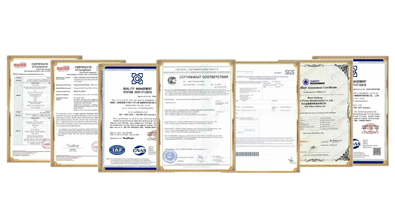
When a company gets ISO 9001:2015 certification, it shows that they are committed to quality management systems that cut down on variation and boost consistency. People can trust the production process more when this approval is present, and it's often linked to better delivery and customer service.
Mill test papers are proof that the mechanical qualities, chemical makeup, and exact measurements of each batch of pipes are correct. These papers make it possible to track projects throughout their entire lives and back up guarantee claims if there are problems with their performance. Having the right paperwork also makes it easier to get governmental approvals and insurance coverage.
Conclusion
To buy ERW pipes successfully in Nigerian markets, you need to find a balance between lowering costs, making sure the quality is good, and making sure you can trust the seller. The above tactics are tried and true ways to cut costs by a large amount while still meeting project requirements and safety standards. Knowing how the market works, the technical requirements, and the quality standards lets you make smart choices that add the most value to a project over its entire lifecycle.
Having long-lasting competitive benefits means working with certified makers, using strategic buying methods, and upholding high-quality standards. These methods lower the total cost of ownership and make sure that supply lines are reliable, which helps projects succeed in a wide range of industry settings.
FAQ
1. What factors drive ERW pipe pricing in Nigerian markets?
The most expensive part of a pipe is usually the raw materials, which make up 60 to 70% of the total cost. Prices for steel strips change based on the global markets for commodities, the quantity of supplies in the area, and the exchange rate between currencies. Approximately 20% to 25% of the total cost is attributed to the manufacturing process. This encompasses energy consumption, direct labor, and equipment depreciation.
The costs of transportation and handling depend a lot on where the goods are delivered and how they are shipped. Nigeria's crowded ports and trouble with interior transportation can have a big effect on the prices of delivery. When comparing suppliers or shipping choices, buyers should take these factors into account when figuring out the total cost.
2. How do ERW pipes compare to seamless pipes for cost-effectiveness?
When it comes to the same specs, ERW pipes usually cost 20–30% less than seamless pipes. The process of making something uses less energy and raw materials, but it makes more things. For end users, these benefits in productivity directly mean lower prices.
For most medium-pressure uses, there aren't big changes in how well ERW and seamless pipes work. When made to the right standards, both types meet the same requirements for pressure levels and corrosion protection.While seamless pipes offer superior fatigue resistance in extreme high-cycle applications, modern ERW pipes provide more than enough structural integrity and durability for the vast majority of infrastructure and construction projects.
3. Where can buyers find certified ERW pipe suppliers in Nigeria?
Many certified manufacturers and distributors are located in Lagos, Ogun, Abuja, and Port Harcourt regions, which have easy access to ports and good industry facilities. Because of competition in the market, these places have the best selection of sellers at the most reasonable prices.
When you check a supplier's qualifications, you should look at their production capability, quality control systems, and the validity of their certifications. Site visits give you a chance to see firsthand how well the manufacturing process works and how quality control is handled. Referrals from past customers are a great way to learn about the quality of delivery and expert help.
Get Premium ERW Pipes for Your Industrial Projects
RAYOUNG is ready to help you buy pipes by offering complete solutions that are made to fit the needs of the Nigerian market. Our ISO 9001:2015-certified production methods guarantee consistent quality, and our low prices help you get the most out of your project funds. For defect-free delivery, every pipe goes through 100% UT/ET testing, and thorough mill test records make it easy to track.
Our team has a lot of experience and knows how to deal with the unique difficulties of Nigerian logistics and legal requirements. They make the whole buying process easy, from coming up with specifications to delivering the goods. Get in touch with our experts at info@hb-steel.com to talk about your unique needs and get accurate quotes.
As a leading manufacturer of premium ERW pipes, we leverage our deep technical expertise and regional market knowledge to deliver cost-effective, high-performance solutions for your business.
References
1. Nigerian Steel Development Authority. "Industrial Pipe Standards and Quality Requirements for Infrastructure Projects." Technical Publication Series, 2023.
2. West African Institute of Welding Technology. "Electric Resistance Welded Pipe Manufacturing: Quality Control and Testing Protocols." Industrial Manufacturing Review, 2023.
3. Lagos Chamber of Commerce Industrial Group. "Steel Pipe Procurement Best Practices for Nigerian Markets." Business Development Quarterly, 2022.
4. African Steel and Iron Institute. "Cost Optimisation Strategies in Industrial Pipe Purchasing: Regional Market Analysis." Economic Development Journal, 2023.
5. Nigerian Association of Petroleum Explorationists. "Pipeline Material Selection and Procurement Guidelines for Oil and Gas Projects." Technical Standards Manual, 2022.
6. International Steel Trade Association. "Global Trends in ERW Pipe Manufacturing and Quality Assurance Systems." Market Analysis Report, 2023.

Need a quote? Want to see samples? Just say hello. We’re friendly. We’re fast. And we’re ready when you are.
Welcome to RAYOUNG – Strong Pipes, Stronger Promise