Best Suppliers of Butt-Weld Fittings in Azerbaijan
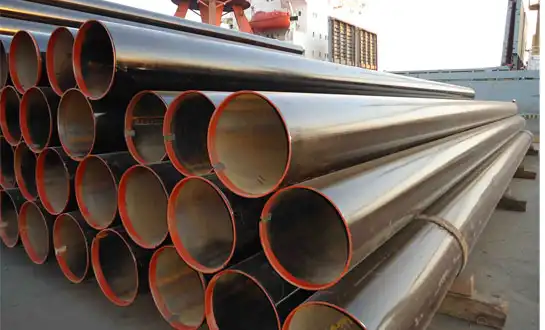
Azerbaijan has become a key location for getting high-quality butt-weld fittings, thanks to its competitive benefits that draw procurement professionals from around the world. The country has a developing industrial base and a growing network of certified manufacturers and suppliers. This makes it a great place for businesses that need reliable pipe fitting solutions. In the oil, gas, chemical, and industrial industries, where pipeline stability is very important for safety and efficiency, these specialised parts play very important roles.
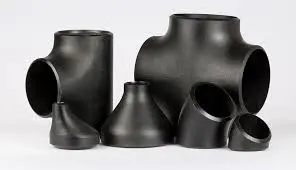
Understanding Butt-Weld Fittings: Types, Specifications, and Applications
Butt-weld fittings are an important part of modern industrial pipeline systems because they create seamless, leak-proof connections and maintain structural integrity even under harsh conditions. These weldable pipe fittings make it possible to change the direction of flow, change the size of the pipe, and add equipment to complex pipe networks.
Key Types and Configurations
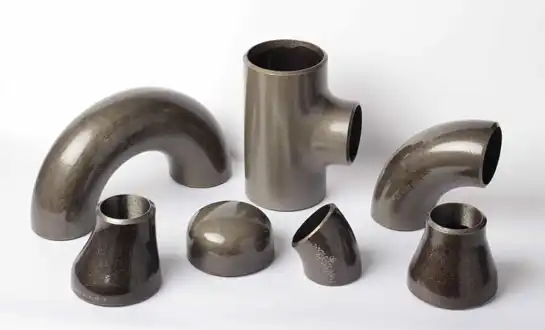
Butt-weld fittings can be broken down into four main groups: elbows (for changing direction), tees (for making branch connections), reducers (for going from one pipe width to another), and caps (for closing pipe ends). Long-radius elbows provide better flow characteristics than short-radius elbows. Concentric and eccentric reducers are used for different pipeline orientation requirements.
The choice of material is very important for how well the fitting works and how long it lasts. Different types of carbon steel are very strong and affordable for most uses, while different types of stainless steel are better at resisting corrosion in tough chemical conditions. Alloy steel fittings have better mechanical properties for high-temperature and high-pressure applications commonly found in energy projects.
Manufacturing Standards and Compliance
These parts are made in line with widely known standards, such as ASME B16.9, which sets the rules for measurements, tolerances, and markings. The guideline makes sure that all global pipeline projects can work together and that quality standards are always met. Schedule ratings from Schedule 10 to Schedule 160 can handle different pressure needs, so engineers can choose the right wall thickness for each set of working situations.
Comparing Butt-Weld Fittings: Making the Right Choice for Your Pipeline Projects
Knowing the differences between the different ways to connect pipes helps buying teams make smart choices that meet performance needs and stay within budget. Butt-weld fittings, in particular, are better than other connection methods in some important ways.
Performance Advantages Over Alternative Methods
Butt-weld joints are better in a number of important ways than socket-weld, threaded, or flanged ones. The welded joint makes a continuous line of material that gets rid of any possible leak places and gives the same strength as the base pipe material. This smooth coupling reduces flow restrictions and pressure drop that can lower the efficiency of the system.
Socket weld joints are easy to line up during installation, but they leave gaps inside that can hold dirt or cause flow problems. When there is vibration or changes in temperature, threaded connections may slowly come free. On the other hand, flanged joints need regular upkeep to keep the gaskets in good shape. These worries are taken away by the fixed nature of butt-weld links, which also provide better long-term dependability.
Material and Schedule Considerations
When it comes to cost and performance, the choice between seamless and welded base materials is important. Seamless fittings usually have higher pressure ratings and a smoother internal surface, making them more suitable for critical applications. When used in standard pressure applications, welded versions are cheaper, but they still work well enough for most industry needs.
The choice of schedule has a direct effect on the system's pressure capacity and the project's costs. Pipes with higher schedule numbers have thicker walls and can handle higher pressure, but they cost more to make and are harder to weld. To get the best safety and cost-effectiveness, engineers have to weigh these factors against how things actually work.
How to Evaluate and Select the Best Butt-Weld Fittings Suppliers in Azerbaijan?
When choosing a supplier, you need to carefully consider a number of factors that affect both the short-term success of the project and the long-term value of the relationship. Structured evaluation methods that take both technical and business factors into account are helpful for procurement teams.
Quality Assurance and Certification Requirements
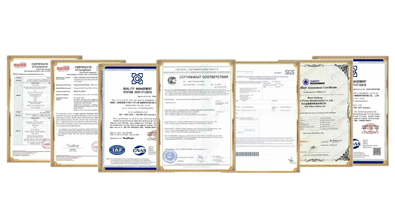
Suppliers with a good reputation keep full quality management systems that meet ISO 9001:2015 requirements and have the right product certifications. Material test certificates, dimensional inspection records, and paperwork from non-destructive testing show that a product meets certain standards. Export approval, like GOST-R and SGS validation, shows that you follow the rules for foreign trade.
Facility checks, production capacity assessments, and quality control process confirmations should all be part of a manufacturing capability review. Suppliers with up-to-date tools and skilled workers can meet tight supply dates and maintain consistent quality. Technical support services, such as technical help and special fabrication, make complicated tasks much more valuable.
Commercial and Logistical Considerations
When figuring out the total cost of ownership, things like shipping reliability, payment terms, and help after the sale must be taken into account, along with competitive pricing. Local suppliers in Azerbaijan may offer more competitive logistics costs and shorter delivery times compared to distant suppliers, depending on the project location. Expertise in oil and gas applications in the area also adds value.
It's especially important for big projects or ongoing upkeep needs that the supply chain for butt-weld fittings is stable. Suppliers who have well-established systems for managing their supplies and the ability to produce in a variety of ways can change to meet changing project needs while still keeping their prices low.
Top Butt-Weld Fittings Suppliers and Manufacturers in Azerbaijan
There are well-known manufacturers and distributors in Azerbaijan that serve both local and foreign markets. The country's position between Europe and Asia makes it easy to ship goods to other parts of the world, and local experts in the energy field provide specialised knowledge.
Leading Regional Suppliers
A number of well-known sellers have built strong names by consistently delivering high-quality goods and having the right technical knowledge. For normal sizes, these businesses usually keep a lot of stock on hand, and they can also make custom dimensions for specific needs. Their work on foreign projects gives them useful knowledge about international standards and transportation issues.
A lot of suppliers in Azerbaijan specialise in meeting the needs of the oil and gas business, learning a lot about high-performance materials and unique shapes. The procurement teams working on energy infrastructure projects across the area can use this information to their advantage.
OEM and Custom Fabrication Services
Advanced wholesalers can do more than just sell standard stock items. They can also help with research and make custom items. These services make it possible to improve fitting designs for certain uses while still meeting the standards that apply. These specialised services can handle custom fabrication, unique testing requirements, and non-standard dimensions.
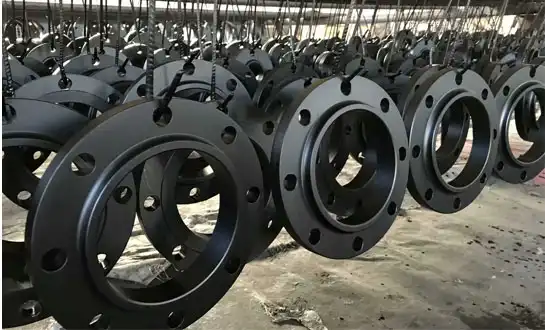
Being able to offer combined solutions that include connected pipe fittings, flanges, and fasteners makes buying easier and makes sure that all of the parts work together. Single-source providers can organise shipping times and offer unified technical help as a project is carried out.

Best Practices for Procurement and Usage of Butt-Weld Fittings
To successfully use butt-weld fittings, you need to pay attention to the right ways to buy them, install them, and keep them in good shape. These things make sure that the system works at its best throughout its entire lifecycle.
Installation and Quality Control Procedures
To make joints that are effective and meet design requirements, you must follow the right welding methods. For uniform results across project setups, use qualified welders, appropriate welding materials, and follow documented procedures. For some materials and uses, pre-heating and post-weld heat treatment may be needed to get the right mechanical qualities.
The way fitting surfaces are stored and handled keeps them clean and safe from damage that could affect the quality of the weld. Using the right packing, weather controls, and handling tools can keep things from breaking down while they are being shipped or stored.
Long-term Performance Optimisation
Programmes that do regular inspections help find possible problems before they get worse. Visual inspection, ultrasonic testing, and other non-destructive methods can find cracks or rust that are starting to form, which could weaken the system. Predictive repair programmes that improve system reliability are helped by keeping records of inspection data.
Corrosion protection strategies, such as using the right materials, protective coats, and cathodic protection systems, make fittings last longer and require less upkeep. These steps are especially important in tough settings like those used in the energy business.
Conclusion
Azerbaijan is becoming a more trusted source for high-quality butt-weld fittings because it keeps investing in its manufacturing skills and quality systems. Competitive prices, professional know-how, and a good location all work together to make strong value proposals for global procurement teams. To have a good provider relationship, you need to carefully look at the technical skills, quality systems, and business terms while keeping an eye on the long-term performance needs. The area is becoming better known for its work in the energy sector, which is especially helpful for projects that need specialised knowledge and a history of dependability.
FAQ
1. What materials are most commonly used for butt-weld fittings in Azerbaijan?
The most common metals are carbon steel and stainless steel. For carbon steel, grades like A234 WPB are available, and for stainless steel, grades like A403 WP304/316 are available. Chrome-molybdenum grades and other types of alloy steel can be used for high-temperature tasks that are popular in energy industry projects.
2. How can buyers verify supplier quality and compliance with international standards?
Suppliers should show test records for the materials, reports on how they measure up, and quality standards like ISO 9001:2015. Third-party inspection services can make sure that products are compliant, and facility checks can make sure that the processes for making things and checking quality are working properly.
3. What are typical lead times for custom butt-weld fitting orders from Azerbaijan?
Standard designs usually ship between 2 and 4 weeks, while custom fabrications can take up to 8 weeks, based on how complicated they are and how quickly they can be made. In urgent situations, rush orders can often be accommodated through expedited production scheduling, provided the raw materials are readily available.
Partner with RAYOUNG for Premium Butt-Weld Fittings Solutions
At RAYOUNG, our comprehensive selection of industrial pipe fittings—including premium butt-weld fittings, steel elbows, and reducers—delivers exceptional reliability and cost-efficiency for your critical projects. Our production knowledge, backed by GOST-R and SGS certifications, makes sure that our products work reliably in a wide range of challenging situations. Contact our expert engineering team at info@hb-steel.com to discuss your specific requirements, and discover why RAYOUNG is the trusted manufacturer of choice for the world's leading companies in their most critical pipeline projects.
References
1. Azerbaijan Industrial Development Ministry. "Oil and Gas Infrastructure Development Report 2023." Ministry of Economy Publication Series.
2. Caspian Energy Research Institute. "Regional Pipeline Equipment Market Analysis: Azerbaijan Supply Chain Assessment." Energy Infrastructure Quarterly, Vol. 15.
3. International Pipeline Association. "Butt-Weld Fitting Applications in Energy Sector Projects: Azerbaijan Case Studies." Technical Conference Proceedings 2023.
4. Regional Manufacturing Council. "Quality Standards and Certification Requirements for Pipeline Components in Azerbaijan." Industrial Standards Publication.
5. Energy Sector Procurement Guidelines Committee. "Best Practices for International Sourcing of Pipeline Components from Azerbaijan." Industry Technical Manual.
6. Azerbaijan Export Development Agency. "Industrial Equipment Export Capabilities: Pipe Fittings and Related Components." Trade Development Report 2023.

Need a quote? Want to see samples? Just say hello. We’re friendly. We’re fast. And we’re ready when you are.
Welcome to RAYOUNG – Strong Pipes, Stronger Promise