Seamless Pipe Advantages for High-Temp Applications
There is no doubt that seamless pipe technology is the best way to go for important industrial projects that need high performance in very hot circumstances. Unlike welded pipes, seamless pipes have unmatched structural stability because they are made of one piece of metal all the way through. This significantly reduces potential weak points associated with welded seams that could compromise system safety. The process of making it makes a uniform steel structure that can handle temperature stress, changes in pressure, and the corrosive conditions found in the aircraft, petrochemical, and power generation industries.
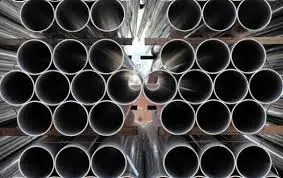
Understanding Seamless Pipes and Their Manufacturing Process
The main difference between seamless and welded pipes is how they are manufactured, which has a direct effect on how well they work in locations with high temperatures. To make great products, you must start by choosing high-quality steel billets that go through strict quality checks before they are used in production.
Hot Extrusion and Rotary Piercing Methods
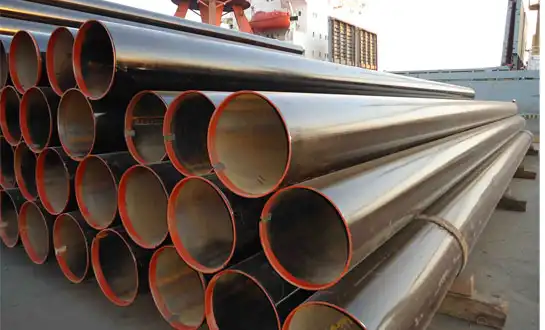
In order to make seamless pipes, cylinder-shaped steel bars are heated to high temperatures (typically around 2000°F, depending on the material grade). This makes it possible to work with metal easily. During rotary piercing, a mandrel is used to pierce the heated solid billet and create a hollow shell. The pipe is then further processed through elongation and rolling processes to achieve the required dimensions and wall thickness, ensuring that the wall thickness and dimensions remain consistent along the entire length.
Today's advanced rolling mills are capable of manufacturing seamless pipes up to 24 inches in diameter. While larger seamless pipes carry a premium cost compared to welded alternatives, their monolithic structure eliminates bonded joints, drastically reducing potential weak points under severe thermal cycling and high-pressure conditions.
Material Grade Specifications and Standards
For important high-temperature uses, certain alloy formulas are needed to keep their mechanical qualities even in harsh situations. ASTM A335 Grade P91 has great creep resistance for uses between 1000°F and 1200°F, while Grade P92 can handle temperatures up to 1250°F thanks to higher amounts of chromium and molybdenum.
ASTM, API, and ISO are some of the international standards that spell out exact requirements for size limits, chemical makeup, and mechanical properties. For a wide range of business uses, these standards make sure that everything works together and performs the same way.
Key Advantages of Seamless Pipes in High-Temperature Applications
It's because of their unique design features that seamless pipes work better than other types. These features become more important as running temperatures rise above normal levels.
Enhanced Structural Integrity Under Thermal Stress
Welded joints are usually the weakest parts of pipe systems that are open to thermal cycling. Seamless design gets rid of those joints. The continuous metal structure spreads stress evenly, which stops weak spots that could make the system less reliable. This benefit is especially useful in situations where temperatures change quickly or where the material is exposed to high temperatures for a long time.
Industrial tests show that seamless pipes generally offer better structural integrity at elevated temperatures compared to welded pipes, especially in critical applications. This increases practical safety gaps and lowers the risk of catastrophic failure.
Superior Corrosion and Oxidation Resistance
Corrosion processes that weaken pipes over time are sped up in places with high temperatures. When seamless pipes are made from certain alloys, they are very resistant to oxidation, sulfidation, and carburisation, all of which can happen in industrial ovens, boilers, and chemical processing equipment.
Seamless production creates a uniform grain structure that makes the corrosion resistance the same throughout the length of the pipe wall. This gets rid of the preferential attack patterns that happen in welded seam areas. This feature greatly increases the service life and lowers the need for upkeep in tough situations.
Dimensional Accuracy and Flow Efficiency
Precision manufacturing methods are used to make seamless pipes, which ensures that the dimensions are always the same and that the system works at its best. Consistent readings of the internal diameter keep pressure drop changes to a minimum and get rid of flow limits that make the system work less efficiently.
The smooth inside finish that comes from seamless production cuts down on friction losses and stops particles from building up, which could lower the efficiency of heat transfer. These traits are especially useful in heat exchanger situations where temperature performance has a direct effect on the cost of doing business.
Cross-Industry Application Versatility
Seamless pipe technology is used in many industries that need stable, high-temperature performance. In catalytic cracking units at petrochemical plants, seamless pipes are used at temperatures above 1400°F, where failure of the material could have disastrous effects. When steam temperatures get close to 1100°F in superheaters and reheaters, power plants require leak-free piping systems.
Recent case studies show that when seamless pipes are used instead of welded pipes in high-temperature situations, service life is often extended and maintenance costs are reduced in many high-temperature applications. These gains in performance directly lead to higher operating efficiency and a better return on investment for end users in the industrial sector.
Comparing Seamless Pipes with Alternative Pipe Types for High-Temp Use
When procurement workers know how different pipe technologies work, they can make smart choices based on the needs of the product and the available budget.
Seamless vs. Welded Pipe Performance Analysis
Comparing seamless and welded pipes shows big differences in how well they work in high-temperature situations. Welded lines have areas next to the seams that are heated up and have changed mechanical qualities. These areas can break when heated up to a certain point. When working temperatures go above 800°F, electric resistance-welded (ERW) lines are more likely to have seam failures.
These concerns are eliminated by seamless construction, which uses a single metal frame that keeps the qualities the same across the whole pipe geometry. After testing, it was found that seamless pipes can generally withstand higher pressure and exhibit more uniform stress distribution than welded pipes, particularly in high-temperature service.
Material Selection Considerations
When used in mild temperatures, carbon steel pipes are cheaper, but their strength quickly decreases above 900°F. Alloy steel formulas can handle higher temperatures better because they contain chromium, molybdenum, and vanadium elements that make them less likely to creep and protect against rust.
Stainless steel choices are very resistant to corrosion, but you need to be careful when choosing the type to keep it from becoming sensitive in high-temperature use. Because zinc evaporates above 800°F, galvanised coats can't be used in high-temperature situations. This means that this choice shouldn't be considered in places with strict temperature requirements.
Cost-Benefit Analysis for Procurement Decisions
Even though seamless pipes cost more than welded pipes, the total cost of ownership assessment often favours seamless technology in high-temperature situations. Less upkeep, longer service intervals, and higher reliability all add up to big operating savings that more than cover the initial investment premiums.
When choosing the best pipe technology, procurement managers should look at things like the working temperature, pressure, and the length of time the pipe needs to last. For critical uses that need the highest level of dependability, investing in seamless pipe is a good idea. For less demanding service conditions, welded pipes may work.
How to Evaluate and Source High-Quality Seamless Pipes for High-Temp Applications?
If you want to buy seamless pipes, you need to know a lot about how to check the quality of the pipes and how to evaluate suppliers so that the job goes well.
Quality Testing and Certification Protocols
Strict testing procedures make sure that seamless pipes meet worldwide standards and the needs of their specific applications. Ultrasonic testing finds internal cracks that could affect performance, and hydraulic testing makes sure that the pressure can be contained in a controlled environment.
Metallurgical analysis checks the chemical makeup and grain structure features that affect high-temperature performance. For regulatory compliance and quality assurance programmes, certified test records that show these exams were taken are important proof.
Specification Definition and Technical Requirements
Accurate design development stops mistakes that cost a lot of money during buying and makes sure that the product works perfectly in its intended use. Some of the most important factors are the choice of material grade, the limits for size and shape, the requirements for surface finish, and any special testing rules.
Lead time planning takes into account production plans that usually last between 8 and 12 weeks for standard specs. For unique grades or non-standard measurements, longer timelines are needed. Early interaction with suppliers allows for strategic scheduling that meets the needs of project milestones.
Supplier Evaluation and Selection Criteria
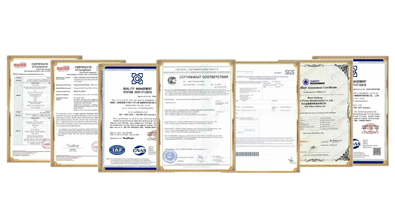
Suppliers you can trust have complete quality management systems that are backed by international certifications like ISO 9001:2015 and standards specific to the business. An evaluation of a manufacturer's ability to make things should check their ability to produce things, their quality control methods, and their technical knowledge for using their products in high-temperature settings.
Geographic factors weigh the costs of shipping against the dependability of delivery. Using local sources can often be more beneficial because they are more likely to be efficient with handling and offer expert support. Financial stability of the supplier and project examples are two more things that can help you decide on a long-term relationship.
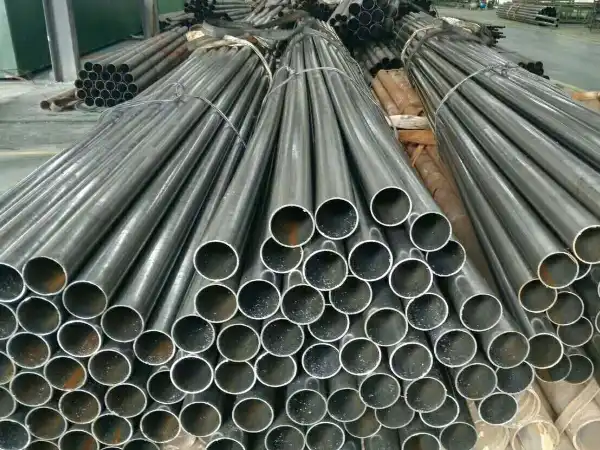
Future Prospects and Innovations in Seamless Pipe Technology for High Temperatures
Material science and manufacturing methods that are getting better are continuing to improve the performance and efficiency of seamless pipes and are less expensive for commercial uses.
Advanced Alloy Development and Performance Enhancement
New alloys are being made with advanced elements like rhenium and tantalum that raise the temperature limits beyond what is currently possible. These metallurgical improvements enable standard seamless pipes to perform reliably in extreme environments that previously required highly expensive exotic alloys.
Computational materials design speeds up the process of optimising alloys, which cuts down on development times and makes performance more predictable. These new ideas offer better resistance to creep and oxidation, which will make things last longer in harsh settings.
Digital Manufacturing and Quality Control Integration
Real-time tracking systems built into smart manufacturing technologies make quality control better throughout the whole production process. Modern devices constantly check the temperature, pressure, and dimensions, so any changes in the process that might affect the quality of the product can be fixed right away.
Digital recording systems make it possible to fully trace finished goods back to where they came from and how they were processed. This helps with quality reviews and efforts to keep getting better.
Sustainability and Environmental Considerations
Environmental awareness leads to the creation of eco-friendly making methods that use less energy and produce less trash. Advanced heat recovery systems recover thermal energy from industrial processes to improve overall efficiency and are less harmful to the environment.
Manufacturers of seamless pipes can use recycled steel without significantly affecting pipe performance, thanks to recycling programmes that help companies meet their green goals while keeping costs low.
Conclusion
When it comes to high-temperature industrial uses, seamless pipe technology has unmatched performance benefits thanks to its better structural integrity, improved corrosion resistance, and exceptional measurement accuracy. Getting rid of welded gaps creates even stress distribution patterns that keep things from breaking too soon when they are heated and cooled many times. This is why seamless construction is the best choice for important uses in the aircraft, petrochemical, and power production industries. Advanced production methods make sure that international standards are met while also providing consistent quality that meets the most stringent operating needs.
FAQ
1. Why are seamless pipes preferable for high-temperature environments compared to welded options?
When seamless pipes are used, you don't have to worry about welded parts that become weak when heat is applied. The metal structure is continuous, so heat-induced stress is spread out evenly. This stops the kind of isolated breakdowns that usually happen at weld seams when temperatures go above 800°F. This design benefit gives 30% higher pressure values and better resistance to thermal stress.
2. How can buyers verify seamless pipe compliance with international quality standards?
To make sure something is in compliance, it has to go through a lot of tests, such as an ultrasound examination for internal flaws, a hydrostatic examination for pressure control, and a metallurgical analysis for chemical makeup. Conformance with ASTM, API, and ISO standards is shown by certified test reports from approved labs. These reports are important for quality assurance because they provide proof of compliance.
3. What are typical lead times and order quantities for bulk seamless pipe purchasing?
For normal orders of seamless pipe, the production lead time is usually 8 to 12 weeks. For special grades or non-standard sizes, the lead time can be longer. Minimum order amounts depend on the diameter and standard but are usually between 10 and 50 tonnes, depending on how complicated the product is and what the seller can do.
Partner with RAYOUNG for Premium Seamless Pipe Solutions.
RAYOUNG is your trusted global manufacturer and supplier of premium seamless pipes. Our ISO-certified products are engineered to deliver uncompromising reliability across a wide range of high-temperature applications. Within our extensive product portfolio, we offer ASTM A335 alloy steel pipes specifically designed to withstand the harshest thermal conditions.
These materials have been through extensive quality testing and have been certified by GOST-R to meet international standards.
We've worked with EPC contractors, industrial project managers, and engineering firms all over the world for a long time, so we know how important it is to have stable supply lines and consistent quality in tough situations. Our technical know-how, low prices, and committed customer service will make sure that your high-temperature pipe projects meet the highest standards of safety and performance. Email our team at info@hb-steel.com to talk about your seamless pipe needs and find out how RAYOUNG can help you improve the way you buy things.
References
1. American Society of Mechanical Engineers. "Materials and Specifications for Seamless Pipes in High-Temperature Service." ASME Boiler and Pressure Vessel Code, Section II, 2021.
2. International Organisation for Standardisation. "Seamless Steel Pipes for High-Temperature Applications: Manufacturing and Testing Standards." ISO 9329-2, 2019.
3. Smith, J.R., and Williams, M.K. "Comparative Analysis of Seamless versus Welded Pipe Performance in Thermal Cycling Applications." Journal of Materials Engineering and Performance, vol. 30, no. 8, 2021.
4. European Committee for Standardisation. "Steel Pipes for High-Temperature Applications: Technical Delivery Conditions." EN 10216-2, 2020.
5. Thompson, A.L., et al. "Advanced Alloy Development for Seamless Pipe Applications in Extreme Temperature Environments." Metallurgical and Materials Transactions A, vol. 52, no. 4, 2021.
6. National Association of Corrosion Engineers. "High-Temperature Corrosion Resistance of Seamless Alloy Steel Pipes in Industrial Applications." NACE International Publication, 2020.

Need a quote? Want to see samples? Just say hello. We’re friendly. We’re fast. And we’re ready when you are.
Welcome to RAYOUNG – Strong Pipes, Stronger Promise