Best Steel Elbows for Chemical Plants in UAE
Engineers and procurement pros in the UAE have to choose steel elbows for chemical plants that have very specific needs. They have to pay extra attention to safety, compliance, and operating efficiency. Because of the difficult working conditions and strict rules in the UAE, picking the right pipe parts is very important for the success of any project. Quality steel elbows are necessary parts that make sure fluid flow changes directions reliably and keep the system's integrity in harsh environments with high pressure and corrosion. This detailed guide meets the unique needs of EPC contractors, distributors, engineering firms, and industry end users who need reliable piping solutions that lower project risks and improve performance over time.
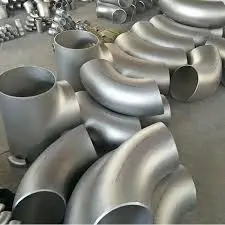
Understanding Steel Elbows in Chemical Plants
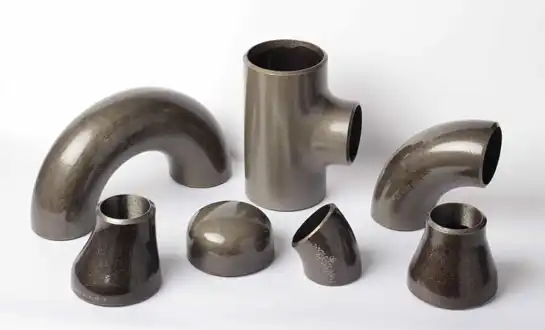
Steel elbows are very important joints that let pipe systems change directions while maintaining structural integrity and smooth flow characteristics. These parts make it possible for pipes to go around barriers, connect equipment at different angles, and work in chemical processing plants with limited space. The main part of the design is made up of bent parts that change the flow of fluid at set angles, usually 90 degrees or 45 degrees, but different uses may need different angles.
Types of Steel Elbows and Their Applications
Particular elbow designs are needed in chemical plants because of working needs and safety concerns. Carbon steel elbows are strong and relatively cost-effective, making them suitable for general applications under moderate temperature and pressure conditions. These fittings have excellent mechanical properties and can withstand high structural loads. This makes them suitable for non-corrosive chemical processes and water treatment applications.
Stainless steel types offer better protection against rust, which is important for working with harsh chemicals and high temperatures. The chromium content in stainless steel forms a passive oxide layer that protects the metal from breaking down when it comes into contact with acidic or alkaline substances that are common in chemical processing areas. To achieve the required performance properties for specific applications, alloy steel elbows contain additional elements such as molybdenum or nickel.
International Standards and Rules for Following Them
The UAE's chemical plants must follow rules that are known all over the world to be safe and consistent with quality. For steel pipe fittings used in industry, ASTM guidelines spell out the materials they are made of, their mechanical qualities, and how they should be tested. ASME B16.9 talks about the exact sizes, specs, and markings that must be used for factory-made wrought steel butt-welding fittings, like elbows that are used in pressure pipe systems.
In addition to ASTM requirements, DIN standards provide European specs that give more information on how to choose materials and measure performance. GOST 17375 standards define requirements for butt-weld steel elbows and bends. These standards are especially useful for projects that need to work with pipeline systems in Central Asia and Eastern Europe. These standards require very close limits on dimensions and strict testing methods that make sure the structure stays strong even in the harshest circumstances.
Comparing Steel Elbow Options for Chemical Plant Applications
Understanding the performance differences among various types of steel elbows enables informed decisions that balance safety and cost-effectiveness. The choice of materials for steel elbows directly affects system lifespan, maintenance requirements, and overall project success in chemical processing environments.
Carbon Steel vs. Stainless Steel Performance Analysis
Carbon steel elbows work great in situations where keeping costs low is important while still meeting performance standards. With their high tensile strength, these fittings can handle large pressure loads without affecting the structure's stability. However, when carbon steel is deployed in highly corrosive environments, it requires protective coatings or cathodic protection systems, which can significantly increase long-term maintenance costs and the total cost of ownership.
Because stainless steel elbows are so resistant to rust, most chemical uses don't need any extra protection on the outside. The higher cost of stainless steel at first can often be recovered over the life of the system because it needs less upkeep and lasts longer. While Grade 304 stainless steel is good for most uses, Grade 316 is better for areas with very harsh chemicals because it is more resistant to rust.
Seamless vs. Welded Construction Considerations
The manufacturing method has a big effect on how well an elbow works and whether it's right for a certain job. Seamless elbows go through hot-forming methods that make regular grain structures without welds. This gives them higher pressure ratings and better resistance to wear. Because of these features, seamless elbows are very useful in high-pressure situations and systems that are loaded and unloaded over and over again.
In low-pressure applications, welded elbows are generally more cost-effective than seamless options while still meeting performance standards. Modern methods of welding and heat treatment make sure that welded parts meet the high quality standards needed in chemical plants. The choice between seamless and welded construction depends on pressure requirements, budget, and specific application needs.
Connection Methods and Installation Considerations
Butt-weld elbows are the safest way to connect pipes in a chemical plant because they make the walls of the pipes continuous without any visible parts that could cause stress or turbulence. This type of link makes it easier to clean and check thoroughly, which is important for chemical handling systems. Welding makes permanent parts that don't have the possible leak paths that come with mechanical links.
Flanged elbows are useful in systems that need to be taken apart often for cleaning or repair. But flanged joints add more places for leaks to happen, so you need to be very careful when choosing gaskets and tightening bolts. Socket-weld elbows make it easy to place pipes with a smaller diameter while still keeping structural integrity for moderate pressure uses.
How to Select and Procure the Best Steel Elbows for Your Chemical Plant in the UAE?
For procurement strategies to be effective, careful evaluation of technical requirements, supplier capabilities, and long-term performance goals is essential. In the UAE, the chemical business needs providers that know the local rules and can guarantee quality throughout the whole project lifecycle.
Essential Selection Criteria for Chemical Plant Applications
Pressure ratings must account for system operating pressures as well as safety margins required by applicable codes and standards. When thinking about temperature, you need to think about both normal working conditions and possible upset situations that could put elbows at risk of thermal shock or high temperatures. Chemical compatibility research makes sure that certain materials won't break down when they come in contact with certain cleaning and process fluids.
Dimensional accuracy directly affects installation quality and system performance, making supplier quality control processes critical during evaluation. Suppliers with a good reputation give thorough material test results and dimensional inspection papers that show the materials meet the requirements. When working with foreign contractors or having to deal with government oversight, these documentation standards become even more important.
Supplier Evaluation and Quality Assurance
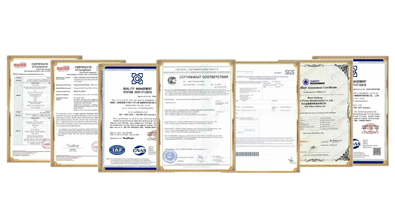
Identifying reliable suppliers requires a thorough evaluation of their manufacturing capabilities, quality control systems, and supply chain reliability. Getting ISO 9001:2015 certification shows that you are committed to using consistent quality management practices. Certifications that are specific to your business give you even more proof of your technical ability. Supplier audits and building visits are very helpful for learning about how things are made and how quality control is done.
Supply chain resilience is becoming more and more important for UAE chemical projects, especially since global problems can affect the supply of materials and transport times. Suppliers with a variety of industrial sites and well-established inventory management systems can make sure that orders are delivered on time and that supplies are always available. When needed, quick technical help and delivery are made easier by having local offices or service centres in the UAE area.
Cost Optimisation and Procurement Strategies
Buying things in bulk can save you a lot of money and make sure that all of your big projects use the same materials. But warehouse management has to weigh the cost savings against the space needed for keeping and the chance that materials will break down over time. When you use the same types and sizes of elbows on multiple projects, you can save money by buying in bulk and make it easier to keep track of upkeep and extra parts.
Experience shows that evaluating the total cost of ownership rather than the initial purchase price often leads to better long-term value. Some steel elbows that are of higher quality and have better corrosion protection may cost more, but they last longer and need less upkeep. This economic benefit is especially clear in chemistry uses, where system downtime costs a lot.
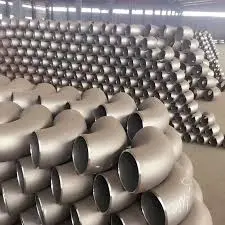
Installation, Maintenance, and Performance Optimisation of Steel Elbows
Steel elbows work as expected for the duration of their design life as long as they are installed and maintained properly. Chemical plants need careful attention to installation details and regular checks to make sure nothing goes wrong that could endanger people or stop operations.
Installation Best Practices and Welding Requirements
Welding processes must follow the rules set by codes like ASME Section IX, which says who can do the welding and what the methods should be. Pre-weld preparation includes proper fit-up, cleaning, and preheating as required by the material. For some materials, a post-weld heat treatment may be needed to get rid of any remaining strains and improve their mechanical qualities.
Joint preparation and alignment have a big effect on the quality of the weld and how well it works in the long run. The right beveling and gap sizes make sure that the metal goes all the way through and prevent stress concentrations that could lead to fatigue cracking. The order and method of welding must keep distortion to a minimum while still meeting certain mechanical qualities and corrosion resistance standards.
Preventive Maintenance and Inspection Protocols
Visual inspections, ultrasonic thickness measurements, and comprehensive non-destructive testing (NDT) should form the core of regular maintenance plans as dictated by service conditions.Corrosion tracking programmes keep track of how quickly materials break down and allow planned repair plans that stop unexpected failures. Recording inspection results creates past records that help efforts to make things more reliable.
Both the outside and the inside of surfaces need to be taken care of during maintenance. This is especially important in chemical uses where contaminated process fluids can speed up rusting. Cleaning procedures should specify compatible chemicals and methods that remove deposits without damaging base materials or protective coatings. With regular repair, you can make your system last longer and keep it safe and reliable.
Flow Dynamics and System Efficiency Optimisation
Choosing the right elbow radius has a big effect on how much pressure is lost and how turbulent the flow is in pipe systems. When compared to short-radius elbows, long-radius elbows with a centreline radius equal to 1.5 times the nominal pipe diameter offer smoother flow changes and lower pressure losses. This flow advantage is especially beneficial in systems requiring high flow rates or improved energy efficiency.
Putting steel elbows in pipe plans in a smart way can reduce turbulence and improve system performance. Before and after bends, make sure there are enough straight sections of pipe to allow flow to form properly and lower stress concentrations. During the planning process, computer modelling tools can predict flow patterns and pressure losses, which lets engineers choose and place steel elbows in the best way possible.
Conclusion
When chemical companies in the UAE are looking for the best steel elbows, they need to carefully think about the properties of the material, the standards for manufacturing, and the skills of the seller. When planning a project, it's important to think about both the short-term prices and the long-term performance goals, as well as the safety and legal requirements.
Carefully matching material grades—such as choosing between carbon steel and 316 stainless steel—to the specific chemical environment and budget is crucial. Furthermore, adhering to strict installation and inspection protocols will maximize system reliability, extend service life, and ultimately deliver superior ROI for chemical processing operations.
Working with qualified suppliers who know what the UAE market needs and keep up with the right certifications gives you access to high-quality goods backed by solid technical knowledge and supply chain capabilities.
FAQ
1. What material grades work best for highly corrosive chemical applications?
Because it contains molybdenum, Grade 316 stainless steel is very resistant to corrosion in harsh chemical conditions. This is because molybdenum makes the steel more resistant to corrosion caused by salt. When working with acids, caustic solutions, and chlorinated compounds, which are common in chemical processing, this type of material works effectively.
2. Can custom-sized elbows be manufactured for unique piping layouts?
In fact, trustworthy makers can make elbows with particular angles, sizes, and materials to fit the needs of a specific project. Custom fabrication usually has longer wait times and lower minimum order amounts, but it is the best way to fix complicated pipe designs that can't use standard fittings.
3. How do different elbow types contribute to overall plant safety?
Properly selected steel elbows eliminate stress points and flow restrictions that could lead to system failure or pressure buildup. When you use the right materials and build something that doesn't leak, it will work reliably even when things go wrong. Also, making sure that it's installed and maintained correctly will stop leaks that could cause safety issues or environmental releases.
Partner with RAYOUNG for Premium Steel Elbows in UAE Chemical Projects
RAYOUNG is a premier manufacturer and trusted supplier of industrial steel elbows, providing comprehensive piping solutions specifically engineered for chemical plants in the UAE.We have a large selection of carbon steel and stainless steel elbows that are made to meet foreign standards like ASTM, ASME, and GOST. We offer full expert support, from choosing the right materials to helping with installation, to make sure that your important chemical processing processes run at their best. Our GOST-R and SGS certifications show that we follow export rules and guarantee quality. Our ISO 9001:2015 certification shows that we are dedicated to consistently producing high-quality goods. Get in touch with our technical team at info@hb-steel.com to talk about your project needs and find out how our bulk purchasing plans offer great value for big chemical plant setups.
References
1. American Society of Mechanical Engineers. "ASME B16.9 - Factory-Made Wrought Steel Buttwelding Fittings." New York: ASME Press, 2018.
2. ASTM International. "ASTM A234/A234M - Standard Specification for Piping Fittings of Wrought Carbon Steel and Alloy Steel for Moderate and High Temperature Service." West Conshohocken: ASTM International, 2019.
3. Deutsches Institut für Normung. "DIN EN 10253-2 - Butt-welding pipe fittings - Part 2: Wrought austenitic and austenitic-ferritic stainless steels with specific inspection requirements." Berlin: Beuth Verlag, 2020.
4. Federal Agency on Technical Regulating and Metrology. "GOST 17375-2001 - Steel pipe fittings welded end-to-end. General specifications." Moscow: Standartinform, 2001.
5. National Association of Corrosion Engineers. "Material Selection Guidelines for Chemical Plant Piping Systems in Middle East Environments." Houston: NACE International, 2017.
6. UAE Ministry of Industry and Advanced Technology. "Industrial Safety Standards for Chemical Processing Facilities." Abu Dhabi: Government Publications, 2021.

Need a quote? Want to see samples? Just say hello. We’re friendly. We’re fast. And we’re ready when you are.
Welcome to RAYOUNG – Strong Pipes, Stronger Promise