Welded Pipe Fittings vs Prefab Spools — Buyer Choice
For industrial projects, procurement managers have to choose between welded pipe fittings and premade spools. This is a big choice that affects the project's timing, costs, and performance in the long run. For high-pressure situations where solid links are needed, welded pipe fittings, such as butt weld and socket weld types, are strong options. The structural stability and leak resistance of these parts—elbows, tees, reducers, and caps—are very high, which makes them perfect for harsh industrial settings. Knowing the main differences between welded parts and prefabricated kits helps buyers make smart choices that meet the needs of their project and help the business reach its goals.
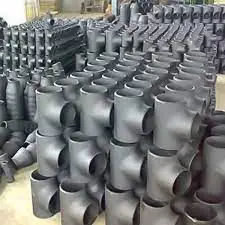
Understanding Welded Pipe Fittings and Prefab Spools
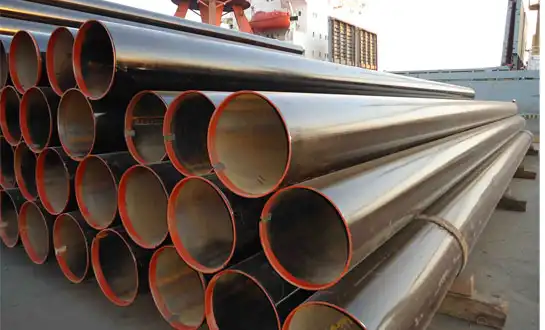
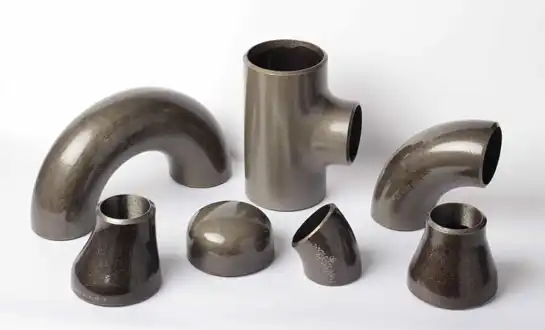
The main difference between welded pipe fittings and premade spools is how they are made and how they are installed. Welded pipe fittings are separate parts that need to be welded together on-site to make fixed links in pipe systems. These parts are made from high-quality materials like carbon steel and stainless steel, and they have to meet strict ASTM A234, ASTM A105, and ASME B16.9 / B16.11 standards for material specifications, pressure-temperature ratings, and tolerances in size.
Material Specifications and Standards Compliance
When welded parts are made, they go through strict quality control steps that make sure they meet international standards. Carbon steel fittings are very strong and can be used in a wide range of industrial settings. Stainless steel fittings, on the other hand, are better at resisting rust in chemical processing and sea environments. Precision forging or wrought steel forming processes are used to make parts with uniform wall thickness and optimal flow characteristics.
Prefabricated Spool Assembly Advantages
Prefab spools are pieces of pipe that have already been put together in a controlled workshop setting. These systems take different fittings, lines, and connection points and put them all together in one ready-to-install unit. This cuts down on the need for welding in the field. When compared to standard field assembly methods, the controlled manufacturing setting improves quality control, accuracy in measurements, and installation time. Radiographic testing, dimensional inspection, and weld quality checks are common quality control measures used in prefabrication workshops to make sure that every spool meets the project requirements before it is shipped. This method cuts down on the need for extra work to be done in the field and the chance of mistakes during installation that could damage the system.
Performance and Application Comparison
When it comes to how they work, welded pipe fittings and premade spools are very different depending on the purpose and installation conditions. Professionals in procurement can choose the best option for their project by understanding these performance qualities.
High-Pressure and Corrosive Environment Performance
When the pressure is higher than 100 bar, welded pipe fittings work best because the joint strength is very important for system safety. Welding creates a lasting bond that gets rid of any possible leak paths that might form in mechanical links over time. Socket weld fittings work very well in systems that handle hazardous, flammable, or high-value fluids where leaks cannot be tolerated. Butt-weld fittings made of stainless steel eliminate the crevices where corrosion pockets tend to form in threaded connections in chemical processing plants. This design benefit is very important when moving volatile acids or acidic fluids that would break down mechanical parts very quickly. Welded joints have a smooth inside, which lowers pressure drop and prevents turbulence that could speed up erosion in high-speed situations.
Installation Efficiency and Labor Considerations
Prefab spools have big benefits when it comes to how quickly and easily they can be installed. Skilled welders can work in the best conditions when making these parts in controlled settings. This leads to better welds and faster production rates. Field installation is mostly just placing and joining pre-built units, so there is less need for expert welding staff on-site. Because prefab spools don't need as much field welding, projects can be finished faster, and costs for workers are lower. This method works especially well in remote areas where skilled welders may not be easy to find or are expensive to get to. Also, being able to test and check quality in a controlled factory setting lowers the chance of fixes happening in the field, which can cause delays.
Decision-Making Factors for Buyers
When making strategic procurement choices, you need to carefully consider a lot of different factors that affect both the short-term prices of the project and its long-term performance. Buyers have to weigh the original investment against the costs that will come up over the course of the project's lifecycle.
Project Complexity and Customization Requirements
Individual welded fittings are very useful for complex pipe plans because they are flexible and can be set up in a variety of ways to meet specific route needs and size restrictions. Custom fabrication lets makers make parts that are unique and meet the needs of a particular project, even if the measurements, materials, or pressure levels aren't standard. Prefab spools work best in situations where the configurations are standard and the fitting process is repeated a lot. Large projects that use a lot of similar pipe sections can save a lot of money by prefabricating them. This is because economies of scale lower the cost of making each unit. Individual welded joints may be more cost-effective for setups that are very specific or one-of-a-kind, though.
Lead Times and Supply Chain Considerations
Project timelines and delivery schedules are critical factors in the procurement decision-making process. For standard configurations, welded pipe fittings usually have faster wait times becausemanufacturers maintain inventory of commonly requested sizes and specifications. This immediate availability is crucial for urgent maintenance jobs or emergency repairs. Because of the planning, fabrication, and quality control steps needed, prefab spools have longer wait times. However, this extra time spent usually leads to a faster finish of the job as a whole because of less time spent installing in the field. Buyers have to weigh these different factors based on their project plans and the resources they have access to.
Supplier Evaluation and Quality Assurance
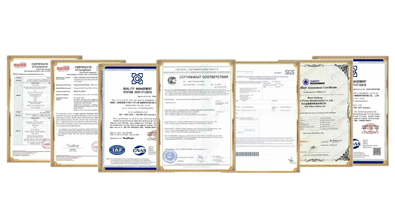
To find reliable suppliers, you need to look at their certifications, quality processes, and past success. ISO 9001:2015 certification shows that a provider is dedicated to quality management systems. Other industry certifications, like GOST-R conformity certification and SGS inspection or verification, give an extra guarantee of product quality and compliance with regulations. For important uses, it's especially important for suppliers to be able to track materials, offer testing facilities, and keep quality records. Being able to provide mill test certificates, heat treatment records, and measurement inspection reports makes sure that the project standards and government rules are met.
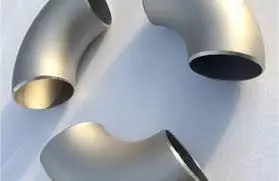
Procurement Insight: Buying Strategies for Welded Pipe Fittings and Prefab Spools
To make good buying plans, you need to know how the market works, how prices are set, and what suppliers can do. Depending on the size of the job, the time frame, and the price, different ways of buying may be best.
Wholesale Versus Custom Fabrication Approaches
When you buy standard welded fittings in bulk, you can save money on projects that know exactly what materials they will need and can be customized to fit their needs. Suppliers usually keep common sizes and grades in stock, which lets them offer competitive prices and fast delivery. This method works well for jobs and repair tasks that use standard pipe layouts. Sometimes projects need special materials, sizes, or performance traits, which means they need to be made to order. For specific uses, custom solutions usually come with higher prices and longer lead times, but they work perfectly. Customers should think about whether the extra cost of customization is worth it compared to changing patterns to fit standard goods.
International Logistics and Supply Chain Management
When planning a global sourcing strategy, it's important to think about things like foreign shipping needs, customs routines, and quality control methods. Experienced providers offer full logistics support, which includes the right paperwork, packing, and shipping plans to keep delays to a minimum and protect the quality of the product while it's being shipped. Getting rid of supply chain risks is especially important when buying things from other countries. Setting up ties with several qualified providers and keeping the right amount of inventory on hand can help make sure that materials are always available, even if there are problems. Critical projects are safer when they work with suppliers who have global marketing networks and local help capabilities.
Case Studies and Practical Examples
Applications in the real world show the usefulness and performance features of various pipe systems. These examples can help buyers who are looking at similar applications.
High-Pressure Pipeline Success Story
For a recent cross-country oil transfer job, special welded fittings with pressure ratings of more than 150 bar were used. The permanently welded joints provided the stability required for pipeline sections located in remote and hard-to-maintain areas. When small connections were needed, like at pump stations and valve systems, socket weld joints worked really well. Maintenance costs were 15% lower on this job than on similar setups that used mechanical connections. Because of this improvement, the pipeline saved a lot of money over its service life, showing how important it is to use high-quality welded joints in critical situations.
Prefab Spool Implementation Benefits
A renovation job at a chemical processing plant cut installation time by 30% by using a lot of prefab spools. The controlled production setting made it possible to check the dimensions carefully and test the quality thoroughly before sending the product to the customer. This method got rid of the need to redo work in the field and kept welding workers out of dangerous areas. Better quality control also helped the job; compared to standard stick-built construction, there were 90% fewer field weld defects. This increase cut down on the cost of inspections and the time it took to fix welds, showing how useful prefabrication can be for complicated industrial tasks.
Conclusion
Depending on the needs of the project, the time frame, and the long-term operating objectives, welded pipe fittings or premade spools may be chosen. Welded fittings give you the most options and have been shown to work well in harsh, high-pressure situations where long-lasting links are needed. For standard uses that use the same setups over and over, prefab spools make installation faster and better. To make sure the project is a success, procurement must carefully look at the skills, quality processes, and service performance of suppliers. When buyers understand these basic differences, they can make smart choices that lower project costs and improve long-term operating performance.
FAQ
1. What are the main differences between welded pipe fittings and prefab spools?
Welded pipe fittings are separate pieces, like elbows, tees, and reducers, that need to be welded together in the field. Prefab spools are sections of pipe that have already been put together in a controlled workshop setting. They are made up of several parts that are put together in a way that makes them ready to be installed, which means less welding in the field.
2. Which option is better for high-pressure applications?
Welded pipe fittings usually work better in high-pressure situations above 100 bar because the joints are stronger and the fusion lasts longer. Welded connections get rid of any possible leak paths that could form in mechanical connections over time.
3. How do I verify supplier quality and certifications?
Check that the company has ISO 9001:2015 certification, as well as industry-specific certifications like GOST-R conformity and SGS inspection services. Also, make sure that they have a lot of quality paperwork, such as mill test certificates and dimensional inspection reports. Check out the supplier's track record, testing centers, and ability to track materials.
4. What key factors should influence my procurement decision?
Think about the difficulty of the project, the need for customization, wait times, budget limits, the installation setting, and the need for long-term upkeep. To make sure the job goes well, look at the supplier's skills, quality processes, delivery performance, and help after the sale.
Partner with RAYOUNG for Your Welded Pipe Fittings Requirements
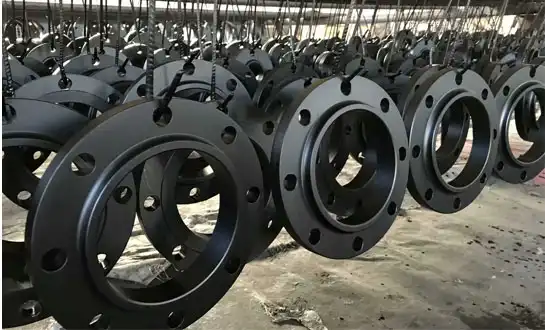
RAYOUNG offers complete welded pipe fittings solutions that are backed by ISO 9001:2015 approval and high-quality standards around the world. We manufacture a comprehensive range of products, including butt weld elbows, socket weld tees, steel reducers, and flanges, utilizing high-quality carbon steel and stainless steel. As a trusted manufacturer of industrial welded pipe fittings for demanding applications, our GOST-R and SGS certifications ensure strict compliance with international export standards. Our experienced engineering team can give you unique solutions, reasonable prices, and reliable delivery times that work for your project. Email our experts at info@hb-steel.com to talk about your unique needs and get thorough technical proposals for the projects you have coming up.
References
1. American Society of Mechanical Engineers. "ASME B16.11 - Forged Fittings, Socket-Welding and Threaded." ASME Standards, 2018.
2. ASTM International. "ASTM A234/A234M - Standard Specification for Piping Fittings of Wrought Carbon Steel and Alloy Steel for Moderate and High Temperature Service." ASTM Standards, 2019.
3. Mohitpour, M., Golshan, H., and Murray, A. "Pipeline Design and Construction: A Practical Approach, Third Edition." American Society of Civil Engineers Press, 2007.
4. Nayyar, M.L. "Piping Handbook, Seventh Edition." McGraw-Hill Professional, 2000.
5. Smith, P.R. "Welded Joint Design and Fabrication in Industrial Applications." Journal of Pressure Vessel Technology, Vol. 142, No. 3, 2020.
6. Thompson, R.K., and Williams, J.A. "Prefabrication Strategies for Industrial Piping Systems: Cost and Quality Analysis." Industrial Construction Management Review, Vol. 28, No. 4, 2021.

Need a quote? Want to see samples? Just say hello. We’re friendly. We’re fast. And we’re ready when you are.
Welcome to RAYOUNG – Strong Pipes, Stronger Promise