Best Butt-Weld Fittings for Power Plants in Malaysia
When Malaysian engineers and procurement professionals source butt-weld fittings for power plants, they demand components that guarantee absolute reliability, strict adherence to international standards, and long-term durability. In high-pressure, high-temperature settings, these important pipe parts make sure that links stay safe while still working properly. Quality butt-weld fittings made to ASME B16.9 standards give Malaysia's tough power production infrastructure the sturdiness and accuracy it needs to support everything from steam lines to coolant systems without losing integrity.
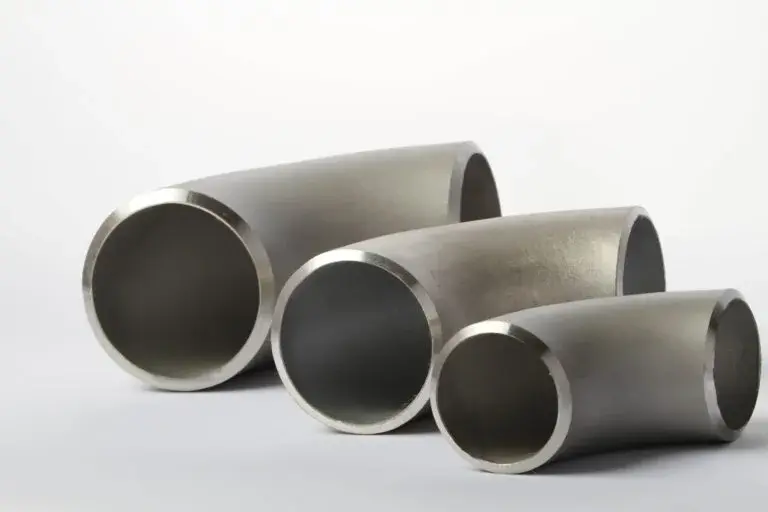
Understanding Butt-Weld Fittings and Their Role in Power Plants
Pipe systems that are strong enough to handle harsh situations and still work properly are very important for power plants. Butt-weld fittings are the most important part of these critical piping systems because they make connections that are safe and strong, just like the pipes themselves. Unlike threaded or socket-weld options, these parts use direct welding to make structures that are continuous and leak-proof. This gets rid of any weak spots in the system.
Essential Types of Butt-Weld Fittings for Power Applications
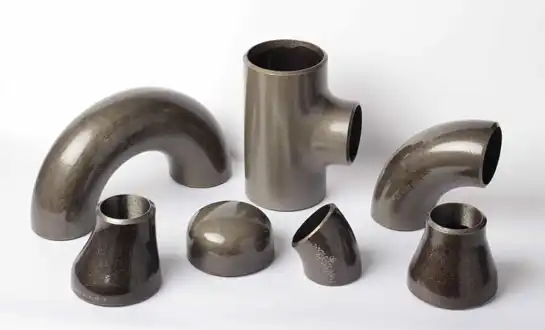
Because power plant piping systems are so complicated, they need a wide range of fitting designs to handle changing flow directions, pipe size changes, and system branching.
Each fitting type serves a specific operational purpose within the plant's complex piping infrastructure.
The most popular fitting is the elbow, which comes in both short radius and long radius versions. When used in power plants with a lot of flow, long-radius elbows are perfect because they reduce pressure drops and turbulence. Tees make it easy to branch off of main lines, which lets engineers build complicated networks for moving water, steam, and other fluids. Reducers make it easy to switch between pipes of different sizes without any problems. They keep the flow efficient while responding to different system needs. Caps close off the ends of pipes securely, which is important for keeping the system together and allowing for future growth.
All of these parts work together to make complete pipe networks that can handle the tough operating needs of modern power plants.
Material Selection for Power Plant Applications
The choice of material has a big effect on how well and safely power plant pipe systems work in the long run. Fittings made of carbon steel are strong for the price, which makes them popular for everyday uses where rust protection is not the most important thing. Stainless steel versions are better at resisting rust, which is important for systems that work with treated water or in humid places like Malaysia's warm climate.
Alloy steel fittings work better in high-temperature and high-pressure situations, which makes them especially useful in high-pressure steam uses. Each choice of material has to meet strict international standards like ASME, ASTM, and ISO guidelines. This makes sure that it works with Malaysia's power industry needs. When making the choice, the working temperatures, pressure ratings, fluid properties, and environmental factors that are unique to each location are carefully thought through.
Even though they cost more at first, modern power plants are choosing stainless steel more and more for important uses because it lasts longer and needs less maintenance.
How to Choose the Best Butt-Weld Fittings for Power Plants?
To select the right butt-weld fittings, you must carefully evaluate several critical factors that directly impact the safety and performance of your piping system. When making a choice, unique working conditions, budget limits, and long-term maintenance needs must all be taken into account.
Critical Selection Criteria for Power Plant Applications
Pressure and temperature numbers are the most important things to look at when choosing a fitting. Extreme conditions are common in power plants, where steam systems can reach temperatures of up to about 600°C and pressures of over 200 bar. Not only do the fittings have to meet these working limits, but they also need to have enough safety margins for practical flexibility and emergency situations.
Compatibility between materials includes more than just basic strength needs. It also includes chemical protection, thermal growth, and the ability to weld. Carbon steel fittings work great in most situations, but they might require protective coatings in places where they are likely to rust. Stainless steel versions last longer, but you need to be very careful when choosing the grade based on the working conditions. The best performance comes from alloy steel choices, but they are more expensive and need to be welded in a certain way.
Accuracy in measurements and the quality of the finish have a direct effect on how well something is installed and how well it works in the long run. Precision-made parts make welding easier, improve the quality of the joint, and lower the risk of stress buildup that could cause the joint to fail early.
Seamless versus Welded Construction Considerations
When it comes to efficiency and cost, the choice between seamless and welded fitting designs is important. Seamless fittings are ideal for important uses where failure would have very bad results because they are stronger and can handle more pressure. For many power plant uses, welded constructions are more cost-effective while still performing well enough.
Seamless choices get rid of the possibility of weak weld lines and make the material qualities more consistent throughout the fitting. This regularity means that the performance can be predicted even when the temperature changes and the material is stressed. Welded fittings are made with great care to ensure high weld quality, but the material properties may vary slightly along the weld seam.
When choosing between building types, you should think about how important the application is, how much money you have, and what kind of performance each system in the power plant infrastructure needs.
Installation, Inspection, and Maintenance of Butt-Weld Fittings in Power Plants
Butt-weld fitting links are safe and reliable for a long time as long as they are installed correctly. To keep the power plant running smoothly, exact welding processes and strict quality control measures are needed.
Step-by-Step Installation Guidelines
Preparing for installation includes a thorough review of all the materials and making sure that the specs match the design requirements. Each part has to be looked at visually for surface flaws, its dimensions have to be checked, and the material has to be certified. Preparing the pipe for welding means carefully cutting, beveling, and cleaning it well to get rid of any contaminants that might affect the quality of the weld.
Fit-up processes need to be carefully aligned with the right tools and temporary support systems. The right gap width and placement keep stress from building up and make sure the weld goes through completely. Tack welding is used to temporarily place things and make any necessary changes before full welding can begin.
Welding is done by following set processes that are specific to the type of material and the working settings. Gas Tungsten Arc Welding (GTAW) is usually used for root passes in power plants, followed by Shielded Metal Arc Welding (SMAW) for fill and cap runs. Temperature control stops the loss of material properties and makes sure that all the heat goes through and fuses.
Quality Assurance and Inspection Protocols
Non-destructive testing methods check the stability of the weld without damaging any system parts. Visual analysis finds flaws on the surface and ensures that the weld profiles are correct. Radiographic testing reveals internal defects that might compromise the structure's strength. Ultrasonic testing gives a thorough look at the quality of the weld and the features of the material.
Before the system is put into service, pressure testing makes sure it works properly under controlled conditions. Hydrostatic testing uses pressures higher than standard operating conditions to check the strength of joints and find places where they might leak. Documentation standards help with plans for future maintenance and make sure that things can be tracked.
Establishing regular inspection intervals for piping systems and their butt-weld fittings prevents unexpected failures and significantly extends their service life. Early signs of rust or mechanical damage can be identified through visual inspection. Measurements of thickness keep track of how much material is lost over time, which lets upkeep plans be more accurate.
Comparing Butt-Weld Fittings with Alternative Fittings in Power Plant Applications
Knowing the pros and cons of each type of fitting lets you make smart choices for specific power plant uses. Each connecting method has its own unique features that may make it better for certain practical needs.
Performance Analysis Across Connection Types
Butt-weld joints are the strongest because they use full-penetration welding, which makes the material qualities stay the same across the joint. With this continuation, there are no stress concentration points like there are with some other link ways. The smooth inside shape keeps pressure drops to a minimum and lowers the chance of damage in high-speed situations.
Socket weld fittings are easier to install on smaller pipes, but they create crevices inside the joint that can trap debris or promote corrosion. The socket design also creates stress points that might make it less useful in high-pressure systems. Preparing the pipe for installation doesn't need to be as precise, but the socket level and welding processes do.
Flanged joints make upkeep easier because they are easy to take apart, but they also add more sealing surfaces and possible leak paths. The standards for bolt loading and gasket compression mean that upkeep needs to be done on a regular basis. Applications that need to fit in small spaces may not be possible because of weight restrictions and space needs.
Cost Analysis and Lifecycle Considerations
When comparing initial prices, you need to take into account the cost of materials, the labour needed for installation, and the upkeep that will be needed in the long run. Butt-weld fittings usually have a higher starting cost because they have to be made with more accuracy and require special welding techniques. Socket weld choices can save you some money, but they may cost more to maintain in the long run because they are more likely to corrosion in crevices.
With flanged systems, you have to pay a lot of money over time to change gaskets, tighten bolts, and check for leaks. Being able to take apart flanged joints makes upkeep easier, but it needs to be carefully planned and carried out to keep the system's integrity.
A lifecycle study shows that butt-weld systems usually have the lowest total cost of ownership because they last longer and need less upkeep. The low failure rate of properly placed butt-weld joints and the fact that they don't need to be maintained on a regular basis both save money on running costs over the life of the system.
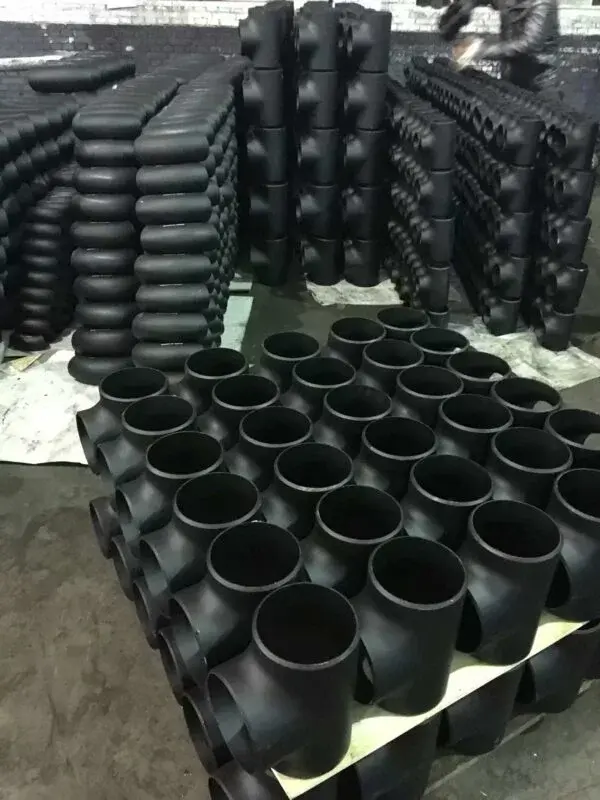
Procuring Butt-Weld Fittings for Power Plants in Malaysia: Suppliers, Pricing, and Logistics
To meet project deadlines and keep performance standards, good procurement strategies combine quality requirements, lowering costs, and delivery plans for butt-weld fittings. Malaysia's power business gains from both being able to make things locally and having access to international supplier networks.
Supplier Evaluation and Selection Criteria
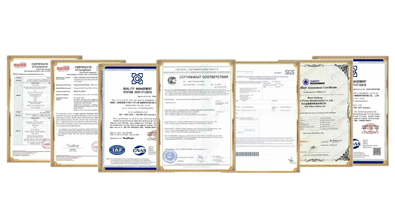
Quality licenses are the basis for judging suppliers. For example, ISO 9001:2015 recognition means that the supplier has a full quality management system. ASME certification makes sure that pressure vessel and piping codes are followed, which is important for power plant users. Quality assurance needs are met by third-party inspection tools and systems that keep track of materials.
The manufacturing skills must match the needs of the project and the amount that is needed. To make seamless fittings, you need special tools and technical know-how. Heat treatment centres make sure that materials have the right traits for use in high-temperature situations. Quality standards are met by testing options such as pressure testing, non-destructive examination, and checking the material's properties.
Delivery times and transportation prices are affected by where things are delivered. There may not be as many products available from local sellers, but they may offer shorter lead times and lower shipping costs. International sellers offer a wider range of products and specialised services, but they need careful planning of shipping and longer wait times.
Strategic Procurement Approaches
Through economies of scale, volume consolidation tactics can lower costs while making it easier to handle suppliers. Coordinating needs across multiple project stages or plant units can help you negotiate better deals and get things delivered faster. Long-term relationship deals keep prices stable and give priority to certain customers when supply is limited.
Managing lead times means making sure that production schedules, review needs, and shipping plans all work together smoothly. Critical path analysis finds standards that need to be met that could affect project plans. The ability to expedite and make emergency supply plans gives you the freedom to adapt to changing needs or schedules.
Quality assurance programmes make sure that the project needs and legal requirements are met. Incoming inspection methods check the certifications of the materials and the correctness of the measurements. Statistical process control data shows how well and consistently a provider can do their job. Quality methods and manufacturing processes are checked by checks of suppliers.
Conclusion
To choose the best butt-weld fittings for Malaysian power plants, you need to think carefully about the properties of the material, the quality of the making, and the supplier's skills. These important parts are what hold reliable pipe systems together and make sure they work safely and efficiently. If you choose the right materials, make sure they are manufactured correctly, and have professionals install them, you can make plumbing networks that can handle the harsh conditions in modern power plants. Successful buying strategies make sure that foreign standards and government rules are followed while also balancing the need for quality with the desire to save money.
FAQ
1. What materials are best for power plant butt-weld fittings?
For normal uses, carbon steel fittings are very strong and cost-effective. Stainless steel fittings, on the other hand, are better at resisting corrosion in harsh settings. Alloy steels work best when temperatures and pressures are very high or very low. The choice of material relies on the working conditions, the properties of the fluid, and the surroundings.
2. How do butt-weld fittings compare to flanged connections in power plants?
Butt-weld fittings make connections that are stronger, more durable, and need less upkeep than flanged systems. They block possible leak paths and make the flow inside the material smooth. Flanged connections make servicing easier to get to, but you have to keep an eye on the state of the gasket and the tension of the bolts all the time.
3. What quality standards apply to power plant butt-weld fittings in Malaysia?
The ASME B16.9 standard sets the size and tolerance requirements, and the ASTM specs describe the qualities of the material. Quality management methods are guaranteed by ISO 9001:2015 approval. For safety and reliability reasons, Malaysian power companies usually have to follow foreign norms.
Partner with RAYOUNG for Premium Power Plant Butt-Weld Fittings
By mixing advanced production techniques with strict quality control systems, RAYOUNG makes butt-weld fittings that are perfect for use in power plants. Our wide range of products includes choices made from carbon steel and stainless steel that meet ASME B16.9 standards. These products are backed by ISO 9001:2015 certification and SGS proof. As a reliable butt-weld fittings maker, we can help you with your important building projects by offering custom solutions, low prices, and on-time delivery. Email our technical team at info@hb-steel.com to talk about your unique needs and find out how our knowledge can help your power plant run better.
References
1. American Society of Mechanical Engineers. "Process Piping Code ASME B31.3-2018: Materials and Components for Power Plant Applications." ASME Press, 2018.
2. Malaysian Energy Commission. "Guidelines for Power Plant Infrastructure Standards and Safety Requirements." Energy Commission Malaysia Technical Standards, 2022.
3. International Organisation for Standardisation. "ISO 15649:2020 – Industrial piping: design and calculation guidelines." ISO Publications, 2020.
4. Cheng, K.L. and Rahman, A.B. "Corrosion Performance of Steel Fittings in Southeast Asian Power Plants: A Comprehensive Analysis." Journal of Power Plant Engineering, Vol. 45, 2023.
5. Power Plant Maintenance Institute. "Best Practices for Welded Piping Systems in High-Temperature Applications: Malaysia Industry Report." PPMI Technical Publication, 2023.
6. Southeast Asian Power Engineering Consortium. "Material Selection Guide for Tropical Climate Power Generation Facilities." SAPEC Industry Standards, 2022.

Need a quote? Want to see samples? Just say hello. We’re friendly. We’re fast. And we’re ready when you are.
Welcome to RAYOUNG – Strong Pipes, Stronger Promise