Guide: Material Grades for High-Pressure Flanges
Choosing the right types of material for high-pressure flanges is a very important choice that can make or break industrial projects. High-pressure flanges are important parts of pipe systems that work in harsh environments. They need to be made of materials that can handle high pressure, changing temperatures, and environments that are harmful. Knowing the specs of a material is important for making sure that operations are safe, that you're following industry norms, and that you're saving money in the long run. This complete guide examines the most important material grades. It helps procurement professionals make decisions that meet performance requirements, stay within budget, and maintain the highest safety standards.
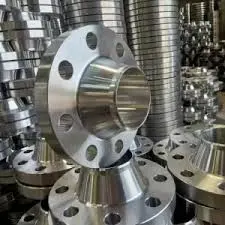
Understanding High-Pressure Flanges and Their Material Requirements
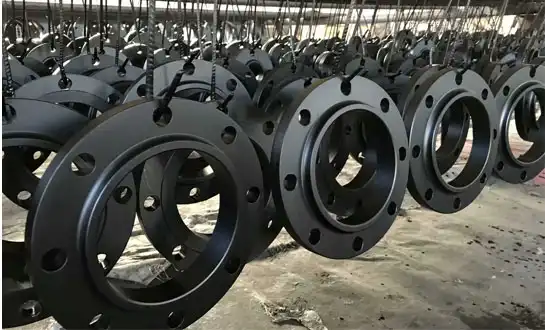
High-pressure flanges are the most important part of modern industrial pipe systems, especially in areas where safety must be the top priority. Specialized parts like these make links between lines, valves, and equipment safe in places where regular flanges would fail horribly.
Critical Applications Across Industries
Many demanding industries rely on high-pressure flanges. These parts are used in oil and gas activities for connecting wellheads, pipeline joints, and processing units in refineries, where operating pressures can range from several hundred PSI to extremely high levels in specialized upstream equipment. Power plants count on them for reliable links for steam systems and turbines, and chemical processing plants use them to work with corrosive materials at high temperatures. Considering the harsh conditions in which these flanges operate, selecting the right material types becomes critically important. The total success of a system is based on its pressure levels, temperature tolerance, and resistance to corrosion. Material compatibility with nearby parts stops galvanic rusting and makes sure that the new part fits in perfectly with the current infrastructure.
Essential Material Properties
Knowing the basic qualities of a material helps procurement teams make choices that meet practical needs. Ultimate tensile strength tells you the maximum stress that a material can withstand before it breaks. Yield strength tells you how much stress a material can take before it permanently changes shape. In high-temperature situations where materials may slowly change shape under long-term stress, creep resistance becomes very important. Chemical compatibility is also very important, especially in handling areas where flanges come into contact with harsh media. During their service life, materials must be able to resist specific corrosive agents while maintaining their structural integrity. This compatibility includes gasket materials and bolt kits, making a full sealing system that works reliably even in harsh circumstances.
Common Material Grades Used in High-Pressure Flanges
Modern industry uses materials that are strong, last a long time, and don't cost a lot of money. Understanding the characteristics of different material grades helps procurement teams make informed decisions that balance performance requirements with project budgets.
Carbon Steel Grades
ASTM A105 is one of the most commonly used carbon steel materials for high-pressure flanges. It has a great strength-to-cost ratio for most working conditions. Forged carbon steel like this works well in temperatures ranging from -20°F to 650°F, so it can be used in most industrial settings. It is easy to find and is made using tried-and-true methods, which helps keep prices low and supply lines stable. Some ASTM A350 types, like LF2 and LF3, work really well in low-temperature situations where regular carbon steels get weak. These normalized steels maintain good toughness at low temperatures and are commonly impact-tested at −50°F, making them suitable for many low-temperature and cryogenic-adjacent applications. This makes them necessary for cryogenic services and installations in cold climates. Their improved notch toughness helps prevent brittle fracture during thermal shock.
Stainless Steel Options
Grade 304 stainless steel is very resistant to corrosion in mild settings. It has good mechanical qualities and is also resistant to corrosion from oxidizing acids and the air. Its austenitic structure makes it very flexible and easy to shape, but chloride contact can cause stress corrosion cracks in high-temperature settings. Molybdenum is added to grade 316 stainless steel to make it much more resistant to corrosion, especially in chlorides and coastal settings. Because it is more resistant, it is the best choice for remote platforms, chemical processing, and medicinal uses where product purity is very important. The material maintains good corrosion resistance and mechanical properties at elevated temperatures, making it suitable for many industrial applications, typically up to about 800°F depending on design conditions. Duplex stainless steels offer higher strength and improved resistance to chloride stress corrosion cracking compared with many conventional stainless steels. These materials offer excellent resistance to stress corrosion cracking and allow weight reduction because thinner sections can be used.
Specialized Alloy Steels
ASTM A182 F11 and F22 are chrome-molybdenum alloy steels made for use at high temperatures in industrial and power generation processes. At temperatures up to 1100°F, these materials maintain strength and dimensional stability, which makes them perfect for steam systems and high-temperature handling equipment. When used in the toughest situations, Inconel alloys perform extremely well because of their excellent corrosion resistance and their ability to maintain strength at temperatures approaching 1800°F in certain high-temperature applications. They are a lot more expensive than regular materials, but their success in harsh environments often makes up for it by giving the product a longer life and requiring less upkeep.
Comparing Material Standards and Specifications
To use international material standards, you need to know how the different approval methods work together to make sure that everything works everywhere. When buying parts from foreign sources or working on projects with people from other countries, this information becomes very important.
ASME and API Standards
ASME B16.5 defines the dimensional requirements, pressure-temperature ratings, materials, and testing requirements for pipe flanges and flanged fittings. This standard talks about pressure classes from 150 to 2500, and it has different material needs for each class. Knowing these specs will help you choose the right materials and follow North American standards. The API 6A and API 6B standards are widely used in the oil and gas industry, particularly for wellhead equipment and specialized flanges used in drilling and production systems. These guidelines add more requirements for sour service conditions, like making sure the material can fight corrosion from hydrogen sulfide and carbon dioxide. Because these guidelines are used in the petroleum business, the material requirements often go beyond what ASME normally says.
International Standard Equivalencies
Cross-referencing between ASTM, EN, DIN, and JIS standards makes it possible to source goods from around the world while keeping quality standards high. It is important to carefully check that European EN standards are equivalent because they often have similar performance traits but use different testing methods. Some of the requirements in the Japanese JIS standards for material traceability and protection to earthquakes may be stricter than those in other foreign standards. Knowing these equivalents helps procurement teams rate sellers from different parts of the world and make sure they meet project requirements. Different standards have different documentation needs, which affects how to get certified and how long it takes to get approval for foreign projects.
How to Choose the Right Material Grade for Your High-Pressure Flange Needs
To choose the best material grades, you need to carefully look at things like cost, long-term performance goals, and working factors. As part of this process, many factors are looked at together to figure out the total stability and lifecycle value of the system.
Matching Materials to Operating Conditions
Operating pressure is the main selection factor that determines the minimum strength needed and safety factors for the material. Temperature has a big effect on the qualities of a material. For example, some metals lose their power at high temperatures and become brittle at low temperatures. When you mix pressure and temperature, you get some unique problems that need careful material review. Chemical exposure concerns go beyond just rust protection and include things like hydrogen weakening, sulfide stress cracking, and chloride-caused failures. Knowing the specific chemistry of process fluids helps find possible reactions between materials that could cause them to fail too soon.
Cost-Performance Analysis
Initial material prices are an obvious thing to think about, but lifetime analysis gives us a more complete way to look at things. Higher-grade materials may be worth the extra cost because they last longer, need less upkeep, and have better safety limits. In situations where replacement costs include a lot of downtime and work costs, this study becomes even more important. Take the example of a petroleum plant that put in carbon steel flanges at first to save money, but they kept breaking down because of the harsh conditions. When these parts were replaced with 316 stainless steel, the failure modes went away, and upkeep costs went down. In the end, the higher original investment was worth it because the value was higher.
Supplier Certification and Quality Assurance
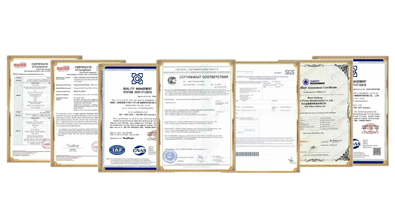
Working with approved makers makes sure that materials can be tracked and that they meet industry standards. Quality certifications like ISO 9001:2015 demonstrate that quality management is executed in a structured way, while specific industry certifications ensure that strict technical standards are met. Material test papers are written proof of the chemical makeup and mechanical qualities of each output lot. A supplier's name in the industry shows how well they can regularly deliver high-quality goods and offer technical help throughout the lifecycle of a project. When engineers are choosing materials, established sources can often be very helpful. They can also suggest alternatives when normal materials might not meet certain needs.
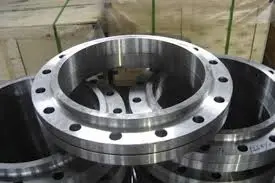
Installation and Maintenance Considerations Based on Material Grade
The efficiency and safety of high-pressure piping systems are directly affected by how they are installed and maintained over time. For different types of materials to last as long as they are supposed to, they need to be handled and maintained in certain ways.
Installation Best Practices
Different types of materials have very different torque specs because of their different thermal expansion, yield strength, and elasticity. For proper seal compression, carbon steel flanges usually need higher bolt torques, while materials made of stainless steel may need extra care to avoid galling. By following the manufacturer's instructions, you can avoid both under-tightening, which can cause leaks, and over-tightening, which can damage parts. When working with soft materials or special treatments, preparing the flange face becomes very important. For proper fitting, raised face and RTJ (Ring Type Joint) designs need certain surface finishes. To keep galvanic rust from happening in service, it is important to make sure that the materials used for flanges, seals, and bolting are all compatible.
Material-Specific Maintenance Requirements
Carbon steel flanges need to be inspected regularly for corrosion, especially in places that are wet or chemically charged. Protective coats may need to be replaced every so often, and checking the torque of the bolts helps keep the seal compressed properly as the materials settle and age. A visual check can often find early signs of wear and tear before they become major problems. Stainless steel parts usually don't need to be serviced as often, but they do need to be cleaned in a certain way to keep their rust resistance. Stress corrosion cracks can start with chloride contamination, so it's important to clean often in chemical or marine settings. After maintenance actions that damage the oxide layers on the surface, passivation processes may be needed. Exotic alloy flanges usually explain their higher prices by needing less upkeep. However, they may need special checking methods to find damage caused by service. Non-destructive testing methods, like dye penetrant or magnetic particle inspection, can find cracks before they break in a big way.
Conclusion
The choice of material for high-pressure joints is a big one that affects safety, dependability, and the cost of running the system in the long run. Knowing the features of different types of materials lets you make smart decisions that match performance needs with cost concerns. From low-cost carbon steels for everyday use to specialized metals for harsh conditions, each type of material has its own benefits that must be matched to the conditions of use. To ensure project success, procurement teams must carefully evaluate pressure ratings, temperature limits, corrosion resistance, and material compatibility, while ensuring strict adherence to all relevant industry standards.
FAQ
1. What are the main differences between carbon steel and stainless steel flanges?
For general uses, carbon steel flanges are very strong and inexpensive, but they need to be protected against rust in wet or chemical situations. Stainless steel flanges are very resistant to rust and keep their qualities at high temperatures. This means they can be used in harsh chemical processes and in high-temperature situations. Which one to choose relies on the surroundings, the temperature needs, and your budget.
2. How can I verify that flange materials comply with required standards?
To check for material compliance, you have to look at certified material test reports (CMTRs), which list the chemical makeup, mechanical qualities, and test results. These certificates should list the relevant ASTM, ASME, or API standards and include heat numbers so that they can be tracked. Third-party testing services can add extra checks for important uses, making sure that things meet certain standards before they are put in place.
3. Is custom manufacturing available for flanges using exotic alloys?
For uses that need to be very resistant to corrosion or work at very high temperatures, custom making can be done using metals like Hastelloy, Monel, or titanium. These materials need to be made with special tools and take longer to get, but they can be used in the toughest situations. Working with skilled makers makes sure that the right materials are used and that quality is controlled at all times during the production process.
Partner with RAYOUNG for Reliable High-Pressure Flange Solutions
RAYOUNG sells approved, high-quality industrial high-pressure flanges that are made to meet the tough needs of current industrial settings. Our wide range of products includes high-pressure flanges that are ASME-certified and made to strict quality standards. They are backed by ISO 9001:2015 certification and a lot of experience in the field.As a trusted manufacturer and supplier of high-pressure flanges, we keep your projects on track by providing expert technical consultation, comprehensive material certifications (MTCs), and highly reliable delivery schedules. Email our engineering team at info@hb-steel.com to talk about your unique needs and find out how our tried-and-true solutions can help you meet compliance standards and improve business reliability.
References
1. American Society of Mechanical Engineers. "ASME B16.5-2020: Pipe Flanges and Flanged Fittings: NPS 1/2 through NPS 24 Metric/Inch Standard." ASME International, 2020.
2. American Petroleum Institute. "API Specification 6A: Specification for Wellhead and Christmas Tree Equipment, 21st Edition." API Publishing Services, 2019.
3. ASTM International. "ASTM A182/A182M-21: Standard Specification for Forged or Rolled Alloy and Stainless Steel Pipe Flanges, Forged Fittings, and Valves and Parts for High-Temperature Service." ASTM International, 2021.
4. Bhandari, J.K. "High-Pressure Piping Systems: Material Selection and Design Considerations." Industrial Engineering Press, 2018.
5. Smith, Robert L. "Corrosion Resistance of Stainless Steel Flanges in Chemical Processing Applications." Journal of Materials Engineering and Performance, Vol. 29, No. 8, 2020.
6. Wilson, Mark T. "Comparative Analysis of International Flange Standards: ASME, EN, and JIS Requirements." International Pipeline Engineering Review, Issue 3, 2019.

Need a quote? Want to see samples? Just say hello. We’re friendly. We’re fast. And we’re ready when you are.
Welcome to RAYOUNG – Strong Pipes, Stronger Promise