Guide: How to Read Flange Pressure Class (PN/CLASS)
Understanding flange pressure class markings represents a fundamental skill for procurement managers, engineers, and distributors working with industrial piping systems. The flange pressure class indicates the maximum pressure a flange can safely handle at specific temperatures, making it essential for ensuring system compatibility and operational safety. Reading these classifications correctly prevents costly specification errors, reduces project risks, and ensures compliance with industry standards. Whether dealing with ANSI, ASME, or international PN ratings, mastering pressure class interpretation enables informed sourcing decisions that align product specifications with actual project requirements, ultimately protecting both equipment investments and working staff.
Understanding Flange Pressure Class – Basic Concepts and Standards
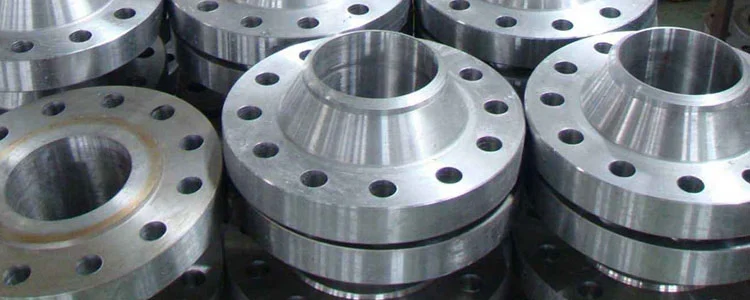
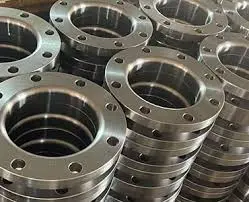
Flange pressure class is not the same as simple pressure ratings because it takes temperature into account when figuring out safety. A basic pressure number might show the highest PSI that something can hold, but pressure class methods take into account how thermal expansion and the qualities of the material change when it is used in different ways. This all-around method makes sure that flanges keep their structural stability over the full range of uses they were designed for. The main classification methods used in the North American industry are defined by the American Society of Mechanical Engineers (ASME). ASME B16.5 covers pipe flanges and flanged fittings in detail, providing pressure-temperature ratings for a range of materials and sizes. As long as all manufacturers and applications follow these rules, it's easy to make good choices about what to buy . Pressure Nominal (PN) ratings, which show pressure capacity in bar units at 20°C, are widely used in European and foreign markets. For global buying efforts, it's important to know how ANSI CLASS and PN ratings relate to each other. CLASS 150 is roughly comparable to PN 20, and CLASS 300 is often considered approximately equivalent to PN 50, although exact equivalence depends on material and temperature conditions. However, for exact conversions, weather and material requirements must be taken into account. To read pressure class signs, you have to find numbers that are stamped or cast on the flange sides. These markings are often found next to information about the material type, production standards, and size requirements. To correctly read, you need to know that higher class numbers mean they can handle more pressure. For example, CLASS 2500 is designed for extreme high-pressure environments, while a lower flange pressure class like CLASS 150 is suitable for standard, moderate-pressure applications. In the real world, identifying flanges involves both looking at them visually and reading the paperwork. When flanges are made to ASME standards, they have clear class marks and material specs, such as A105 for carbon steel or A182 F316L for stainless steel. These marks give important information for making sure the product works with current systems and following the right installation steps.
Key Factors Influencing Flange Pressure Class Selection for Industrial Applications
Changes in temperature have a big effect on the flange's pressure capabilities, which leads to derating situations that need careful thought. At room temperature, CLASS 300 carbon steel flanges can handle 720 PSI, but as the temperature rises, they lose some of their strength. At 400°F, the same flange might only be able to safely handle 570 PSI. This is why temperature rating charts are so important for making the right choice. When a material is exposed to heat, its traits change in a predictable way, which can affect both its strength and its ability to stay the same size. When engineers choose flanges for high-temperature uses like chemical processing equipment or steam systems, they need to take these differences into account. When temperature derating is done right, it guarantees long-term dependability and stops major failures that could put safety and operations at risk. When used in situations with modest pressure and temperature, carbon steel flanges are very strong and don't cost much. These flanges work great in water distribution systems, general industrial pipes, and other places where they won't be exposed to much rust. Many EPC contractors and commercial installers choose them because they are easy to find and have well-established supply lines. Stainless steel options are better at resisting corrosion and maintaining their strength over a wider range of temperatures. Grade 316L stainless steel flanges can handle harsh chemicals, marine settings, and food preparation tasks where keeping things clean is still very important. Even though they cost more at first than carbon steel choices, their longer service life and lower upkeep needs often make the cost worth it for tough jobs. When flange sizes also increase, stress concentrations get bigger, which changes the pressure class powers. A 2-inch CLASS 600 flange and a 24-inch CLASS 600 flange share the same pressure-temperature rating under ASME B16.5, although larger sizes may require greater structural consideration due to higher mechanical loads. Knowing these limits based on size helps buying workers avoid over-specification while making sure they have enough safety margins for their needs. How much weight something can hold also relies on the bolt patterns, flange face shapes, and gasket choices. Bolt loads are distributed differently across a raised face compared to a flat face design, which directly affects the total sealing stability of the flange pressure class selected. These technical factors affect how well the product works and how much upkeep it needs over time. Because of this, they are significant in figuring out the total cost of ownership.
Comparing Flange Pressure Classes for Optimal Application Decisions
Most low-pressure industry uses can be met by CLASS 150 flanges are widely used for low-pressure applications and typically handle around 285 PSI at ambient temperature for common carbon steel materials. In places like water treatment plants, HVAC systems, and general utility lines where modest pressures and temperatures are common, these flanges work well. Because they are cheap and easy to find, they are often chosen for municipal projects and normal industry installations. CLASS 300 grades are good for medium-pressure uses up to 720 PSI at room temperature. Chemical plants, oil factories, and industrial steam systems often choose these flanges because they are a good mix of skill and cost-effectiveness. The strong design allows for safety margins for changes in pressure while keeping the costs and requirements for fitting affordable. Higher pressure classes, such as 600, 900, and 1500, are used in industries that need them for specific reasons, like when safety is very important or high pressures are needed. Power plants, facilities that send high-pressure gases, and certain chemical processes depend on these categories to work reliably over the long run. In corrosive settings, you need to be careful when choosing materials and make sure they meet the right pressure class requirements. Conditions on offshore platforms, chemical plants, and wastewater treatment plants are harsh, which can weaken flanges over time. By choosing the right types, you can be sure that they will work well for the expected amount of time and cost as little as possible in repairs and replacements. A petrochemical plant recently improved its hydrogen service pipe system. To meet both pressure needs and worries about hydrogen corrosion, they chose CLASS 600 stainless steel flanges. To make sure the system would work safely for a long time, the design process looked at working pressures, temperature changes, and the compatibility of the materials. This all-around method stopped possible mistakes and minimized the overall cost of the project by making the right choices at the start.
Procurement Guide – Buying and Sourcing Flange Pressure Class Products
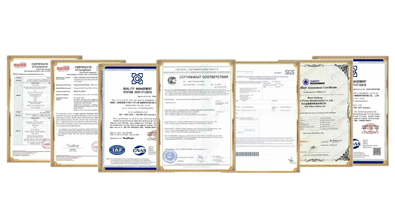
To find trustworthy providers, you need to make sure they follow well-known quality standards and factory certifications. The ISO 9001:2015 certification shows that the company manages quality in a planned way, and the ASME certification makes sure that the company follows the rules for pressure vessels and pipes. These approvals give people trust in the quality of the product and the consistency of the manufacturing process across different production runs. GOST-R certification lets you meet the standards of foreign markets and exports, which gives global projects more choices for where to get materials. SGS third-party inspection services add more layers of quality assurance, which is especially important for mission-critical applications where failure could have very bad results. These types of certifications make sure that goods meet both technical standards and legal requirements in different places. Customization choices change both prices and delivery times, so it's important to plan carefully during the execution parts of a project. When compared to custom boring, special materials, or non-standard pressure ratings, standard ANSI measurements and ratings usually have faster wait times. Finding the right balance between the need for customization and the needs of the plan helps keep project timelines on track and ensures technical compliance. Logistics for international shipping include things like paperwork, inspections, and delivery, all of which affect the total cost of buying something. Optimizing container packing, using the right packaging for shipping abroad, and going through customs processes all need suppliers and transportation partners to work together. Knowing about these things helps you keep track of your budget and avoid delays during key stages of a project. Prices for normal carbon steel flanges are stable on the market right now, but prices for stainless steel choices go up and down based on alloy surcharges and changes in world supply. Because they are made in large quantities, CLASS 150 and 300 flanges have affordable prices. However, specific higher-pressure classes are more expensive because they are less common and harder to make. Working with reputable manufacturers ensures you receive expert technical support, comprehensive material documentation, accurate flange pressure class verification, and highly reliable service. For example, these connections are useful for complicated projects that need technical help and quick problem-solving skills to be successful. Creating relationships with suppliers is good for the long-term success of a project and helps you handle buying risks well.
Conclusion
To read and correctly define flange pressure class numbers, you need to know how pressure limits, temperature effects, and the material's properties all work together. With this information, buying professionals can make choices that meet both scientific needs and budgetary concerns. The right choice of pressure class makes sure that the system is safe, that it meets all regulations, and that it will work reliably for a long time. It also helps projects stay on budget and on time. Learning about these classifications is worth it because it lowers risks, improves relationships with suppliers, and leads to better project results in a wide range of workplace settings.
FAQ
1. What is the difference between PN and CLASS ratings?
PN ratings show the maximum pressure in bar units at 20°C, which is the standard temperature for markets in Europe and around the world. In line with ANSI/ASME standards, CLASS grades show pressure in PSI and include temperature-dependent graphs. While PN 20 is generally the same as CLASS 150, to find exact equivalents, you need to use conversion tables that take into account changes in temperature and material.
2. How does temperature affect flange pressure capacity?
As temperatures rise, the flange's pressure capacity drops because the material's strength decreases at high temperatures. It's possible for a CLASS 300 carbon steel flange that can handle 720 PSI at room temperature to only be able to handle 570 PSI at 400°F. Always look at pressure-temperature rating charts to get an exact idea of what the capacity is at normal working conditions.
3. Can I substitute a higher-pressure class flange for a lower rating?
In most cases, you cannot directly mate a higher-pressure class flange (e.g., Class 300) to a lower-class flange (e.g., Class 150) because their outside diameters, bolt circle diameters (BCD), and number of bolt holes are completely different. If a system upgrade requires using a higher-rated flange, the mating flange and corresponding piping must also be upgraded or modified to ensure dimensional compatibility and safety.
Partner with RAYOUNG for Expert Flange Pressure Class Solutions
RAYOUNG has a lot of experience in the industry and is certified by ISO 9001:2015 to provide complete flange pressure class knowledge. Our engineering team offers personalized advice to help you choose the best flanges for your unique pressure and temperature needs. As a reliable industrial pipe flange provider, we maintain a large inventory of carbon and stainless steel flanges covering every major ANSI, ASME, and international flange pressure class. Get in touch with our experts at info@hb-steel.com to talk about your project needs and get full technical specs. Visit blog.hb-steel.com to learn more about our certified industrial pipe fittings and how our GOST-R and SGS-approved goods will work reliably in your most important projects.
References
1. American Society of Mechanical Engineers. ASME B16.5 Pipe Flanges and Flanged Fittings: NPS 1/2 through NPS 24 Metric/Inch Standard. New York: ASME Press, 2020.
2. International Organization for Standardization. ISO 7005-1 Metallic Flanges for Industrial Piping Systems - Part 1: PN-designated Flanges. Geneva: ISO Publications, 2019.
3. American National Standards Institute. ANSI/ASME B31.3 Process Piping Code. Washington: ANSI Standards Publications, 2022.
4. European Committee for Standardization. EN 1092-1 Flanges and Their Joints - Circular Flanges for Pipes, Valves, Fittings and Accessories. Brussels: CEN Publications, 2018.
5. American Society for Testing and Materials. ASTM A105/A105M Standard Specification for Carbon Steel Forgings for Piping Applications. West Conshohocken: ASTM International, 2021.
6. American Petroleum Institute. API 6A Specification for Wellhead and Christmas Tree Equipment. Houston: API Publishing Services, 2019.

Need a quote? Want to see samples? Just say hello. We’re friendly. We’re fast. And we’re ready when you are.
Welcome to RAYOUNG – Strong Pipes, Stronger Promise