Black Steel Pipe vs Galvanised — Buyer’s Quick Compare
When evaluating black steel pipe vs galvanised options, procurement professionals face a critical decision that impacts project costs, longevity, and performance. Black steel pipes offer superior strength and weldability at lower upfront costs, while galvanised pipes provide enhanced corrosion resistance through zinc coating protection. Understanding these fundamental differences enables informed purchasing decisions that optimise both immediate budget constraints and long-term operational efficiency across industrial, commercial, and infrastructure applications.
Introduction
For many business and industrial processes, it's very important to have strong pipe systems. In order for a job to go well, picking the right tools is very important. Black steel pipes and galvanised pipes are the two main types of pipes. People use them for different things at different times, like fire safety systems and gas transport networks. It makes a big difference which of these goods you pick for how long the job lasts, how much maintenance it needs, and how much it costs to own in total.
Original equipment makers (OEMs), purchasing managers, engineers, and wholesalers need a lot of specific knowledge about these choices in order to make smart choices. There are pros and cons to each type of pipe that make it work better in certain scenarios and meet certain performance standards. To keep safety high and project risks low, it's important to know what the material is made of, how much it costs, and what it can be used for.
This study gives you an expert, data-driven comparison that will help you make better supply chain decisions by giving you specific success measures and information about how they can be used in the real world. We look at how resistant materials are to rust, how strong they are mechanically, how prices work, and where to get them, so you can make sure the materials you choose will help your project succeed and go smoothly.
Understanding Black Steel and Galvanised Pipes
Material Composition and Manufacturing
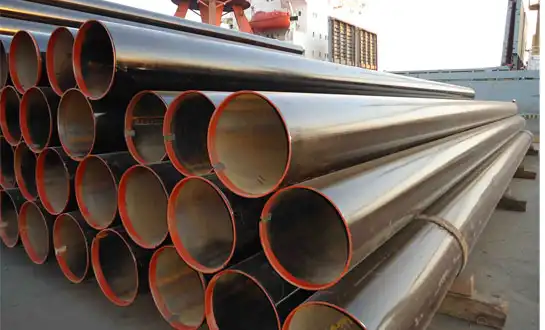
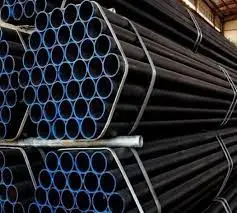
Low-carbon steel, which has less than 0.25% carbon, is used to make black steel pipes. They are strong and bendable because they can be made either without seams or by welding. When these pipes are made at high temperatures, iron oxide forms on the surface, creating mill scale that gives them their dark colour. Unlike galvanised pipes, this layer does not provide long-term corrosion protection. Some ways of making things get rid of the need for zinc covering, which speeds up production while maintaining the structure's strength.
When carbon steel pipes are converted into galvanised pipes, they go through an extra step where zinc is added to keep them from rusting in the environment. When pipes are hot-dip galvanised, zinc layers 45 to 85 microns thick are added, depending on how big the pipes are and what they need to do. The zinc coating sacrifices itself to protect the underlying steel. This makes the steel last longer in places where rust is common.
Core Material Properties
If you compare black steel pipe vs galvanised, both are made of similar steel and are strong. Different grades of steel typically have tensile strengths between 400 and 500 MPa. Black steel pipes are easy to join and handle high pressures well, making them suitable for gas transport and heating systems. Since there is no zinc coating, the integrity of the steel is unaffected in high-temperature applications.
One key difference between these materials is their corrosion resistance. Galvanised pipes are much less likely to rust because they have zinc safety devices that protect them from water, salt, and air. A study found that galvanised pipes can last 20 to 50 years in open spaces, while uncoated black steel only lasts 5 to 10 years in the same situations.
Application Environment Considerations
Fire safety systems often use black steel pipes since they don't get zinc on them and can be used with dry pipe systems. Because it can be joined and heats up well, black steel is good for gas delivery networks. Zinc flaking could interfere with valve operation. Black steel is often used indoors, where it won't come into contact with much water because it is more cost-effective.
To work well in places where corrosion is a problem, galvanised pipes are often used in water systems, outside installations, and on ships. Because the zinc layer resists corrosion from water exposure, galvanised pipes are commonly used in outdoor structures and certain non-potable water systems. You can pick the right things for the job if you know about these outside factors.
Black Steel Pipe vs Galvanised Pipe — Functional and Performance Comparison
Corrosion Resistance Analysis
In corrosive environments, galvanised pipes perform much better than black steel because zinc provides sacrificial cathodic protection. The zinc covering breaks down faster than the steel underneath when it comes in contact with water and air. This protects the steel from rusting damage. If everything else stays the same, galvanised pipes can last three to five times longer than uncoated black steel pipes in similar environments.
If you use black steel lines outside, you need to cover them with primer and paint coats. It's important to protect black steel properly because it rusts quickly after getting wet, which can weaken walls and cause systems to fail. When humidity levels are controlled inside, these issues are less of a concern. This means that black steel can be used in some places.
Strength and Durability Characteristics
Both materials are strong enough to hold things together. This varies by grade, but the yield strength is generally between 240 and 350 MPa. Black steel pipes can handle hits better because the steel is all the same and doesn't have any covered layers that could chip or crack when put under stress. People who work in busy places or who have a lot of work to do will find this tool useful.
In places where things rust, zinc pipes last a very long time, but the coating could get damaged during shipping or installation. Damage to the zinc layer creates local points where corrosion can start where rust can start, which could make the whole thing less strong. These issues can be fixed by treating the item correctly and applying touch-up paint.
Weight and Installation Factors
Because they are different in weight and how they need to be joined, different materials are not all as easy to put together. In general, galvanised pipes weigh 5 to 10% more than black steel pipes of the same size. This is because they are coated with zinc. This changes how much it costs to move them and how they need to be treated. For normal pipe uses, this difference in weight doesn't change how buildings are built, though.
It's important to know how to weld different materials properly. Black steel is the best material for welds and joints. To keep the zinc gas from escaping and ruining the coating around the joints when welding galvanised pipes, special precautions are required to prevent zinc fumes and coating damage. There are different ways to put them together because threading and mechanical coupling both work well with these pipes.
Price and Procurement Considerations for Buyers
Cost Structure Analysis
In the context of black steel pipe vs galvanised, pipes made of black steel cost 15 to 25% less per foot than pipes made of coated steel. This means that companies that want to save money should use black steel pipes. For big projects where things cost a lot, this saving is important right away. But when the costs of repairs and replacement are added in, lifetime cost analysis often shows different economic outcomes.
At first, galvanised pipes are more expensive because they need to be handled more fully. However, they pay for themselves over time because they last longer and need less maintenance. It's common for projects that cost more up front to save money in the long run in places where things break down quickly. This is because they don't need as much maintenance or repairs. You can make smart decisions about what to buy by comparing prices correctly if you know how much something will cost over its whole life.
Bulk Purchasing and Supply Considerations
To get the best deals, buy in bulk. Depending on the supplier's rules, quantity discounts are often offered at levels such as 500 feet, 2000 feet, and 5000 feet. Because they are easier to make, black steel pipes keep their prices more stable. But the prices of galvanised lines change based on how much zinc costs and how much the finishing plant can handle. Being aware of these changes can help you choose the best time to buy things.
Different places have different supply networks, but black steel pipes tend to have a wider reach and shorter lead times. Galvanised pipes may take longer to arrive when there is a lot of work to do or when specific measurements need to be met. Keeping smart amounts of inventory and getting to know your sources can help the supply chain run smoothly.
Custom Specification Options
Any length, wall thickness, and thread size that is needed for a job can be made from either material. Black steel pipes give you more ways to make changes in the field and make one-of-a-kind things because they connect better. Before installing zinc pipes, it's important to carefully plan the specs. Any changes made in the field could damage the coating and make the pipes less resistant to rust.
Proper licences and proof of compliance are important for projects that need to meet the law or performance standards. Standards like ASTM A53 and API 5L make sure that products are the same and do what they're supposed to do. Checking badges and traceability records is useful for quality assurance methods that are used for important tasks.
How to Identify and Verify Pipes for Procurement?
Visual Identification Methods
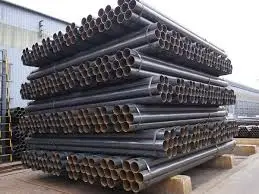
There is mill scale or an oil coat that was put on to protect the black steel pipes during production. The outside of the pipes is usually dark grey or black. That the surface doesn't seem to be shiny is what makes it different from sparking. When you use the right identification, you can avoid making buying mistakes that could harm project goals or performance standards.
The outside of galvanised pipes is made of bright zinc that makes them look like metal. The surface has unique crystalline designs. Fresh galvanising often appears spangled, while the surface that is meant to weather turns a uniform grey patina over time. A magnetic thickness gauge is used to measure the coating thickness. This makes sure that the galvanising is of good quality and meets the standards.
Marking Standards and Documentation
Pipes must have marks on their sides that say who made them, what type of material they are made of, and that they meet certain requirements. Both black steel and galvanised pipes are commonly produced according to ASTM A53 Grade B standards. Extra marks on the pipes, where needed, show that they meet specific grade or coating requirements. Marks need to be checked to make sure that products can be tracked and that quality standards are met.
You can use mill test sheets to show what a material is made of, how it works, and what its chemical makeup is. For building and industry projects, these certificates are useful for keeping an eye on quality and making sure that legal requirements are met. It is important to keep track of everyone in the supply chain so that everyone is responsible. This also helps with guarantee claims when they are needed.
Quality Assurance Protocols
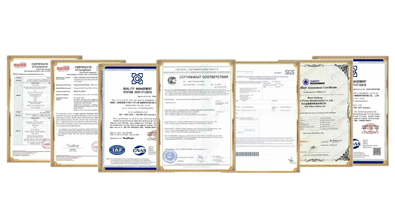
Providers you can trust keep their ISO 9001:2015 certification and use full quality control systems to make sure that materials keep their features and work the way you expect them to. More proof that export rules and quality standards around the world are being followed comes from certifications such as GOST-R product conformity and SGS inspection. These awards show that you care about doing a great job and making sure your customers are happy.
Tests done by outside groups make sure that the material's qualities, the coating's thickness, and compliance with the requirements are all correct. Random sampling and testing can find problems with the quality of the goods before they are sent out. This keeps projects on track and stops problems with efficiency. Everyone in the supply chain is responsible for quality if testing standards are written into the purchase specs.
Decision-Making Guide for Procurement Managers
Application-Based Selection Criteria
Fire protection and gas distribution systems predominantly use black steel pipes. Unlike galvanized pipes, black steel performs exceptionally well at high temperatures and contains no zinc coating, eliminating the risk of zinc flaking that could clog valves or contaminate gas lines.Because it is easy to weld and heat moves through it well, black steel is great for these uses. This makes systems work well and be stable. It is possible to save money without sacrificing efficiency or safety.
In outdoor installations and certain plumbing systems, pipes are often galvanised to resist corrosion from environmental exposure. The zinc layer adds important safety and makes the system last longer with less maintenance. It may have cost more at first, but the investment usually pays off over time because it saves money on fixes and replacements.
Lifecycle Cost Evaluation
A full cost study needs to look at how much the materials cost to begin with, how much it costs to install, how much it costs to maintain, and how often parts need to be replaced over the system's predicted lifetime. Black steel pipes are less expensive at first, but they might need to be changed more often in places where rust is common. To find the most cost-effective choice in a given case, you can find the net present value of all the costs of ownership.
It's important to include things like the need for checks, the replacement of protective coatings, and the chance of system downtime during fixes when you figure out how much upkeep will cost. In some cases, galvanised lines don't need much maintenance. On the other hand, black steel systems may need to have their coatings changed and rust tracked on a regular basis. When you know about these long-term costs, a lifecycle economic study works better.
Procurement Strategy Recommendations
It's not enough to just find the cheapest provider; you should also look at their quality certificates, how reliable their shipping is, and how good their customer service is. You can get consistent quality, fair prices, and helpful customer service from approved providers if you work with them. This will help your project succeed. Building smart relationships lowers the risks of buying things and makes things run more smoothly in the long run.
When managing inventory, it's important to think about things like project deadlines, yearly demand patterns, and source wait times in order to get the best prices and supplies. Buying in bulk can save you money and make sure you have the materials you need for planned jobs. Take a close look at project plans and cash flow to find the best mix between the costs of keeping things in stock and the money you save by buying them.
Conclusion
The choice between black steel pipe and galvanised options comes down to the type of application, cost, and performance goals over time. When used indoors under high pressure and where rust protection is less important, black steel pipes work great. They are highly cost-effective and serve as the industry standard for fire protection systems and gas distribution networks.
In corrosive environments or outdoor applications, galvanized pipes are the superior choice; despite their higher initial cost, they deliver exceptional longevity and drastically reduce maintenance requirements.
To get the best deals on things that will help your project go more smoothly and make your business more efficient, you should think about the technical specs, the surroundings, and the total cost of ownership.
FAQ
1. How long do galvanised pipes last compared to black steel pipes?
When used outside, galvanised pipes last 20 to 50 years, but black steel pipes only last 5 to 10 years in the same hard circumstances. Black steel lasts longer when used indoors, where humidity is controlled. In places where it won't rust, it might even work as well as coated steel.
2. Can black steel pipes be used for outdoor installations?
When black steel pipes are used outside, they need extra protection, like primer and paint. In just a few months of being wet, they will rust if you don't protect them properly. When you use galvanised lines outside, they are safer because they are covered in zinc.
3. What factors should buyers consider when purchasing pipes in bulk?
When you buy in bulk, it's important to keep in mind that prices vary based on quantity, shipping dates, storage needs, and how consistent the specs are. Quality standards, how reliable sources are, and payment terms can also affect how well you buy something. Planning how much to stock based on when the job needs to be done helps keep costs low and tools on hand.
4. Which pipe type offers better value for industrial applications?
Value is based on what the object needs and what is going on around it. People who work in places where things rust value galvanised lines more because they last longer and need less maintenance. For indoor uses that won't rust, black steel is more useful.
5. How can buyers verify pipe quality before delivery?
You can be sure of the quality with mill test records, third-party testing, eye review, and proof of approval. Sellers you can trust will give you information that backs up performance standards and the ability to find supplies. Tests and random samples find problems with a project before it is put into action.
Partner with RAYOUNG for Your Industrial Piping Solutions
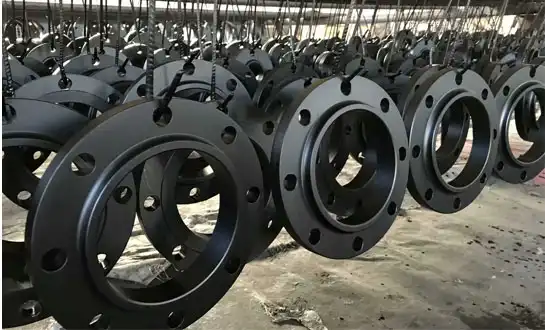
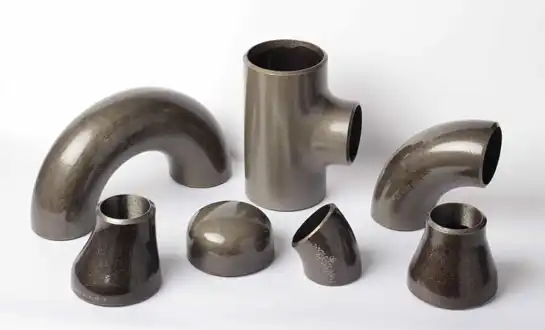
With ISO 9001:2015, GOST-R, and SGS certifications, RAYOUNG is ready to help you buy what you need by giving you a lot of choices in industrial pipes. We sell many different items, including black steel and galvanised pipes, butt-weld steel fittings, reducers, and flanges that can be used in the home, in business, and in industry. You can email our team at info@hb-steel.com to get personalised prices and technical help that will help you decide which supplier for your black steel pipe vs galvanised pipe is best for you.
References
1. American Society for Testing and Materials. "Standard Specification for Pipe, Steel, Black and Hot-Dipped, Zinc-Coated, Welded and Seamless." ASTM International, 2023.
2. Johnson, M.R. and Thompson, K.L. "Corrosion Performance Comparison of Carbon Steel and Galvanised Steel Piping Systems." Journal of Industrial Materials Engineering, Vol. 45, No. 3, 2023.
3. National Association of Pipe Fabricators. "Procurement Guidelines for Industrial Piping Materials: A Comprehensive Buyer's Manual." Technical Publication Series, 2023.
4. Roberts, D.A. "Lifecycle Cost Analysis of Piping Materials in Industrial Applications." Construction Economics Review, Vol. 28, No. 2, 2023.
5. International Standards Organisation. "Carbon Steel Pipes for Pressure Purposes - Technical Delivery Conditions." ISO Standards Catalogue, 2023.
6. Williams, P.C. and Anderson, J.M. "Galvanising Standards and Quality Control in Modern Pipe Manufacturing." Metallurgical Processes Quarterly, Vol. 15, No. 4, 2023.

Need a quote? Want to see samples? Just say hello. We’re friendly. We’re fast. And we’re ready when you are.
Welcome to RAYOUNG – Strong Pipes, Stronger Promise