Black Steel Pipe Maintenance Tips for Tropical Climates
Taking care of carbon black steel pipe systems in hot areas is very difficult and requires special knowledge and attention. High humidity, salt exposure, and changes in temperature all have a big effect on how well black steel pipes work, so they need to be properly maintained to be reliable. These external factors speed up the rate of rust and can cause systems to fail early if they are not dealt with through planned preventative actions. Knowing the exact repair needs helps purchasing managers and engineers get the most out of the infrastructure they buy while also making sure safety standards are met.
Understanding Black Steel Pipes in Tropical Environments
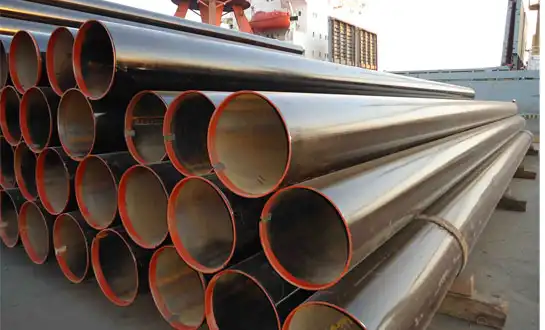
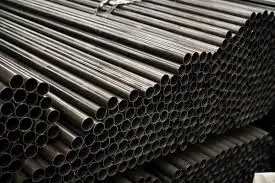
Black steel pipes are an important part of industrial infrastructure, especially in harsh tropical settings where the weather can have a big effect on how well they work and how long they last. These carbon steel pipes, which are made without a zinc finish, have great strength-to-cost ratios that make them useful for many uses, such as distributing gas, heating systems, and industrial processing.
Material Properties and Environmental Challenges
Carbon steel pipes are mostly made up of iron and carbon, with carbon content typically below about 0.30% depending on the grade. This gives them great structural strength while keeping costs low. In gas uses, not having a zinc covering means you don't have to worry about zinc flaking, but in humid settings, it makes the product more vulnerable. There are many environmental stresses in tropical regions that directly affect the stability of pipes. When relative humidity levels are higher than 80%, there is a lot of wetness in the air, which speeds up the rusting process. Coastal sites have extra problems because the air is salty, which makes chloride exposure higher and speeds up pitting damage. Changing temperatures during the day and night cause thermal expansion stress, which can weaken protective coverings and joints over time.
Comparative Analysis with Alternative Materials
When looking at pipe choices for tropical uses, it's important to know the pros and cons of each material so that you can make an informed purchase decision. Stainless steel alternatives are better at resisting rust, but they cost a lot more at first—often three to four times as much as carbon steel alternatives. Zinc coating on galvanized lines improves corrosion resistance, but zinc can react with moisture and gas impurities, sometimes producing flakes or particles that may affect gas system components. When it comes to cost, carbon steel really shines when it comes to big projects where the starting costs of materials are a big deal. If the right upkeep steps are taken, an average industrial installation that needs 10,000 linear feet of 4-inch pipe could save more than $150,000 by choosing carbon steel over stainless steel options that are not properly kept.
Key Causes of Black Steel Pipe Degradation in Tropical Climates
When buying, teams know the exact ways that pipes lose their integrity in tropical settings, they can make more focused repair plans and choose suppliers whose products are more resistant to corrosion.
Environmental Degradation Factors
When humidity levels are high, there is a steady flow of wetness that keeps electrolytic settings good for the formation of corrosion cells. When the relative humidity goes above 60%, black steel pipes' surface condensation happens more often. This is especially true in temperature-controlled systems where lines are kept below room temperature. The presence of wetness starts electrochemical processes that wear away the steel substrate over time. Exposure to salt near seaside sites speeds up corrosion by letting chloride ions into the system. This breaks down protective oxide layers and causes pitting to form in certain areas. Studies show that even relatively low chloride concentrations can significantly accelerate corrosion rates compared with freshwater environments. Changing temperatures from day to night in a warm climate causes expansion stress that can crack protective layers, letting moisture from the air reach new metal surfaces.
Biological and Chemical Factors
Through microbiologically influenced corrosion (MIC), living things that grow in tropical settings can speed up rusting. Sulfate-reducing bacteria do best in warm, damp places and make hydrogen sulfide, which makes the surroundings very toxic. Biological processes like these can significantly increase localized corrosion rates compared with sterile environments. Environmental stresses are made worse by chemical contact from industrial processes, especially when acidic or alkaline substances are used. Process leaks or cleaning chemical leftovers can cause changes in pH levels that make material breakdown much faster. When engineers understand these mixed stressors, they can choose the right protective steps during the early stages of design.
Mechanical and Installation Factors
When things are installed incorrectly, stress builds up in certain areas that become ideal places for rust to start. When you do thread cutting, you remove the protective mill scale, which leaves you with new metal areas that need to be protected right away to keep them from oxidizing too quickly. When support spacing isn't right, mechanical stress builds up that can damage protective layers through flexural wear. Vibrations from machines or changes in temperature can slowly wear away protection layers by creating tiny cracks that let water get into the steel below. Combining these technical factors with the tropical weather conditions speeds up the breakdown process and calls for proactive repair.
Effective Maintenance Principles and Strategies for Tropical Climates
To make complete maintenance plans that work well in warm environments, you need to use organized methods that take into account both preventative and corrective maintenance needs while making the best use of resources and limiting the impact on operations.
Inspection and Monitoring Protocols
Regular visual checks are the basis of good maintenance plans. The number of inspections should be changed based on the level of external exposure. Visual inspections of sites along the coast are usually needed once a month, but in hot inland areas, they may need to be done every three months. When these checks are done, they should look for early signs of rust, coating wear, and mechanical damage. Non-destructive testing methods give a numerical value to the leftover wall thickness and structural soundness without affecting the pipe's ability to do its job. Ultrasonic thickness testing can detect wall loss caused by corrosion with high accuracy, often within a few thousandths of an inch depending on equipment and conditions. Magnetic particle testing shows cracks on the surface that could grow into through-wall failures if they are not fixed. Writing down what was found during a check creates useful trend data that lets you plan maintenance ahead of time and find systems that need extra safety measures. Digital inspection records make it easier to report compliance and back up guarantee claims when products fail too soon because of flaws in the manufacturing process.
Protective Coating Applications
Modern protective covering systems made for tropical uses have several shield layers that make them more resistant to wetness and UV light. Epoxy-based primer solutions help paint stick well to steel surfaces and protect against corrosion with zinc-rich mixtures. Traditional alkyd systems aren't as good at UV protection or mechanical longevity as polyurethane topcoats. In wet places, where flash rusting can happen within minutes of aggressive cleaning, it's important to prepare the surface before applying the coating. For the best coating bonding, use near-white metal blast cleaning (SSPC-SP 10/NACE 2), and make sure the air is controlled correctly while the coating is being applied to make sure it cures properly. Careful consideration must be given to the service temperature, chemical exposure, and mechanical stress factors when choosing the right coating systems for black steel pipes. High-build coating systems with a total thickness of more than 15 mils offer better barrier protection, but they need to be applied in a certain way to avoid problems like pinholes or solvent trapping.
Advanced Corrosion Protection Methods
Cathodic protection systems reduce electrochemical corrosion in buried or submerged pipelines, which are common in many industrial installations. Although impressed current systems offer accurate control of rust current, they need to be maintained and watched over on a regular basis to make sure they work at their best. Although they don't need any upkeep, sacrificial anode systems do need to have their anodes replaced every so often, depending on how fast they're being used up. Injecting a corrosion inhibitor protects the inside of process pipe systems that carry acidic media. Filming amine inhibitors puts safe molecular layers on the inside of steel surfaces, and pH buffering agents stop acidic conditions that make rust happen faster. To keep the right amounts of chemicals in these chemical cleaning programs without making them less useful, they need to be closely watched . Vapor phase inhibitors (VPI) protect during storage and shipping, which is especially important for project supplies that are kept in tropical areas. These volatile chemicals create protective atmospheres inside tight areas that stop corrosion from starting during long periods of storage before installation.
Case Studies: Successful Maintenance Practices in Tropical Regions
Real-life examples show that systematic repair methods can increase the service life of pipes and lower the total cost of ownership in difficult tropical settings.
Petrochemical Complex Maintenance Program
A big petroleum plant in Southeast Asia put in place thorough maintenance plans that increased the average pipe service life from 8 years to 15 years and cut the cost of unplanned maintenance by 60%. The program included checking the thickness with ultrasound waves every three months, inspecting the protective coating once a year, and renewing the coating proactively based on condition assessment rather than scheduling. Setting standard thickness readings during the initial installation, using digital inspection record systems, and teaching maintenance staff the right way to fix coatings were all important factors in the project's success. After spending $2.8 million on better repair procedures, the building saved $8.4 million in replacement costs over a 10-year time.
Municipal Infrastructure Project
A water treatment plant that serves a city on the coast of a tropical island came up with new ways to deal with both internal and external rust problems. To meet the 25-year service life goals in harsh marine settings, the project used specialized coating methods on the inside and better security on the outside. The maintenance program puts more emphasis on taking action before something breaks down, based on data from condition tracking, rather than fixing things after they have broken down. This method cut down on service delays by 75% while keeping water quality standards high during the evaluation time.
Industrial Manufacturing Installation
A plant that makes cars in a tropical climate has put in place predictive repair plans that cut down on the number of monthly production pauses caused by pipes to just once a year. The program used tremor monitoring, thermal imaging, and electrochemical rust tracking to find problems early and let people know about them. While the initial investment in monitoring technology and training programs for their black steel pipes cost $450,000, the facility saved over $3.2 million annually by preventing lost production output. The success made it clear that proactive maintenance methods in key production settings can save money.
Procuring the Right Black Steel Pipes for Tropical Use
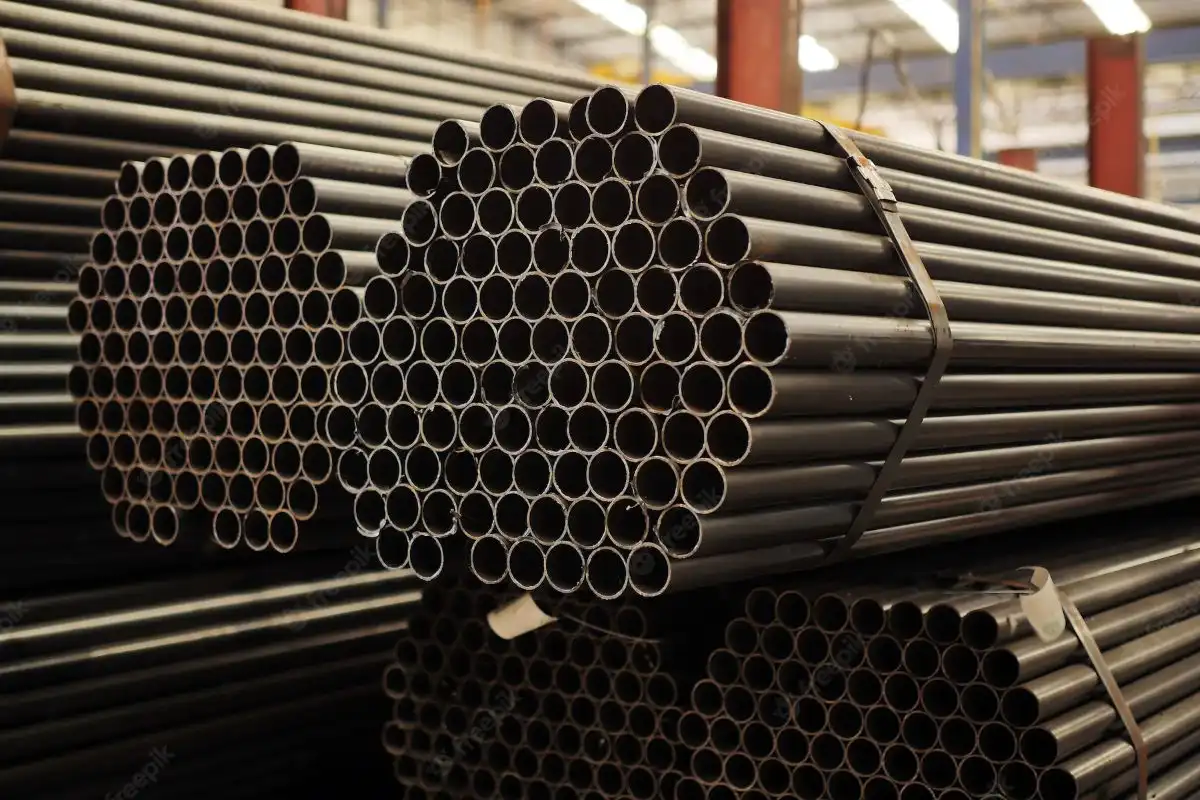
When used in tropical environments that put a lot of stress on materials and production, the choice of supplier and how to buy them has a big effect on the total cost of ownership and the amount of upkeep that needs to be done over time.
Supplier Evaluation Criteria
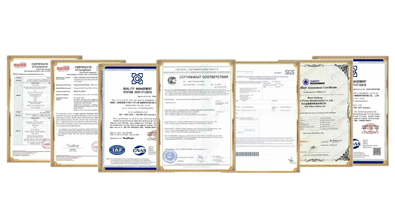
Quality standards are very important for making sure that production skills and process control systems are working properly. Certification in ISO 9001:2015 shows that quality management is done in a planned way, and compliance with ASTM A53 makes sure that the composition and mechanical features of materials meet set standards. GOST-R approval shows that you meet the rules for exporting goods to other countries, which is especially important for global projects. When dealing with application-specific problems in humid settings, technical help skills become very important. Suppliers who give mechanical advice, coating suggestions, and field support services add value that can have a big effect on the success of a project. Manufacturing sites that can try products in warm climates give customers more confidence in how well they will work in real-life situations. Supply chain reliability keeps projects on track and cuts down on the costs of having inventory in hard-to-store places. Suppliers with various factories and well-established transportation networks give you more options for meeting project delivery needs and lower the risk of running out of materials.
Specification Development
Specifications for materials should include standards for better corrosion protection that are unique to tropical uses. Tighter chemistry controls, especially for sulfur and phosphorus levels, can make things less likely to rust and easier to weld. Better preparation of the surface is needed to make sure that the protected covering sticks well and works well for a long time. When choosing a wall width, you should think about how much rust you expect to happen based on how harsh the environment is and how long you expect the wall to last. In order to account for faster rusting rates, coastal installations may require additional corrosion allowance or enhanced protective coatings compared with inland installations. As part of the testing standards, rapid corrosion tests should be carried out using salt spray or cyclic corrosion methods that mimic conditions found in tropical areas. These tests give numbers that show how well the coating should work and help make sure it does what it's supposed to do before big purchases are made.
Logistics and Storage Considerations
When shipping to warm places, methods must keep pipes from getting wet or broken while they're being moved. Using vapor barrier films and desiccant materials in the right way during shipping stops rust from starting over long periods of time. Ventilation systems for containers lower the risk of condensation while keeping a safe atmosphere. In warm regions, where high humidity and changing temperatures can damage protective coatings before they are installed, the design of storage facilities is very important. Warehouses with climate control or well-designed air systems keep storage conditions at their best. Regularly rotating inventory makes sure that materials don't lose quality over long periods of storage. The way the covering is handled should keep it from getting damaged and keep it from getting contaminated, which could speed up rusting after installation. Training programs for office and installation staff cut down on lost materials and make sure that workers do their best throughout the entire project lifecycle.
Conclusion
To keep black steel pipe systems in tropical areas in good shape, you need to know a lot about the things that can damage them, how to check them properly, and how to take action before problems happen. High humidity, salt exposure, and changes in temperature make for tough conditions that require extra care when choosing materials, covering systems, and ways to prevent rust. Instead of fixing things after they break, successful programs focus on preventive care that is based on monitoring their state.Typically, investing in high-quality maintenance procedures delivers a substantial return on investment (ROI) by significantly extending equipment lifespan and minimizing replacement costs. This makes proactive maintenance both financially compelling and essential for operational safety.
FAQ
1. How often should black steel pipes be inspected in tropical climates?
How often you inspect relies on how dangerous the setting is and how important the application is. Coastal sites usually need visual checks once a month and detailed checks every three months. In tropical inland areas, the time between visual checks can be pushed back to every three months and detailed checks every six months. Automated rust tracking systems may need to be used to keep an eye on critical process systems all the time.
2. What protective coating systems work best in high-humidity environments?
For best results in warm conditions, use multi-layer coating systems with zinc-rich epoxy primers and polyurethane topcoats. The total thickness of the system should be more than 12 mils if the surface is properly prepared to be as clean as white metal. When choosing a coating, you should think about the situations it will be exposed to, such as temperature ranges and chemical compatibility.
3. Can cathodic protection be used effectively in tropical soil conditions?
Cathodic protection works well in tropical soils, but the design needs to be changed to account for the high electrical conductivity and moisture in the soil. Because earth conditions change, impressed current devices usually give better control than sacrificial anodes. Using the right drains and backfill materials keeps the safety levels high and stops the anode from wearing out too quickly.
4. What are the warning signs of accelerated corrosion in tropical environments?
Early warning signs include surface discoloration, coating blistering or flaking, rust-stained joints, and unusual surface deposits. Pitting corrosion appears as small holes or depressions in metal surfaces, while uniform corrosion creates general metal loss measurable through thickness testing. Biological growth near piping systems may indicate microbiologically influenced corrosion requiring immediate attention.
5. How do storage conditions affect pipe performance in tropical climates?
Improper storage can initiate corrosion before installation, compromising long-term performance regardless of subsequent maintenance efforts. Controlled humidity below about 60% relative humidity helps reduce condensation risk, while vapor phase inhibitors provide additional protection. Proper ventilation and regular inventory inspection ensure material quality throughout storage periods extending beyond 6 months.
Contact RAYOUNG for Premium Black Steel Pipe Solutions
RAYOUNG is a reliable company that makes black steel pipes. They offer tried-and-true solutions that are designed to work in harsh tropical settings around the world. We make all of our products, like ERW and seamless carbon steel pipes, to strict ISO 9001:2015 quality standards. This makes sure that your important building projects always work well and are reliable. We have GOST-R and SGS certificates that prove we follow export rules and guarantee quality. This means we can give your projects the technical know-how and high-quality production they need.
Our skilled engineering team can help you choose the right pipes and keep them in good shape so they can handle the challenges of living in a tropical environment. RAYOUNG offers competitive prices, stable supply chains, and full expert support throughout the entire lifecycle of your project, whether you need to buy in bulk for large-scale industrial projects or make specific requirements for unique uses. Please email our team at info@hb-steel.com to talk about your specific needs and find out how our tried-and-true solutions can help you lower your total ownership costs and improve operating efficiency in difficult tropical environments.
References
1. American Society for Testing and Materials. "Standard Specification for Pipe, Steel, Black and Hot-Dipped, Zinc-Coated, Welded and Seamless." ASTM International Standards Manual, 2023.
2. National Association of Corrosion Engineers. "Atmospheric Corrosion Resistance of Structural Steels in Tropical Marine Environments." NACE Technical Report, 2022.
3. International Organization for Standardization. "Corrosion Protection of Steel Structures by Protective Paint Systems in Tropical Climates." ISO Technical Guidelines, 2023.
4. Society for Protective Coatings. "Performance Evaluation of Protective Coating Systems in High Humidity Environments." SSPC Research Publication, 2022.
5. Corrosion Science Institute. "Microbiologically Influenced Corrosion in Tropical Industrial Applications." Industrial Corrosion Research Journal, 2023.
6. Pipeline Research Council International. "Maintenance Best Practices for Carbon Steel Piping in Aggressive Environments." PRCI Technical Manual, 2022.

Need a quote? Want to see samples? Just say hello. We’re friendly. We’re fast. And we’re ready when you are.
Welcome to RAYOUNG – Strong Pipes, Stronger Promise