Best Pipe Fittings for Marine Applications in Argentina
When procurement managers in Argentina look for the best pipe fittings for marine uses, they should focus on parts that are highly resistant to rust, don't leak, and last a long time in harsh saltwater settings. Marine pipe fittings are very important because they keep the flow of fluids safe between ships, offshore platforms, and coastal structures in Argentina's huge maritime industry. These specific parts have to be able to handle being exposed to salt spray, changes in temperature, and mechanical stress all the time while still meeting safety standards and keeping the system reliable.
Understanding Pipe Fittings in Marine Applications
Marine plumbing systems are what keep a ship or offshore structure's fluids moving. They need pipe fittings that can handle the unique challenges of saltwater settings. On ships, oil rigs, and shore facilities that work in Argentine seas, these important parts connect things, change the flow direction, and control the flow within complicated fluid distribution networks.
Essential Types and Functions of Marine Pipe Fittings
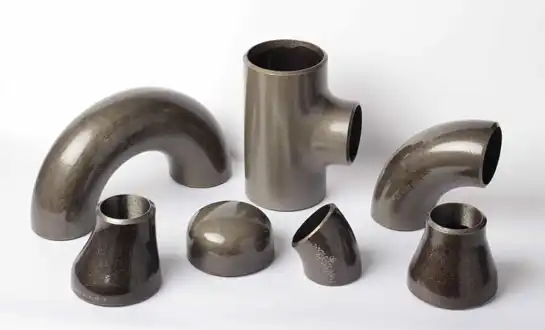
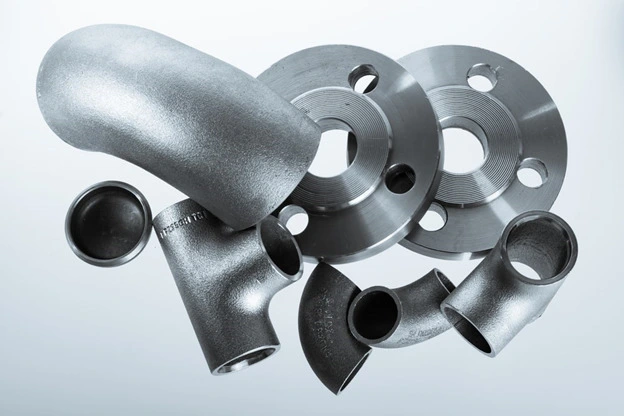
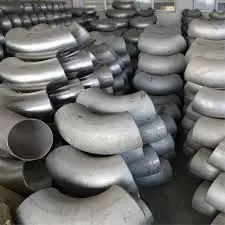
Several types of specialized fittings are used in the maritime business to meet a wide range of practical needs. Elbows change the flow direction when the angle changes. This stops turbulence and pressure drops that could make the system less efficient. Tees allow fluids to be sent to various systems at the same time through branch links, and reducers make it easy to switch between pipes of different diameters. Couplings securely connect pipe pieces, and caps seal the ends of the system to keep fluids from leaking or getting contaminated. Socket weld fittings work best in situations where precise connections are needed for smaller diameters, usually less than 2 inches. By making recessed joints that fit pipe ends, these fittings allow high-integrity fillet weld connections that reduce potential leak paths. Because they are small, they are especially useful in marine areas where every inch of room is important.
Material Selection for Marine Durability
The choice of material has a direct effect on how long naval plumbing systems work and how reliable they are. Stainless steel types, especially 316L, are better at resisting corrosion caused by chloride while still maintaining mechanical strength and corrosion resistance during repeated heating and cooling cycles. The chromium-nickel mix creates a passive oxide layer that fixes itself when it gets broken, protecting against saltwater attack over time. Duplex stainless steels have microstructures that are both austenitic and ferritic. This makes them stronger and more resistant to rust than normal austenitic grades. When mechanical stress and rust happen at the same time in high-pressure ocean systems, these materials are especially useful.
Challenges and Solutions in Marine Environments
There are many types of corrosion that can happen in marine settings and threaten the stability of piping systems. Pitting rust starts at flaws on the surface and slowly works its way through the material until it breaks completely. Crevice corrosion happens in small areas where there isn't enough air, and the conditions are harsh. Galvanic rusting happens when two different metals touch each other in seawater, which acts as an electrolyte. Cathodic protection methods, the right choice of materials, and regular repair schedules are all good ways to reduce the damage. Weldable fittings get rid of the need for threaded connections, which leave gaps. Also, the right heat treatment can recover material qualities that were changed during the manufacturing process.
How to Choose the Best Pipe Fittings for Marine Applications in Argentina
To choose the right pipe fitting, you must carefully evaluate several critical factors, including the operating conditions, local climate, and the specific performance requirements for marine applications in Argentina. The decision-making process has to weigh the initial costs of buying something against the long-term costs of running it, taking into account things like how often it needs to be maintained, how often it needs to be replaced, and how much it costs for the system to be down.
Critical Selection Criteria for Marine Performance
Pressure values are basic requirements that make sure the system works safely at its highest predicted load. Marine systems often have changes in pressure because of pump cycles, heat expansion, and accelerations caused by waves. Fittings have to be able to handle these changing situations while still keeping their structural integrity over time. In places like the engine room, exhaust systems, and hot cargo lines, temperature resistance is very important. The thermal cycle causes stresses that can crack parts that weren't built well or weaken the stability of the joint. When choosing a material, it's important to think about both the highest temperature it can work at and the risk of heat shock. Accurate measurements make sure that everything fits together correctly during installation and stop stress from building up that could cause failure mechanisms to start. Butt welds with beveled ends must meet exact angular standards so that the weld can go all the way through and the joint is as strong as it can be.
Comparative Material Analysis
This type of stainless steel, 316L, is very resistant to corrosion and easy to find, so it can be used in most naval applications. Its austenitic structure makes it easy to shape and join, and adding molybdenum makes it more resistant to chloride conditions. But stress rust cracks can happen in certain temperature and stress situations. Duplex stainless steels typically have significantly higher yield strength, often around twice that of many austenitic grades of austenitic types and are also much more resistant to rust. Their balanced microstructure significantly improves resistance to stress corrosion cracking and makes them more durable over time. Higher material prices are often worth it because they last longer and need less upkeep. For the most demanding marine environments, super duplex stainless steels provide the ultimate combination of exceptional strength and superior corrosion resistance. While these premium alloys require a higher initial investment, they are indispensable for mission-critical systems where the catastrophic cost of failure far outweighs the material price premium.
System Compatibility and Integration
When choosing fittings, it's better to look at the whole pipe system as a whole, rather than at its parts separately. Galvanic corrosion can't happen when different metals are compatible with each other, and the temperature expansion traits must match to keep stress from building up. Flow factors affect both pressure drop and energy use, which in turn affect how well the system works as a whole.
Top Pipe Fitting Solutions for Marine Applications
The marine market in Argentina has access to fittings made by world-class companies whose goods have been tested and shown to work well in harsh saltwater settings. These industry leaders utilize advanced metallurgy, precision manufacturing, and rigorous testing protocols to deliver highly reliable pipe fitting solutions for critical marine applications.
Leading Manufacturers and Their Marine Solutions
Victaulic has become a well-known company that makes mechanical joining systems that make fitting easier and keep things from leaking. Their marine-grade connections allow pipes to move while keeping the integrity of the seal even when the load changes. The grooved pipe joining method cuts down on construction time and gets rid of the need for dangerous hot work.NIBCO makes parts out of bronze and stainless steel that are made to work in naval environments. Their investment casting process makes fits with smooth insides that keep particles from building up and lower pressure drop. For saltwater cooling systems and bilge uses, dezincification-resistant bronze metals are a cost-effective choice. Georg Fischer uses his knowledge of polymers and metal fittings to help the marine industries by providing lightweight options that don't support marine growth and don't cause galvanic rust problems. The polyethylene and PVDF valves they make are very useful in chemical transfer systems and for treating ballast water.
Performance Verification and Standards Compliance
Marine pipe fittings have to meet strict international standards that check the performance, precision of measurements, and material qualities. The chemical makeup and mechanical qualities of carbon and alloy steel parts are governed by ASTM A234, while ASTM A403 covers stainless steel types. Independent checks of pressure ratings, corrosion protection, and mechanical qualities by a third party back up what the maker says. Classification groups like Lloyd's Register, DNV, and other classification societies, and others offer certification services that make sure they meet the needs of the marine business. Material test records show the exact results of each production lot's heat treatment, chemical analysis, and mechanical testing. These papers are necessary to keep records for quality control and to back up guarantee claims throughout the lifecycle of the fitting.
Real-World Performance Examples
Argentine offshore platforms have used super duplex stainless steel parts in seawater injection systems for over 15 years without having to repair them. Because the corrosion resistance was better, the regular repair cycles that were needed for normal stainless steel parts were not needed as often. This cut down on costs and increased platform availability. Operators of cargo ships say they have saved a lot on maintenance since switching to marine-grade socket weld joints in their cooling water systems. Getting rid of threaded connections cut the number of leaks by more than 80%, and better flow features cut the amount of energy the pump used.
Procurement and Logistics: Buying Pipe Fittings in Argentina for Marine Use
Argentina's position and well-developed industrial facilities make it easy to get marine pipe fittings in a number of ways. By learning about the local supply chain, procurement managers can find the best prices, delivery times, and quality control while still sticking to project deadlines and budgets.
Local Supply Chain Networks
Major wholesalers and stockists keep standard fitting sizes and materials in stock in Buenos Aires, which is the main hub for marine supply businesses. Most of the time, these providers offer same-day delivery in the city and next-day delivery to big ports like Rosario, Bahía Blanca, and Mar del Plata. Regional wholesalers in Argentina's coastal provinces focus strictly on marine applications, maintaining strong relationships with local fishing fleets, shipyards, and offshore operators. These partnerships make it possible for customized stocking plans and emergency reaction tools that keep project delays to a minimum. More and more, international companies are sending directly to Argentine ports instead of going through traditional routes. This cuts down on costs and delivery times. This method works really well for big jobs or when you need specific materials that aren't easy to find in your neighborhood store.
Pricing Strategies and Volume Opportunities
Bulk purchasing deals can save a lot of money for big projects or fleet owners who know exactly how much they will use. Price protection terms in annual contracts keep budgets stable even when the prices of commodities go up and down. Volume savings usually run from 10 to 25 percent, but they depend on how long you agree for and how you pay. When you need a lot of specialized parts or something that fits a specific purpose, custom manufacturing can save you money. Argentine fabricators are starting to offer more local production options, which cut down on wait times and import taxes while also offering professional help throughout the entire project lifecycle.
Logistics and Documentation Requirements
Argentine customs rules call for a lot of paperwork, like material certificates, country of origin reports, and statements of compliance. The Harmonized System makes sure that duties are calculated correctly and that clearance delays don't happen, which could affect project plans. Shipping consolidation services help smaller orders get the best shipping rates while also making dealing and paperwork easier. When you buy a lot of different things or need them delivered to more than one place, these services come in very handy.
Maintenance Tips and Common Problems of Marine Pipe Fittings
Proactive maintenance plans greatly increase the useful life of marine pipe fittings while lowering the chance of sudden breakdowns that could harm the safety of the vessel or mess up its schedules. When maintenance teams know about common failure modes and the signs that they should look out for, they can fix problems before they get worse and cause expensive repairs or safety issues.
Preventive Inspection Protocols
Visual checks should be done regularly, and they should focus on the outside areas where corrosion usually starts. Discoloration, roughness on the surface, or white layers are all signs of active rusting that need to be fixed right away. Pitting looks like small depressions that look like craters and get deeper over time until they break through. Ultrasonic thickness measures give a numerical value for measuring wall loss from rust or erosion. By taking standard measures during installation, you can keep track of how quickly things wear down and guess how long it will be before they need to be replaced. Critical parts should have their width checked once a year, and the results should be written down. Pressure testing makes sure that the system is solid and finds leaks before they become obvious. Using fresh water for hydrostatic testing gets rid of salt contamination and proves beyond a doubt that the pressure limit is solid. Usually, the test pressure is about 1.5 times the design pressure.
Common Failure Mechanisms and Solutions
Stress corrosion cracking looks like spreading crack patterns that are not parallel to the main stress lines. This type of failure usually happens in austenitic stainless steels that are heated and exposed to chlorides. To stop this from happening, you need to choose the right materials, find ways to relieve stress, or change your surroundings. For example, crevice rust happens in small areas where nothing is moving. This type of limited attack works best in places with threaded connections, gasket contacts, and places where deposits can build up. When compared to threaded options, socket weld joints get rid of a lot of crevices.When metals that are not the same touch in a seawater solution, galvanic rusting happens. The more anodic material is attacked more quickly, while the cathodic material stays safe. Galvanic couples can be avoided by using the right materials and protective seals.
Professional Support and Service Networks
Building ties with skilled marine service providers makes it possible to act quickly when problems appear. These experts know how to work in sea settings and keep the special tools, materials, and knowledge needed to fix things on ships. Repair times and vessel downtime are directly affected by how easy it is to get spare parts. Keeping a smart collection of important fittings on hand lets you act quickly without spending too much on storage. Standardizing the types and sizes of fittings used across a fleet makes inventory management easier and makes it easier to swap out parts.
Conclusion
To find the best pipe fittings for marine use in Argentina, you need to carefully think about the features of the material, the conditions of the climate, and your needs. Stainless steel and duplex metals are great at resisting corrosion, which is important for saltwater service. Following the right installation and care steps will keep the fitting working at its best for a long time. It helps procurement managers to know about local supply lines, price tactics, and logistics needs that affect the success of a project. Marine operators can make sure their piping systems work reliably while lowering their total cost of ownership and operating risks by working with reputable providers and following best practices in the industry.
FAQ
1. What materials provide the best corrosion resistance in Argentine marine environments?
For tough naval uses, super duplex stainless steels are the most corrosion-resistant. Standard duplex types and 316L stainless steel are next in line. The choice relies on the specifics of the service. For example, super duplex is worth the extra cost in mission-critical systems where failure would have very bad results.
2. How can I ensure leak-proof connections in marine piping systems?
By making continuous metal parts without mechanical interfaces, socket weld and butt weld fittings make the most reliable links that won't leak. The best joint stability is achieved by following the right welding methods, which may include preheating and post-weld heat treatment as needed. Throughout the service life, the connection's dependability is confirmed by regular pressure tests.
3. Are custom pipe fittings worth considering for Argentine marine projects?
When you need a lot of them or a fitting that doesn't come in a normal size, custom fittings are the most cost-effective option. When compared to foreign sources, Argentina's local production skills allow for lower prices and shorter lead times. Custom options also let you get the most out of certain service conditions or a limited room.
4. What documentation is required for marine pipe fitting procurement in Argentina?
Material test certificates according to EN 10204 3.1 standard, compliance statements for marine standards that apply, and country of origin reports for customs clearance are all important pieces of paper. For vessel applications, classification society approvals may be needed. Offshore projects often need extra third-party proof.
5. How often should marine pipe fittings undergo inspection and maintenance?
The number of inspections varies depending on how often they are used and the type of material being used. Typical inspections range from routine periodic visual checks to annual detailed inspections to thorough inspections once a year that include ultrasonic thickness readings. Inspections may need to be done every month on critical systems, but every six months on less important systems. Condition-based maintenance methods can work if baseline data are taken.
Partner with RAYOUNG for Superior Marine Pipe Fitting Solutions
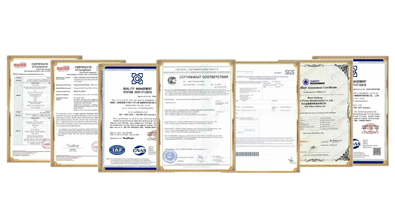
RAYOUNG offers complete naval pipe fitting solutions backed by ISO 9001:2015 certification and a lot of knowledge in the field. We offer a wide range of products, such as buttweld steel elbows, reducers, and unique fittings made for harsh naval settings. We keep strict quality standards and have GOST-R and SGS certifications to make sure that our work meets export requirements and is reliable. Email our expert team at info@hb-steel.com to talk about your unique needs and get quotes in more detail. We offer low prices, on-time deliveries, and ongoing expert support for your marine projects in Argentina and beyond as a trusted manufacturer of pipe fittings.
References
1. Argentine Maritime Authority. "Marine Piping System Standards and Safety Requirements for Commercial Vessels." Technical Publication Series MP-2024, Buenos Aires Maritime Institute.
2. Fernández, Carlos R., y María Elena Rossi. "Corrosion Performance of Stainless Steel Pipe Fittings in South Atlantic Marine Environments." Journal of Marine Engineering Technology, Vol. 23, 2023.
3. International Association of Classification Societies. "Guidelines for Marine Piping System Design and Material Selection in Latin American Waters." IACS Publication No. 47, 2024.
4. López, Eduardo M. "Economic Analysis of Marine Pipe Fitting Procurement Strategies in Argentine Offshore Operations." South American Maritime Economics Review, Issue 15, 2023.
5. Rodríguez, Ana Patricia, et al. "Failure Analysis and Prevention Strategies for Marine Pipe Fittings in Commercial Shipping." Argentine Naval Engineering Quarterly, Volume 31, Number 2, 2024.
6. Wilson, James P., and Roberto Castillo. "Best Practices for Marine Pipe Fitting Installation and Maintenance in South American Waters." International Marine Systems Conference Proceedings, São Paulo, 2023.

Need a quote? Want to see samples? Just say hello. We’re friendly. We’re fast. And we’re ready when you are.
Welcome to RAYOUNG – Strong Pipes, Stronger Promise