Guide: Packing & Shipping Steel Pipes Internationally
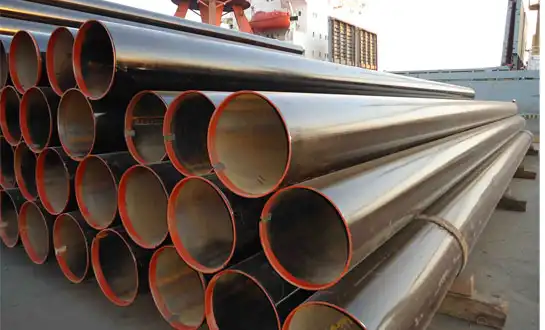
Properly packing and sending steel pipes is one of the most important parts of the foreign trade of industrial goods. It can make or break your project's schedule and budget. Steel pipes are an important part of modern infrastructure because they reliably move fluids and gases and support structures in many fields. If you know how complicated international operations for these components can be, you can be sure that the decisions you make about what to buy will reduce risk and keep quality standards high throughout the global supply chain.
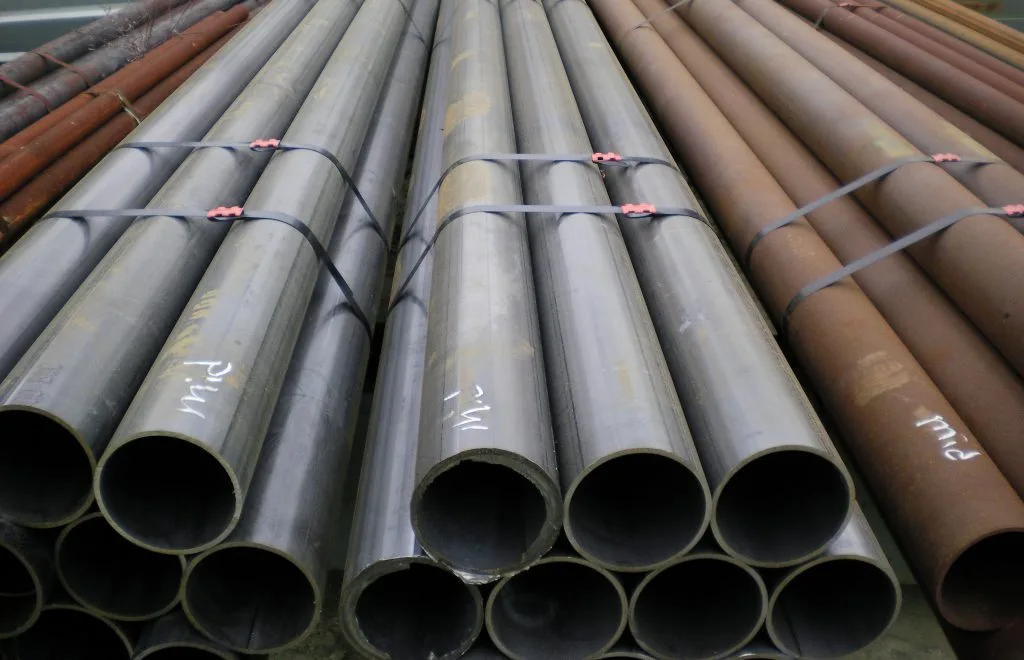
Understanding the Challenges in Packing & Shipping Steel Pipes Internationally
Shipping steel pipes internationally comes with its own set of handling problems that can have a big effect on the quality of the product and the efficiency of the supply chain. There is a lot more to it than just putting pipes on a ship and hoping they get to their destination intact.
Corrosion and Environmental Exposure Risks
Ocean freight puts steel pipes in contact with salty air, changes in humidity, and changes in temperature, all of which can speed up the rusting process. Even short-term exposure during transport can cause surface corrosion or coating damage on carbon steel pipes, especially if the coatings that cover them aren't strong enough or are broken while being handled. The marine climate is rough, and when water gets into packing materials, it can cause rust, pitting, and surface wear that might not be obvious at first glance after delivery.
Structural Deformation During Transit
Steel pipes are difficult to handle because of their length and weight, which increases the likelihood that they will bend while being loaded, moved, and unloaded. When support systems aren't set up right, pipes can bend, become damaged, or experience ovalization, especially when they are longer. The rolling and pitching motions of ocean ships create dynamic loads that could cause pipes to move against their supports and suffer lasting damage that changes how well they work.
Regulatory Compliance Complexities
Different countries have different rules about importing steel pipes, such as the need for material certifications, size limits,and paperwork. Standards such as ASTM, API, or ISO may apply depending on the project requirements, and testing documents and the right paperwork must show this. Customs officials in different countries may have varying regulations regarding how to properly mark, label, and package steel pipes for import. If these rules aren't followed correctly during the packing phase, delays may happen.
Key Principles for Effective Packing of Steel Pipes
Packing well is the main way to keep things from getting damaged during foreign shipping. This needs a methodical approach that takes into account how vulnerable different types of pipes are and the conditions of the shipping.
Material Selection and Protection Systems
Professional packing starts with choosing the right packing materials that offer multiple layers of protection against physical and environmental threats. Several important parts that work together to keep the pipe's integrity are at the heart of successful security. High-quality wooden crates support the structure and spread the weight evenly across the pipe bundles, stopping stress spots that could lead to distortion. Steel strapping methods keep pipes in groups while still letting them expand and contract with the temperature while they're being shipped. High-density plastic wrap makes moisture barriers that keep things from coming into direct contact with damp air, and improved anti-corrosion coatings protect surfaces that are left out in the open even more. It is important that these safety devices are made to fit the needs of pipes of different sizes and materials. Support systems for heavy-wall pipes need to be stronger, while uses for thin-wall pipes need more padding to keep them from breaking from vibration and impact forces.
Customized Approaches for Different Pipe Types
Each type of steel pipe has different packing needs based on the materials it is made of, how it was made, and what it will be used for. When procurement teams know about these differences, they can set the right levels of protection that balance cost with risk reduction. Because of how they are made, seamless steel pipes may require careful surface protection during transport, even though they are usually stronger. Individual protective wrapping and close attention to end protection are good ways to keep these pipes from getting thread damage or deforming at the ends. When working with welded steel pipes, it's important to pay extra attention to the weld seam areas where stress may build up. When you bundle pipes correctly, you keep the general structure of the pipes supported, and the load is spread away from the weld lines. Stainless steel pipes need to be handled in a certain way so that they don't get contaminated by carbon steel. They also need to be kept away from metals that aren't the same as them so that galvanic corrosion doesn't occur.
Documentation and Labeling Standards
Clear marking and accurate paperwork make customs procedures faster and less likely to make mistakes that could damage packages. Each package must have detailed information about what's inside, how to handle it, and where it's going. Labels should have information about the material, its dimensions, the amount that is being sent, and how to handle it in both the source and target languages. Packing lists, mill test certificates, material certifications, and inspection records that show agreement with applicable standards should all be included in documentation packages.
Comprehensive Shipping Process for Steel Pipes – Step by Step
A meticulously planned shipping method mitigates risks and ensures that steel pipes arrive in perfect condition, ready for immediate installation or further processing.
Pre-Shipment Quality Control and Inspection
Before packing starts, quality control starts with thorough inspections that check the pipe's specs, accuracy in measurements, and surface state. During this important phase, possible issues that could become big problems during or after travel are found. Dimensional checking makes sure that pipes meet the required limits for length, diameter, and wall thickness. Surface checks find flaws in the coating, mechanical damage, or rust that could get worse while the item is being shipped. Reviews of materials for approval make sure that their chemical makeup and mechanical qualities meet the needs of the project and any applicable standards. Documenting the conditions of the goods before they are shipped provides a reference point for damage assessment and insurance claims if problems happen during shipping. Digital photos and thorough inspection reports keep records that can be used to help with quality control.
Transportation Mode Selection and Logistics Planning
Choosing the right transportation method relies on a number of things, such as the size of the package, the needs of the location, the arrival schedule, and the cost. Each mode has its own pros and cons that affect the success of the job as a whole. When shipping a lot of items, ocean freight is the most cost-effective option, but it takes longer to get there and requires extra safety at sea. Shipping in containers is safer and better protects against the weather, but it may limit the size of the goods and require special tools to load. Air freight can get things to people quickly when they need them, but it costs more and has weight limits that may limit the size of shipments. Overland transportation offers flexibility for inland delivery and shorter transit times for regional shipments.
Loading and Securing Procedures
The right way to load goods keeps it from getting damaged during transport, makes the best use of the room, and keeps the ship stable. The dynamic forces during shipping are taken into account by strategic placement and locking methods. When moving pipe bundles, they need to be placed so that they don't move around too much and have enough support along their whole length. Securing systems should make sure that binding forces are spread out evenly so that there aren't any areas of high stress that could cause distortion. Separators keep pipes from touching each other directly and protect the surfaces from damage that could come from moving. Accurate load distribution calculations ensure that weight concentrations remain within the vessel's capacity limits and are evenly spread for safe transport. Furthermore, robust dunnage, blocking, and bracing systems must be employed alongside heavy-duty steel strapping to prevent shifting and safely transfer dynamic loads to the vessel's structure.
Comparing Steel Pipes Packing & Shipping Solutions in the Market
There are many different ways to pack and ship steel pipes on the global market. Each has its own pros and cons that affect purchasing decisions.
Traditional Packaging Methods
Traditional ways of packing use tried-and-true materials and methods that have been improved over many years of sending goods around the world. These methods put an emphasis on being reliable and low-cost, and they offer enough safety for most common uses. Wooden crate systems are the most common traditional method. They provide great safety and are easy to use with normal tools. Banding made of steel is a safe way to keep bundles together during normal shipping conditions. Simply wrapping something in plastic keeps wetness out while still letting you see what's inside. However, standard ways might not work well in harsh environments or when working with special pipe materials that need extra protection. Environmental worries about wooden packing materials also play a role in how some markets choose their products.
Modern Innovative Solutions
Newer packing technologies use advanced materials and design ideas that make protection better while also taking environmental worries into account. Most of the time, these options offer better performance, but they may cost more at first. When compared to standard options, composite packing materials are stronger for their weight and less likely to rust. Modern polymer wrapping methods are better at keeping out wetness and chemicals. Modular packaging designs make good use of the room and make handling easier. Some of the environmental benefits are materials that can be recycled, less trash from packing, and reducing the need for treated wooden materials that must comply with ISPM 15 regulations. These benefits often make up for higher original costs by lowering the cost of removal and reducing the amount of damage that happens.
Shipping Service Evaluation Criteria
To choose the right shipping services, you need to look at a lot of different factors that affect the success and cost-effectiveness of the whole project. Leading steel pipe providers offer different levels of service to meet the needs and goals of different projects. Service reliability includes showing up on time, knowing how to handle goods well, and being able to avoid damage. Coverage of geography affects how easy it is to get to project sites and how long and how much it costs to get there. Technical knowledge in how to handle industrial products ensures that they are handled with care during the shipping process. Cost structures vary a lot from one service provider to the next. They may offer bulk discounts, chances to combine services, and flexible payment terms that change the general economics of the project. When making procurement decisions, teams should understand these differences, and they can make the best shipping plans while still meeting quality standards.
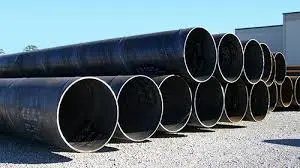
How to Choose the Right Steel Pipe Supplier for International Shipments
Choosing a supplier is one of the most important parts of buying steel pipes internationally; it has a direct effect on the success of the project, the ability to keep costs down, and the ability to handle risks.
Certification and Quality Standards
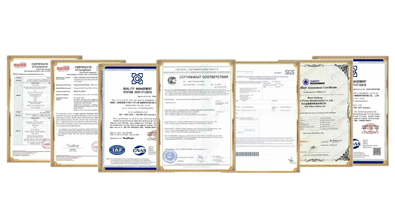
Supply chains that you can trust have comprehensive certification systems that show they meet international quality standards and government rules. With these certificates, you can be sure that the goods you buy will meet the needs of the project and work as expected when they're in use. If a company has ISO 9001:2015 certification, it means they use systematic quality management methods to make sure their products are always of high quality and keep getting better. API and ASTM certifications show that a product meets certain industry standards for testing needs and material qualities. Export certificates show that a company can meet the rules for foreign shipping and customs. Organizations like SGS offer third-party testing, which is an independent check of quality processes and product conformance. GOST-R approval lets you enter certain area markets that have their own rules. These certificates lower the risks of buying things and help projects meet their legal goals.
International Logistics Expertise
Suppliers with a lot of experience know a lot about the rules and regulations that affect the successful delivery of projects, including foreign shipping requirements, customs processes, and regulatory compliance problems. This knowledge is very helpful for keeping projects on track because it helps avoid delays and extra costs that can throw off plans. Suppliers can offer reasonable prices and reliable service through chosen carrier relationships that have been in place for a while. Customs documentation knowledge makes sure that the necessary paperwork is properly prepared and lowers the chance of clearing delays. Being familiar with the area helps you deal with the rules and customs that affect your business. Supply chain awareness tools let you keep track of things in real time and let people know ahead of time about any problems or delays that might happen. With these features, project teams can make smart choices and change plans as needed.
Manufacturing Capabilities and Service Offerings
Suppliers can meet the needs of a wide range of projects while still meeting quality standards and delivery dates when they have a wide range of manufacturing skills. Planning production in a way that is flexible lets you adapt to changing project needs and urgent needs. Customers can use custom manufacturing services to get things that don't come in normal sizes or types of materials. Value-added services like coating, cutting, and threading can lower the cost of a job and make the buying process easier. Systems for quality control make sure that the quality of the products is the same in all of the production steps. Minimum order requirements affect how much a project costs and how to plan for supplies. Suppliers with open order policies make buying things easier and lower the cost of moving goods. Volume pricing systems keep prices low for smaller amounts while rewarding larger orders.
Conclusion
To successfully ship steel pipes across foreign borders, you need to pay close attention to packaging rules, transportation logistics, and factors for choosing a supplier that have a direct effect on the project's results. When procurement workers understand these important factors, they can make choices that reduce risks while also improving delivery performance and cost-effectiveness. Because global supply lines are so complicated, companies need to work with experienced providers who have the technical know-how, quality certifications, and logistics skills to help with big building projects. By planning and carrying out the shipping and packing steps correctly, businesses can make sure that the steel pipes they need get there safely and on time, ready to help build important structures around the world.
FAQ
1. What are the most common causes of damage during international steel pipe shipping?
Shipping damage is mostly caused by corrosion from being exposed to water, structural deformation from not having enough support, and surface damage from not having enough secure packing. When pipes don't have the right protections, environmental factors like salt air exposure during ocean travel and changes in temperature can make these problems worse.
2. How do different steel pipe types require different packing approaches?
To keep the threads from getting damaged, each seamless pipe needs to be wrapped, and its ends need to be protected. When bundling welded pipes, the joint seam areas need to be carefully looked after. To stop galvanic rusting, stainless steel pipes need to be kept away from carbon steel. Heavy-wall pipes need stronger support structures than thin-wall pipes, which need better vibration protection.
3. What documentation is essential for international steel pipe shipments?
Mill test certificates, material certifications that show compliance with standards like API and ASTM, specific packing lists, inspection reports, and customs statements are all important pieces of paperwork. Labeling items correctly in both the source and target languages, along with handling directions and size requirements, can help keep customs delays and handling mistakes to a minimum.
4. How can buyers verify supplier capabilities for international shipping?
Check the supplier's credentials, such as ISO 9001:2015, API, and export compliance credentials, such as GOST-R and SGS certificates. Check out their established shipping relationships, knowledge of customs paperwork, and tools for keeping an eye on the supply chain. Ask for names from people who have worked on similar projects before, and make sure they have experience with the countries you want to go to and the rules that apply there.
Ready to Secure Reliable Steel Pipe Supply with Expert International Shipping?
RAYOUNG has over 17 years of experience making steel pipes and managing foreign shipping. They will make sure that your projects get the quality and dependability they need. We offer reliable steel pipes, and our production methods are ISO 9001:2015 certified. We can also fully export our products so that we can serve EPC contractors, industry developers, and building projects all over the world. Our comprehensive product portfolio includes welded pipes, seamless pipes, and custom fabricated solutions. To guarantee uncompromised quality and strict compliance with global standards, all our exports are backed by GOST-R certification and comprehensive SGS inspection reports.
Contact our professional team at info@hb-steel.com to talk about your specific needs and find out how our tried-and-true packing and shipping methods can lower the risks of your project while guaranteeing on-time delivery to any location in the world.
References
1. International Organization for Standardization. "Quality Management Systems for Steel Pipe Manufacturing and Export Operations." ISO Publications, 2023.
2. American Petroleum Institute. "Specification for Line Pipe Packaging and Transportation Requirements." API Standard 5L-2022.
3. Maritime Safety Committee. "Guidelines for Safe Transport of Steel Products in Marine Environments." International Maritime Organization Technical Papers, 2023.
4. World Trade Organization. "Standards and Technical Regulations for Steel Pipe International Trade." WTO Technical Barriers to Trade Agreement Documentation, 2023.
5. Society for Testing and Materials. "Standard Practices for Packaging, Marking and Loading Methods for Steel Pipe Shipments." ASTM International Standards Handbook, 2023.
6. International Chamber of Commerce. "Best Practices for Industrial Materials Export Documentation and Risk Management." ICC Trade Finance Guidelines, 2023.

Need a quote? Want to see samples? Just say hello. We’re friendly. We’re fast. And we’re ready when you are.
Welcome to RAYOUNG – Strong Pipes, Stronger Promise