Top Quality Checks for Butt Welds at Site
Butt weld joints are the foundation of industrial pipe systems, which are used in factories, chemical plants, and oil refineries to ensure stable infrastructure. These basic connections make strong, lasting parts that can stand up to high temperatures and pressures without losing their strength. On-site quality checking is the only way to be sure that these welds meet strict standards for safety, sturdiness, and functionality, all of which have a direct effect on the success of the project and the compliance with regulations. Understanding the full framework for analyzing butt weld pipe fittings is important for procurement managers, engineers, and distributors who work in tough industry sectors. It helps them make decisions that are less risky and save money. This guide gives you the information you need to buy welded pipe fittings quickly and easily. It covers quality control procedures, legal requirements, and smart ways to find products that will protect your investments and keep your business running.
Understanding Butt Welds and Their Importance in Pipe Fitting
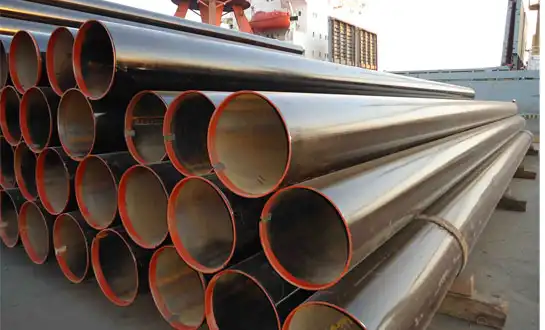
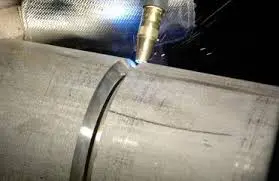
Butt welds join two pipes end-to-end by welding their beveled ends together. This makes a strong, smooth link that is an important part of the pipeline's structure. This method of welding is very different from socket welds or threaded connections because it gets rid of the internal shoulders and makes a continuous metal structure that improves flow while lowering pressure drop across the joint.
Applications Across Critical Industries
Butt weld connections in oil and gas transfer systems must withstand high operating pressures and maintain integrity in sour service environments containing hydrogen sulfide. These joints are used in petrochemical processing units to handle mixing complex fluids at temperatures above 500°C, where the thermal cycle requires very stable materials. When supercritical steam lines are used in power plants, alloy steel butt weld fittings are used because their material strength and creep resistance allow safe operation under high-temperature steam conditions.
Advantages and Limitations
The best things about butt weld joints are that they are very strong, they let a lot of fluid run through them, and they can be used with thin-wall pipe schedules from SCH 10 to heavy-wall uses. But these benefits come with certain requirements, such as exact manufacturing, skilled welding, and thorough inspection processes. Procurement pros can figure out when butt weld joints are the best value compared to other connection methods by understanding these trade-offs.
Key Quality Checks for Butt Weld at Site
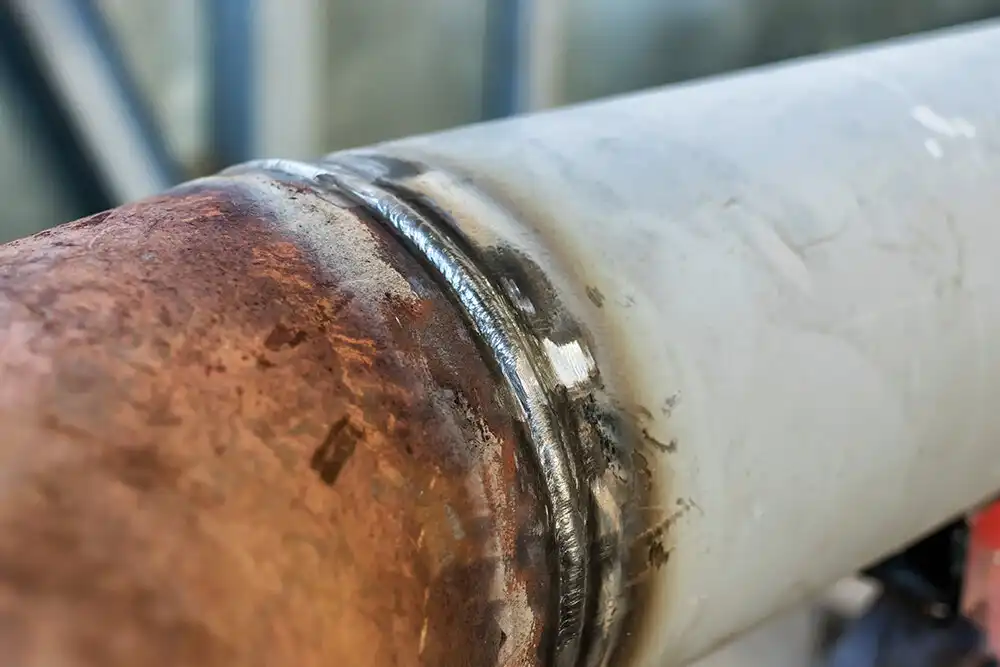
Comprehensive on-site quality checks for butt welds start with systematic visual inspections to detect surface irregularities such as cracks, porosity, undercuts, and improper root gaps. These first tests follow the rules set by ASME Section IX and API 1104. They lay the groundwork for more in-depth testing methods.
Visual Inspection and Dimensional Verification
To find surface flaws that could weaken the joint's stability during a visual check, the right lighting and magnification are needed. The measurements make sure that the pieces are lined up correctly, that the bevel angles are right, and that the root faces are properly prepared. The root face (land) is typically about 1.6 mm, depending on the welding procedure specification. These factors have a direct effect on the quality of the weld depth and melting.
Non-Destructive Testing Methods
Modern NDT methods allow for thorough testing without harming the finished metal. Radiographic testing reveals internal defects such as inclusions, lack of fusion, and porosity. Ultrasonic testing can evaluate things in real time, which is especially helpful for uses with thick walls that are hard to get to with an X-ray machine. Dye penetrant testing finds flaws that break the surface, and magnetic particle testing finds flaws below the surface of ferromagnetic materials.
Penetration and Fusion Assessment
When proper welding procedures are followed, the weld metal fuses completely through the joint. Fusion assessment checks that the weld metal and base materials are properly bonded, avoiding weak spots that could cause failure under working stresses. In high-temperature situations, where heat cycling makes stress amounts worse, these tests become even more important.
Pressure Testing Validation
After welding, hydrostatic testing makes sure there are no leaks under controlled pressure, which is usually 1.5 times the design pressure. In situations where water pollution is a worry, pneumatic testing may be used in addition to hydrostatic testing. These tests prove that the joint can hold process fluids and that it meets the requirements of pressure tank codes and pipeline rules.
Comparing Butt Welds with Alternative Welding and Joint Techniques
To choose the best joint designs, you need to know how different connection methods work, how much they cost, and how they need to be installed. This comparison helps people make smart choices that combine technical ability with the limits of the project.
Socket Weld Alternatives
Socket weld fittings are good for smaller pipe sizes and lower-pressure uses because they are faster to install and can handle alignment differences better. However, the internal shoulder causes swirling and could lead to crevice corrosion, which is a problem in harsh work settings. Compared with butt weld connections, socket weld fittings generally have lower pressure capability.
Flanged and Threaded Connections
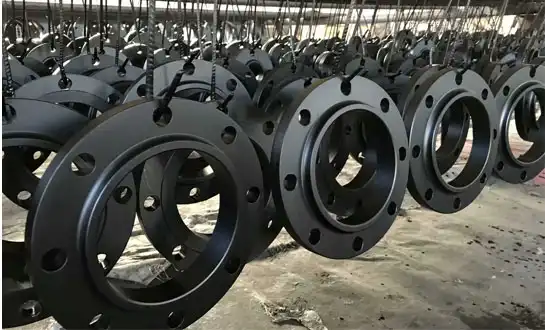
Flanged joints make links that can be taken off, which is necessary for servicing access and replacing equipment. Controlling the bolt preload lets these links work with thermal expansion, but they need a lot of room and regular upkeep. Threaded connections are useful for small tasks, but they can cause helical stress patterns and possible leaking tracks that make them unsuitable for critical service conditions.
Performance Trade-offs
Butt weld joints work great in high-temperature and high-pressure situations where lasting links are the most reliable. The continuous metal structure gets rid of any internal flow barriers and spreads pressures evenly across the joint. When the performance benefits of welded building are outweighed by issues like cost, speed of assembly, or servicing access, it may be better to use other methods.
Standards, Specifications, and Compliance in Butt Weld Quality
Regulatory compliance is the basis for safe and effective pipe system operation. Internationally recognized standards set the technical framework for choosing materials, making things, and checking the quality of the work. By knowing these requirements, procurement workers can choose parts that meet operational needs and audit standards at the same time.
ASME and API Standards Framework
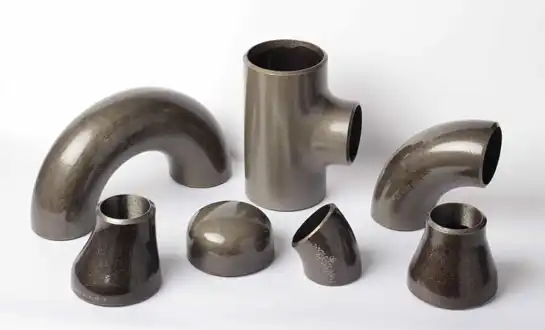
ASME B16.9 sets the measurements for wrought steel butt weld fittings. It says what the tolerances, pressure-temperature values, and marking rules are so that fittings from different makers can be used together. API guidelines cover specific needs in the oil and gas business, such as toughness requirements for materials and testing methods for sour service environments. When these standards are put together, they make detailed technical specs that keep things from breaking down too soon.
Material Certification Requirements
Each fitting must come with material tracking paperwork that lists the chemicals that made it, the results of tests on its mechanical properties, and records of its heat treatment to show that it meets the required grades. Mill test papers confirm the properties of the material and make it possible to compare them to the standards for the welding process, which makes sure that the metals are compatible. During regulatory checks and failure probes, this paperwork is very important.
Quality System Integration
ISO 9001:2015 quality management systems set up the structure for uniform checking and production processes. NACE MR0175/ISO 15156 compliance talks about choosing the right materials for sour service uses, which need controlled hardness levels and certain heat processes to stop sulfide stress cracks. Adding these needs to the procurement specs makes sure that the parts meet practical needs while still following the rules.
Procuring High-Quality Butt Weld Pipe Fittings and Services
Strategic methods for sourcing find the best mix between technical needs and business needs. This helps procurement professionals find dependable supply chains that meet project deadlines and stay within budget. This process involves careful supplier evaluation, precise specification development, and continuous tracking of component performance.
Supplier Evaluation Criteria
Checking the state of a certification means looking at things like ISO certifications, ASME code stamps, and API licenses that show the company can make things and follow quality standards. A production capacity review makes sure that suppliers can meet supply dates and quality standards even when demand changes. Logistics prices and the reliability of the supply chain are affected by geography, especially for big projects that need a lot of materials.
Technical Specification Development
Material grades, size standards, testing methods, and paperwork needs must all be spelled out in detail in order to meet the needs of the project. Pressure-temperature ratings should be based on real-world working conditions and include the right amount of safety margins. Corrosion resistance ratings are for specific process settings. Clear acceptance standards keep disagreements from happening during the shipping and inspection processes.
Supply Chain Risk Management
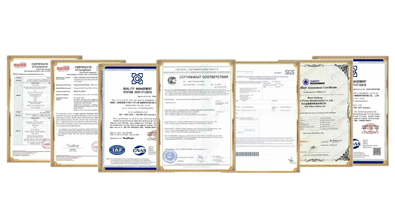
Diversified supplier bases make companies less reliant on a single source and allow them to offer reasonable prices by using more than one buying strategy. Assessing a supplier's financial stability helps keep supplies running smoothly even when project deadlines get pushed back. Monitoring performance on a regular basis finds problems before they affect project plans, allowing quick fixes that keep supplies flowing.To mitigate supply chain risks, partnering with an established manufacturer like RAYOUNG ensures access to a comprehensive range of premium butt-weld pipe fittings, including elbows, reducers, and flanges, engineered for the toughest environments. Backed by ISO 9001:2015, GOST-R, and SGS certifications, our consistent manufacturing processes guarantee reliable product quality and full compliance with international export standards.
Conclusion
Performing thorough quality checks on butt weld joints saves corporate investments and makes sure that operations are safe and regulations are followed. This guide lays out a methodical process that helps people who work in buying make smart choices that combine technical needs with business goals. Understanding inspection procedures, compliance standards, and source evaluation criteria is the first step to a successful project that keeps costs low over its lifetime and system stability high. Strategic relationships with skilled manufacturers give demanding industrial uses the technical know-how and quality guarantee they need.
FAQ
1. What are the most important visual inspection points for checking a butt weld on-site?
A visual check looks for things like a consistent weld profile, a good surface finish, and no obvious flaws like cracks, holes, or partial fusion. Proper weld reinforcement should not exceed the limits specified by the applicable code. Color changes may indicate overheating or contamination, which needs to be looked into further.
2. How do pressure ratings differ between seamless and welded butt weld fittings?
Because the material qualities are more consistent and there are no lengthwise weld seams, seamless fittings are manufactured without longitudinal weld seams, which can improve structural uniformity, although pressure ratings mainly depend on wall thickness and applicable design standards. Welded fittings may require radiographic or ultrasonic testing of production welds, depending on project specifications and quality requirements.
3. What NACE requirements apply to butt weld fittings in sour service applications?
To meet the requirements of NACE MR0175/ISO 15156, carbon steel products must have controlled hardness levels below 22 HRC, be heated in a certain way, and have a certain amount of sulfide in their makeup so that they don't crack under stress. For materials that are exposed to wet hydrogen sulfide settings with amounts above a certain level, environmental cracking tests may be needed.
Partner with RAYOUNG for Premium Butt Weld Solutions
There is a lot of value at RAYOUNG because their certified butt weld fittings meet strict international standards, and their prices are low for big purchases. Our technical knowledge includes choosing the right materials, writing detailed specifications, and following quality control procedures that guarantee the success of projects in a wide range of industry settings. Email our engineering team at info@hb-steel.com to talk about your unique needs and find out how our wide range of products can improve the performance of your pipe system. As a reliable manufacturer of butt-weld pipe fittings, we leverage cutting-edge production technology and responsive customer service to help you meet your project's strict quality and timeline goals.
References
1. American Society of Mechanical Engineers. "Welded and Seamless Wrought Steel Pipe Fittings - ASME B16.9." New York: ASME Press, 2018.
2. American Petroleum Institute. "Welding of Pipelines and Related Facilities - API Standard 1104." Washington, DC: API Publishing Services, 2019.
3. International Organization for Standardization. "Petroleum and Natural Gas Industries - Materials for Use in H2S-containing Environments - ISO 15156." Geneva: ISO Press, 2020.
4. National Association of Corrosion Engineers. "Materials Requirements - NACE MR0175." Houston: NACE International, 2021.
5. American Welding Society. "Structural Welding Code - Steel - AWS D1.1." Miami: AWS Publications, 2020.
6. ASTM International. "Standard Specification for Seamless and Welded Steel Pipe - ASTM A106." West Conshohocken: ASTM Standards, 2019.

Need a quote? Want to see samples? Just say hello. We’re friendly. We’re fast. And we’re ready when you are.
Welcome to RAYOUNG – Strong Pipes, Stronger Promise