Top Pipe Flange Failures & How to Prevent Them
To keep industrial pipelines in good shape and avoid costly operating interruptions, it's important to know why pipe flanges fail in the first place. Pipe flanges usually fail because the gasket wears out, the fitting wasn't done right, the materials weren't compatible, the bolts came loose, or the environment was too tough. These failures can pose serious safety risks, pollute the environment, and require expensive emergency fixes that delay projects and cost a lot of money. To avoid these problems, you need to carefully choose the materials you use, follow the installation guidelines, do regular maintenance, and get parts from approved sources that put quality and meeting international standards first.
Introduction
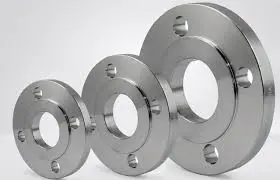
Pipe flanges are essential to the security of industrial pipeline systems because they make links that are safe and won't leak. These important parts are what hold fluid transport networks together in chemical plants, water treatment plants, oil and gas sites, and factories all over the world. When flanged connections fail, the problems go far beyond simple upkeep issues. They can cause huge leaks, damage to the environment, regulatory violations, and big financial losses that can make it impossible for the project to make money.
Today's procurement managers and engineers are under more and more pressure to keep project risks to a minimum, keep costs low, and make sure strict safety rules are followed. It is harder than ever to choose flanges and evaluate suppliers because of how complicated global supply lines are, how different quality standards are, and how industry needs are always changing. This detailed guide solves these problems by looking at the most common ways that pipe flanges fail, why they fail, and how to stop them from happening in the first place. This helps you make smart buying choices.
When procurement teams know how flanges fail, they can choose the right materials, install them correctly, and keep them in good shape in a way that minimises the total cost of ownership. Industrial companies can cut down on unplanned downtime, improve workplace safety, and stay ahead of the competition in tough market conditions by focusing on tried-and-true prevention methods and trusted supplier relationships.
Understanding Common Pipe Flange Failures
Pipe flange breakdowns can happen in a number of ways that affect the integrity of the system and put operations at risk. The most serious types of failure are gasket leaks, material corrosion, problems with bolts, mismatch of dimensions, and mechanical stress. Each type of failure comes with its own problems that need to be solved with different methods that are based on the operational setting and service conditions.
Gasket Leakage and Sealing Problems
Most problems with flanged connections are caused by failed gaskets, which account for a large proportion of flange-related leakage incidents in industrial facilities. This type of failure usually happens when seal materials break down because they are exposed to chemicals, the temperature changes, or they weren't compressed properly during installation. Standard rubber gaskets may fail when they come into contact with strong chemicals, but metallic gaskets can relax their stress when they are heated and cooled many times.
When a gasket leaks, it doesn't just cause fluid loss; it can also pose safety risks by releasing harmful vapours or, in petroleum settings, fire risks. Environmental laws have harsh fines for releases that are not managed, so gasket dependability is a very important compliance factor. To keep operations from getting interrupted by early failures, procurement teams must check that gaskets are compatible with certain process fluids and working conditions.
Corrosion-Related Deterioration
Corrosion breaks down flange materials using electrical processes that weaken the structure and make holes for leaks. Stainless steel flanges may experience stress corrosion cracking (SCC) or localized pitting in chloride-rich environments. Galvanic corrosion happens when different metals form electrochemical cells in the presence of an electrolyte, accelerating material degradation at the junction.
To stop corrosion, you have to carefully choose the materials you use based on how they will be exposed to the environment and how well they work with process fluids. Coatings that guard, systems that stop rust, and corrosion inhibitors are some of the other ways that materials can be kept from breaking down. Regular inspection programmes help find early signs of rust before they lead to breakdowns. This supports preventative maintenance strategies that make parts last longer.
Bolt Integrity and Fastener Issues
When a bolt fails, the flange link is no longer secure because of stress buildup, material fatigue, or bad-fitting methods. When bolt torque is too low, uneven gasket compression leads to leaks. On the other hand, when torque is too high, it can damage bolt threads, cause bolt yielding, or distort flange faces. When you cycle the temperature, the bolts loosen up, which lowers the gripping force over time. This is a problem in high-temperature situations where thermal expansion is a big issue.
High-quality fasteners made from the correct materials and properly heat-treated perform better than standard bolts. The right torque processes, which include sequential tightening patterns and calibrated tools, make sure that the stress is spread evenly across the sides of the flanges. Checking and retorquing bolts on a regular basis helps keep the tightening force at the right level throughout their service life.
Root Causes and Contributing Factors to Flange Failures
Improper material selection, mistakes in installation, and operating pressures all make it more likely for flanges to fail in industrial settings. When procurement workers know these root causes, they can choose the right parts and set up quality control processes that lower the risk of failure. Environmental factors, design limits, and care methods have a big impact on how well flanges work and how long they should last.
Material Selection and Quality Issues
An important reason why flanges fail early in tough working conditions is that the wrong material was chosen. In marine settings, carbon steel flanges might not be resistant to rust, and normal types of stainless steel can crack from stress corrosion caused by chloride. Changes in the quality of a material, such as changes in its chemical makeup, uneven heat treatment, or production flaws, have a direct effect on its mechanical traits and resistance to corrosion.
Certified material test results are very important for making sure that the chemical makeup, mechanical qualities, and heat treatment conditions are correct. Third-party testing services offer independent confirmation that things meet certain standards. Setting up lists of qualified vendors based on their past quality performance helps make sure that the standards for materials are the same across all tasks.
Installation and Workmanship Factors
When work isn't done properly, stress builds up and dimensional misalignment occurs, which can lead to early failures. Common installation mistakes include inadequate surface preparation, improper gasket handling, applying incorrect torque to the bolts, and misaligning the flanges during assembly. Many times, these problems happen because people aren't trained properly, don't follow the right steps, or are under a lot of time pressure, which lowers the quality standards.
Qualified installation methods spell out the right way to finish the surface, how to handle gaskets, and the right order to tighten bolts so that the assembly goes smoothly. Important quality control points and inspection standards are emphasised in training classes for installation staff. Writing down the steps for installing something helps with finding problems and fixing them when they happen.
Environmental and Operational Stresses
Thermal cycles, changes in pressure, vibration exposure, and chemical attack are just some of the operating factors that have a big effect on how well a flange works. Differential thermal expansion is caused by changes in temperature, and it causes mechanical forces at flange joints. Pressure spikes can go over the limits of the design and lead to gasket expansion or bolt overload.
Chemical compatibility tests check how well a material can handle certain process fluids and weather factors. Stress analysis ensures that pipe flange ratings exceed the maximum operating conditions when safety factors are taken into account. Vibration-damping methods lower the dynamic loads that can make bolts loosen or break from wear and tear.
Practical Prevention Techniques for Pipe Flange Failures
To make flanges more reliable and extend their service life, comprehensive prevention tactics include choosing the right materials, installing them correctly, and keeping up with upkeep schedules. These methods take care of the main reasons why things fail while also helping to meet business standards and government rules. For implementation to go well, the procurement, engineering, and support groups need to work together.
Material Specification and Compatibility Assessment
In order to choose the right flange materials, you need to carefully consider the temperature ranges, pressure needs, chemical exposure, and external factors. When it comes to corrosion protection, stainless steel grades are better than carbon steel choices. Specialised alloys also work better in harsh situations. Material suitability charts help you choose the right materials based on the fluids and conditions you will be using.
Here are the most important things to look for in a material to make sure the joint works well:
- Temperature resistance – Materials must keep their mechanical qualities across a wide range of working temperatures so that they don't break under thermal stress.
- Chemical compatibility – Materials for flanges need to be able to withstand process fluids and outdoor pollutants that could damage or corrode them.
- Pressure capacity – The flange material and design must withstand the maximum operating pressure
- Environmental durability – Protection against rust in the air, UV light, and other natural factors makes the service last longer
These important factors have a direct effect on the total cost of ownership because they lower the need for upkeep, increase the time between replacements, and stop expensive emergency fixes that stop operations.
Installation Standards and Quality Control
If you follow the right steps for fitting, your flanged joints will work as designed for as long as they are supposed to. As part of surface preparation, certain roughness levels must be met, and any residue that could affect gasket fitting must be removed. Protocols for installing gaskets keep them from getting damaged during handling and make sure they are positioned correctly within flange faces.
Bolt installation routines make sure that clamping forces are spread out evenly across the sides of the flanges while still meeting stress levels that don't go over the limits of the material. With calibrated torque tools, you can apply the right amount of power, and repeated tightening patterns keep things from warping. As part of the documentation needs, there must be torque values, gasket types, and test reports that support quality assurance systems.
Maintenance and Inspection Protocols
Regular inspection programmes find possible problems before they break down. This helps with preventative maintenance tactics that cut down on unplanned downtime. Visual checks find signs of rust, worn-out gaskets, and loosened bolts that mean problems are getting worse. Ultrasonic thickness readings and dye penetrant testing are two examples of non-destructive testing methods that can find hidden flaws that could lead to failures.
Schedules for preventive maintenance include how often to retorque bolts, when to replace gaskets, and how often to reapply coatings based on the conditions of service. Condition tracking systems keep an eye on things that affect the performance of flanges, like the amount of vibration, changes in temperature, and changes in pressure. Documentation systems keep track of the results of inspections, upkeep tasks, and the history of parts that help with reliability analysis.
How to Source Quality Pipe Flanges and Reliable Suppliers?
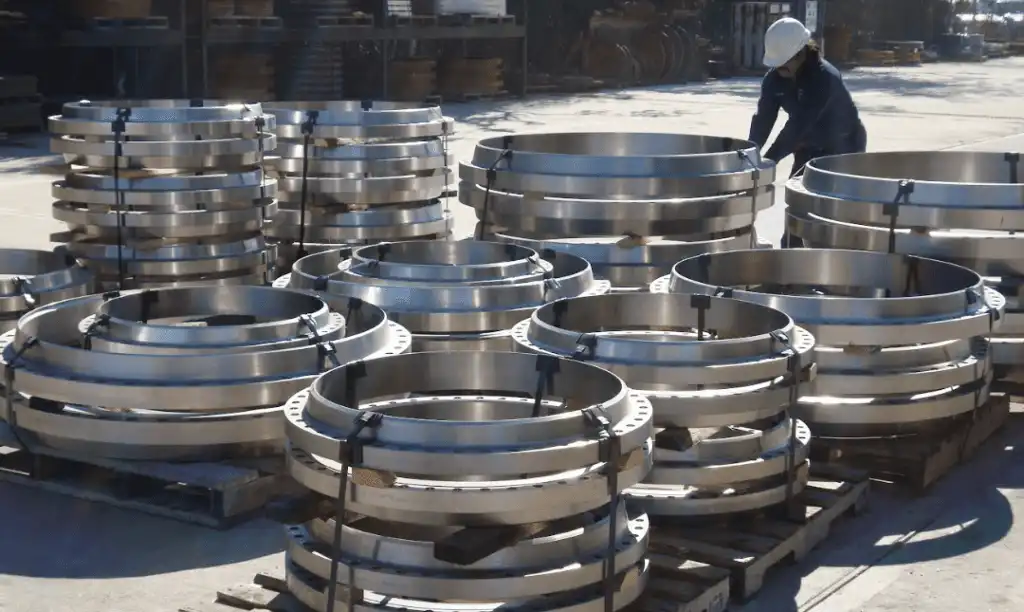
To buy industrial pipe flanges successfully, you need to carefully look at the skills, quality processes, and compliance with international standards of the suppliers you are considering. Suppliers you can trust show consistent quality through certified production methods, the ability to track materials, and thorough testing programmes. Creating smart relationships with qualified vendors lowers the risks of buying while ensuring that parts are delivered on time and meet project requirements.
Supplier Evaluation and Certification Requirements
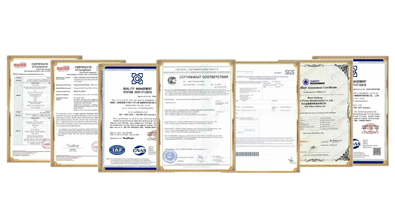
Licensed flange providers keep certifications that show they follow well-known quality standards like ISO 9001, API, and ASME codes. These standards show that they control quality in a planned way. The right tools should be available for cutting, heat treating, and testing as part of the manufacturing process. Buying materials from approved mills makes sure that the chemical makeup and mechanical properties are correct.
Third-party testing services check that measurements, material properties, and surface finish standards are met by a third party. Supplier checks look at how things are made, how quality is controlled, and how paperwork is kept track of. Performance tracking keeps an eye on delivery dates, quality standards, and answers to corrective actions that show how reliable a provider is.
Product Selection and Application Matching
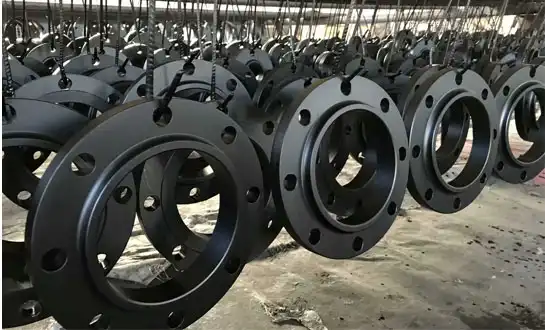
There are different types of flanges that are better for different uses and situations. For high-pressure systems, weld neck flanges are stronger, while slip-on shapes make fitting easier for systems with less pressure. For large-diameter, low-pressure uses like water treatment plants, plate flanges are more cost-effective.
When choosing a pressure grade, you need to think about the highest working conditions as well as the right safety factors to keep things from getting too stressful. Standard pressure classes with values of 150, 300, 600, and higher can meet the needs of a wide range of systems. Different types of materials in each pressure class offer a range of temperature and corrosion protection choices.
Supply Chain Management and Lead Time Planning
Supply chain management that works well combines the prices of inventory with the needs for access to keep projects on schedule. Standard flange sizes usually have shorter lead times than unique designs that need to be made in a special way. Buying in bulk can lower the cost per unit and make sure that materials are available for big jobs.
Vendor-controlled inventory programmes make sure that inventory is always available while giving control of the inventory to sellers. Just-in-time shipping plans keep projects moving forward while reducing the amount of storage that needs to be done. When the main sources have problems with quality or capacity, backup supplier arrangements give you other choices.
Case Studies: Real-World Examples of Pipe Flange Failures and Solutions
Real-life examples show how choosing the right material, installing it correctly, and keeping it in good shape can keep flanges from breaking down in expensive ways in a wide range of industrial settings. These case studies show how proactive methods can save money compared to reactive responses to mistakes. When procurement teams read about past mistakes, they can avoid having the same issues and make their processes more reliable.
Chemical Plant Corrosion Prevention Success
A big petrochemical plant kept having gasket failures because its cooling water system had stress corrosion cracks caused by salt. In just 18 months, standard 304 stainless steel flanges failed, stopping production and costing more than $150,000 each time to fix. Environmental releases led to reviews by regulators and possible fines that made it risky for the plant to keep its working permits.
Upgrading to 316L stainless steel flanges with superior chloride resistance and installing cathodic protection systems provided the optimal solution. New sealing materials were better at working with chemicals, and better fitting methods made sure that the stress was spread out evenly. These changes increased the service life of the flanges to more than eight years and stopped them from shutting down without warning. This saved the company about $300,000 a year in repair costs and made production more available.
Municipal Water System Reliability Enhancement
A big city water treatment plant had problems with its distribution system flanges leaking all the time. This caused water loss, low pressure, and complaints from customers. An investigation revealed that the aggressive water chemistry was causing low-cost carbon steel flanges to corrode rapidly. Service was interrupted by emergency repairs, and the cost of replacements put a strain on upkeep funds.
The utility company put in place a full flange improvement programme that included coatings that don't rust, better gasket materials, and regular fitting methods. Protocols for regular inspections found possible problems before they happened. These changes cut water loss by 85% and increased the service life of parts from three years to over ten years, showing how important it is to make decisions about purchases that focus on quality.
Industrial Manufacturing Vibration Control
In a heavy industrial plant, process pipes that were exposed to equipment vibration often had bolts come loose and gaskets fail. Traditional flanged joints needed to be serviced every month to keep them from leaking, which took a lot of time and effort and put people at risk. During repair breaks, more than $50,000 a month was lost in production.
Engineers used special anti-vibration bolt systems that lock themselves and seal materials that don't move when the vibrations happen. The installation steps included using the right pressure levels and thread-locking agents on the pipe flange. Devices that reduce vibrations lowered the dynamic stress on flanged joints. These changes got rid of the need for regular upkeep and made the system more reliable. The costs of adoption were recovered within six months by cutting down on labour and speeding up production.
Conclusion
To stop pipe flange failures, you need a complete plan that includes choosing the right materials, installing them correctly, and keeping up with upkeep. When procurement workers know about typical failure modes, they can choose the right parts and build relationships with suppliers who put quality and compliance first. Preventing problems costs a lot less than fixing them when they happen. For long-term operational success, it is important to make buying choices that focus on quality.
For flange reliability programmes to work, they need both technical know-how and structured quality management methods that get to the root causes of problems instead of just treating the symptoms. Industrial companies can make big changes to the safety, efficiency, and total cost of ownership of their pipeline infrastructure by using tried-and-true prevention methods and keeping strong relationships with their suppliers.
FAQ
1. What are the most common causes of pipe flange leakage?
Gasket wear is the main reason why flanges leak. This can happen because of chemicals that don't work well together, changes in temperature, or bad fitting. Seal failure can also be caused by bolts coming loose because of vibration, thermal expansion, or not enough starting pressure. Abnormalities in the surface and corrosion of the material itself create additional leak paths that weaken the link.
2. How do I select the appropriate pressure rating for my application?
To select the appropriate pressure rating, you must calculate the maximum operating pressure and temperature, incorporating necessary safety factors. You must then consult pressure-temperature rating tables from standards like ASME B16.5 to ensure your chosen flange class safely exceeds the system's maximum design conditions, as elevated temperatures significantly reduce a material's pressure-handling capacity.
3. What installation procedures prevent flange connection problems?
For the best gasket fitting, make sure the surface is properly prepared by reaching the right level of roughness and getting rid of any contamination. Using measured torque tools to tighten bolts one at a time spreads the holding forces out evenly and keeps the flange from distorting. Proper treatment of gaskets keeps them from getting damaged, which could affect how well they close during installation.
4. When should flanges be inspected and maintained?
In serious situations, eye checks should be done once a month to look for signs of rust, gasket wear, and bolt loosening. Dimensional measurements and non-destructive tests are part of yearly thorough checks. When to retorque a bolt depends on how it is being used, but it's usually done every six months to two years, depending on how often the temperature changes.
5. How do I verify supplier quality and reliability?
When you evaluate a supplier, you should look at their quality certifications, manufacturing skills, and methods for tracking down materials. Third-party testing services make sure that products are compliant without any bias. Performance tracking keeps an eye on delivery dates, quality standards, and answers to corrective actions that show how reliable something will be in the long run.
Partner with RAYOUNG for Superior Pipe Flange Solutions.
Industrial activities demand effective pipe flange connections that meet safety and performance standards throughout their working life. RAYOUNG offers complete flange solutions backed by ISO 9001:2015 certification and proven quality management systems that ensure consistent product excellence. Our extensive product portfolio includes carbon steel and stainless steel flanges designed to meet diverse application requirements across water treatment, petrochemical, and manufacturing industries.
RAYOUNG's commitment to quality extends through our entire supply chain, from certified material sourcing to rigorous testing protocols that verify compliance with international standards. Our technical expertise supports customers in selecting optimal flange configurations, while our responsive service team ensures timely delivery that keeps projects on schedule. Contact our engineering team at info@hb-steel.com to discuss your specific requirements and discover how our pipe flange manufacturer capabilities can enhance your operational reliability while reducing the total cost of ownership.
References
1. American Society of Mechanical Engineers. "Guidelines for Pressure Boundary Bolted Flange Joint Assembly." ASME PCC-1-2019.
2. Bickford, John H. "An Introduction to the Design and Behavior of Bolted Joints." 4th Edition, CRC Press, 2018.
3. Brown, William M. and Johnson, Robert K. "Flange Joint Design and Analysis: Methods and Applications." Industrial Press, 2020.
4. International Organization for Standardization. "Flanges and Their Joints - Circular Flanges for Pipes, Valves, Fittings and Accessories." ISO 7005-1:2011.
5. Payne, James R. "Pipeline Integrity Management: Prevention and Mitigation of Flange Failures." Pipeline & Gas Journal, Vol. 247, No. 8, 2020.
6. Waters, Emily F. et al. "Corrosion Prevention Strategies for Industrial Piping Systems." Materials Performance and Characterization, ASTM International, Vol. 9, No. 3, 2021.

Need a quote? Want to see samples? Just say hello. We’re friendly. We’re fast. And we’re ready when you are.
Welcome to RAYOUNG – Strong Pipes, Stronger Promise